Macchi M33 (1925)
 Italy - Regia Aeronautica 2 race models produced 1925-26
Development and Design

The Macchi M.33 flying boat. Numbers varies between sources from 2 to 5. It was Operated in 1925–1926 by a team sponsored by the Italian Regia Marina officially known as the "Schneider Trophy team". The M33 for its time was fast, with a top Speed of 280–290 km/h (174–180 mph), a cruising speed of 220–240 km/h (137–149 mph). As a pure racing flying boat it was unarmed, but the RM looked carefully as its potential as seaplane fighter for its ships. Oddly enough, it was powered not by a Fiat or Isotta Fraschini engine, but by a US Curtiss D-12 V12 water-cooled piston engine, rated for 500 hp (373 kW). Before that, Macchi already capitalized on the high speed of its WWI seaplane fighters and created the Macchi M.17 (1919) early racing seaplane, then M.19 (1920), another successful Racing flying boat. The Coupe d'Aviation Maritime Jacques Schneider or Schneider Trophy was created back in 1913 by a crippled former Hydroplane racer back in 1910. The first race was in Monaco, 6 laps over 300 km distance.
The Sopwith Tabloid won the 1914 trophy, which was interrupted by the war and resumed in 1919 at Bourenmouth, first time the Italians won. Involvement only grew after Muissolini took power in 1922, as a matter of national prestige. It went on with Macchi as the forerunner until 1931 when it ended withut financial backing. Italy won the trophy in 1919, 20, 21 and 1926. The Trophy was instrumental to challenge engineering and would contribute to fighter developments both in UK (with Supermarine, at the roots of the Spitfire), and Italy (Macchi for its MC.202 series) in WW2.
General design
 The 1925 Schneider Trophy PerformanceThe American Challenge: Two M.33 aircraft were sent to Baltimore, Maryland, to compete against highly advanced American Curtiss biplane racers.Engine Troubles: The aircraft was powered by a 500-horsepower Curtiss D-12 engine mounted in a pod above the hull. The engines were plagued by overheating and severe vibration issues throughout the trials. The recipe followed was that of a flying boat, like the M7-M9 lineage of 1918-19. However later like other competitors, Macchi would adopt instead the floatplane formula.
Third Place Finish: Pilot Giovanni de Briganti flew the only M.33 to finish the race. He placed third with an average speed of 168 mph (271 km/h), well behind the winning American Curtiss R3C. Innovative Design Aspects: Cantilever Monoplane: Moving away from traditional biplanes, the M.33 featured a clean, shoulder-mounted wooden cantilever wing. Parasol Engine Mount: To keep the propeller clear of water spray during takeoff and landing, the engine was mounted on a system of struts high above the cockpit cockpit. Aerodynamic Limitation: Despite its clean lines, its flat-bottomed hull design created substantial aerodynamic drag compared to the streamlined pontoons used by contemporary floatplanes.
The Macchi M.33 was a single-seat, wooden, shoulder-wing monoplane flying boat of very clean aerodynamic design for its time. Its cantilever wing was fairly thick and carried stabilizing floats on each side. Italy lacked competitive racing engines in 1925, so the M.33 was powered with a used 1923 Curtiss D-12 engine rated at 378 kilowatts (507 horsepower) in a streamlined nacelle mounted on struts above the fuselage and driving a two-bladed tractor propeller. The M.33 had a flat-plate radiator, a type that was obsolescent by 1925, rather than modern surface radiators. The D-12 engines powering M.33s were worn-out and unreliable and lacked the power of newer foreign engines, and pilots reported that the aircraft suffered from wing flutter.

⚙ Macchi M33 specifications | |
| Gross weight | |
| Fuselage lenght: | 8.55 m (28 ft 1 in) |
| Wingspan: | 9.74 m (31 ft 11 in) |
| Height: | 2.68 m (8 ft 10 in) |
| Propulsion | Curtiss D-12 V-12 WC piston engine, 340 kW (450 hp) |
| Top Speed | 350 km/h (220 mph, 190 kn) (stall speed 110 km/h (68 mph, 59 knots)) |
| Armament | None |
| Propeller | 2-bladed wooden, fixed pitch |
| Crew | 1 pilot |
In service
Despite the M.33's shortcomings, Italy entered two of them in the 1925 Schneider Trophy race hosted by the United States at Baltimore, Maryland. The one piloted by Riccardo Morselli was scratched from the race because of engine ignition problems. Giovanni de Briganti piloted the other M.33; during the race he did not use full throttle out of fear for his aircraft's engine and wing problems, and was further delayed by a navigational error he made during the second lap of the seven-lap race. He came in third with an average speed of 271 kilometers per hour (168 miles per hour); this was well behind the second-place finisher, a British Gloster IIIA piloted by Hubert Broad which finished with an average speed of 321 kilometers per hour (199 miles per hour), and also behind the winner, an American Curtiss R3C-2 piloted by Jimmy Doolittle (1896–1993), which finished with an average speed of 374 kilometers per hour (233 miles per hour). De Briganti's M.33 was the last flying boat to compete in the Schneider Trophy racesPop Culture Legacy: Porco Rosso. The striking silhouette and historical aesthetic of the Macchi M.33 famously served as the direct visual inspiration for filmmaker Hayao Miyazaki when designing the iconic red seaplane flown by the main character in the Studio Ghibli animated masterpiece, Porco Rosso. (Though the aircraft in the film is fictionally named the "Savoia S.21", it visually mirrors the M.33's monoplane hull and over-wing engine pod).
Gallery


Read More
Lefèbvre, Jean-Michel & Foxworth, Thomas (April 1978). "Vitesse à la italienne: le Macchi M.33, partie 2" No. 101. pp. 12–15Altre fonti riportano 406 CV; cfr. A.A. V.V, L'Aviazione - grande enciclopedia illustrata, Novara, Istituto Geografico De Agostini, 1985
A.A. V.V, L'Aviazione - grande enciclopedia illustrata, Novara, Istituto Geografico De Agostini, 1985, pp. pag.56 - Vol. X.
(IT, EN) Giorgio Apostolo (e Gianni Cattaneo). Idrocorsa Macchi. Ali d'Italia n. 26. - Giorgio Apostolo Editore srl.
Links
en.wikipedia.org Macchi_M.33aeroplanes.fr/
outerzone.co.uk plans
reddit.com
Videos
Porco Rosso- Lohner E (1913)
- Macchi M3 (1916)
- Macchi M5 (1917)
- Macchi M7 (1918)
- Ansaldo ISVA (1918)
- Short S.38 (1912)
- Sopwith Baby (1916)
- Short 184 (1916)
- Fairey Campania (1917)
- Sopwith Cuckoo (1917)
- Felixstowe F.2 (1917)
- Gotha WD.2 (1914)
- Friedrichshafen FF 33 (1916)
- Hansa-Brandenburg KDW
- Albatros W4 (1916)
- Albatros W8 (1918)
- Hanriot HD.2
- Grigorovich M5 (1915)
- Grigorovich M9 (1916)
- Grigorovich M11 (1917)
- IJN Farman MF.7
- IJN Yokosho Type Mo
- Yokosho Rogou Kougata (1917)
- Yokosuka Igo-Ko (1920)
- Curtiss N9 (1916)
- Curtiss H4 (1916)
- Curtiss H12 (1917)
- Curtiss H16 (1918)
- Aeromarine 39
- Vought VE-7
- Douglas DT (1921)
- NAF/Curtiss TS-1 (1922)
- Boeing FB.5 (1923)
- Boeing F4B (1928)
- Vought O2U/O3U Corsair (1928)
- Grumman FF (1931)
- Akron class airships (1931)
- Curtiss F9C Sparrowhawk (1931)
- Curtiss F11C Goshawk (1932)
- Curtiss BF2C Goshawk (1933)
- Blackburn Blackburn (1922)
- Supermarine Seagull (1922)
- Fairey Flycatcher (1923)
- Hawker Horsley (1925)
- Blackburn Ripon (1926)
- Fairey IIIF (1927)
- Fairey Seal (1930)
- LGL-32 C.1 (1927)
- Wibault 74 (1929)
- Macchi M.33 (1925)
- Fiat CR.20 Idro (1928)
- Fokker T.II (1921)
- Fokker T.III (1923)
- Caspar U1 (1921)
- Dornier Do J Wal (1922)
- Rohrbach R-III (1924)
- Mitsubishi 1MF (1923)
- Mitsubishi B1M (1923)
- Yokosuka E1Y (1923)
- Nakajima A1N (1927)
- Nakajima E2N (1927)
- Mitsubishi B2M (1929)
- Nakajima A2N (1930)
- Nakajima A4N (1935)
- CANT 18 (1926)
 Interwar Norway
- Marinen Flyg. M.F.5 (1918)
WW1
✠ K.u.K. Seefliegerkorps:
 Italian Naval Aviation
 RNAS
 Marineflieger
 French Naval Aviation
 Russian Naval Aviation
 IJN Air Service
 USA
Interwar
 Interwar US
 Interwar Britain
 Interwar France
Interwar Italy
 Interwar Netherlands
 Interwar Germany
 Interwar Japan
 Interwar Italy
- Grumman F2F (1933)
- Curtiss SOC seagull (1934)
- Grumman F3F (1935)
- Northrop BT-1 (1935)
- Consolidated PBY Catalina (1935)
- Grumman J2F Duck (1936)
- Brewster/NAF SBN-1 (1936)
- Curtiss SBC Helldiver (1936)
- Vought SB2U Vindicator (1936)
- Brewster F2A Buffalo (1937)
- Douglas TBD Devastator (1937)
- Vought Kingfisher (1938)
- Curtiss SO3C Seamew (1939)
- K-class Blimps (1939)
- Douglas SBD Dauntless (1939)
- Grumman F4F Wildcat (1940)
- F4U Corsair (NE) (1940)
- Brewster SB2A Buccaneer (1941)
- Grumman TBF/TBM Avenger (1941)
- Consolidated TBY Sea Wolf (1941)
- Grumman F6F Hellcat (1942)
- Curtiss SB2C Helldiver (1942)
- Curtiss SC Seahawk (1944)
- Grumman F7F Tigercat (1944)
- Grumman F8F Bearcat (1944)
- Ryan FR-1 Fireball (1944)
- Douglas AD-1 Skyraider (1945)
- Fleet Air Arm
- Hawker Osprey (1932)
- Fairey Swordfish (1934)
- Blackburn Shark (1934)
- Supermarine Walrus (1936)
- Fairey Seafox (1936)
- Blackburn Skua (1937)
- Short Sunderland (1937)
- Blackburn Roc (1938)
- Fairey Albacore (1940)
- Fairey Fulmar (1940)
- Grumman Martlet (1941)
- Hawker sea Hurricane (1941)
- Brewster Bermuda (1942)
- Fairey Barracuda (1943)
- Fairey Firefly (1943)
- Grumman Tarpon (1943)
- Grumman Gannet (1943)
- Supermarine seafire (1943)
- Blackburn Firebrand (1944)
- Hawker Sea Fury (1944)
- Coastal Command
- Vickers Wellington (1937)
- IJN aviation
- Yokosuka E6Y (1930)
- Aichi D1A "Susie" (1934)
- Mitsubishi A5M "Claude" (1935)
- Nakajima A4N (1935)
- Yokosuka B4Y "Jean" (1935)
- Mitsubishi G3M "Nell" (1935)
- Nakajima E8N "Dave" (1935)
- Kawanishi E7K "Alf" (1935)
- Nakajima B5N "Kate" (1937)
- Kawanishi H6K "Mavis" (1938)
- Aichi D3A "Val" (1940)
- Mitsubishi G4M "Betty" (1940)
- Mitsubishi A6M "zeke" (1940)
- Nakajima E14Y "Glen" (1941)
- Nakajima B6N "Jill" (1941)
- Mitsubishi F1M "pete" (1941)
- Aichi E13A Reisu "Jake" (1941)
- Kawanishi E15K Shiun "Norm" (1941)
- Nakajima C6N Saiun "Myrt" (1942)
- Yokosuka D4Y "Judy" (1942)
- Kyushu Q1W Tokai "Lorna" (1944)
 Luftwaffe
- Heinkel 114 (1935)
- Arado 196 (1937)
- Junkers 87C (1938)
- Me109 T (1938)
- Blohm & Voss 138 Seedrache (1940)
 Italian Aviation
- Savoia-Marchetti S.55
- IMAM Ro.43/44
- CANT Z.501 Gabbiano
- CANT Z.506 Airone
- CANT Z.508
- CANT Z.511
- Caproni CA.316
- CANT Z.515
 French Aeronavale
- GL.300 (1926-39)
- CAMS 37 (1926)
- Levasseur PL.5 (1927)
- Potez 452 (1935)
- Loire 210 (1936)
- Loire 130 (1937)
- LN 401 (1938)
 Soviet Naval Aviation
- Shavrov SH-2 (1928)
- Tupolev TB-1P (1931)
- Beriev MBR-2 (1930)
- Tupolev MR-6 (1933)
- Tupolev MTB-1 (1934)
- Beriev Be-2 (1936)
- Polikarpov I16 naval (1936)
- Tupolev MTB-2 (1937)
- Ilyushine DB-3T/TP (1937)
- Beriev Be-4 (1940)
 Swedish Naval Aviation
- SAAB B17S
-
 Skoda Š-328V
 R-XIII Idro
 Fokker C.XI W (1934)
 Rogožarski PVT-H (1938)
WW2
 ☍ USNA
- De Havilland Sea Vixen
- Hawker Sea Hawk
- Supermarine Scimitar
- Blackburn Buccaneer
- Hawker Sea Harrier
- Douglas A4 Skyhawk
- Grumman F9F Panther
- Vought F8 Crusader
- McDonnell-Douglas F-4 Phantom-II
- North Am. A5 Vigilante
- TU-142
- Yak 38 forger
☢ Cold War
✧ NATO
Fleet Air Arm
 US Navy
☭ Warsaw Pact
Merch
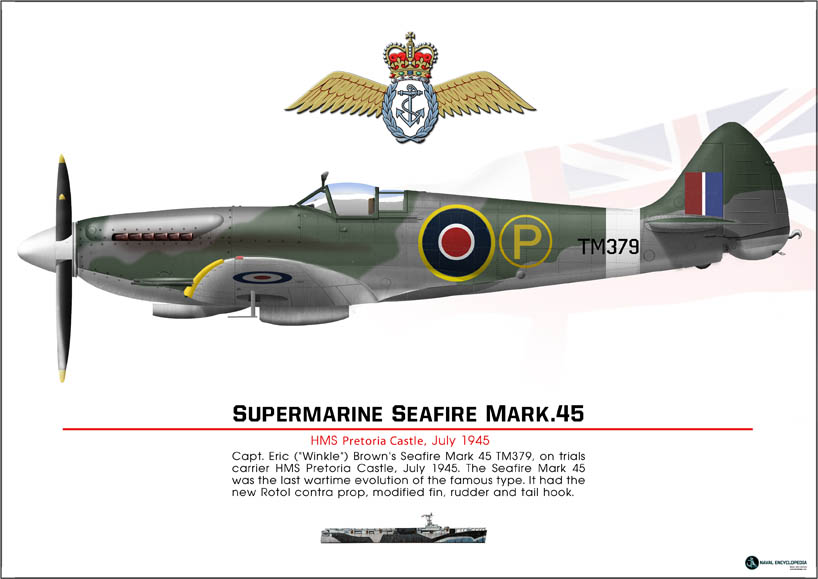
Seafire Mark 45; HMS Pretoria Castle
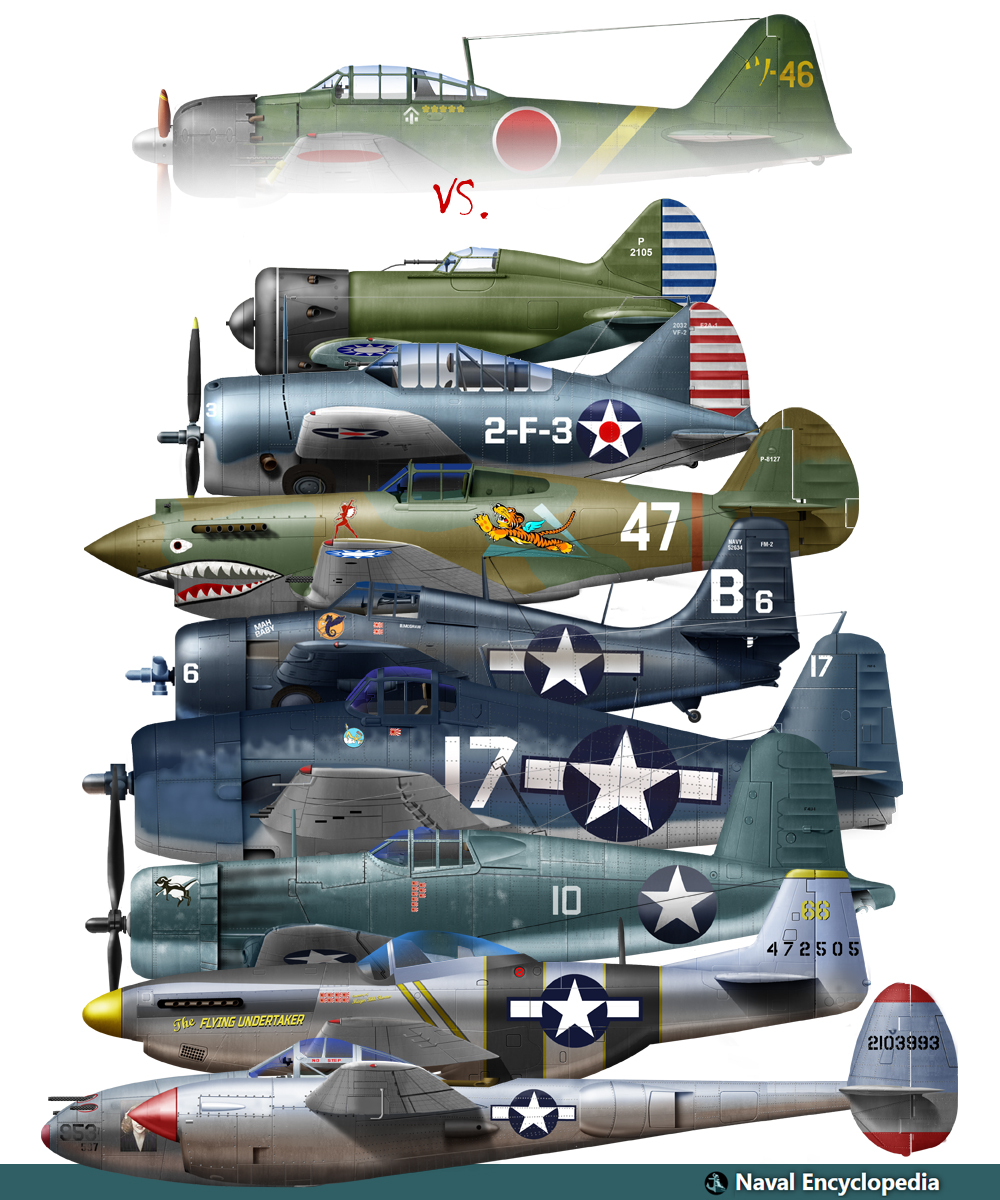
Zeros vs its aversaries
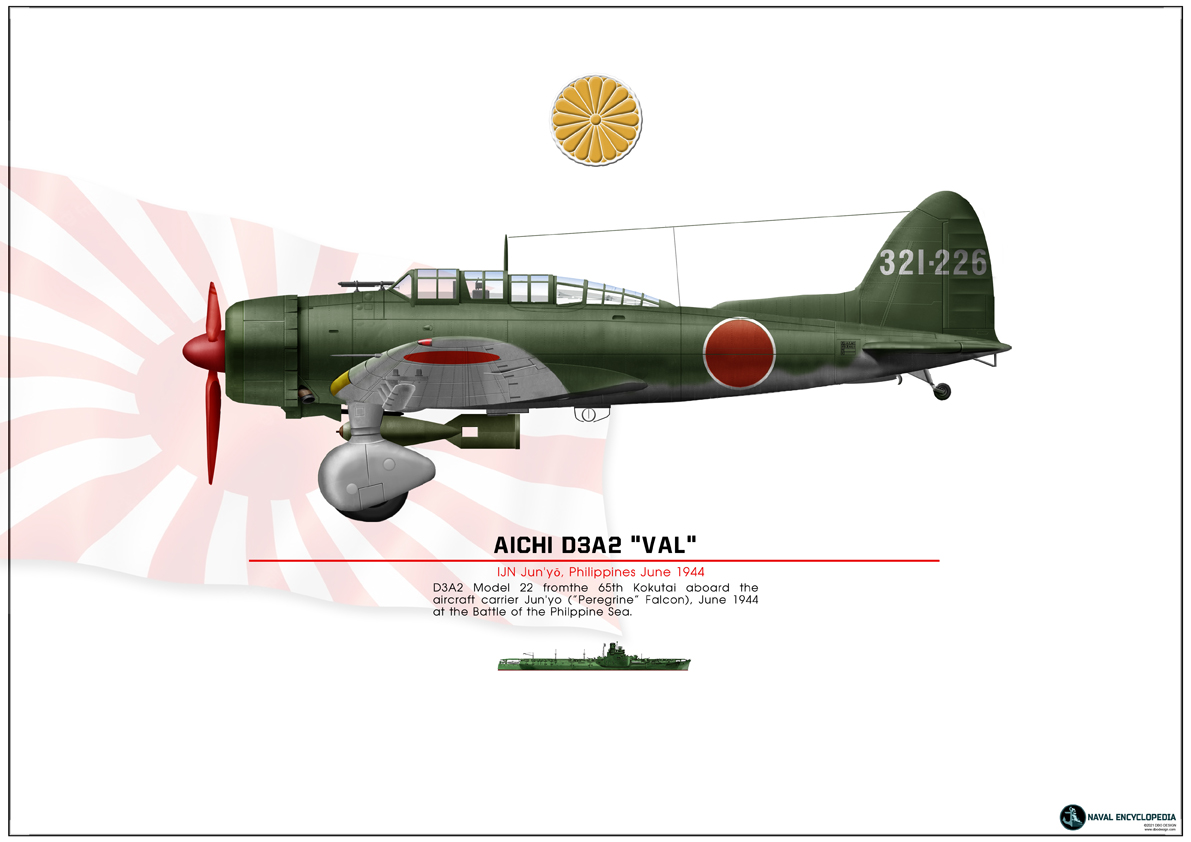
Aichi D3A “Val” Junyo
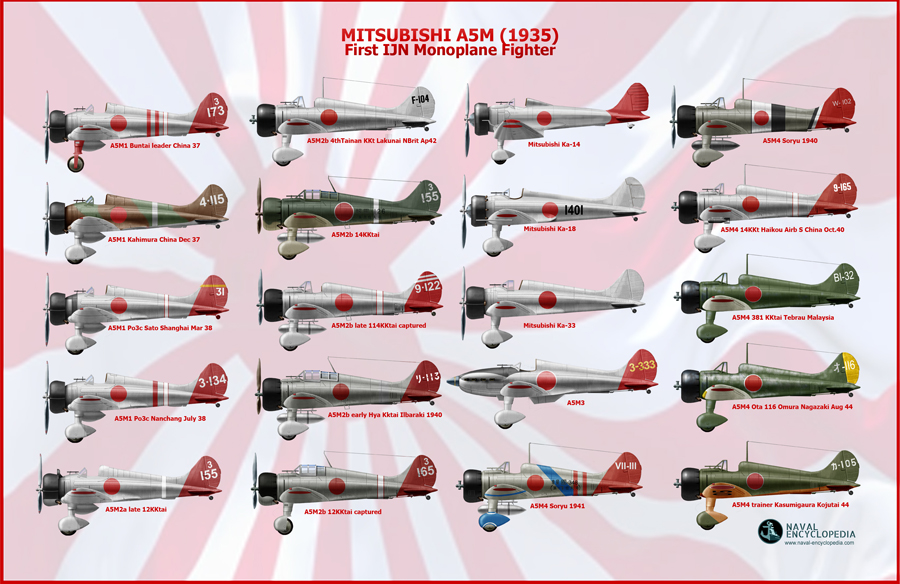
Mitsubishi A5M poster
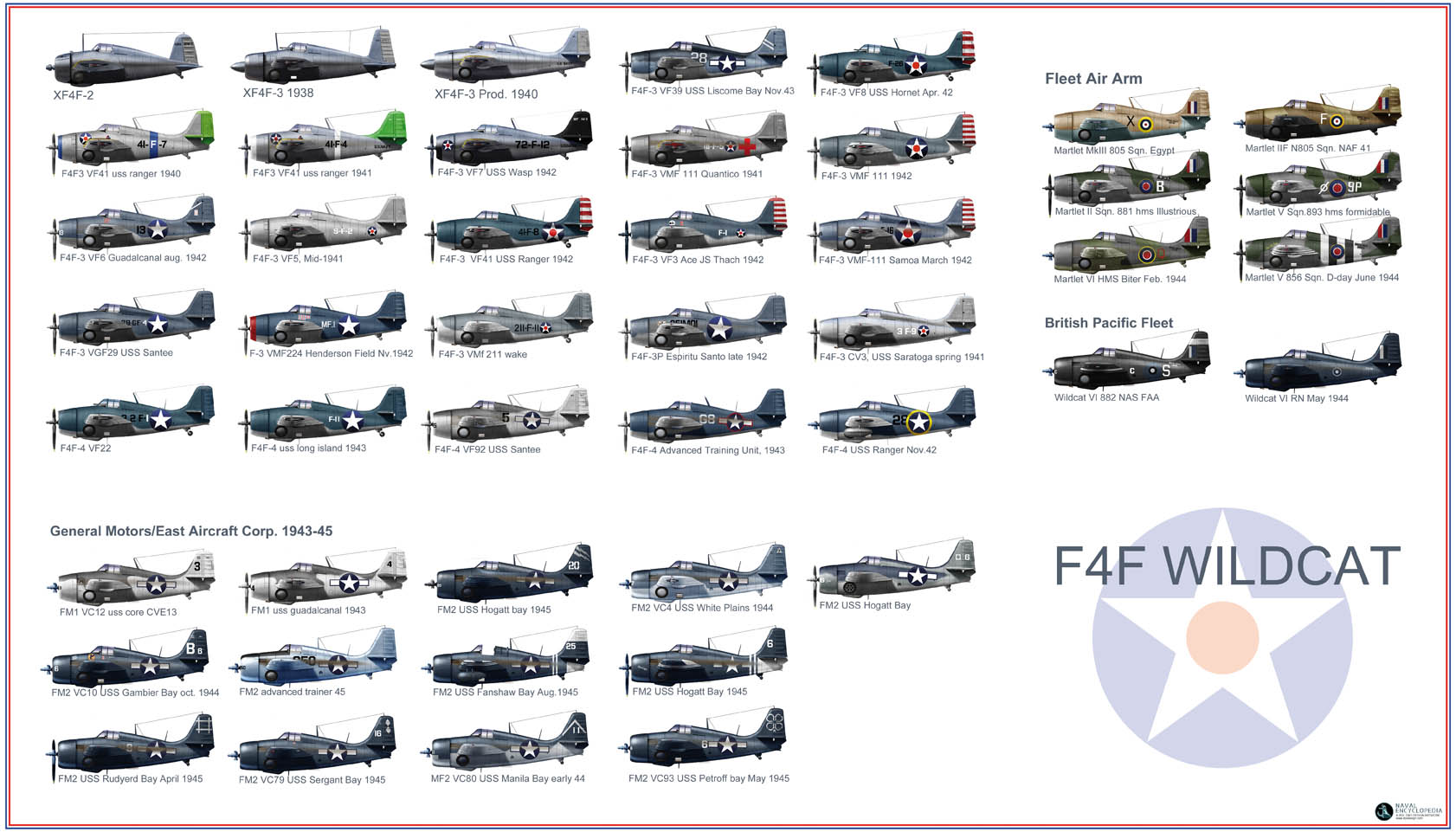
F4F wildcat
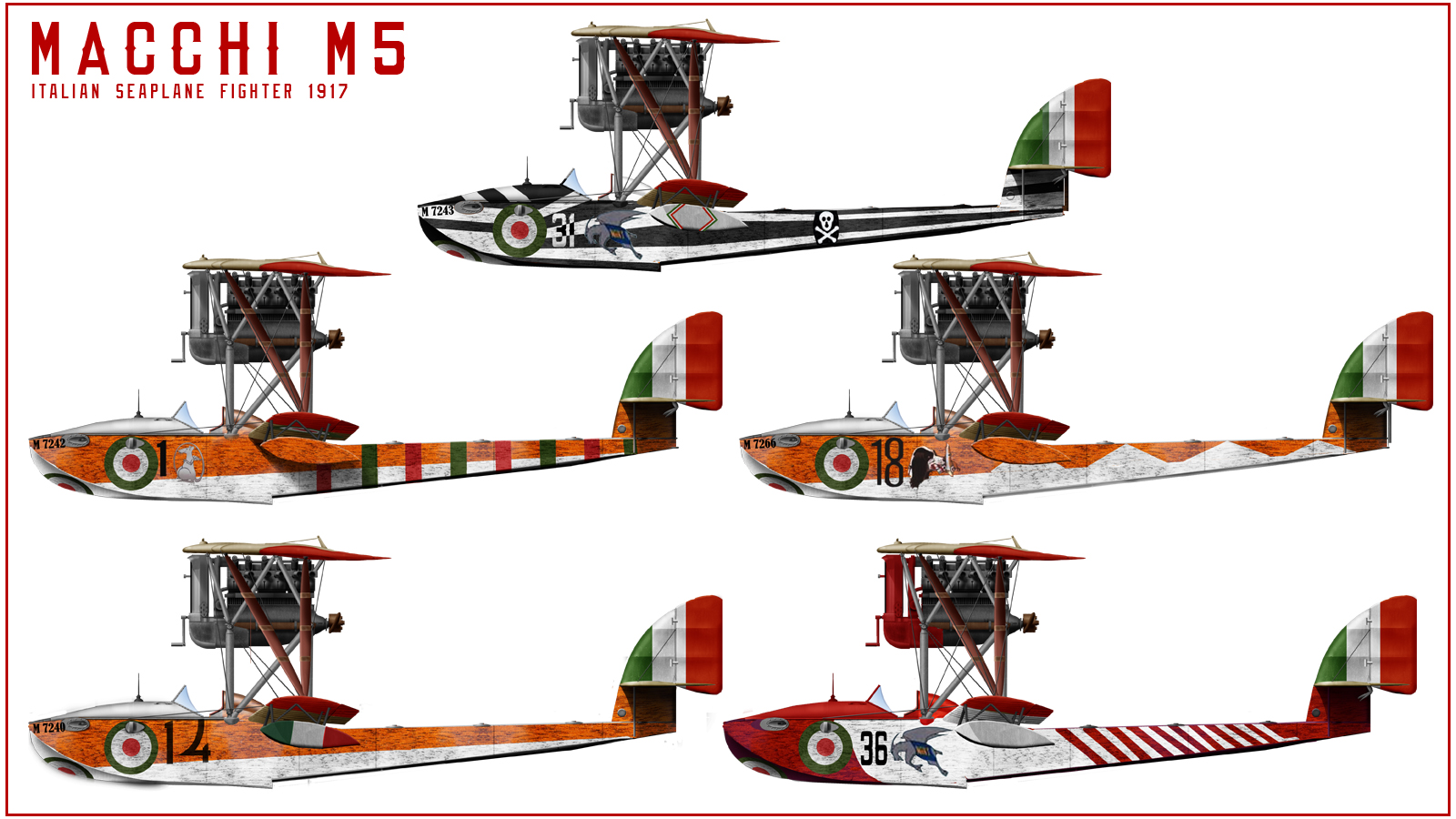
Macchi M5
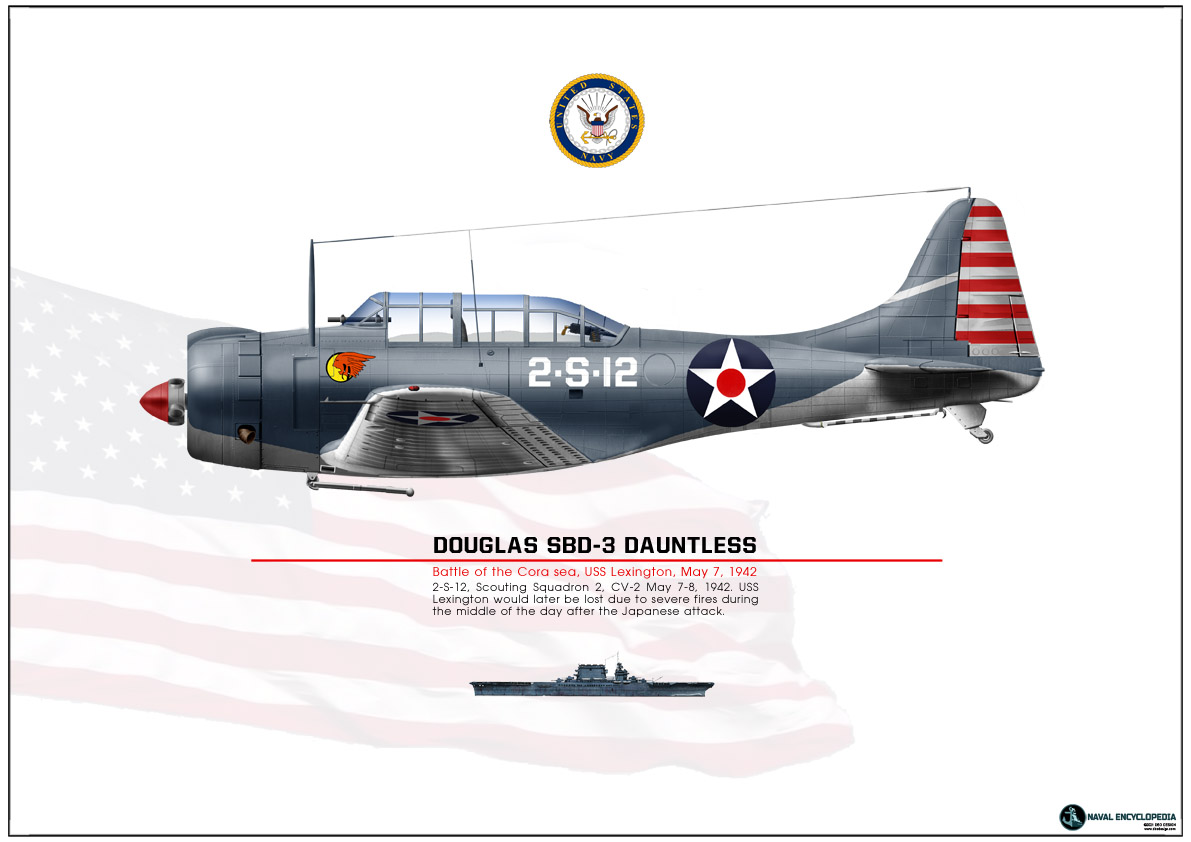
SBD Dauntless Coral Sea
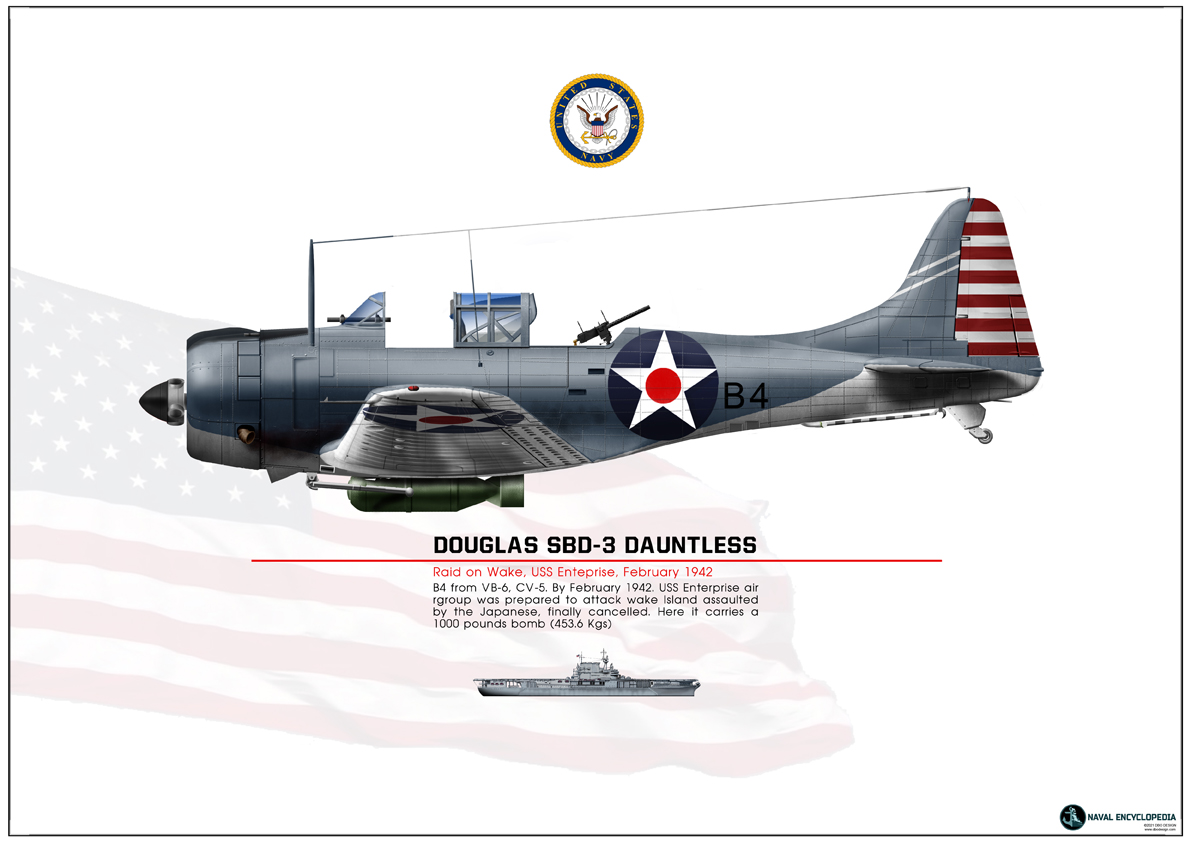
SBD Dauntless USS Enterprise
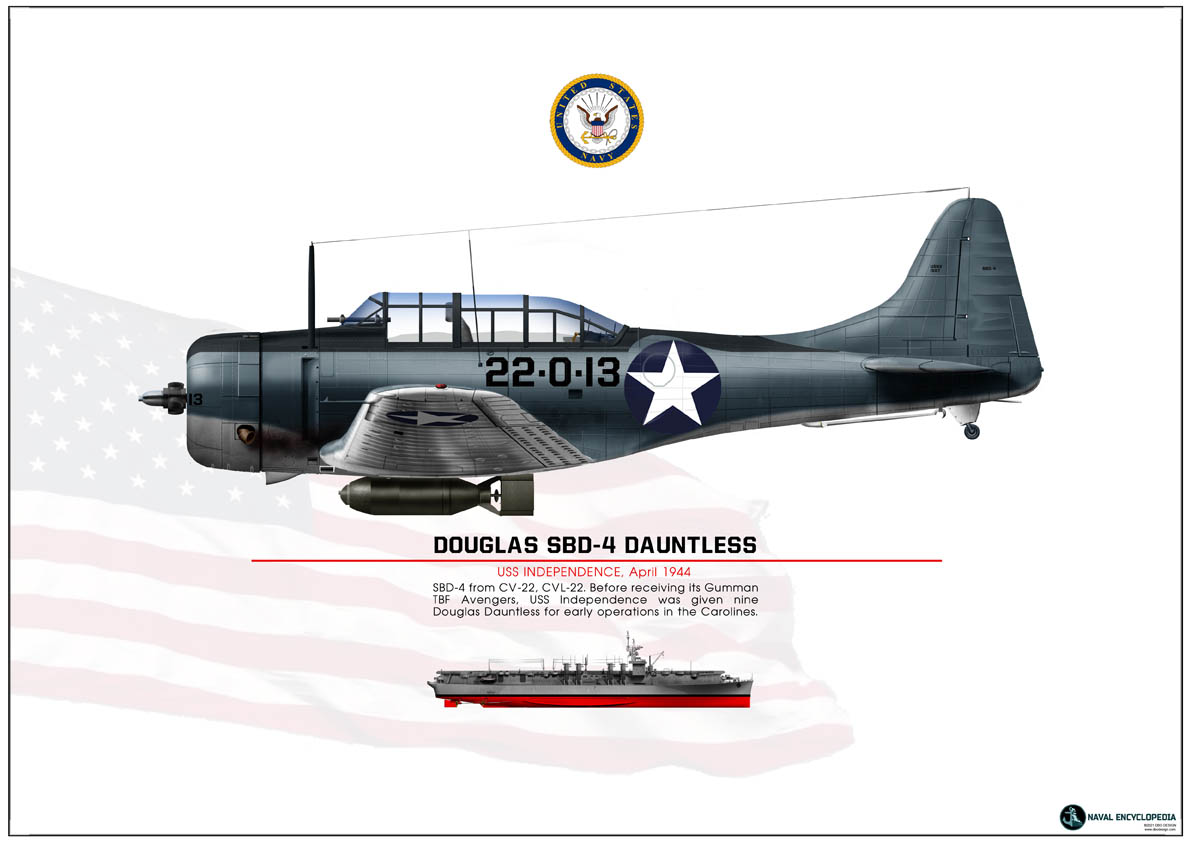
SBD-4 CV22