Hawker Horsley (1925)
 RAF 1927-35: 124 built.
Design development

Note: Horsley, IA colored.
In 1923 the British Air Ministry published Specification 26/23: It was for a two-seat, medium-range day bomber. As usual several companies answered, notably Fairey. At Hawker, work progressed well with H.G. Hawker Engineering Co. Ltd. design team led by chief designer Wilfred George Carter a prototype 2-bay biplane featuring wings of unequal span with sweepback, braced tail unit, tail-skid undercarriage. It was powered by a 650 hp Rolls-Royce Condor III engine and sent in 1925 as a tender.
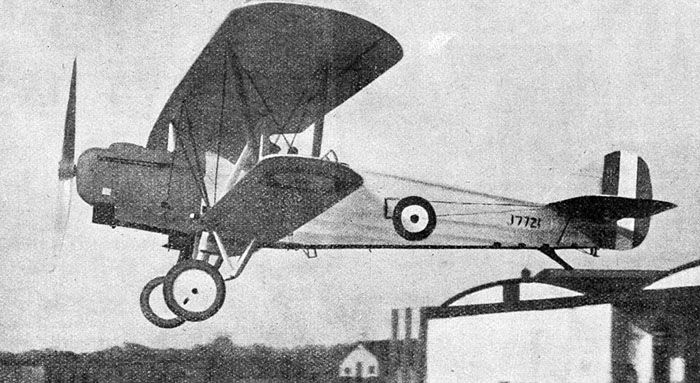
The company presented to meet these specifications the Hawker Horsley prototype (J7511), which made its maiden flight in March 1925. They were promising. In May, the prototype was transferred to Martlesham Heath for testing by the RAF. J7511 was handed over then for service trials, with No. 22 Squadron, later No. 11 Squadron. However while testing, it was involved in an accident, crashing when landing. As a result, its undercarriage received underwent significant modification, and the fuselage was strengthened to allow for the carriage of a single 454 kg (1,000 lb) bomb. A second prototype (J7721) was completed incorporating these changes and was fitted with metal wings and by 1926, it was exhibited at the Hendon Display in Public as the "New Type No.13". After completion of the trials report to the Air Ministry, it was eventually declared the winner of the competition.

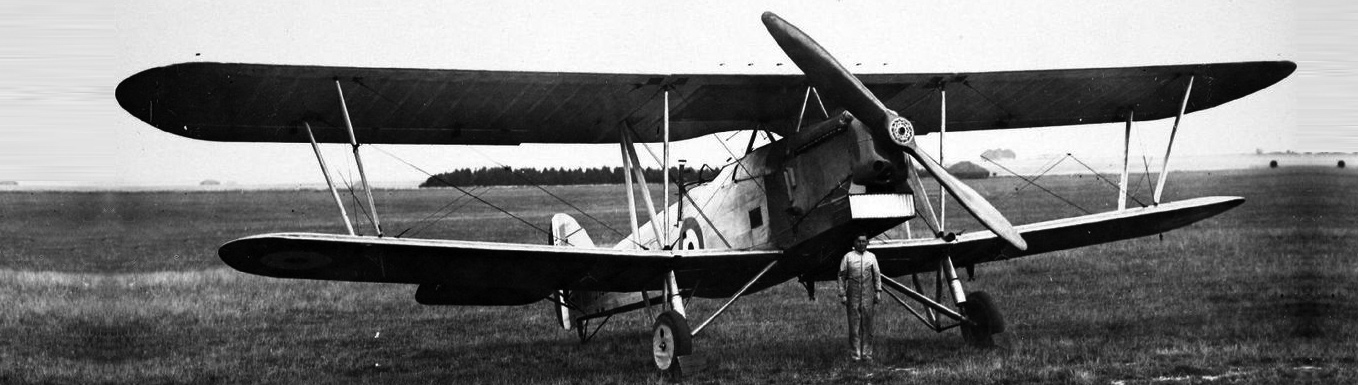
Official factory photo from 1925. The mechanic gives it scale. The Horsley was a large bord for sure, on the scale of the contemporary Blackburn Ripon of the FAA.
The Air Ministry signed a contract with Hawker Engineering for the production of forty aircraft, with a portion called the Mark I, that was all-wooden Horsley Mk.Is. It was notably to test if strategic materials could be spared. But the remainder were Horsley Mk.IIs which exhibited mixed wood-and-metal structure meeting also the requirements of the new, revised Specification 22/25. The first ten were scheduled for delivery in 1926, the rest by the end of the next year in 1927. From then on, Hawker was ensured of a contracted production of c80 Mark II, but the company proposed, as the production went on to replace the last wooden elements by medtal ones, making a third "variant" in all-metal contruction. Some authors called it the Mark III but it never was official. Wether or mixed construction or all-metal, the bulk of the 124 made were Mark IIs. The few Mark I made went to pilot schools and the two prototypes were kept for testing.
Design specifics
General Layout
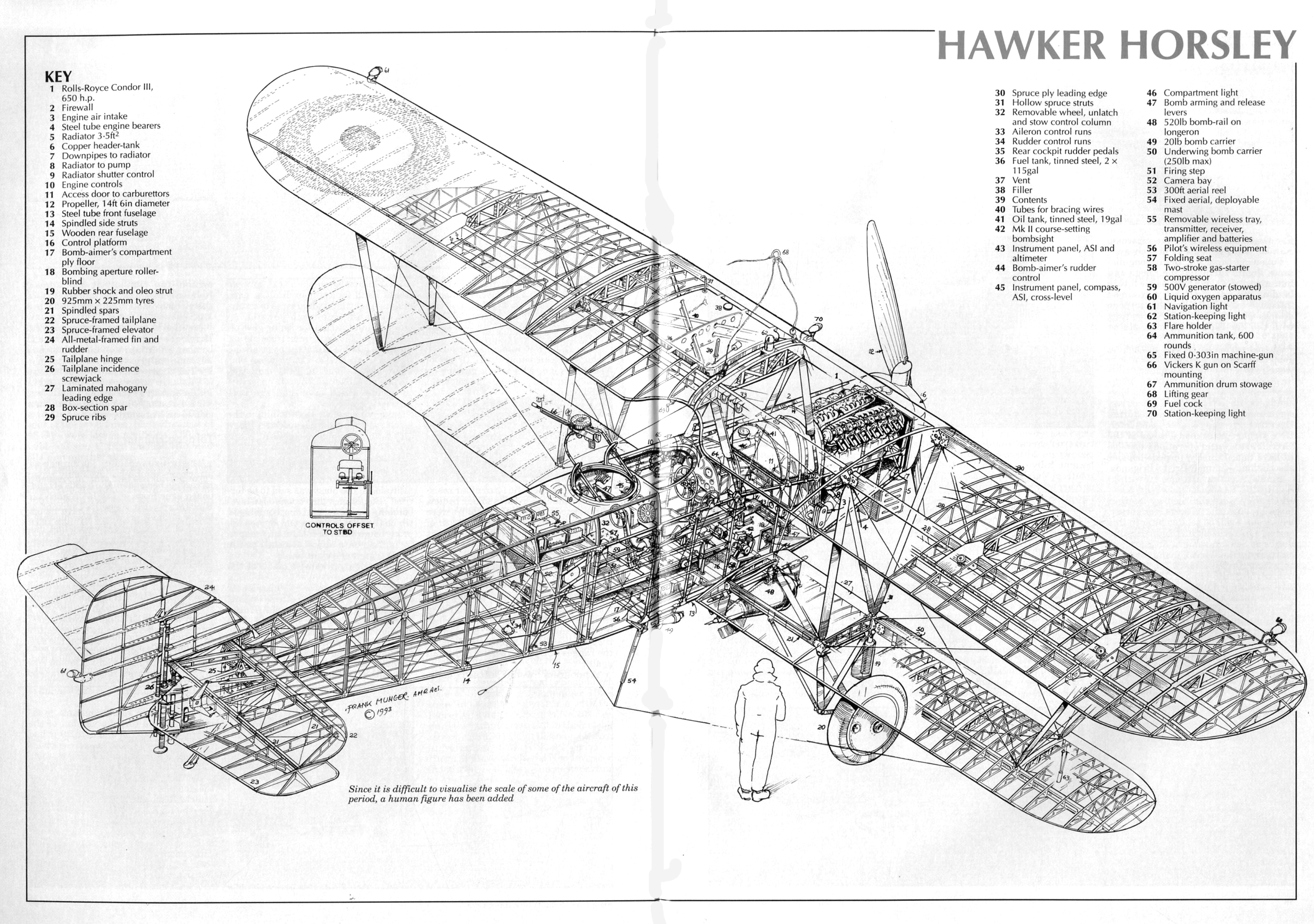
The Horsley was a large single-engined two-bay biplane with a crew of two, pilot and gunner/bomb-aimer/radio operator seated behind, facing aft, in a ring with a flexible mount for a .303 in (7.7 mm) Lewis gun. This Scarff ring in the rear cockpit was fitted with a stopper to avoid firing directly astern and damage the tail. He also had a lower position with a scope in the belly, a prone position for bomb aiming. The rear cockpit was also fitted with dual controls in case the pilot died: The observer had a repeat of the dahsboard (simplified) and could face forard and take over piloting, managing to land.The Hawker Horsley was a massive biplane which was large for a reason: It was designed from the start to carry a torpedo, meaning about 800-1000 kgs at least. But the payload could also comprised
The structure was originally all wood as said above, apart the egine cowling and some of its chassis frame, but before production was complete, it became mixed and soon, all-metal. The Horsley thus became with its radical structure the first in the company to be so, and introduced the famous Hawker system of mixed metal construction. For some sources indeed, these three methods of construction were designated Mk I (all-wooden), Mk II for the mixed material, and still unofficially Mark III for the all-metal. There were also trials from the start to fit these with floats. Since it was capable of carrying a torpedo, Hawker wanted the option of presenting it to the fleet air arm.
Engine & Performances
Production aircraft were powered by the Condor IIIA, but the Horsley was also much used as a flying testbed for other engines (see below). The Rolls Royce Condor III was a large, water-cooled 12-cylinder V-type piston aero engine that produced 650 horsepower. Arthur Rowledge developed the original Condor engine at the end of World War I in 1918 for long-range heavy bombers intended to bomb Berlin. The Condor III was a later refinement that featured revised connecting rods to improve reliability and performance at high power ratings. These engines were famously used in large aviation projects of the 1920s, including engine cars for the British R100 rigid airship. An example of this engine is preserved and displayed at the Rolls-Royce Heritage Trust in Derby. The Condor IIIa was developed in 1923–1927 and could develop up to 670 hp thanks to a greater compression ratio of 6.5:1 because of re-designed connecting rods. Some 196 were built at Derby.Type: 12-cylinder, 60-degree V-type, reciprocating piston engine.
Cooling System: Water-cooled.
Power Output: 650 horsepower (485–503 kW).
Displacement: 35 liters (2,138 cubic inches).
This Condor III engine gave the Horsley a top speed of 129 mph (208 km/h) at sea level in standard Horsley and 125 mph (201 km/h) at 6,000 ft. Its cruising Speed was 120 mph (193 km/h) and service Ceiling of 14,000 ft (4,267 m). For range & endurance it could cross from900 to 1,302 miles depending on the load and fuel configuration, with an approximate endurance of ten hours. On May 1927, one modified Horsley Sir Roderick Carr long-distance non-stop flight from Cranwell to the Persian Gulf to establish a new record. It was converted by having extra fuel tanks.
Armament
The Horsley was armed with a forward firing .303 in (7.7 mm) Vickers LMG, rear .303 in (7.7 mm) Lewis, 1,500 lb (680 kg) bomb/torpedo). It could precisely carry two 550 lb (250 kg) bombs, one 1,500 lb (680 kg) bomb. For what were are interested in of course, the naval air torpedo weighing 2,800 lb (1,300 kg) was its best asset when used from coastal bases by the RAF in anti-ship roles. The torpedo was likely the Mark VII which was in stock since 1914 in large numbers. The Mark VIII was powered by a wet-heater, weight ing 3,828 lbs. (1,736 kg) with a 320 lbs. (145 kg) TNT warhead, and capable of 2,500 yards (2,300 m) at 35 knots or 4,000 yards (3,650 m) at 29 knots.But from 1936, the last likely tested the brand new 18" (45 cm) Mark XI. Designed about 1934, but in service from 1936, this 1,500 lbs. (680 kg) model had a 465 lbs. (211 kg) TNT warehad for 1,500 yards (1,370 m) at 40 knots or 4,000 yards (3,660 m) at 24-25 knots using a burner-cycle engine. it was specified to be able to be dropped from 30-100 feet (9 - 30 m) at 150 knots, keep above 60 feet (18 m) or recover to the desired depth after 400 yards (360 m).

Specifications Mark I | |
| Crew: | 1 Pilot, 1 MG gunner |
| Lenght: | 38 ft 10 in (11.84 m) |
| Wingspan: | 56 ft 5+3⁄4 in (17.21 m) |
| Height: | 13 ft 8 in (4.17 m) |
| Wing Area: | 693 sq ft (64.4 m2) |
| Weight, Empty: | 4,760 lb (2,159 kg) (4,958 lb (2,249 kg) for torpedo bomber) |
| Gross weight: | 7,800 lb (3,538 kg) (9,270 lb (4,200 kg) for torpedo bomber) |
| Propulsion: | Rolls-Royce Condor IIIA water-cooled V12 engine, 665 hp (496 kW) |
| Propeller: | 2-bladed Watts wooden propeller, 14 ft 6 in (4.42 m) diameter |
| Performances: |
|
| Armament | Fwd .303 in (7.7 mm) Vickers LMG, rear .303 in (7.7 mm) Lewis, 1,500 lb (680 kg) bomb/torpedo |
Service
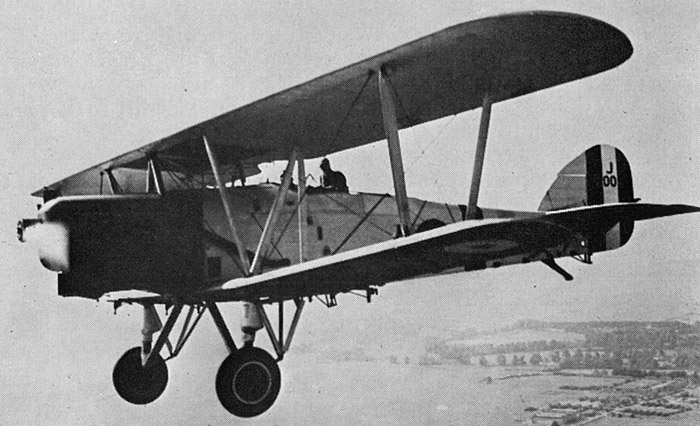
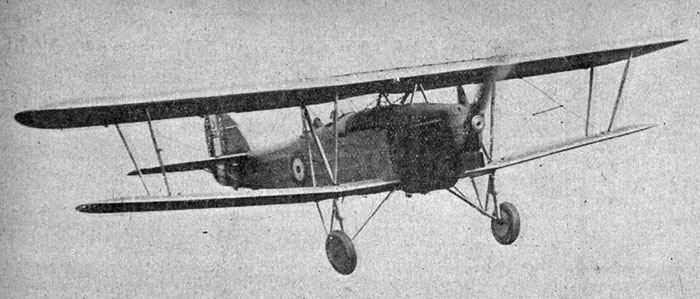
The first of the production models (S1236) was delivered to the Martlesham Heath testing center in July 1928 and a month later, two more entered service with the Coastal Defence Torpedo Flight, based at Donibristle. Between 1931 and 1933, a few Horsleys were also used as target tugs for the air defence. They remained in service until 1934. A full squadron of them was based in Singapore until 1935. The first aircraft arrived at No 100 (Bomber) Squadron of the RAF at Donibristle in Fife from September 1927 as seen above, and two more squadrons, No. 15 and No. 11 also received the Horsley II by the end of the year. They replacing the Fairey Fawn there. The Horsleys proved greatly superior to it, notabky by carrying up to three times its payload over greater ranges and at higher speeds. Amazingly they remained agile for their size. So much so they were bery much appreciated by their pilots.
The October 1928 No. 36 Squadron of Donibristle in Scotland was trained as a torpedo-bomber squadron intended to roam the North Sea and torpedo any naval incursion. But the conditions of the North Seaz were rought, and it was eventually transferred to Singapore in 1930. There, the Horsleys were used with small bombs to suppress a rebellion in Burma. Outside this, they becalme a primary deterrent against the Japanese, and the pilots honed there their torpedo bombing skills by day. The 100. Squadron was also converted to the torpedo bombing role in 1930 to fill a gap in home-based defences. They were retired around 1936.
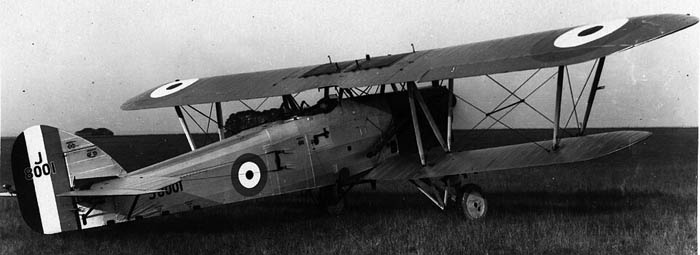
The Horsley was chosen for a non-stop flight to India. The model used was heavily modified carrying extra fuel tanks wherever it wa spossible. It took off at a record weight of over 14,000 lb (6,350 kg) for a single-engine biplane, from RAF Cranwell on 20 May 1927. It was flown by Flight Lieutenants Roderick Carr and L.E.M Gillman. However it cinsumed more than expected, notably due to it fighting contrary winds. Eventually it ran out of fuel en route, and ditched in the Persian Gulf near Bandar Abbas in Iran after still covering 3,420 mi (5,500 km), setting a new world distance record... before it was beaten by the Transatlantic legendary flight of Charles Lindbergh, in solo between New York and Paris in the Spirit of St. Louis, at 3,590 mi (5,780 km)).
The Horsleys were exclusively used for the day-bombing and day torpedoing role until 1934. At that date, 504 Squadron swapped its Horsleys for the new Westland Wallace, at RAF Hucknall. The process started already from March 1934. No 36 Squadron at Singapore however retained its Horsely in the Torpedo bomber role until July 1935. The last might be still used for training in 1936. Between 1926 and 1937, some Horsley were used to test engine given their considerable flight endurance: They tested the A.S. Condor IIIA, used for production, but also the Napier Lion, Rolls-Royce Buzzard, Rolls-Royce Eagle, Armstrong Siddeley Leopard, even the Junkers Jumo diesel engine and even the first version of the Rolls-Royce Merlin. Indeed the very last Horsley fling was a testbed for the later variant of the Rolls Royce Merlin. It made its final flight at RAE Farnborough on 7 March 1938 ands this contributed greatly to imrpving the Hawker Hurricane Mark I. In total with 124 Horsleys built, including six for the Hellenic Naval Air Service and the two related Dantorps for Denmark, this made for a largely forgotten model today.
Hawker Dantorp
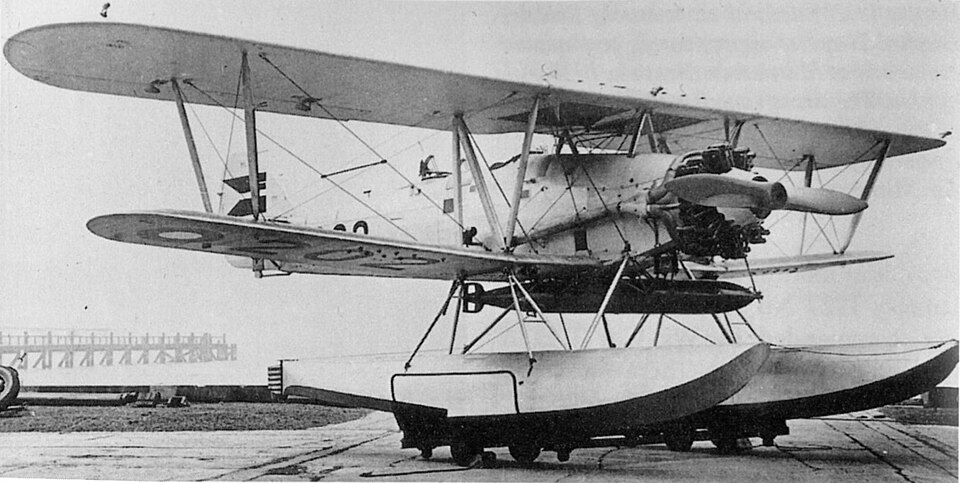
Two Hawker Dantorp was a very rare (only a couple made) of floatplanes, the only ones derived from the mixed construction Mark II. It resulted from a failed attempt to answer an Air Ministry Specification, as anticipated, for the Royal Navy as catapulted floarplane for reconnaissance and attack. But eventually the Danish Navy was interested and purchased the model on paper. They however asked it to be re-motorized with an Armtsrong Siddeley Leopard II engine before being sold to the Danish Government. This radial engine indeed was already known and used by the Danes on other models, allowing to streamlkined procurement, repair and maintenance. The Dantorp also had a slightly different fuselage for a third crew member. A licence was purchased to build a further ten at the Danish Naval Workshops (Orlogsvaerftet) for the Marinens Flyvevæsen but this went nowhere due to budget restrictions.

The first Dantorp, serial 201, was first flown on 19 September 1932, but with a wheeled undercarriage. The second, 202, followed shortly with floats, tested in November 1932. Both were flown extensively from 1933, making reconnaissance missions, launched from the shore (the Danes had no catapult ship). Only by 1935 they started to be tested to launch aerilal torpedoes. This brought good results and added another layer to their capabilities. At last they were tested on catapults for operations off warships as the Danes also worked on the possibility of having a new pair of coastal battleships with one for gunnery spotting. However, these trials did not lead to a larger adoption as its structure proved too frail for this. Danish Dantorps continued fly until 1940. However their fate is unknown.
Variants & Operators
Total production of the aircraft exceeded 124 units across all variants including prototypes. Six Mk.II were also built and exported for the Greek naval air arm, part of the Royal Hellenic Navy, still around in 1940 but for secondary roles like reconnaissance when the Italian invasion started. There were also the two 3-seater floatplane torpedo variants called the Dantorp made for the Danes (with a 800 hp Armstrong Siddeley Leopard II) that were sitll active in 1940 during the invasion. Plans for the licensed production went nowhere. Denmark: Marinens Flyvevæsen, two Dantorp floatplanes were built for Denmark.
 Greece: Hellenic Air Force and Naval Air Service. Royal Air Force only: No. 11, 15, 25, 33, 36, 100, 504 Squadrons RAF.
No. 1 Flying Training School RAF, RAF College Cranwell and AA cooperation Flight.
Gallery
Author's illustrations: Types and liveries
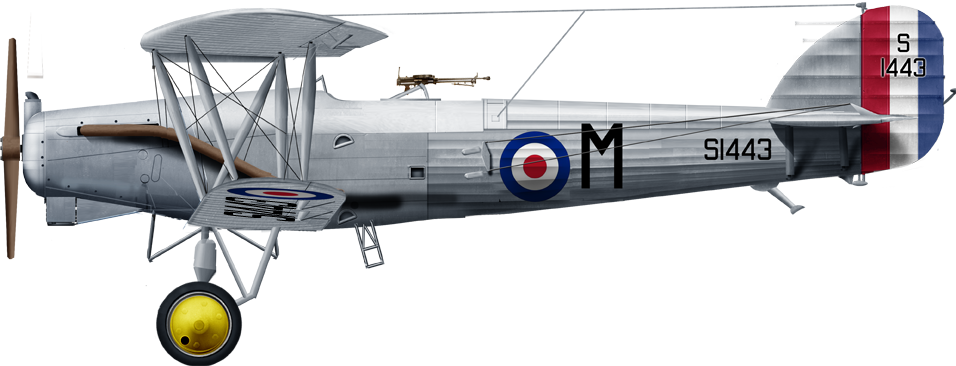
Horsley Mark I, S1443, 1928
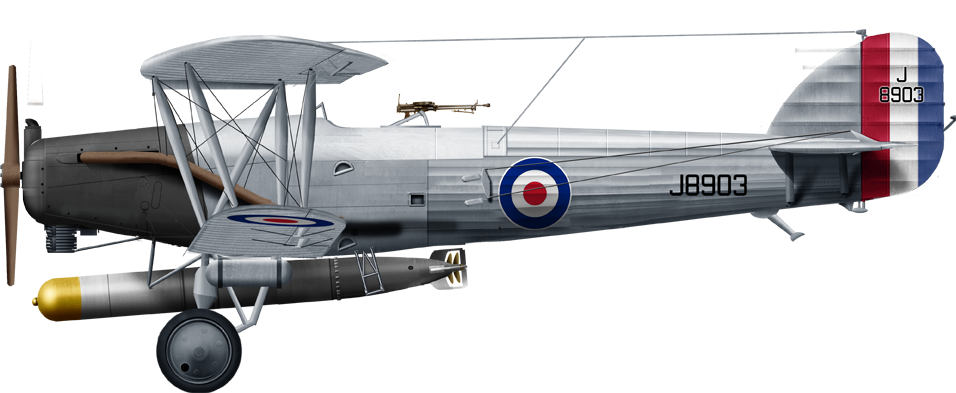
Horsley Mark II, unknown unit J8903, 1930s, carrying a Mark XI torpedo
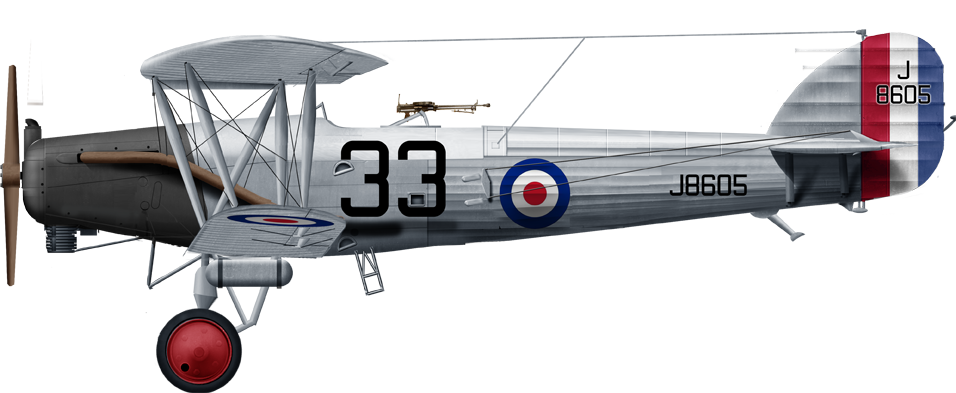
Horsley Mark II, J8605, 1930s
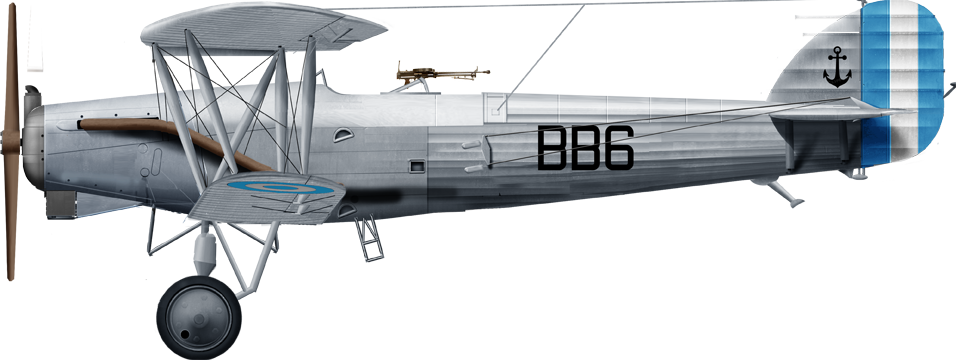
Horsley II of the Royal Hellenic Navy, 1940.
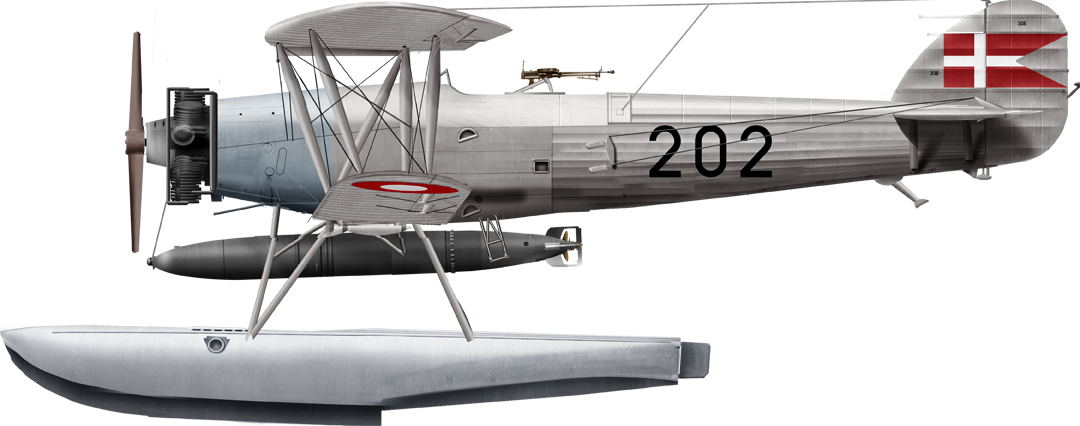
Danish Navy hawker Dantorp with Torpedo (likely ancient Mark VI model), 1940
Additional photos
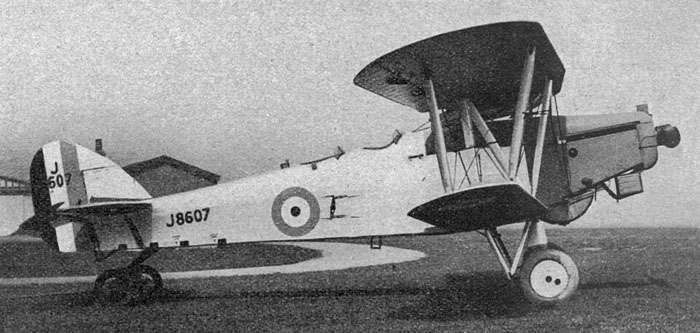
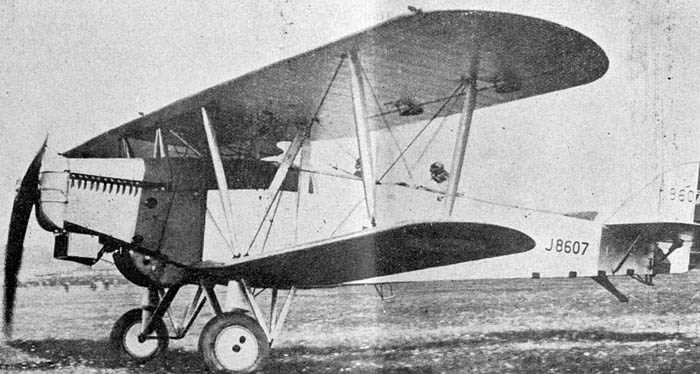

Links and resources
Jarrett, Philip (October 1993). "By Day and By Night: Hawker Horsley part 1, 2". Aeroplane Monthly. Vol. 21Mason, Francis K. (1991). Hawker Aircraft since 1920 (Third ed.). London: Putnam.
Mason, Francis K. (1994). The British Bomber since 1914. London: Putnam.
Thomas, Andrew. "In the Footsteps of Daedulus: Early Greek Naval Aviation". Air Enthusiast, No. 94 2001
airliners.net
alchetron.com
avia-museum.narod.ru
helaf.wordpress.com
key.aero
haf.gr
avionslegendaires.net
en.wikipedia.org
dantorp wiki
airwar.ru
aviadejavu.ru
navweaps.com The Greek Horsley
jaapteeuwen.com/
Video
Model Kits
On scalemates- Lohner E (1913)
- Macchi M3 (1916)
- Macchi M5 (1917)
- Macchi M7 (1918)
- Ansaldo ISVA (1918)
- Short S.38 (1912)
- Sopwith Baby (1916)
- Short 184 (1916)
- Fairey Campania (1917)
- Sopwith Cuckoo (1917)
- Felixstowe F.2 (1917)
- Gotha WD.2 (1914)
- Friedrichshafen FF 33 (1916)
- Albatros W4 (1916)
- Albatros W8 (1918)
- Hanriot HD.2
- Grigorovich M5 (1915)
- Grigorovich M9 (1916)
- Grigorovich M11 (1917)
- IJN Farman MF.7
- IJN Yokosho Type Mo
- Yokosho Rogou Kougata (1917)
- Yokosuka Igo-Ko (1920)
- Curtiss N9 (1916)
- Curtiss H4 (1916)
- Curtiss H12 (1917)
- Curtiss H16 (1918)
- Aeromarine 39
- Vought VE-7
- Douglas DT (1921)
- NAF/Curtiss TS-1 (1922)
- Boeing FB.5 (1923)
- Boeing F4B (1928)
- Vought O2U/O3U Corsair (1928)
- Grumman FF (1931)
- Akron class airships (1931)
- Curtiss F9C Sparrowhawk (1931)
- Curtiss F11C Goshawk (1932)
- Curtiss BF2C Goshawk (1933)
- Blackburn Blackburn (1922)
- Supermarine Seagull (1922)
- Fairey Flycatcher (1923)
- Hawker Horsley (1925)
- Blackburn Ripon (1926)
- Fairey IIIF (1927)
- Fairey Seal (1930)
- LGL-32 C.1 (1927)
- Fokker T.II (1921)
- Fokker T.III (1923)
- Caspar U1 (1921)
- Dornier Do J Wal (1922)
- Rohrbach R-III (1924)
- Mitsubishi 1MF (1923)
- Mitsubishi B1M (1923)
- Yokosuka E1Y (1923)
- Nakajima A1N (1927)
- Nakajima E2N (1927)
- Mitsubishi B2M (1929)
- Nakajima A2N (1930)
- Nakajima A4N (1935)
- CANT 18
WW1
✠ K.u.K. Seefliegerkorps:
 Italian Naval Aviation
 RNAS
RNAS
 Marineflieger
 French Naval Aviation
 Russian Naval Aviation
 IJN Air Service
 USA
USA
Interwar
 Interwar US
Interwar Britain
 Interwar France
 Interwar Netherlands
 Interwar Germany
 Interwar Japan
 Interwar Italy
- Grumman F2F (1933)
- Curtiss SOC seagull (1934)
- Grumman F3F (1935)
- Northrop BT-1 (1935)
- Consolidated PBY Catalina (1935)
- Grumman J2F Duck (1936)
- Brewster/NAF SBN-1 (1936)
- Curtiss SBC Helldiver (1936)
- Vought SB2U Vindicator (1936)
- Brewster F2A Buffalo (1937)
- Douglas TBD Devastator (1937)
- Vought Kingfisher (1938)
- Curtiss SO3C Seamew (1939)
- K-class Blimps (1939)
- Douglas SBD Dauntless (1939)
- Grumman F4F Wildcat (1940)
- F4U Corsair (NE) (1940)
- Brewster SB2A Buccaneer (1941)
- Grumman TBF/TBM Avenger (1941)
- Consolidated TBY Sea Wolf (1941)
- Grumman F6F Hellcat (1942)
- Curtiss SB2C Helldiver (1942)
- Curtiss SC Seahawk (1944)
- Grumman F7F Tigercat (1944)
- Grumman F8F Bearcat (1944)
- Ryan FR-1 Fireball (1944)
- Douglas AD-1 Skyraider (1945)
- Fleet Air Arm
- Hawker Osprey (1932)
- Fairey Swordfish (1934)
- Blackburn Shark (1934)
- Supermarine Walrus (1936)
- Fairey Seafox (1936)
- Blackburn Skua (1937)
- Short Sunderland (1937)
- Blackburn Roc (1938)
- Fairey Albacore (1940)
- Fairey Fulmar (1940)
- Grumman Martlet (1941)
- Hawker sea Hurricane (1941)
- Brewster Bermuda (1942)
- Fairey Barracuda (1943)
- Fairey Firefly (1943)
- Grumman Tarpon (1943)
- Grumman Gannet (1943)
- Supermarine seafire (1943)
- Blackburn Firebrand (1944)
- Hawker Sea Fury (1944)
- Coastal Command
- Vickers Wellington (1937)
- IJN aviation
- Yokosuka E6Y (1930)
- Aichi D1A "Susie" (1934)
- Mitsubishi A5M "Claude" (1935)
- Nakajima A4N (1935)
- Yokosuka B4Y "Jean" (1935)
- Mitsubishi G3M "Nell" (1935)
- Nakajima E8N "Dave" (1935)
- Kawanishi E7K "Alf" (1935)
- Nakajima B5N "Kate" (1937)
- Kawanishi H6K "Mavis" (1938)
- Aichi D3A "Val" (1940)
- Mitsubishi G4M "Betty" (1940)
- Mitsubishi A6M "zeke" (1940)
- Nakajima E14Y "Glen" (1941)
- Nakajima B6N "Jill" (1941)
- Mitsubishi F1M "pete" (1941)
- Aichi E13A Reisu "Jake" (1941)
- Kawanishi E15K Shiun "Norm" (1941)
- Nakajima C6N Saiun "Myrt" (1942)
- Yokosuka D4Y "Judy" (1942)
- Kyushu Q1W Tokai "Lorna" (1944)
 Luftwaffe
- Heinkel 114 (1935)
- Arado 196 (1937)
- Me109 T (1938)
- Blohm & Voss 138 Seedrache (1940)
 Italian Aviation
- Savoia-Marchetti S.55
- IMAM Ro.43/44
- CANT Z.501 Gabbiano
- CANT Z.506 Airone
- CANT Z.508
- CANT Z.511
- CANT Z.515
 French Aeronavale
- GL.300 (1926-39)
- CAMS 37 (1926)
- Levasseur PL.5 (1927)
- Potez 452 (1935)
- Loire 210 (1936)
- Loire 130 (1937)
- LN 401 (1938)
 Soviet Naval Aviation
- Shavrov SH-2 (1928)
- Tupolev TB-1P (1931)
- Beriev MBR-2 (1930)
- Tupolev MR-6 (1933)
- Tupolev MTB-1 (1934)
- Beriev Be-2 (1936)
- Polikarpov I16 naval (1936)
- Tupolev MTB-2 (1937)
- Ilyushine DB-3T/TP (1937)
- Beriev Be-4 (1940)
 Swedish Naval Aviation
- SAAB B17S
-
 Skoda Š-328V
  R-XIII Idro
 Fokker C.XI W (1934)
 Rogožarski PVT-H (1938)
WW2
 ☍ USNA
- De Havilland Sea Vixen
- Hawker Sea Hawk
- Supermarine Scimitar
- Blackburn Buccaneer
- Hawker Sea Harrier
- Douglas A4 Skyhawk
- Grumman F9F Panther
- Vought F8 Crusader
- McDonnell-Douglas F-4 Phantom-II
- North Am. A5 Vigilante
- TU-142
- Yak 38 forger
☢ Cold War
✧ NATO
Fleet Air Arm
 US Navy
☭ Warsaw Pact
Merch
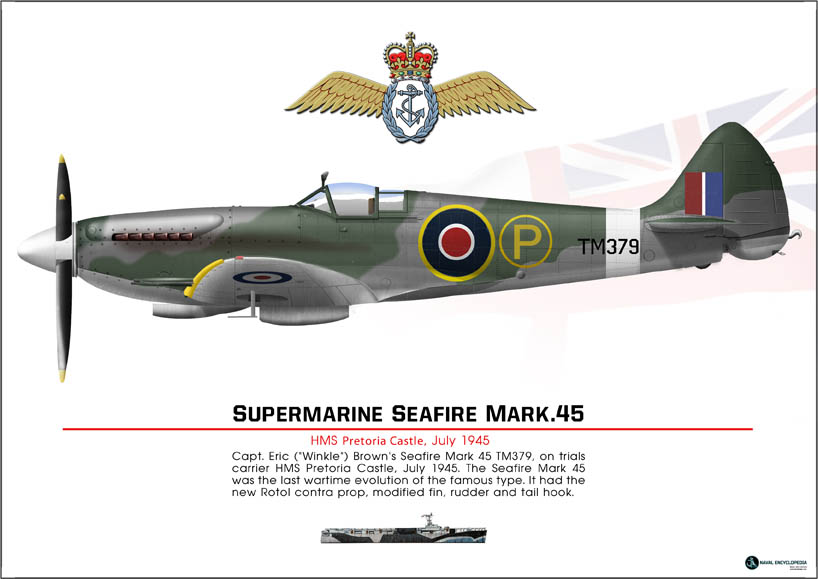
Seafire Mark 45; HMS Pretoria Castle
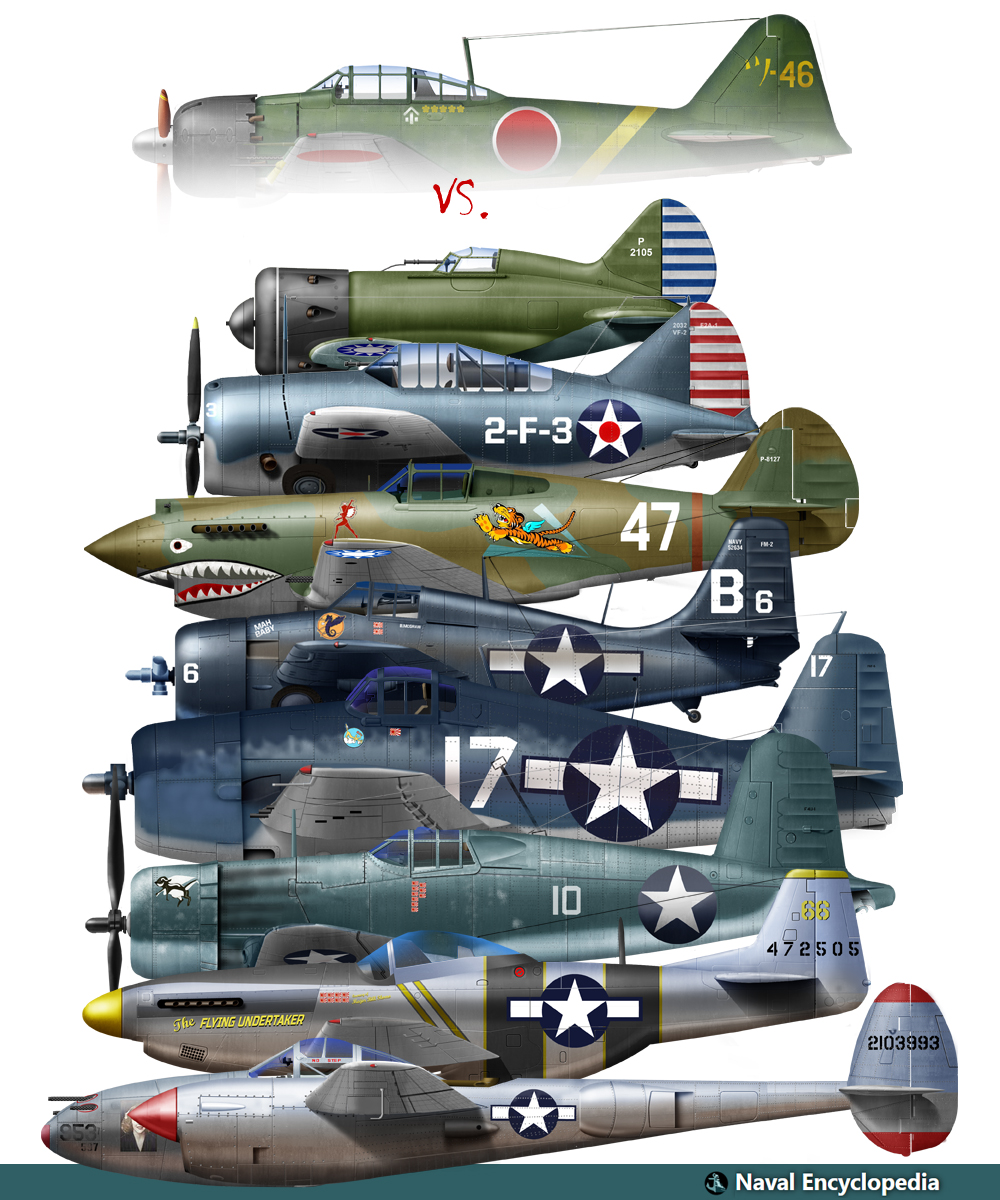
Zeros vs its aversaries
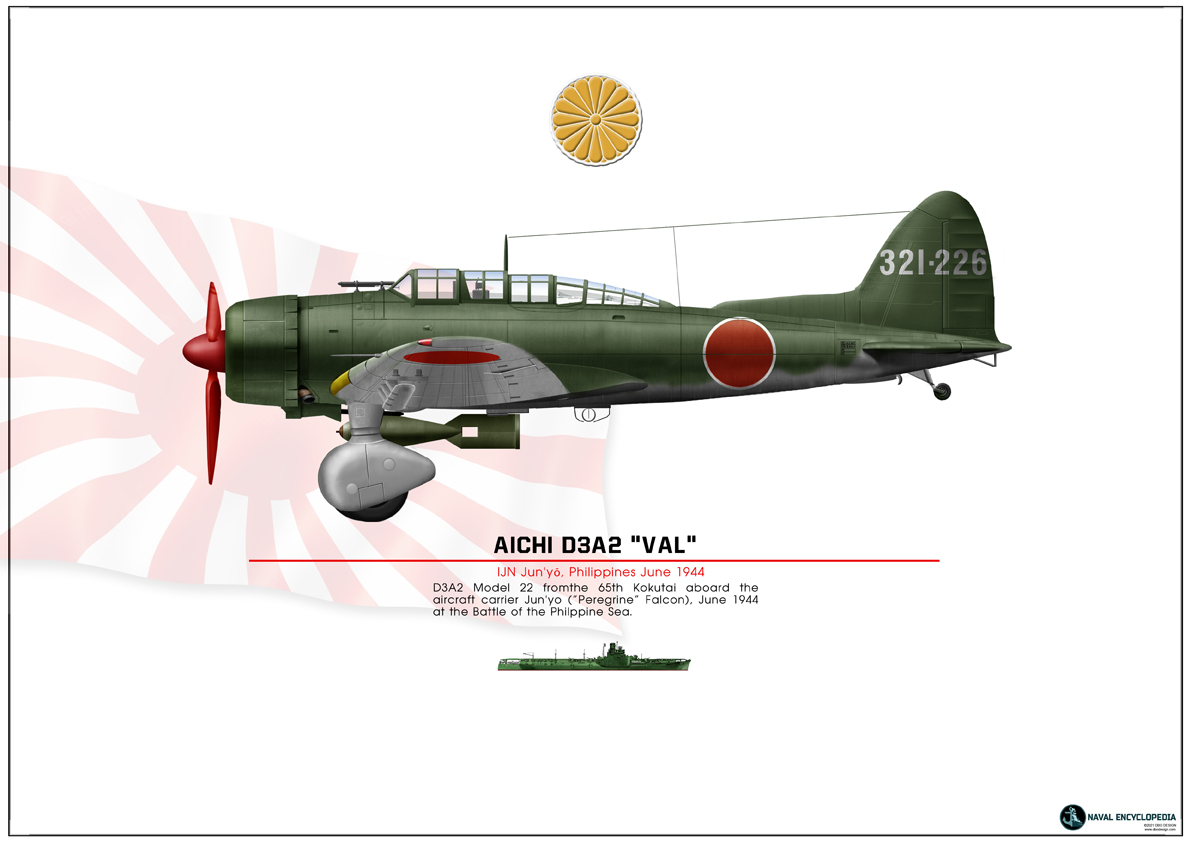
Aichi D3A “Val” Junyo
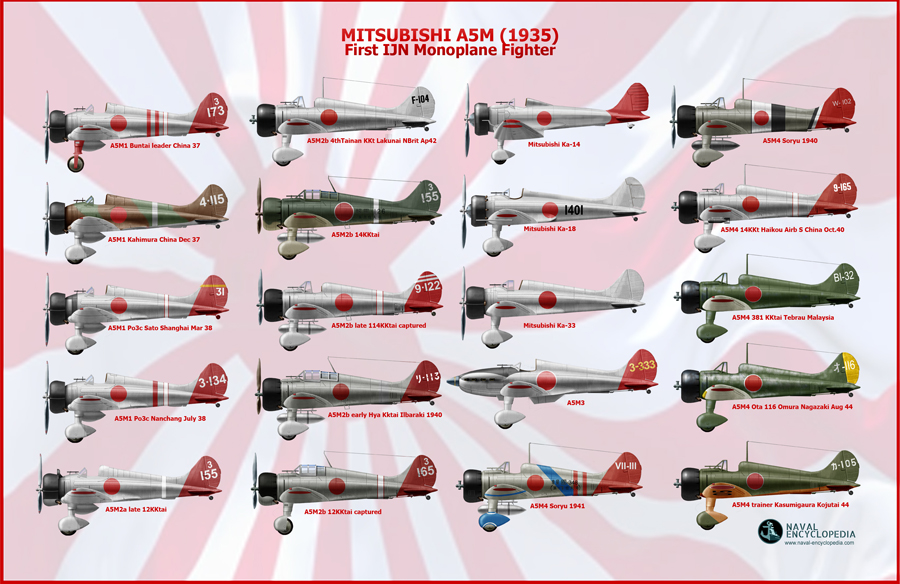
Mitsubishi A5M poster
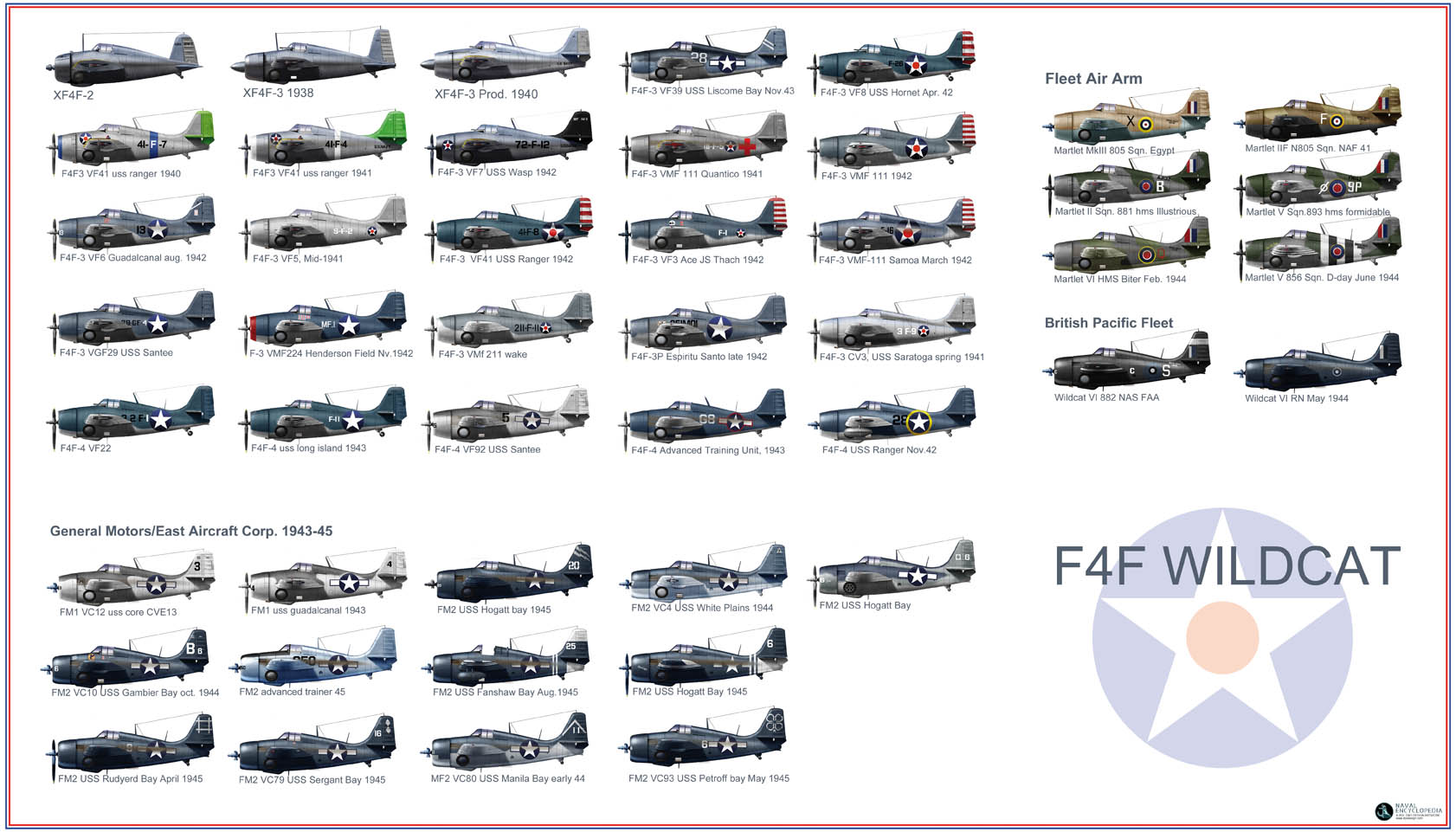
F4F wildcat
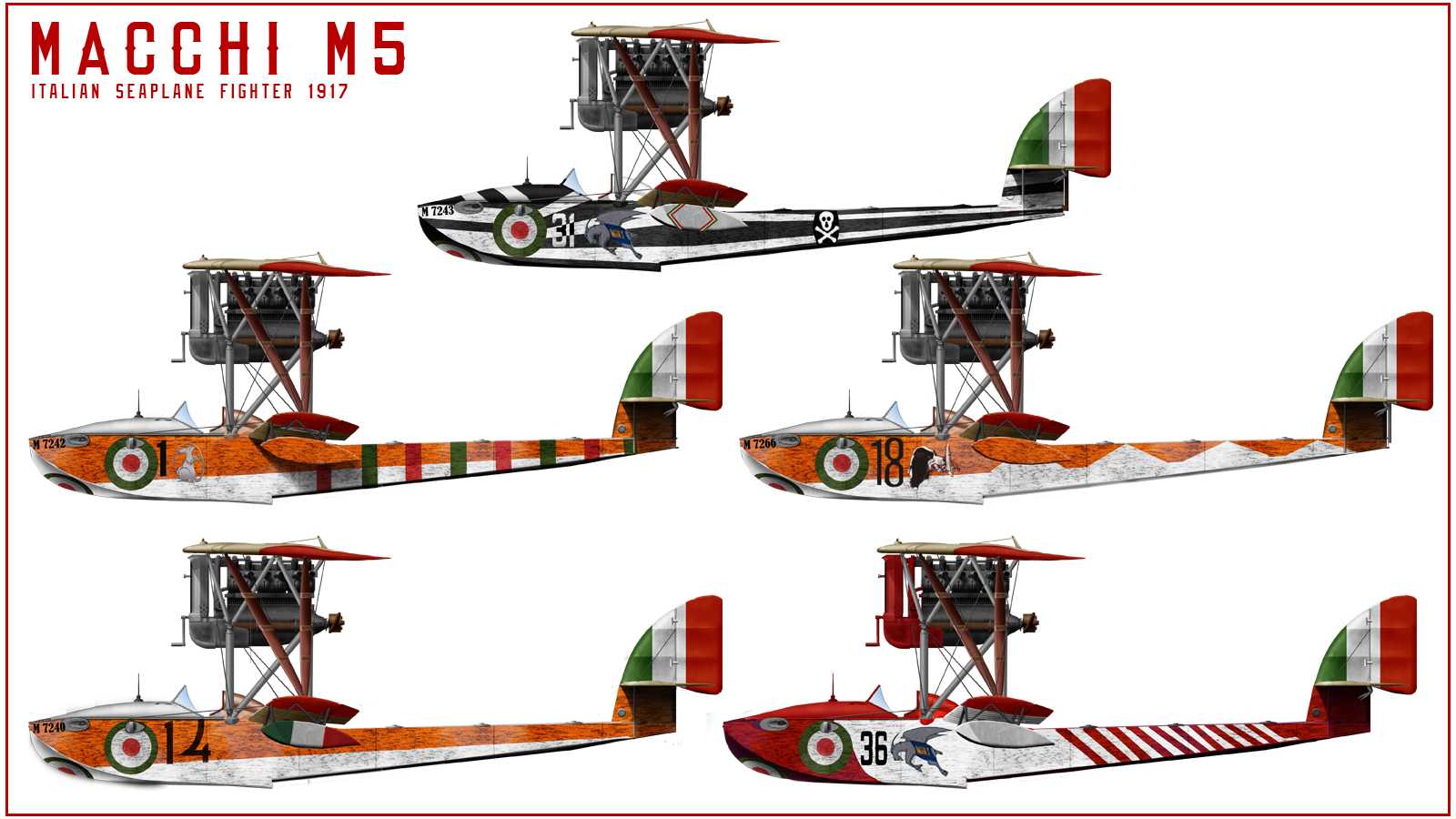
Macchi M5
SBD Dauntless Coral Sea
SBD Dauntless USS Enterprise
SBD-4 CV22