Blackburn Blackburn (1922)
 FAA 1923-31: 62 built.
Design development
The Blackburn Blackburn was a reconnaissance and gunnery fire control aircraft that served with the Fleet Air Arm from the mid 1920s to the early 1930s, and was a generally successful design despite being a rather ugly aircraft. It was developed in response to Specification 3/21. It was calling for a deck landing biplane usable both for reconnaissance and gunnery spotting. The Blackburn was designed by Major F. A. Bumpus, which to gain time and money decided to integrate in the design as many components and parts from the Blackburn Dart torpedo bomber. Both also share the two bay biplane mainplanes, tail unit, control surfaces, all borrowed from the Dart. Only the rudder was newly built. The central fuselage was structures by a lattice of steel tubes, and its joints were all machined down from a solid block of metal for extra rigidity instead of traditional plate bending. They were structurally stronger, which allowed a thinner section. The rear fuselage was of semi-monocoque construction.The three prototypes were in fact built alongside the first production Darts in 1922. The first prototype was numbered N150. It was tested at Brough. There, Robert Blackburn, the founder, was given his baptism flight. Next it was sent to the Aeroplane and Armament Experimental Establishment at Martleshem for state trials. Handling tests were completed on 12 August 1922 successfully, and on the 19th, the prototype was sent to Gosport, and start its first deck landing trials. The ship chosen was the carrier HMS Argus, and they syated on 23 August.
The second prototype, N151, also flew to Martlesham on 5 September 1922 and completed successfuly more performance tests. Its main issue however was an issue of fuel surging. It needed new undercarriage oleos to complete its trials on 20 January 1923. It was then sent back to Blackburn establishments at Brough, on 24 January. The undercarriage had been reported indeed as "draughty and uncomfortable" on the standpoint of the pilot. During these official trials, it was also tested with Dart rudder instead, as recommanded instead of the one newly designed. This was also for leaner spares. N151 then started in turn its deck trials on Argus (qualifications did not existed yet). It then departed Brough to Farnborough, on 19 September 1924, for a show.
The third prototype N152, underway from Brough to Martlesham was forced to land in a field at Lowestoft on 30 September 1922. The pilot more or less controlled the landing and it was photographed by a local. These photos ended in "The Aeroplane" review on 15 November 1922. N151 and N152 continued their tests to solve the fuel surge issue, which was fixed permanently by just pushing extra air pressure in the fuel tank before take-off. N152 however ended destroyed in a fire at the Martlesham hangar by October. Production was greenlighted in 1922 with the first delivered to Gosport in April 1923. Sent to Farnborough the Navy fitted ot with the intended short range radios to work as spotted.
At the time, the model was considered for its ungainly appearance but again, the design was fit for purpose and overly satisfactory. Lift notably was important despte the fuselage drag, and it could take off in just 60ft or 18 meters from a carrier deck, steaming into the wind, at full throttle and wheels released.
Design specifics
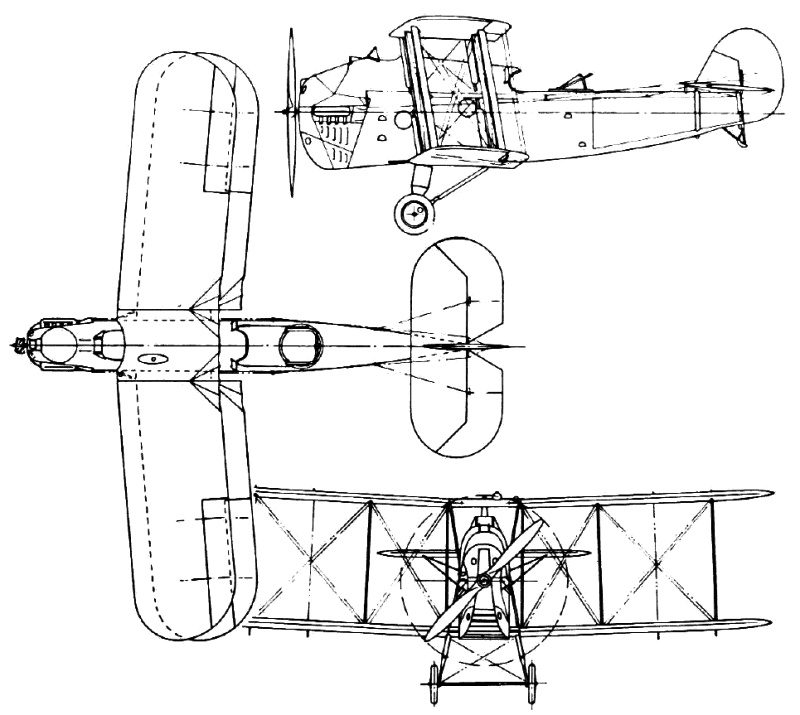
General Layout
The initial model was simply named the "Blackburn" after the company, and it had a 450hp Napier Lion IIB twelve cylinder water cooled engine. Blackburn made it a fully detachable power unit to replace it quickly or to fit any similar engine for upgrades or export. The engine bay had also the same construction as for the Dart. The shape of the fuselage was however brand new, and fit for purpose. It was designed to fit a crew of three. The pilot and rear gunner were at the usual place, but the observer had an optionally standing, courching or seating alternated positions, and could reach both the pilot and MG-gunner from the fuselage, made much taller than the Dart. This was provide him at least two lower glassed observation spots. This fuselage filled the entire gap between wings. Bumpus took the odea from the Swift IV from which derived the Dart, originally a ten seat civilian airliner. Not wide, this created a fish like, tall and narrow fuselage. The pilot basically was seated in a cutout in the upper wing.The engine cowling as a result sloped down steeply, giving the pilot a better view than any contemporary model of the time for carrier landings. The wireless-operator and observer, which doubled as navigator and the gunner was much lower down compared to the pilot, inside the fuselage. The wireless-operator that could act as rear gunner ast at the forward end with a folding table. The navigator and observer was towards the rear of the wing and benefited from an open section at the back of his position enabling the use of a sextant or range finder, taking pictures.
Engine
90 gallons of fuel, split between a main saddle tank under the centre section and two streamlined tanks on top of the upper wing. The prototype had a wheel-and-axle type undercarriage, with extra struts to provide more strength during carrier landings.Armament
The original prototype had an axially flexlibly mounted Lewis MG at the rear of the fuselage, and two Vickers gun fixed forward on the left and right side of the fuselage, both external, to be reached by the pilot.Production & variants Mk.I:
Blackburn R.1 or Mark I.
The first production model was modified with large portholes either sides to let light in as the interior was too dark for the operator to see the map or handle the radio. The three prototypes indeed were initially without. They were followed three production orders, at first twelve in 1922 from N9579 to N9590, and then six in 1923 numbered N9681 to N9686 and finnaly twelve in June 1924 numbered N9824 to N9835. N9581 was sent at Martlesham on 28 April 1923 for Navy acceptance trials lasting until 23 June and two days later it was showcased at Hendon, in a massive RAF Display of all models in service. These first production order planes had the Dart split undercarriage. Some believed this was to carry a torpedo, but none was ever tested that way. Indeed, the remaining Mk Is had the classic axle undercarriage.The Mark I measured 36ft 2in overall, for an height of 12ft 6inches and a generous wingspan of 45ft 6.5in. Its tare weight was 3,929lb (1.78 ton) and fully loaded it reached 5,962 ib (2.7 ton). It was powered by the inline Napier Lion IIB rated for 450 hp (350 KW) enabling a modest top speed of 122 mph (196 kph) at 3,000ft (914 m) or 112.5 mph (181 kph) at 10,000ft (3040 m). Its climb Rate was 690ft/min (210 m) at take off, and 566ft/min at 3,000 ft (914 m), then 224ft/ min at 10,000ft (3040 m). It was not an interceptor for sure. Its best trials altitude evered recorded was 13,450 ft (4100 m), reached in 49 minutes. Its normal service ceiling was 12,950 ft (3950 m). When moderating engine power, a savyy pilot could expect 4 hours and 15 minutes of autonomy if maintaining a top speed of 103.5mph.
Blackburn R1A or Mark II
Satisfactory in service, the "Blackburn bis" was ordered into a new variant, under Specification 11/23. They were placed between January 1925 and December 1926 for tweny nine in total, named Mk IIs, N9989-N9989 as well as S1046-S1057 and S1154-S1158. Its upper wing was raised by 22.5 inches (57 cm) to create a greater gap between the top of the fuselage and the wing and cure its habits of elevator blanketing. It was also powered by the new Napier Lion V rated for 465 hp (346 KW). Also, the structure was cleaned up, and the wing fuel tanks removed. It also had a new cross axle undercarriage. Like the Mark I it had a tail skid and a hook. Wingsspan remained identical at 45ft 6.5in and lenght remained at 36 ft 2in, but the total height reached now 14 ft 4.5in (4.3 meters), which was at the limit on inernal carrier hangars. Indeed on the HMS Firious for example it was 15 feet (4.6 m) tall, leaving just one foot or 30 cm. It was customary to leave them on deck to take off under a short notice.Specifications R2 | |
| Crew: | 3: Pilot, Observer/Radio, MG-gunner |
| Lenght: | 36 ft 2 in (11.02 m) |
| Wingspan: | 45 ft 6 in (13.87 m) |
| Height: | 12 ft 6 in (3.81 m) |
| Weight, Empty: | 3,929 lb (1,782 kg) |
| Gross weight: | 5,962 lb (2,704 kg) |
| Max takeoff weight: | 6,648 lb (3,015 kg) |
| Propulsion: | Napier Lion IIB W-12 water-cooled piston engine, 450 hp (340 kW) |
| Propeller: | 2 bladed, wooden fixed pitch |
| Performances: |
|
| Armament | 2 × .303 in (7.7 mm) Lewis guns |
Royal Navy service
-No.422 Fleet Spotter Flight was the first ti receive the new model in 1923, with HMS Eagle, Mediterranean Squadron; They were also deployed from Hal Far, Malta. These Mark Is remaining were sent back to Brough for a conversion to Mk II standard. In 1929, No.422 became No.450 Fleet Spotter Reconnaissance Flight. It was based on HMS Argus, China Station. It ended on HMS Courageous, Mediterranean Sqadron 1929-31.-No.420 Fleet Spotter Flight obtained the Mk II, replacing its Westland Walrus from 1926 at Gosport. These went to HMS Furious, Home Fleet 1926-28. In 1929, it became No. 449 Fleet Spotter Reconnaissance Flight, this time on HMS Courageous, Mediterranean Sqn. 1929-31. Their last large deployment were exercises off the Isle of Wight in September 1930.
From 1931 and until 1933 all Mark IIs were replaced by the Fairey IIIF as far as the fleet was concerned. They were declared obsolete in March 1933. Before than, the FAA asked Blackburn to converted some Mark II and Mark I into dual control deck landing trainers. They were based at the No.1 Flying Training School, Leuchars. Changes were a wider pilot’s cockpit for an instructor and pupil side by side. The wider fuselage had an impact on performances however. There were also two Mk Is converted as twin-float Floatplanes, and trials cancelled the idea despirte good in-flight performances. The company started work to replace the model already in 1923 with the next Blackburn Airedale, with a similar central fuselage, same layout but a new monoplane wing. Two prototypes were delivered and tested but never entered production. Perhaps the odd wing combined with the odd fuselage was to much ?...
Links and resources
Jackson, A. J. (1968). Blackburn Aircraft since 1909. London: Putnam.Thetford, Owen (1978). Aircraft of the Royal Navy since 1912 (4th ed.).
The Illustrated Encyclopedia of Aircraft (part work 1982–1985). London: Orbis.
historyofwar.org
aviastar.org
militarymatters.online/
1000aircraftphotos.com
en.wikipedia.org
britmodeller.com/
west-dunbarton.gov.uk
reddit.com
destinationsjourney.com
The model corner
Full list (limited as the model was not popular) on scalemates: Aircraft In Miniature Ltd and Contrail only.A scratch 1/32 Mark I (no manufactured model exist)
Gallery
Author's illustrations: Types and liveries
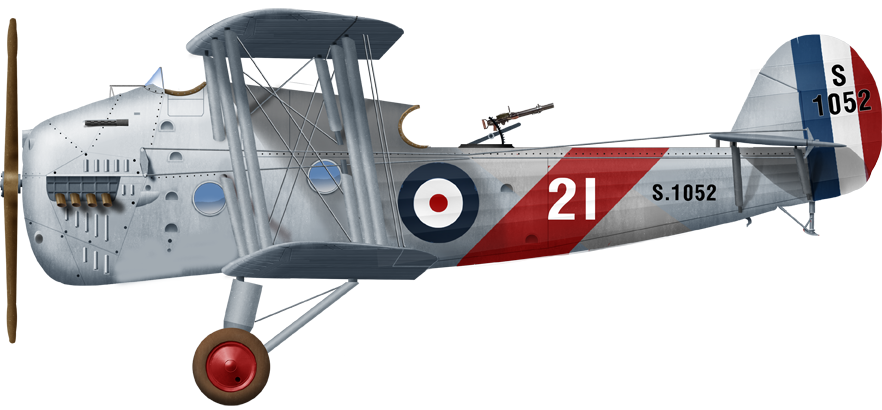
Mark II Flight 449 HMS Furious 1929
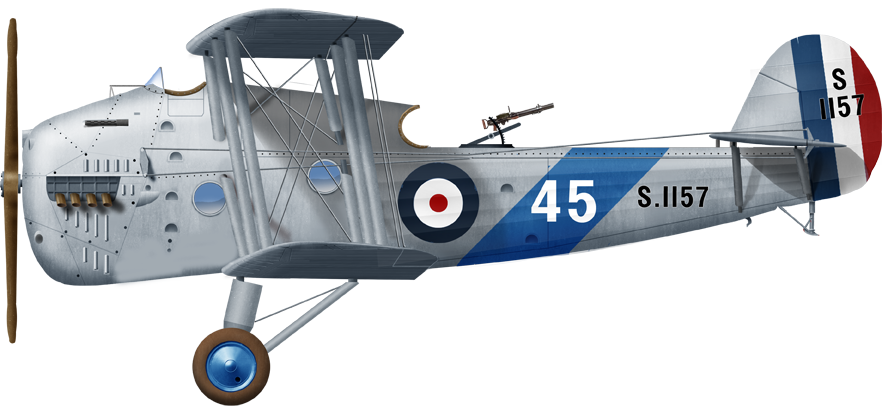
Mark II Flight 449 HMS Courageous 1930
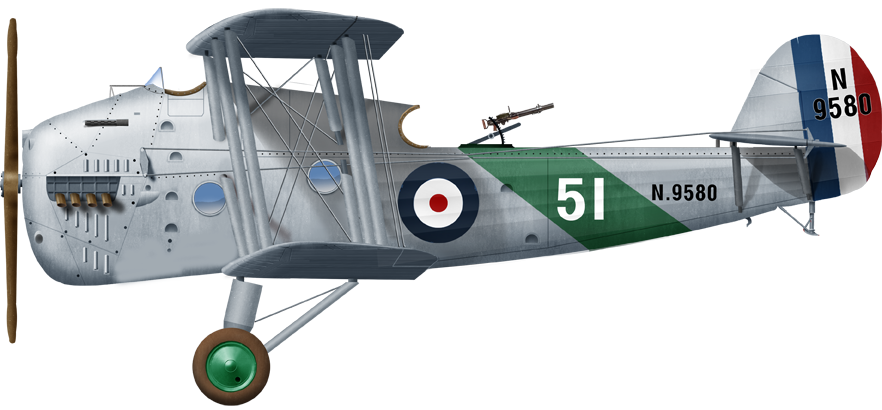
Mark II Flight 450 HMS Argus 1931
Additional photos
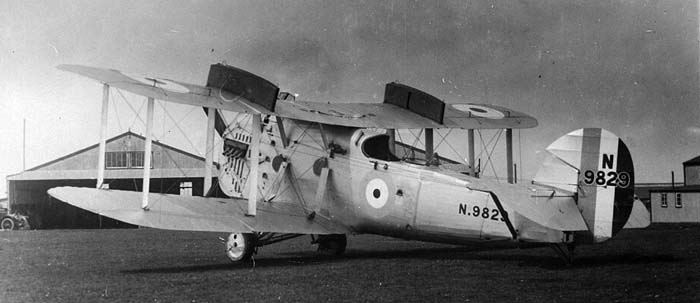
Mark I
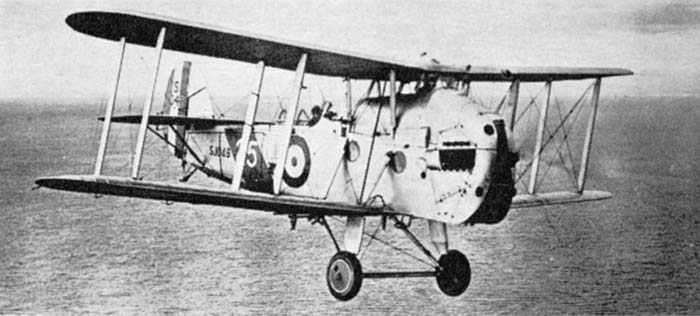
Mark II in flight
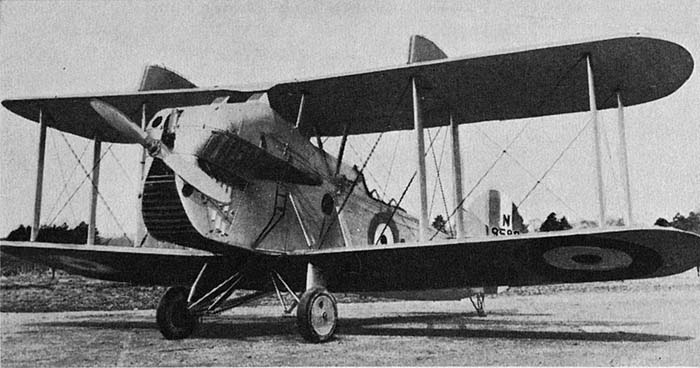
Mark II trainer, early serie, note the split undercarriage and overwings fuel tanks
Video
See also on Dr Alex channel
- Lohner E (1913)
- Macchi M3 (1916)
- Macchi M5 (1917)
- Macchi M7 (1918)
- Ansaldo ISVA (1918)
- Short S.38 (1912)
- Sopwith Baby (1916)
- Short 184 (1916)
- Fairey Campania (1917)
- Sopwith Cuckoo (1917)
- Felixstowe F.2 (1917)
- Gotha WD.2 (1914)
- Friedrichshafen FF 33 (1916)
- Albatros W4 (1916)
- Albatros W8 (1918)
- Hanriot HD.2
- Grigorovich M5 (1915)
- Grigorovich M9 (1916)
- Grigorovich M11 (1917)
- IJN Farman MF.7
- IJN Yokosho Type Mo
- Yokosho Rogou Kougata (1917)
- Yokosuka Igo-Ko (1920)
- Curtiss N9 (1916)
- Curtiss H4 (1916)
- Curtiss H12 (1917)
- Curtiss H16 (1918)
- Aeromarine 39
- Vought VE-7
- Douglas DT (1921)
- NAF/Curtiss TS-1 (1922)
- Boeing FB.5 (1923)
- Boeing F4B (1928)
- Vought O2U/O3U Corsair (1928)
- Grumman FF (1931)
- Akron class airships (1931)
- Curtiss F9C Sparrowhawk (1931)
- Curtiss F11C Goshawk (1932)
- Curtiss BF2C Goshawk (1933)
- Blackburn Blackburn (1922)
- Supermarine Seagull (1922)
- Fairey Flycatcher (1923)
- Hawker Horsley (1925)
- Blackburn Ripon (1926)
- Fairey IIIF (1927)
- Fairey Seal (1930)
- LGL-32 C.1 (1927)
- Fokker T.II (1921)
- Fokker T.III (1923)
- Caspar U1 (1921)
- Dornier Do J Wal (1922)
- Rohrbach R-III (1924)
- Mitsubishi 1MF (1923)
- Mitsubishi B1M (1923)
- Yokosuka E1Y (1923)
- Nakajima A1N (1927)
- Nakajima E2N (1927)
- Mitsubishi B2M (1929)
- Nakajima A2N (1930)
- Nakajima A4N (1935)
- CANT 18
WW1
✠ K.u.K. Seefliegerkorps:
 Italian Naval Aviation
 RNAS
RNAS
 Marineflieger
 French Naval Aviation
 Russian Naval Aviation
 IJN Air Service
 USA
USA
Interwar
 Interwar US
Interwar Britain
 Interwar France
 Interwar Netherlands
 Interwar Germany
 Interwar Japan
 Interwar Italy
- Grumman F2F (1933)
- Curtiss SOC seagull (1934)
- Grumman F3F (1935)
- Northrop BT-1 (1935)
- Consolidated PBY Catalina (1935)
- Grumman J2F Duck (1936)
- Brewster/NAF SBN-1 (1936)
- Curtiss SBC Helldiver (1936)
- Vought SB2U Vindicator (1936)
- Brewster F2A Buffalo (1937)
- Douglas TBD Devastator (1937)
- Vought Kingfisher (1938)
- Curtiss SO3C Seamew (1939)
- K-class Blimps (1939)
- Douglas SBD Dauntless (1939)
- Grumman F4F Wildcat (1940)
- F4U Corsair (NE) (1940)
- Brewster SB2A Buccaneer (1941)
- Grumman TBF/TBM Avenger (1941)
- Consolidated TBY Sea Wolf (1941)
- Grumman F6F Hellcat (1942)
- Curtiss SB2C Helldiver (1942)
- Curtiss SC Seahawk (1944)
- Grumman F7F Tigercat (1944)
- Grumman F8F Bearcat (1944)
- Ryan FR-1 Fireball (1944)
- Douglas AD-1 Skyraider (1945)
- Fleet Air Arm
- Hawker Osprey (1932)
- Fairey Swordfish (1934)
- Blackburn Shark (1934)
- Supermarine Walrus (1936)
- Fairey Seafox (1936)
- Blackburn Skua (1937)
- Short Sunderland (1937)
- Blackburn Roc (1938)
- Fairey Albacore (1940)
- Fairey Fulmar (1940)
- Grumman Martlet (1941)
- Hawker sea Hurricane (1941)
- Brewster Bermuda (1942)
- Fairey Barracuda (1943)
- Fairey Firefly (1943)
- Grumman Tarpon (1943)
- Grumman Gannet (1943)
- Supermarine seafire (1943)
- Blackburn Firebrand (1944)
- Hawker Sea Fury (1944)
- Coastal Command
- Vickers Wellington (1937)
- IJN aviation
- Yokosuka E6Y (1930)
- Aichi D1A "Susie" (1934)
- Mitsubishi A5M "Claude" (1935)
- Nakajima A4N (1935)
- Yokosuka B4Y "Jean" (1935)
- Mitsubishi G3M "Nell" (1935)
- Nakajima E8N "Dave" (1935)
- Kawanishi E7K "Alf" (1935)
- Nakajima B5N "Kate" (1937)
- Kawanishi H6K "Mavis" (1938)
- Aichi D3A "Val" (1940)
- Mitsubishi G4M "Betty" (1940)
- Mitsubishi A6M "zeke" (1940)
- Nakajima E14Y "Glen" (1941)
- Nakajima B6N "Jill" (1941)
- Mitsubishi F1M "pete" (1941)
- Aichi E13A Reisu "Jake" (1941)
- Kawanishi E15K Shiun "Norm" (1941)
- Nakajima C6N Saiun "Myrt" (1942)
- Yokosuka D4Y "Judy" (1942)
- Kyushu Q1W Tokai "Lorna" (1944)
 Luftwaffe
- Heinkel 114 (1935)
- Arado 196 (1937)
- Me109 T (1938)
- Blohm & Voss 138 Seedrache (1940)
 Italian Aviation
- Savoia-Marchetti S.55
- IMAM Ro.43/44
- CANT Z.501 Gabbiano
- CANT Z.506 Airone
- CANT Z.508
- CANT Z.511
- CANT Z.515
 French Aeronavale
- GL.300 (1926-39)
- CAMS 37 (1926)
- Levasseur PL.5 (1927)
- Potez 452 (1935)
- Loire 210 (1936)
- Loire 130 (1937)
- LN 401 (1938)
 Soviet Naval Aviation
- Shavrov SH-2 (1928)
- Tupolev TB-1P (1931)
- Beriev MBR-2 (1930)
- Tupolev MR-6 (1933)
- Tupolev MTB-1 (1934)
- Beriev Be-2 (1936)
- Polikarpov I16 naval (1936)
- Tupolev MTB-2 (1937)
- Ilyushine DB-3T/TP (1937)
- Beriev Be-4 (1940)
 Swedish Naval Aviation
- SAAB B17S
-
 Skoda Š-328V
  R-XIII Idro
 Fokker C.XI W (1934)
 Rogožarski PVT-H (1938)
WW2
 ☍ USNA
- De Havilland Sea Vixen
- Hawker Sea Hawk
- Supermarine Scimitar
- Blackburn Buccaneer
- Hawker Sea Harrier
- Douglas A4 Skyhawk
- Grumman F9F Panther
- Vought F8 Crusader
- McDonnell-Douglas F-4 Phantom-II
- North Am. A5 Vigilante
- TU-142
- Yak 38 forger
☢ Cold War
✧ NATO
Fleet Air Arm
 US Navy
☭ Warsaw Pact
Merch
Seafire Mark 45; HMS Pretoria Castle
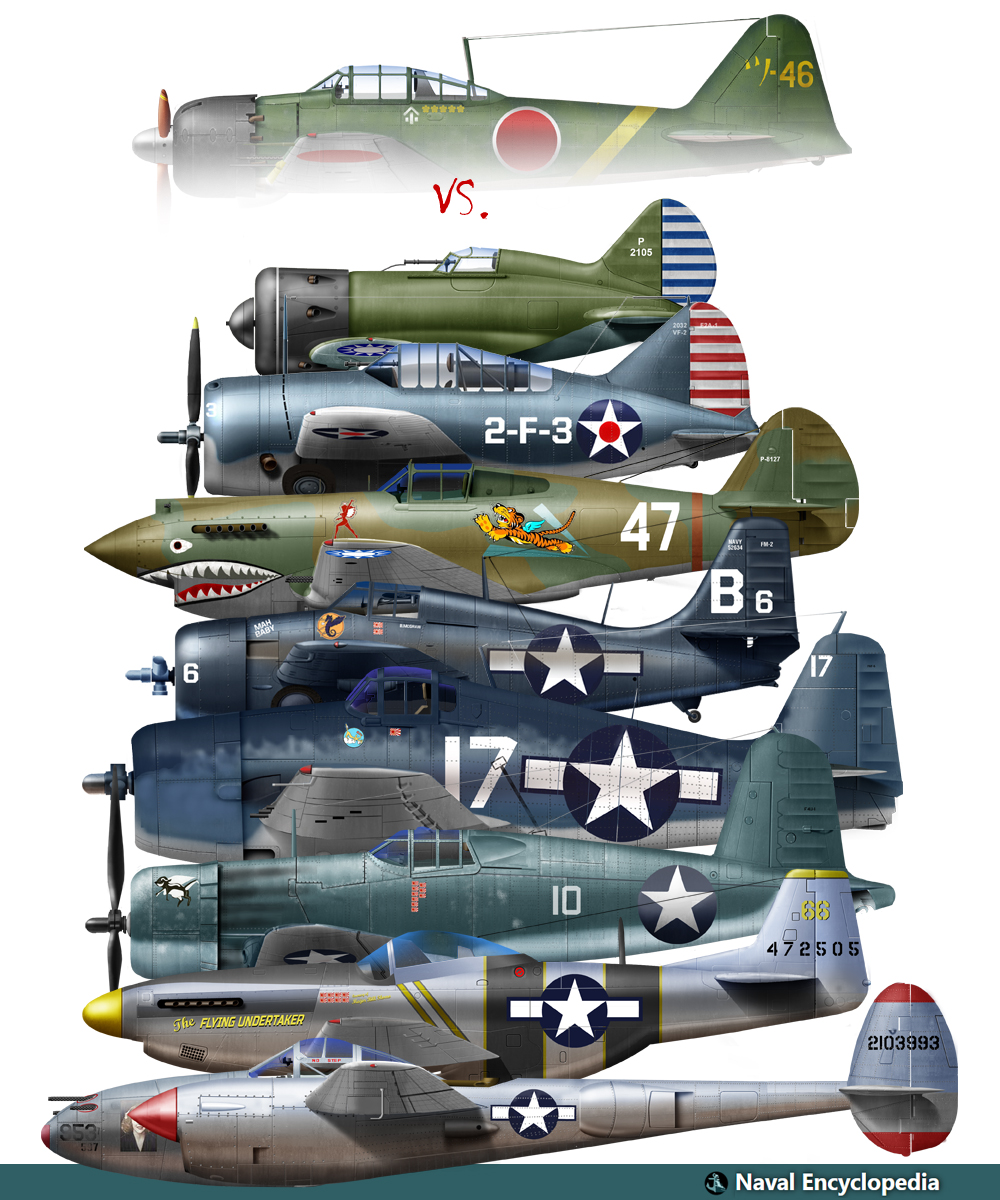
Zeros vs its aversaries
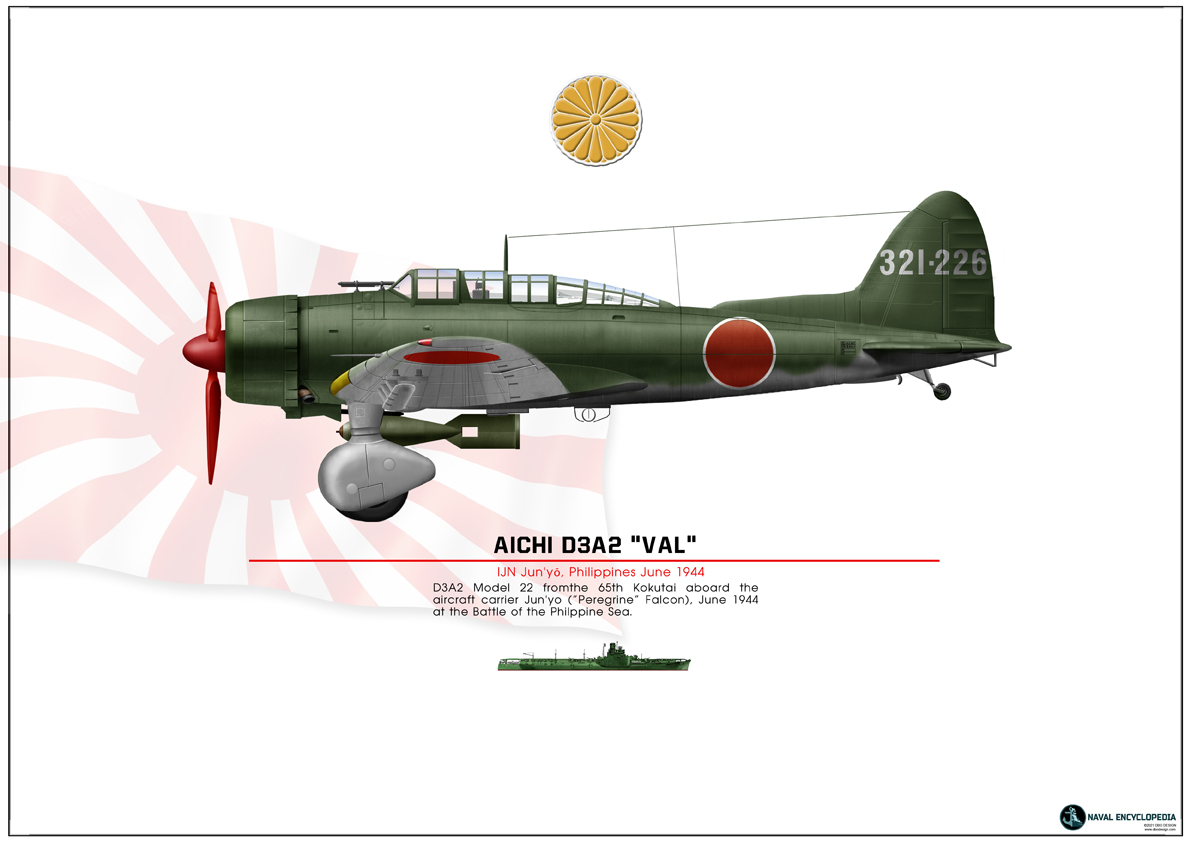
Aichi D3A “Val” Junyo
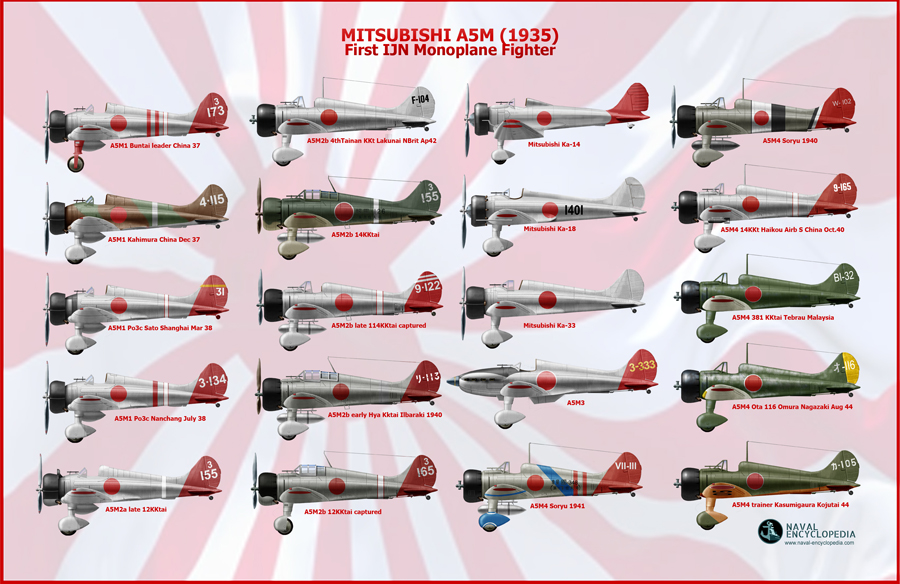
Mitsubishi A5M poster
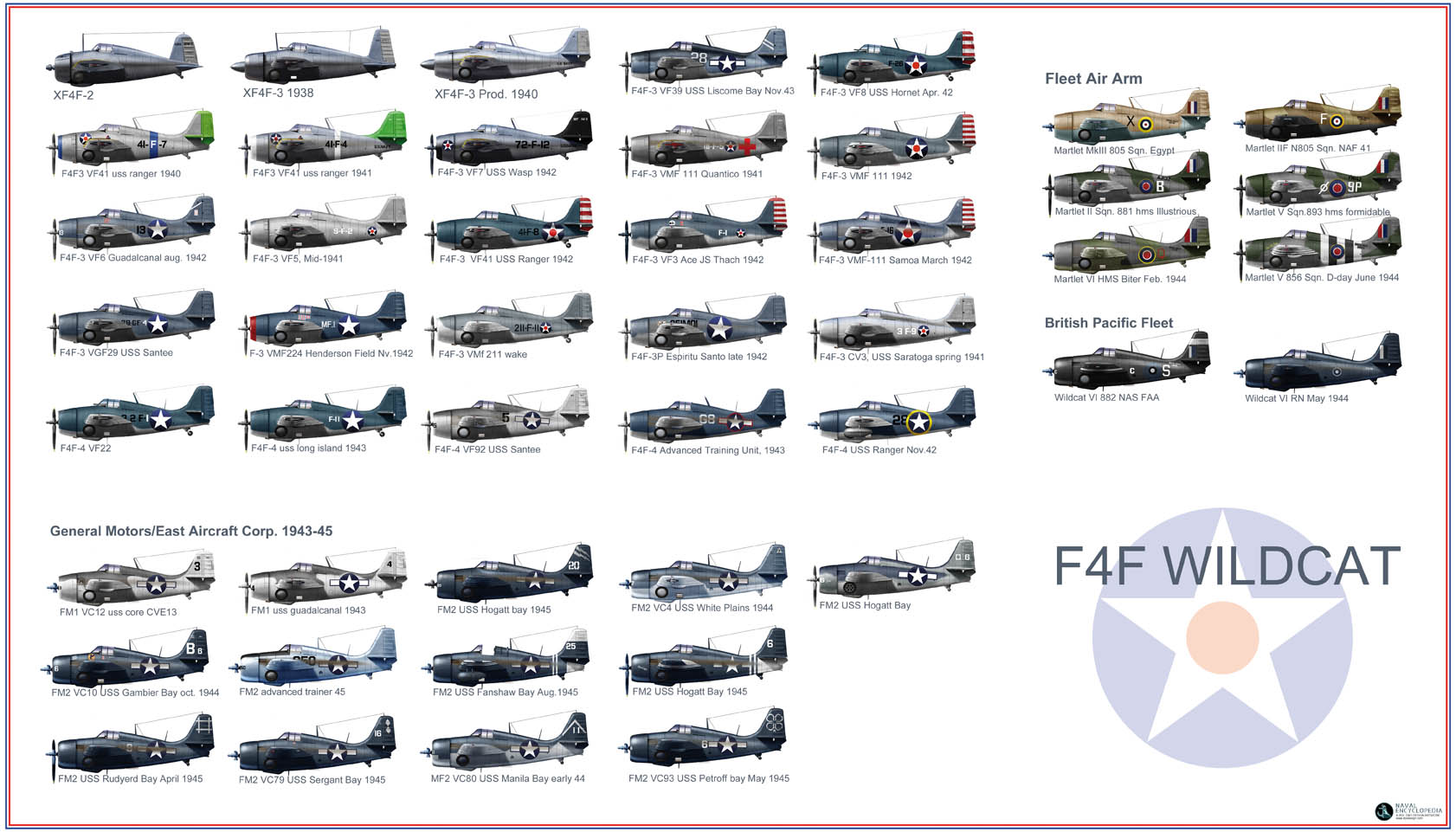
F4F wildcat
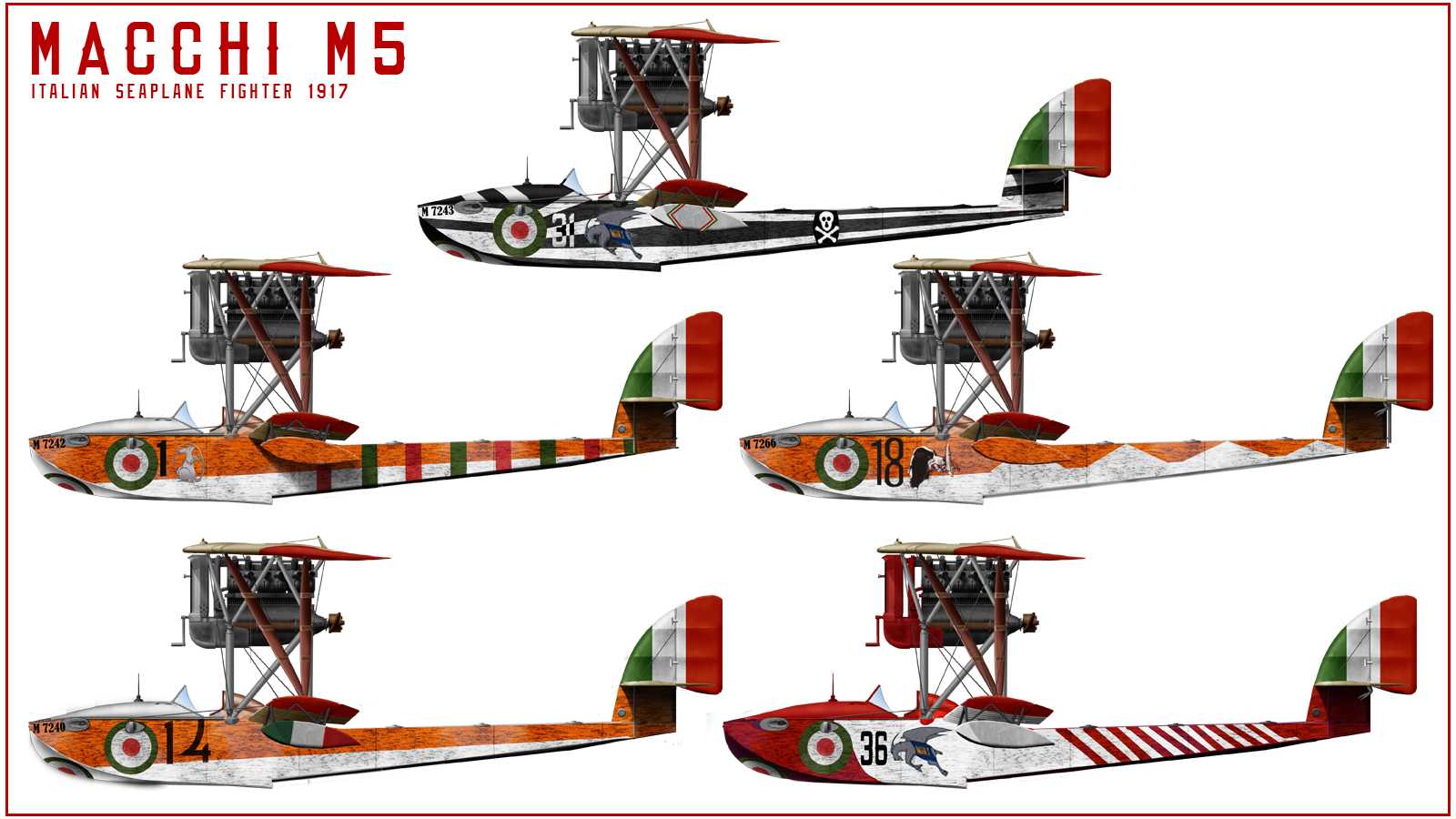
Macchi M5
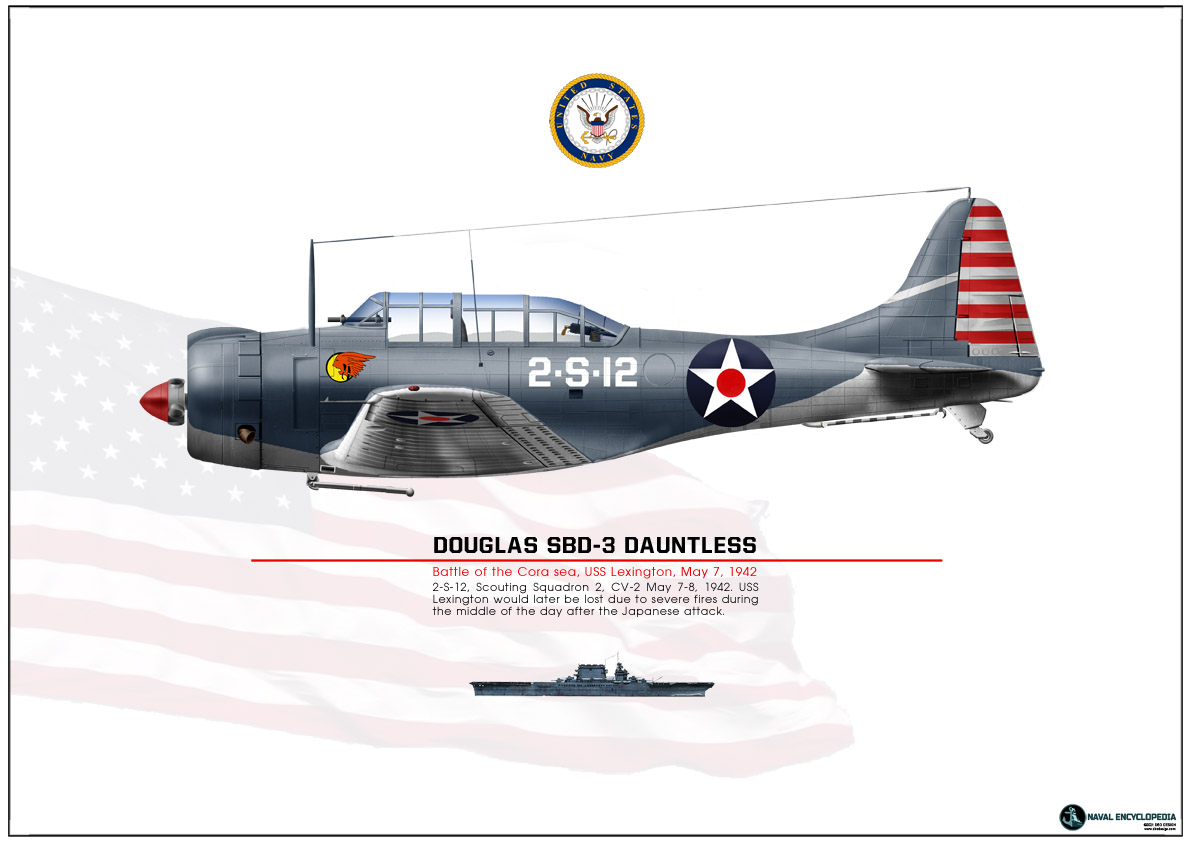
SBD Dauntless Coral Sea
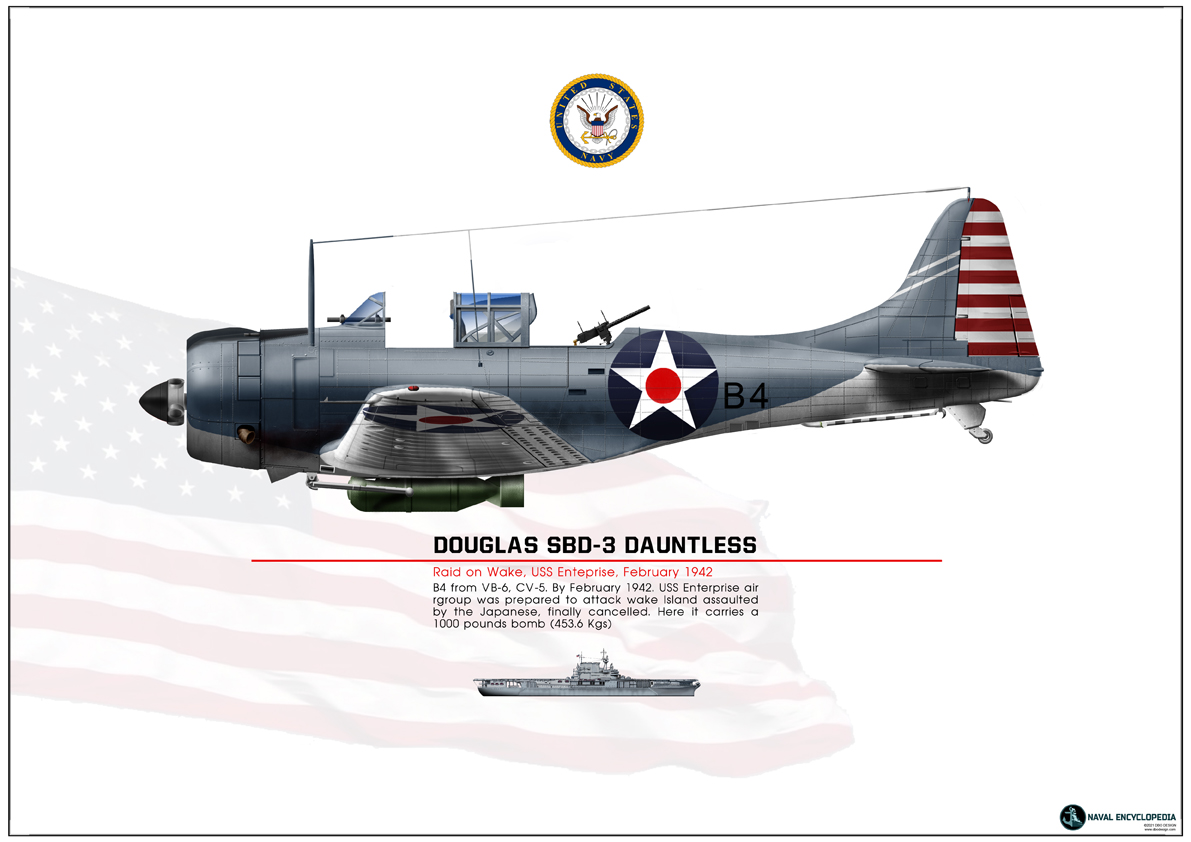
SBD Dauntless USS Enterprise
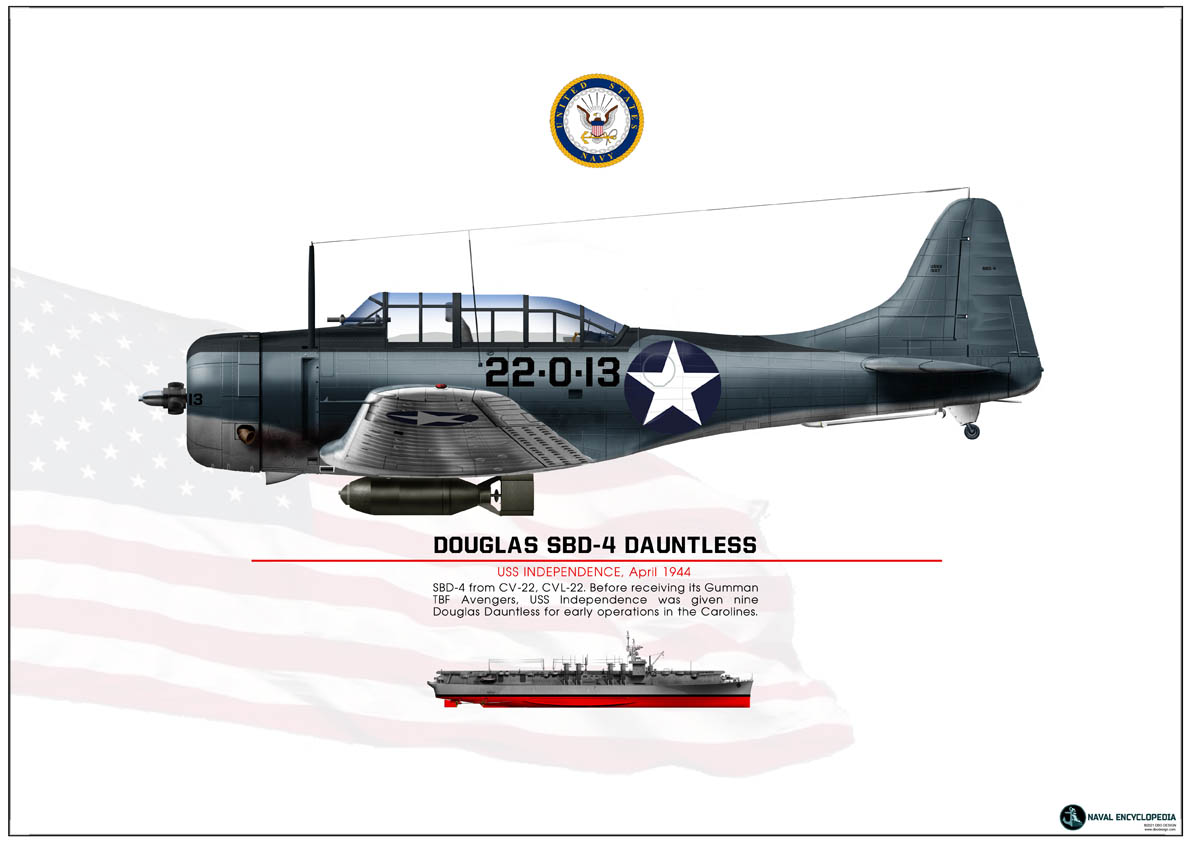
SBD-4 CV22