 Marine-Fliegerabteilung: 3 manufactured 1918.
Development of the Albatros W.8
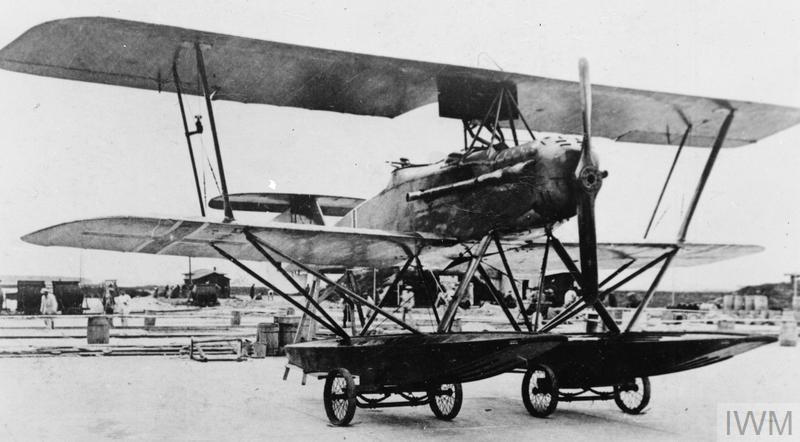
Albatros in 1918 planned a new generation of long-range single engine floatplane capable of reconnaissance and combating entente aircraft doing naval reconnaissance. The Kaiserliches Marine (German Imperial Navy) asked for a powerful, fast and agile yet relatively large and versatile model and two-seater, with the observer doubling as rear machine-gunner. It was intended for fighting patrol duties and as a possible successor to the Brandenburg W 12. The W 8 had many singular features as it was not designed by Albatros by by Heinkel. The result of this was a very unusual high-set tailplane. As this was set atop the vertical fin, it was however particularly vulnerable. This made the W.8 lacking the structuram strength of the Brandenburg W 12 that it replaced, but its upswept fuselage carrying the tailplane somewhat compensated for this.The first prototype was a handsome and well-streamlined two-seat fighter with a V-8 Benz IIIb that precluded a limited test production. However, its flat radiator under the wing spoiled the overall streamlining. Next were built two other machines, they only differed by the omission of the pointed spinner to streamline the propeller's hub. In all, only three machines were ever built as mass production was no ordered. Marine Nos. 5001-5003. It seems only the first two were delivered. The last one was noted in the diocumentation but photos are lacking showing its combat use of delivery. It's possible it remained unfinished at Heinkel when the war ended in November 1918.
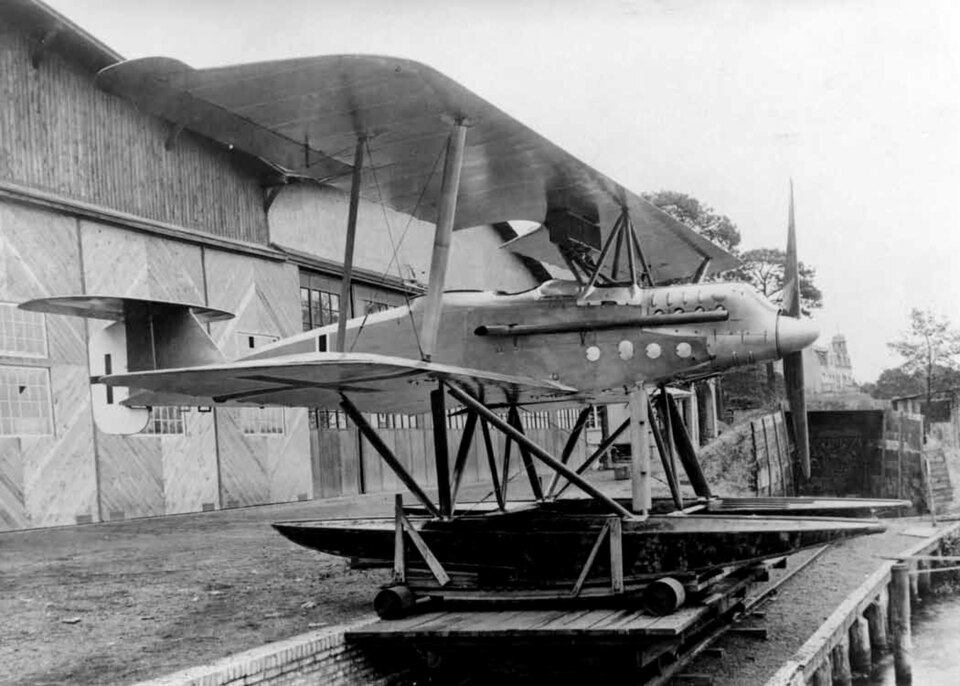
Combat use could have been only possible for the first two, the prototype and the only production machine #5002, second Albatros W8 prototype, without the elegant spinner but no other visible changes. The block radiator beneath the upper wing was still there and completely nullified whatever benefice brought the streamlining. Without any alternative, it's likely the main reason no production had been ordered. Heinkel probably worked on a nose radiator, better suited to minimize cooling drag, possibly to be fitted on the third prototype #5003 but no photos exists of the latter (so far). It's likely the first two were used for training and evaluation when the war ended.
Detailed Design of the W.8:
The Albatros W.8 had a crew of two, a pilot, below and behind the upper wing, which had a half-moon opening to stand. His open cockpit was very close to the observer/gunner's position located just behind in a cylinder like cockpit topped by a ring mount. This proximity helped the pilot communicating with the observer, but not only this limited the arc of fire, but also observation since the lower wing plane was staggered and place just in the field of vision below of the observer.The fuselage was elegant, with a plunging nose hoising the forward machine guns and all wrapped in metal. Two long exhaust pipes ran from the cylinder's to the observer's post (ht eexhausts ended just in between the pilot and observer's cockpit). The fuselage had a rounded nose for streamlining but it mothed into a classic boxy style fuselage, made of four main spars, lattice, all in wood and wrapped in canvas. The fuselage then ended in a cone with a tail, comprising a very unusual T shaped arrangement, with the rounded ailerons on top, and a rear rudder unit that ended below the fuselage as customary of Brandenburg models.
The fuselage extended to 9.95 m (32 ft 8 in) and its wWingspan was 11.46 m (37 ft 7 in), with squared wings. The total height from the float to the top of the tail was 3.39 m (11 ft 1 in). The wings were secured to the fuselage by a self-supporting half-moon arrangement, with two main interwings struts of unequal diameter, angled inwards, secured in turn to two more struts attached to the tiop of the floats, and two more horizontal struts between floats, also working as main attachement points for the latter. Between the floats and fuselage there was an inverted "W" struts arrangement with four attachements points below the fuselage and six on the inter-floats frame. The lower wing was attached to the main fuselage cradle in a cantilever arrangement, the upper wing was attached to the upper wing with an inverted "V" strut arrangement.
The Albatros W.8 was a floatplane, and thus its floatation depended on two flattened wooden and metal floats. They rae a squarish section, and were common to the models used by the Bandenburgs and other models of the time. Albeit flat-bottomed, their rear bottom section was boat-shaped with a refined submerged tail unit and cut mid-way facilitating "unsticking" when taking off. So seen from above, the floats ended in a boat like pointy tail but the forward section was squarish and broad. When not at sea, the Albatros W.8 was carried on a wheeled undercarriage but it needed to be supported at the rear, having no balance, nor tailskid.
The Albatros W.8 was powered by a Benz Bz.IIIb Water-cooled 8-cylinder engine rated for 138 kW, it developed 185 hp. It had a maximum rated output of 195 hp (143 kW) when pushed hard on trials, at 1700 rpm near ground level. Despite this power, the drag caused notably by the radiator mounted just under the main wing degraded performances. Maximum speed was 150 km/h (93 mph, 81 kn) at sea level as tested, for a rate of climb of 2.5 m/s (490 ft/min) and it took 6:30 min to 1000 m altitude and 34 min. to 3000 m altitude. The fuel carried is unknown but range was calculated to 500 km (310 mi, 270 nmi) and flight endurance was 3.5 hours, well enough to venture deep into the north sea from bases on the western coast.
The Albatros W.8 was not intended to carry much armament, despite its role as a fighter, and despite a useful load of 500 kg (1,100 lb.) ad requested. This included the pilots, fuel, oil and ammunitions. It only had a single fixed Spandau machine-gun forward, one manually operated Parabellum machine-gun in rear cockpit, but no bombs apparently.
⚙ specifications | |
| Length: | 9,59 m(32 ft 8 in) |
| Height: | 3,39 m (37 ft 7 in) |
| Wingspan: | 11,46 m (11 ft 1 in) |
| Wing area: | Unknown |
| Empty weight: | 500 kg |
| Gross weight: | Unknown |
| Powerplant: | WC 8-cyl. Benz Bz IIIb 195 hp (143 kW)/1700 rpm |
| Maximum speed: | 150 kph (93 mph, 81 kn) |
| Cruise speed: | Unknown. |
| Range: | 500 km () |
| Endurance: | 3.5 hours |
| Time to altitude: | 1,000 m. (3,280 ft.) in 6.5 min |
| Crew | 2: Pilot, Observer/Gunner |
| Armament | 1x fixed Spandau LMG fwd, 1 Parabellum LMG rear cockpit. |
Gallery

Author's illustration of #5002 with a prospective camouflage, late 1918
IWM photo of #5002, wikimedia commons
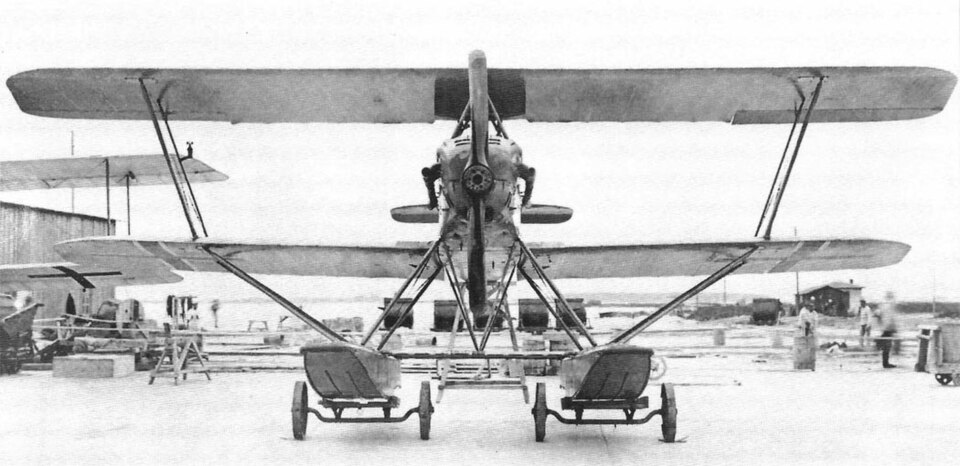
same source, wikimedia commons
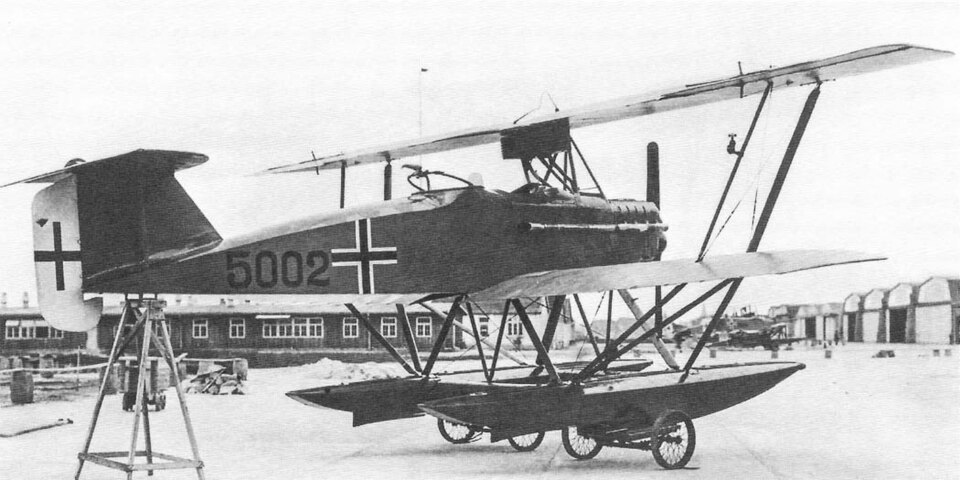
same source, wikimedia commons
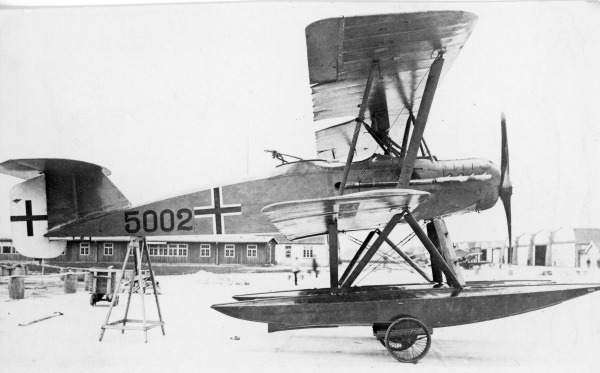
same source, wikimedia commons
Same as above, #5001 prototype, note the spinner (also CC).
For all: J.Herris - Albatros Aircraft of WWI. Volume 3: Bombers, Seaplanes, J-types /Centennial Perspective/ (26)
Read More/Src
Books
Herris, Jack (2017). Albatros Aircraft of WWI: A Centennial Perspective on Great War Airplanes: Volume 3: Bombers, Seaplanes, J-Types. Great War Aviation Centennial Series. Vol. 26. Charleston, South Carolina: Aeronaut Books.Herris, Jack (2012). German Seaplane Fighters of WWI: A Centennial Perspective on Great War Seaplanes. Great War Aviation Centennial Series. Vol. 2. Charleston (S.C.): Aeronaut Books.
Links
historyofwar.orgAlbatros_W.8
commons.wikimedia.org
de.wikipedia.org
flyingmachines.ru
Model Kits
None found- Lohner E (1913)
- Macchi M3 (1916)
- Macchi M5 (1917)
- Macchi M7 (1918)
- Ansaldo ISVA (1918)
- Short S.38 (1912)
- Sopwith Baby (1916)
- Short 184 (1916)
- Fairey Campania (1917)
- Sopwith Cuckoo (1917)
- Felixstowe F.2 (1917)
- Gotha WD.2 (1914)
- Friedrichshafen FF 33 (1916)
- Albatros W4 (1916)
- Albatros W8 (1918)
- Hanriot HD.2
- Grigorovich M5 (1915)
- Grigorovich M9 (1916)
- Grigorovich M11 (1917)
- IJN Farman MF.7
- IJN Yokosho Type Mo
- Yokosho Rogou Kougata (1917)
- Yokosuka Igo-Ko (1920)
- Curtiss N9 (1916)
- Curtiss H4 (1916)
- Curtiss H12 (1917)
- Curtiss H16 (1918)
- Aeromarine 39
- Vought VE-7
- Douglas DT (1921)
- NAF/Curtiss TS-1 (1922)
- Boeing FB.5 (1923)
- Boeing F4B (1928)
- Vought O2U/O3U Corsair (1928)
- Grumman FF (1931)
- Akron class airships (1931)
- Curtiss F9C Sparrowhawk (1931)
- Curtiss F11C Goshawk (1932)
- Curtiss BF2C Goshawk (1933)
- Blackburn Blackburn (1922)
- Supermarine Seagull (1922)
- Fairey Flycatcher (1923)
- Hawker Horsley (1925)
- Blackburn Ripon (1926)
- Fairey IIIF (1927)
- Fairey Seal (1930)
- LGL-32 C.1 (1927)
- Fokker T.II (1921)
- Fokker T.III (1923)
- Caspar U1 (1921)
- Dornier Do J Wal (1922)
- Rohrbach R-III (1924)
- Mitsubishi 1MF (1923)
- Mitsubishi B1M (1923)
- Yokosuka E1Y (1923)
- Nakajima A1N (1927)
- Nakajima E2N (1927)
- Mitsubishi B2M (1929)
- Nakajima A2N (1930)
- Nakajima A4N (1935)
- CANT 18
WW1
✠ K.u.K. Seefliegerkorps:
 Italian Naval Aviation
 RNAS
RNAS
 Marineflieger
 French Naval Aviation
 Russian Naval Aviation
 IJN Air Service
 USA
USA
Interwar
 Interwar US
 Interwar Britain
 Interwar France
 Interwar Netherlands
 Interwar Germany
 Interwar Japan
 Interwar Italy
- Grumman F2F (1933)
- Curtiss SOC seagull (1934)
- Grumman F3F (1935)
- Northrop BT-1 (1935)
- Consolidated PBY Catalina (1935)
- Grumman J2F Duck (1936)
- Brewster/NAF SBN-1 (1936)
- Curtiss SBC Helldiver (1936)
- Vought SB2U Vindicator (1936)
- Brewster F2A Buffalo (1937)
- Douglas TBD Devastator (1937)
- Vought Kingfisher (1938)
- Curtiss SO3C Seamew (1939)
- K-class Blimps (1939)
- Douglas SBD Dauntless (1939)
- Grumman F4F Wildcat (1940)
- F4U Corsair (NE) (1940)
- Brewster SB2A Buccaneer (1941)
- Grumman TBF/TBM Avenger (1941)
- Consolidated TBY Sea Wolf (1941)
- Grumman F6F Hellcat (1942)
- Curtiss SB2C Helldiver (1942)
- Curtiss SC Seahawk (1944)
- Grumman F7F Tigercat (1944)
- Grumman F8F Bearcat (1944)
- Ryan FR-1 Fireball (1944)
- Douglas AD-1 Skyraider (1945)
- Fleet Air Arm
- Hawker Osprey (1932)
- Fairey Swordfish (1934)
- Blackburn Shark (1934)
- Supermarine Walrus (1936)
- Fairey Seafox (1936)
- Blackburn Skua (1937)
- Short Sunderland (1937)
- Blackburn Roc (1938)
- Fairey Albacore (1940)
- Fairey Fulmar (1940)
- Grumman Martlet (1941)
- Hawker sea Hurricane (1941)
- Brewster Bermuda (1942)
- Fairey Barracuda (1943)
- Fairey Firefly (1943)
- Grumman Tarpon (1943)
- Grumman Gannet (1943)
- Supermarine seafire (1943)
- Blackburn Firebrand (1944)
- Hawker Sea Fury (1944)
- Coastal Command
- Vickers Wellington (1937)
- IJN aviation
- Yokosuka E6Y (1930)
- Aichi D1A "Susie" (1934)
- Mitsubishi A5M "Claude" (1935)
- Nakajima A4N (1935)
- Yokosuka B4Y "Jean" (1935)
- Mitsubishi G3M "Nell" (1935)
- Nakajima E8N "Dave" (1935)
- Kawanishi E7K "Alf" (1935)
- Nakajima B5N "Kate" (1937)
- Kawanishi H6K "Mavis" (1938)
- Aichi D3A "Val" (1940)
- Mitsubishi G4M "Betty" (1940)
- Mitsubishi A6M "zeke" (1940)
- Nakajima E14Y "Glen" (1941)
- Nakajima B6N "Jill" (1941)
- Mitsubishi F1M "pete" (1941)
- Aichi E13A Reisu "Jake" (1941)
- Kawanishi E15K Shiun "Norm" (1941)
- Nakajima C6N Saiun "Myrt" (1942)
- Yokosuka D4Y "Judy" (1942)
- Kyushu Q1W Tokai "Lorna" (1944)
 Luftwaffe
- Heinkel 114 (1935)
- Arado 196 (1937)
- Me109 T (1938)
- Blohm & Voss 138 Seedrache (1940)
 Italian Aviation
- Savoia-Marchetti S.55
- IMAM Ro.43/44
- CANT Z.501 Gabbiano
- CANT Z.506 Airone
- CANT Z.508
- CANT Z.511
- CANT Z.515
 French Aeronavale
- GL.300 (1926-39)
- CAMS 37 (1926)
- Levasseur PL.5 (1927)
- Potez 452 (1935)
- Loire 210 (1936)
- Loire 130 (1937)
- LN 401 (1938)
 Soviet Naval Aviation
- Shavrov SH-2 (1928)
- Tupolev TB-1P (1931)
- Beriev MBR-2 (1930)
- Tupolev MR-6 (1933)
- Tupolev MTB-1 (1934)
- Beriev Be-2 (1936)
- Polikarpov I16 naval (1936)
- Tupolev MTB-2 (1937)
- Ilyushine DB-3T/TP (1937)
- Beriev Be-4 (1940)
 Swedish Naval Aviation
- SAAB B17S
-
 Skoda Š-328V
  R-XIII Idro
 Fokker C.XI W (1934)
 Rogožarski PVT-H (1938)
WW2
 ☍ USNA
- De Havilland Sea Vixen
- Hawker Sea Hawk
- Supermarine Scimitar
- Blackburn Buccaneer
- Hawker Sea Harrier
- Douglas A4 Skyhawk
- Grumman F9F Panther
- Vought F8 Crusader
- McDonnell-Douglas F-4 Phantom-II
- North Am. A5 Vigilante
- TU-142
- Yak 38 forger
☢ Cold War
✧ NATO
Fleet Air Arm
 US Navy
☭ Warsaw Pact
Merch
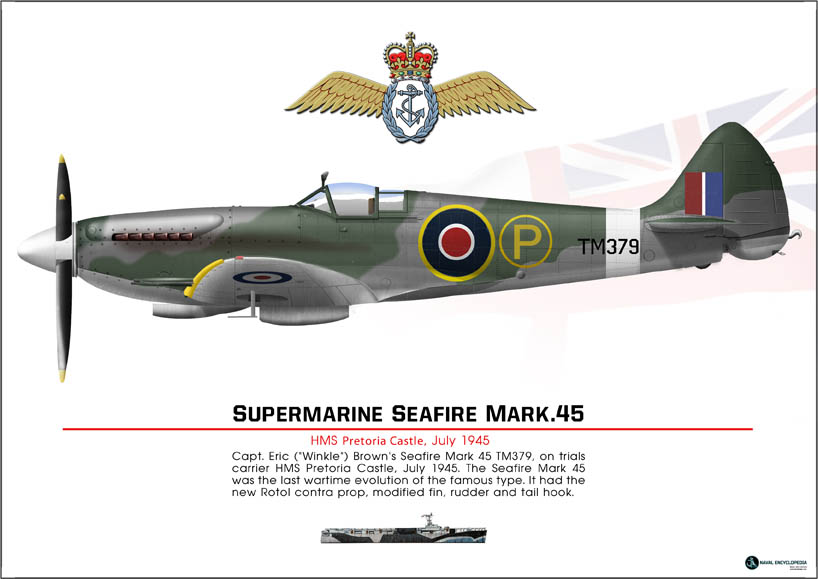
Seafire Mark 45; HMS Pretoria Castle
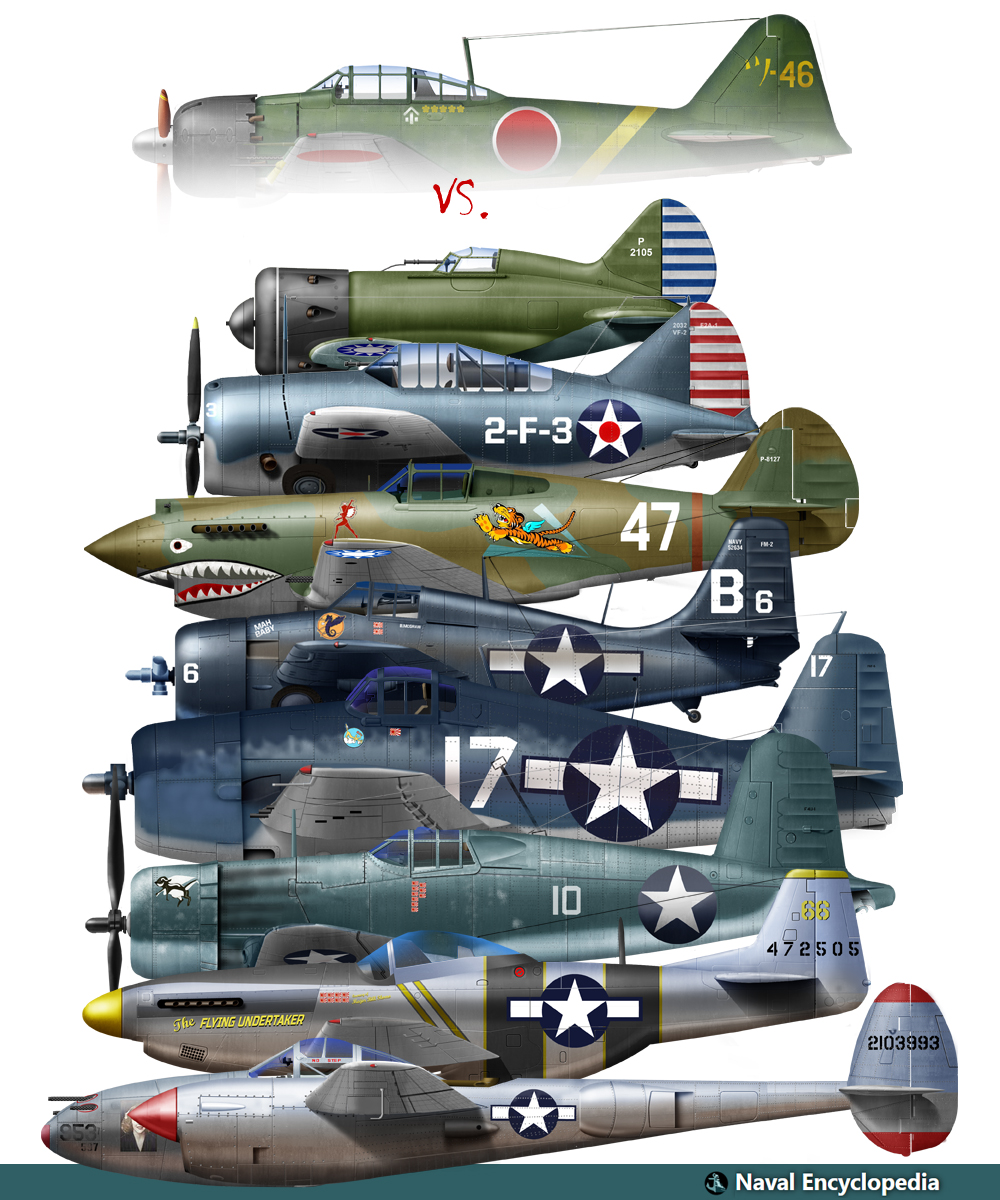
Zeros vs its aversaries
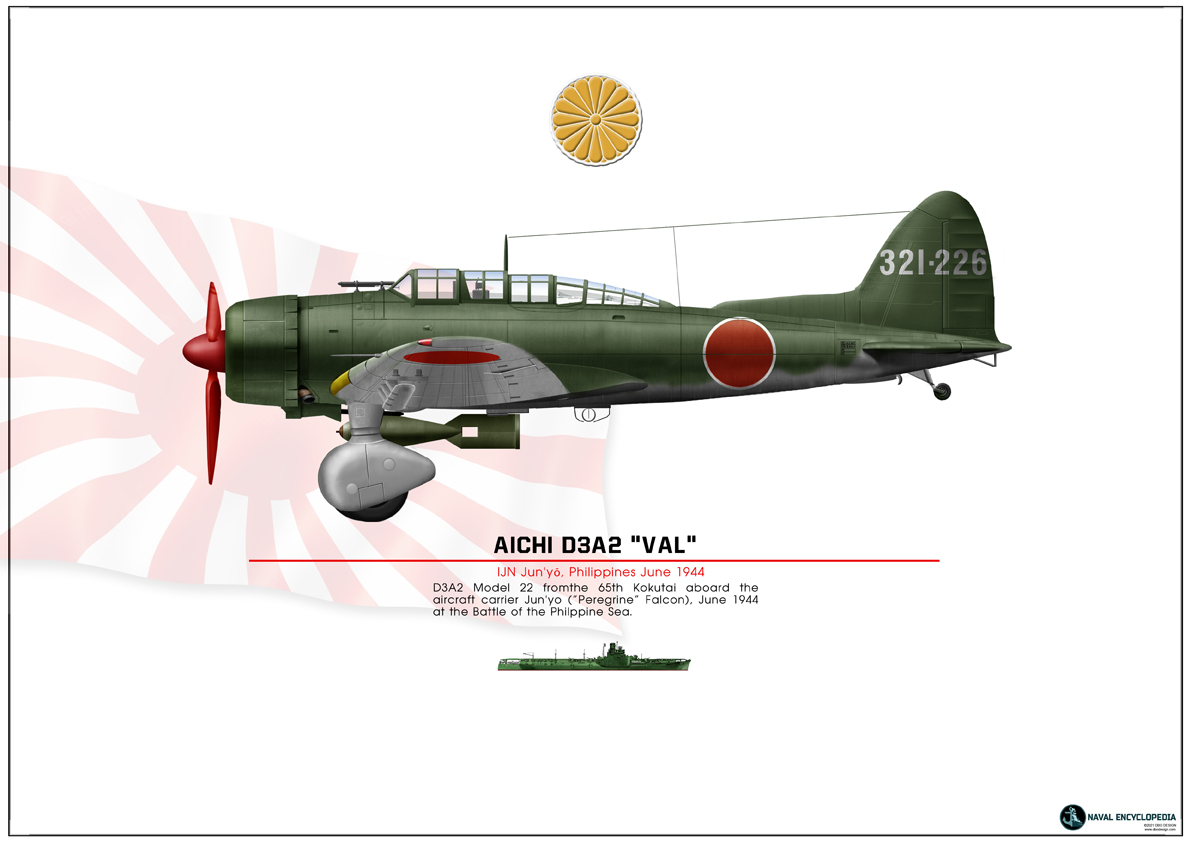
Aichi D3A “Val” Junyo
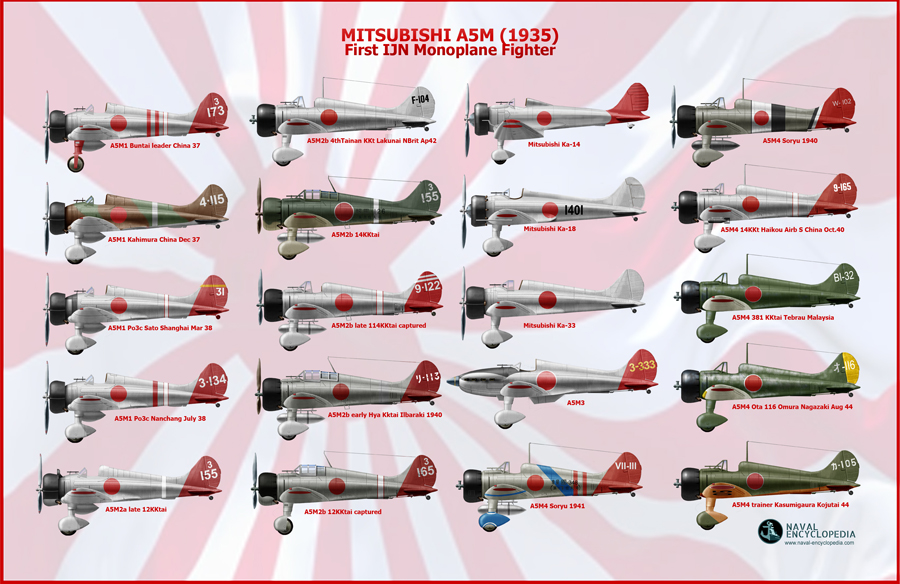
Mitsubishi A5M poster
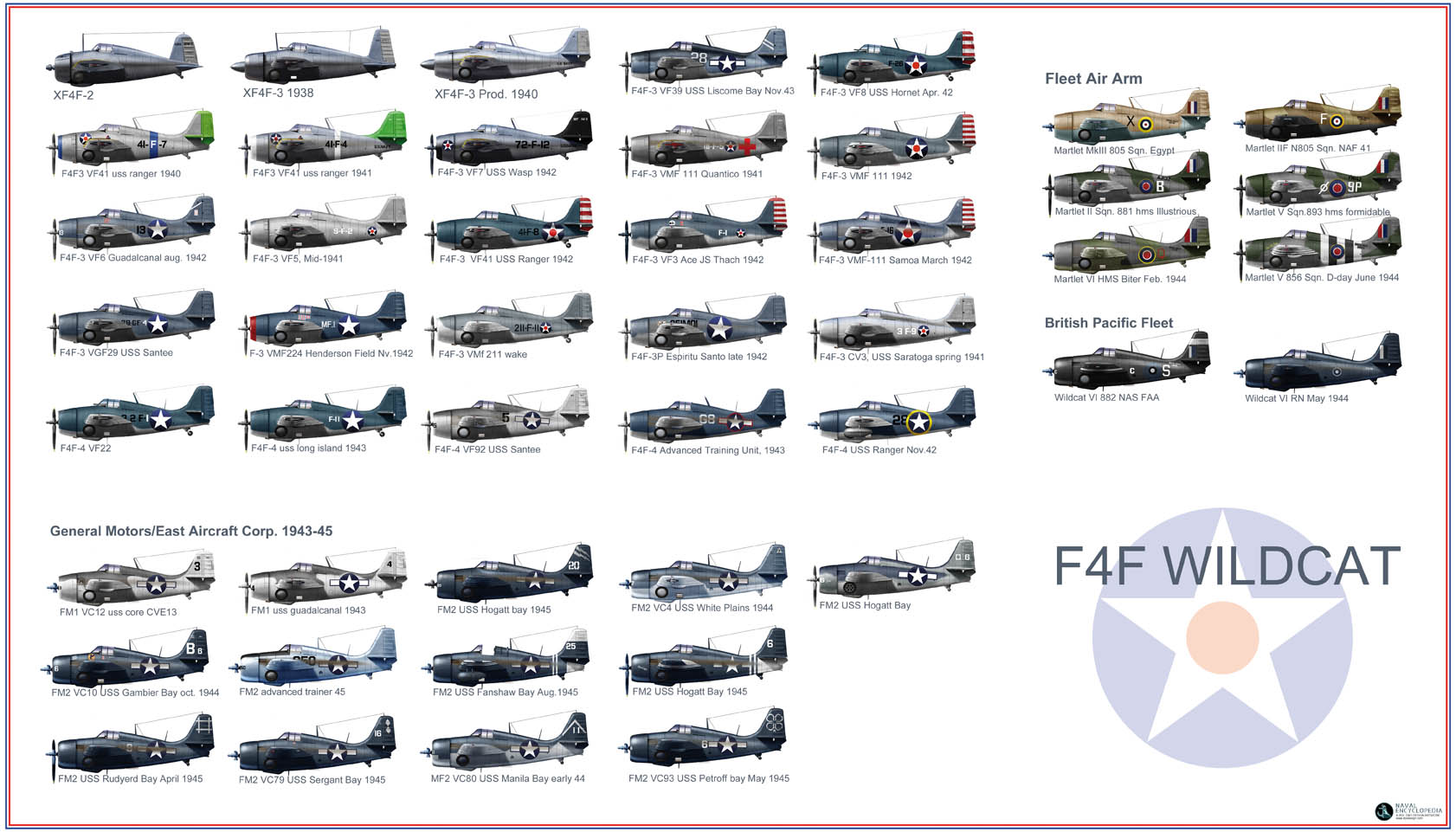
F4F wildcat
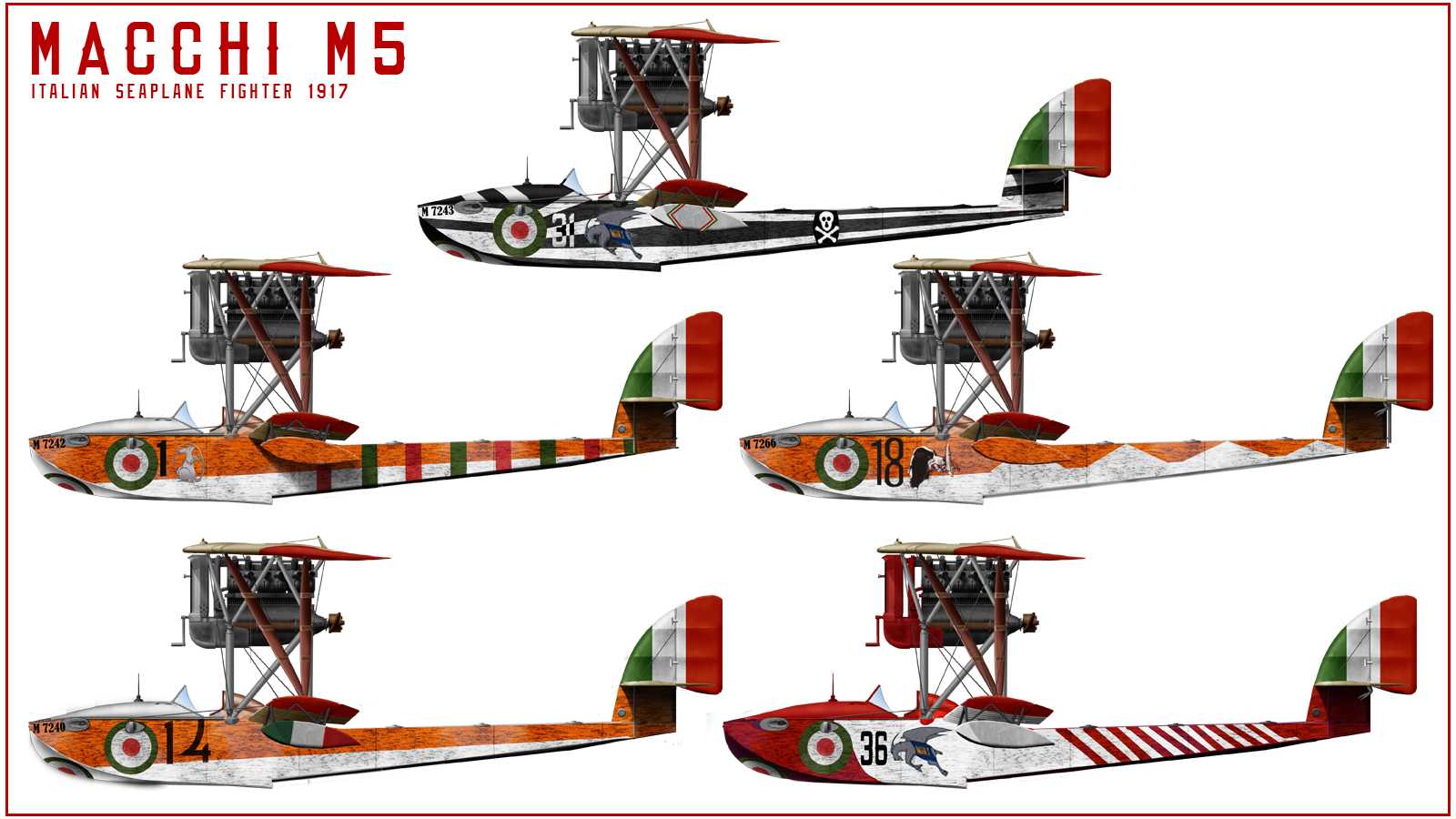
Macchi M5
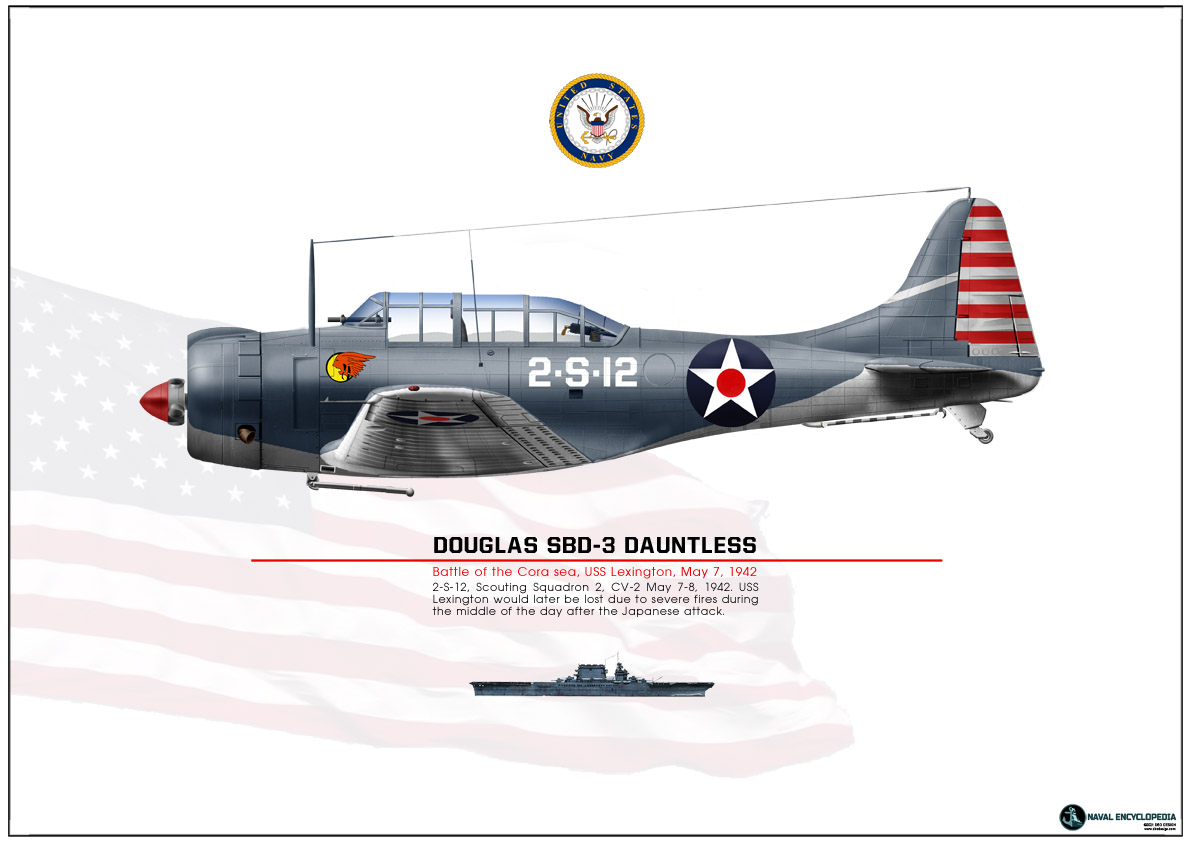
SBD Dauntless Coral Sea
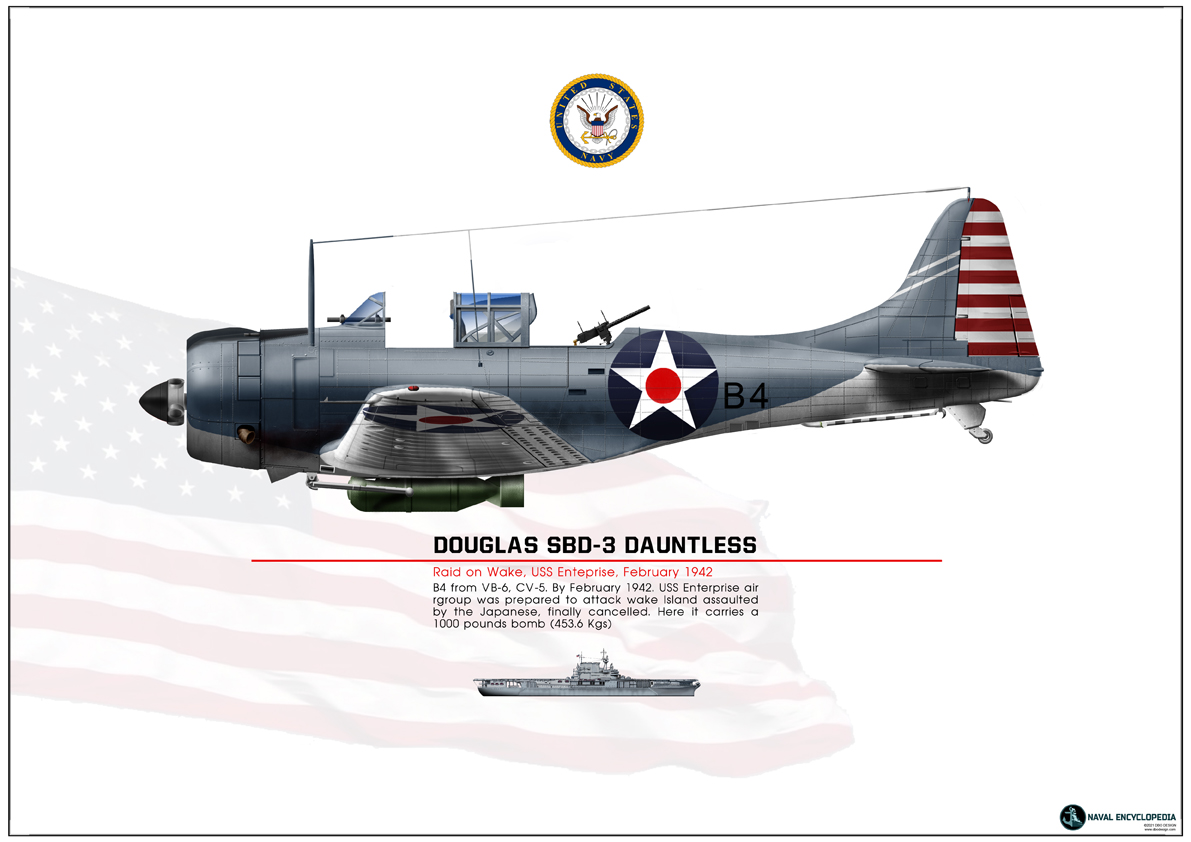
SBD Dauntless USS Enterprise
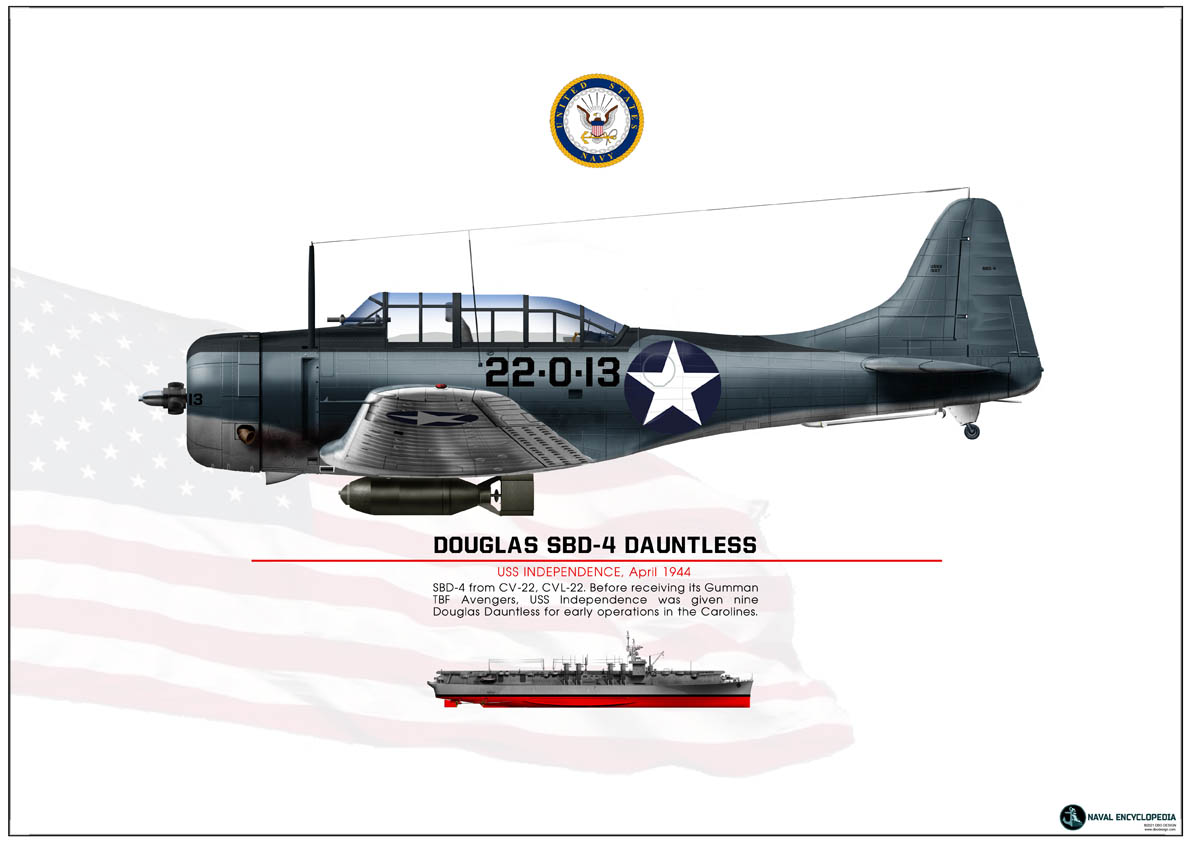
SBD-4 CV22