Curtiss F9C Sparrowhawk (1931)
 US Navy Paraside Fighter (1931), 8 built
This a complement piece to the Akron class airships

Development
It's difficult to separate these aircraft from the airships that would carry them: USS Akron and Macon were the largest American airships ever built, and among the largest in existence altogether. They were planned back in 1928 after the USN tested the USS Shenandoah and Los Angeles with success, as a way to provide a long range reconnaissance asset to the fleet, that could operate its own defensive squadron to defend itself against enemy carrier's fighter aircraft. However the idea of a parasite fighter was not new, it drew from WWI experience and projects of British fighters operating from airships to save fuel and be carried at the same altitude as Zeppelins. The first flying aircraft carriers were indeed British. However the war ended before any of these new a airships could be built.
An N2Y-1 pictured about to hook on to the trapeze used for launching and recovering aircraft during evaluation of the equipment on board the rigid airship Los Angeles (ZR 3) at Naval Air Station (NAS) Lakehurst, New Jersey, on August 18, 1931
Already in the interwar, the USN tested USS Los Angeles (ZR-3), a Zeppelin built on US specifications in Germany as compensation for the war reparation airships lost. It was following USS Shenandoah by being "laid down" on July 1922, launched on August 1924 and commissioned on 25 November 1924. Until decommissioned on 30 June 1932, which was a remarkable carrer of eight years, when most airships had a life expectancy of two years at most, USS Los Angeles was instrumental in the development of the American parasite fighter program. Indeed by 1929, USS Los Angeles was used to test the trapeze system developed by the U.S. Navy to launch and recover fixed wing aircraft from rigid airships. This success consitioned the ordrer of a pair of purpose-built Akron-class airships.
Together with a new class of airship, the USN wanted a new type of parasite fighter to go with it. Curtiss, by then the primary contractor for anything that had wings, especially fighters for the interwar, both for the USAAC and USN, was awarded a contract for a modification of its proposal of a small pursuit plane. It was chosen because of its small size of 20.2 ft (6.2 m) long, 25.5 ft (7.8 m) in wingspan. It was however never designed for a reconnaissance role. It was calculated that up to five aircraft (4 in the hangar bay, 1 stored on the trapeze) was ideal, but compromised led to have on USS Akron, two structural girders obstructing the aft hangar bay so she only could carry three Sparrowhawks and a modification was due when she was lost so her sister USS macon was modified when fitted out and was the one that carried five.

This is the justification to see an overall serie of only seven, three F9Cs for Akron and five F9Cs for Macon. After the loss of the first, USS Macon had seven total serviceable, meaning three were training at her naval air station, five carried, albeit in practice the extra one was replaced by a 2-seater training model used as "taxi" with the ground. USS Macon routinely indeed carried four airplanes in service, the 5th being the "taxi" (see below).
The F9C was one of the smallers fighter developed by Curtiss in 1930-31. The first prototype BuAer number 8731, first flew on 12 February 1931 and was retained for tests, notably of an alternative version of the skyhook, perfected until production started. This model remained operational for further tests and training until scrapped in 1936. The XF9C-2 was the second prototype built (BuAer number 9264), with all the recommendations made in March 1931. Its main difference was its optional skyhook. When tests were all satisfying, the USN signed a contract for six more, three per airship given the initial capacitty of USS Akron. This made for a total of eight, prototypes included. The model produced all had the definitive skyhook and were registered under BuAer numbers 9056 to 9061.
Design of the F9C
General layout
 The F9C was a modern biplane with an almost all-metal (duralumin) structure, fuselage, and wings that had a metallic structure, covered by doped fabric, as the tail and rudder. Technically a sesquiplane as the lower wing was smaller, and connected to the stagerred upper wing with "N" struts, the upper wing root was integrated into the fuselage, with a gullwing configuration so that the pilot could see between the wing's shoulders. This enabled extra rigidity, to the cost of the pilot's vision. This came back to haunt Curtiss when the Navy decided to use them for reconnaissance.
Otherwise, the F9C (the Navy acronym was composed of the "Fighter" category, followed by the model in sequence from the manufacturer, and the latter's name, Curtiss). It measured 20 ft 2.0 inches (6.147 m) long, like a WWI fighter essentially, for a wingspan of just 25 ft 6 inches (7.772 m), and an height of 10 ft 6 in (3.2 m) not including the skyhook above. Its wing area was 172.79 sq ft (16.053 m2). It needed enough to climn to the altitiude of the airship. This airfoil was of the Clark YH standard. The Curtiss F9C needed to be light enough to be carried in the airship, at just 2,089 lb (948 kg) empty for a gross weight of 2,776 lb (1,259 kg). Left Photo: Late version without undercarriage and instead belly fuel tank.
Engine and performances
The Sparrowhawk had a Wright R-975-E3 9-cylinder air-cooled radial piston engine rated for a modest 438 hp (327 kW). Performance were as follows: Top speed 176.5 mph (284 km/h, 153.4 kn), service ceiling was 19,200 ft (5,900 m), rate of climb was 1,700 ft/min (8.6 m/s) for a wing loading of 16 lb/sq ft (78 kg/m2) and power/mass ratio of 0.086 hp/lb (0.259 kW/kg). Range was limited to 297 mi (478 km, 258 nmi), that offered in practice a radius of action, from the airship and back, of c230 km around the airship in case of reconnaissance, which was quite appreciable, but only if fitted with an extra belly fuel tank. Indeed, when it was decided to use the F9C as a reconnaissance aircraft, a small radio set was installed and the landing gear, not in use when jooked up in the aiorship, was replaced by a ventral fuel tank. Otherwise, the F9C was armed with just two .30 in (7.62 mm) Browning machine guns in the nose.⚙ F9C specs. | |
| Gross Weight | 2,776 lb (1,259 kg) |
| Length | 20 ft 2.0 inches (6.147 m) |
| Wingspan | 25 ft 6 inches (7.772 m) |
| Height | 10 ft 6 in (3.2 m) |
| Wing Area | 172.79 sq ft (16.053 m2) |
| Engine | Wright R-975-E3 9-cyl. ACR: 438 hp (327 kW) |
| Top Speed, sea level | 176.5 mph (284 km/h, 153.4 kn) |
| Range | 297 mi (478 km, 258 nmi) |
| Climb Rate | 1,700 ft/min (8.6 m/s) |
| Ceiling | 19,200 ft (5,900 m) |
| Armament | 2x Browning 0.3 in M1919 |
| Crew | 1 pilot |
Operational History

To achieve launching and recovery in flight a skyhook system was developed by Curtiss, but the two prototype were tested without. Performances were excellent, but with the a hook mounted above its top wing, they degraded due to the drag, and the point of bala,ce needed to be changed with "useful ballast". Whe trying to catch the trapeze, the pilot needed adjust its speed on the underbelly, stay stable despite turbulences, then engage its cross-bar. For launching, its hook was engaged already on the trapze internally and the latter was then lowered clear of the hull and into the moving airship's slipstream. The engine needed to run at full throttle. The pilot then disengaged the hook and free fell for a short while when catching speed. The width of the trapeze cross-bar allowed a certain lateral lee-way in approach fortunately but despite this, the manoeuver was not for the faint-harted.
The hook mounting had a guide rail to provide protection for the turning propeller as well, its engagement was automatic on positive contact between the hook and trapeze. More than one attempt could be necessary for a successful engagement, especially in gusty conditions. Once the Sparrowhawk was securely caught it was hoisted by the trapeze back within the hangar and its engine cut. Pilots soon learned techniques and when cmpared to their colleagues at sea, it was described as easier than landing on a moving and pitching, rolling aircraft carrier. "The men on the Flying Trapeze" as they named thesmeves on USS Akron were soon proud of their little group and designed an emblem for the squadron, reflecting this and its acrobatic nature.

Once the system was fully developed on USS Akron, there was a change in doctrine and it was decided to use these for scouting. The ussue was endurance so their landing gear was removed and replaced by a fuel tank. The landing gear were still carried on board to be replaced while in the hangar in case they needed to land for maintenance once back over land. Basic maintenance was possible in the airship, but due to weight issues, there was not much spare gasoline not spare parts and certainly not spare engined, or even ammunition. In the end, their effectiveness was hampered by their poor radio equipment. Ot was so short range they needed to be kept within sight of the airship.
In 1934, after the loss of USS Akron and transfer of the entire squadron on USS Macon, commissioned in between, new direction-finding sets and new voice radios were fitted. These allowed operations beyond visual range and best used the belly fuel tanks. Successful exercises were performed with the Navy (see USS Macon's career). The Navy also tested the concept of 'flying ballast'. The airship took off with additional ballast or fuel aboard instead of its airplanes and once cruising, the aircraft would be flown aboard, with theit additional weight supported by dynamic lift until the motherships lightened.
 So aircraft gasoline was carried above all else. However after a few exercises that proved the validity of the concept in 1935 USS Macon was lost in turn, putting an end of such experimentations. The squadron was not dissolved. The skyhooks were removed, and they continued operations fropm NAS Lakehurst as regular local defence fighters and for training until end of service in 1937. They were then declared "surplus standard".
Fortunately there is one intact Sparrowhawk still around today. This was the BuAer 9056 pending write-off at NAS Hampton Roads in 1939, the last still used for training. It was transferred to the Smithsonian Institution. and over the years, had been rebuilt, using parts from the surviving F9C-2 BuAer 9057 also kept, and from XF9C-2 (9264) from Curtiss. It was exhibited for a time at the National Museum of Naval Aviation at NAS Pensacola, but is now ay the Steven F. Udvar-Hazy Center of the Smithsonian's National Air and Space Museum collection, to the colors of the USS Macon's squadron. The remains of four aircraft are still underwater on the wreck-site of the same USS Macon, trapped in the hangar when she crashed. This was documented in 1990 and 1991.
Gallery:
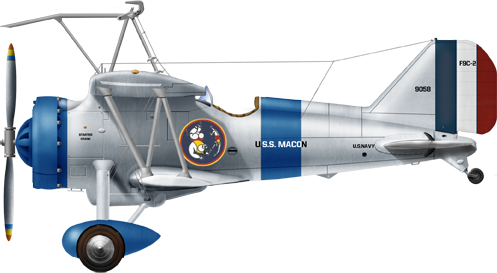
USS Macon's F9C-2

In the hangar, in stowed position.

Liveries of the six F9C2 made

Late version (belly tank) just hooked on USS macon's trapeze, 1934

Approaching the hangar

Buno 9058 USS Macon, late (black tail), 1935

Buno 9057, just hooked, USS Macon.

Formation of USS Macon's air group
Src/Read more about the FB.5:

en.wikipedia.org
airandspace.si.edu Main
history.navy.mil
detailandscale.com
militaryfactory.com/
airandspace.si.edu Restoration
simpleflying.com
historyofwar.org
aviastar.org
history.navy.mil
largescaleplanes.com
outerzone.co.uk
- Lohner E (1913)
- Macchi M3 (1916)
- Macchi M5 (1917)
- Macchi M7 (1918)
- Ansaldo ISVA (1918)
- Short S.38 (1912)
- Sopwith Baby (1916)
- Short 184 (1916)
- Fairey Campania (1917)
- Sopwith Cuckoo (1917)
- Felixstowe F.2 (1917)
- Gotha WD.2 (1914)
- Friedrichshafen FF 33 (1916)
- Albatros W4 (1916)
- Albatros W8 (1918)
- Hanriot HD.2
- Grigorovich M5 (1915)
- Grigorovich M9 (1916)
- Grigorovich M11 (1917)
- IJN Farman MF.7
- IJN Yokosho Type Mo
- Yokosho Rogou Kougata (1917)
- Yokosuka Igo-Ko (1920)
- Curtiss N9 (1916)
- Curtiss H4 (1916)
- Curtiss H12 (1917)
- Curtiss H16 (1918)
- Aeromarine 39
- Vought VE-7
- Douglas DT (1921)
- NAF/Curtiss TS-1 (1922)
- Boeing FB.5 (1923)
- Boeing F4B (1928)
- Vought O2U/O3U Corsair (1928)
- Grumman FF (1931)
- Akron class airships (1931)
- Curtiss F9C Sparrowhawk (1931)
- Curtiss F11C Goshawk (1932)
- Curtiss BF2C Goshawk (1933)
- Blackburn Blackburn (1922)
- Supermarine Seagull (1922)
- Fairey Flycatcher (1923)
- Hawker Horsley (1925)
- Blackburn Ripon (1926)
- Fairey IIIF (1927)
- Fairey Seal (1930)
- LGL-32 C.1 (1927)
- Fokker T.II (1921)
- Fokker T.III (1923)
- Caspar U1 (1921)
- Dornier Do J Wal (1922)
- Rohrbach R-III (1924)
- Mitsubishi 1MF (1923)
- Mitsubishi B1M (1923)
- Yokosuka E1Y (1923)
- Nakajima A1N (1927)
- Nakajima E2N (1927)
- Mitsubishi B2M (1929)
- Nakajima A2N (1930)
- Nakajima A4N (1935)
- CANT 18
WW1
✠ K.u.K. Seefliegerkorps:
 Italian Naval Aviation
 RNAS
RNAS
 Marineflieger
 French Naval Aviation
 Russian Naval Aviation
 IJN Air Service
 USA
USA
Interwar
Interwar US
 Interwar Britain
 Interwar France
 Interwar Netherlands
 Interwar Germany
 Interwar Japan
 Interwar Italy
- Grumman F2F (1933)
- Curtiss SOC seagull (1934)
- Grumman F3F (1935)
- Northrop BT-1 (1935)
- Consolidated PBY Catalina (1935)
- Grumman J2F Duck (1936)
- Brewster/NAF SBN-1 (1936)
- Curtiss SBC Helldiver (1936)
- Vought SB2U Vindicator (1936)
- Brewster F2A Buffalo (1937)
- Douglas TBD Devastator (1937)
- Vought Kingfisher (1938)
- Curtiss SO3C Seamew (1939)
- K-class Blimps (1939)
- Douglas SBD Dauntless (1939)
- Grumman F4F Wildcat (1940)
- F4U Corsair (NE) (1940)
- Brewster SB2A Buccaneer (1941)
- Grumman TBF/TBM Avenger (1941)
- Consolidated TBY Sea Wolf (1941)
- Grumman F6F Hellcat (1942)
- Curtiss SB2C Helldiver (1942)
- Curtiss SC Seahawk (1944)
- Grumman F7F Tigercat (1944)
- Grumman F8F Bearcat (1944)
- Ryan FR-1 Fireball (1944)
- Douglas AD-1 Skyraider (1945)
- Fleet Air Arm
- Hawker Osprey (1932)
- Fairey Swordfish (1934)
- Blackburn Shark (1934)
- Supermarine Walrus (1936)
- Fairey Seafox (1936)
- Blackburn Skua (1937)
- Short Sunderland (1937)
- Blackburn Roc (1938)
- Fairey Albacore (1940)
- Fairey Fulmar (1940)
- Grumman Martlet (1941)
- Hawker sea Hurricane (1941)
- Brewster Bermuda (1942)
- Fairey Barracuda (1943)
- Fairey Firefly (1943)
- Grumman Tarpon (1943)
- Grumman Gannet (1943)
- Supermarine seafire (1943)
- Blackburn Firebrand (1944)
- Hawker Sea Fury (1944)
- Coastal Command
- Vickers Wellington (1937)
- IJN aviation
- Yokosuka E6Y (1930)
- Aichi D1A "Susie" (1934)
- Mitsubishi A5M "Claude" (1935)
- Nakajima A4N (1935)
- Yokosuka B4Y "Jean" (1935)
- Mitsubishi G3M "Nell" (1935)
- Nakajima E8N "Dave" (1935)
- Kawanishi E7K "Alf" (1935)
- Nakajima B5N "Kate" (1937)
- Kawanishi H6K "Mavis" (1938)
- Aichi D3A "Val" (1940)
- Mitsubishi G4M "Betty" (1940)
- Mitsubishi A6M "zeke" (1940)
- Nakajima E14Y "Glen" (1941)
- Nakajima B6N "Jill" (1941)
- Mitsubishi F1M "pete" (1941)
- Aichi E13A Reisu "Jake" (1941)
- Kawanishi E15K Shiun "Norm" (1941)
- Nakajima C6N Saiun "Myrt" (1942)
- Yokosuka D4Y "Judy" (1942)
- Kyushu Q1W Tokai "Lorna" (1944)
 Luftwaffe
- Heinkel 114 (1935)
- Arado 196 (1937)
- Me109 T (1938)
- Blohm & Voss 138 Seedrache (1940)
 Italian Aviation
- Savoia-Marchetti S.55
- IMAM Ro.43/44
- CANT Z.501 Gabbiano
- CANT Z.506 Airone
- CANT Z.508
- CANT Z.511
- CANT Z.515
 French Aeronavale
- GL.300 (1926-39)
- CAMS 37 (1926)
- Levasseur PL.5 (1927)
- Potez 452 (1935)
- Loire 210 (1936)
- Loire 130 (1937)
- LN 401 (1938)
 Soviet Naval Aviation
- Shavrov SH-2 (1928)
- Tupolev TB-1P (1931)
- Beriev MBR-2 (1930)
- Tupolev MR-6 (1933)
- Tupolev MTB-1 (1934)
- Beriev Be-2 (1936)
- Polikarpov I16 naval (1936)
- Tupolev MTB-2 (1937)
- Ilyushine DB-3T/TP (1937)
- Beriev Be-4 (1940)
 Swedish Naval Aviation
- SAAB B17S
-
 Skoda Š-328V
  R-XIII Idro
 Fokker C.XI W (1934)
 Rogožarski PVT-H (1938)
WW2
 ☍ USNA
- De Havilland Sea Vixen
- Hawker Sea Hawk
- Supermarine Scimitar
- Blackburn Buccaneer
- Hawker Sea Harrier
- Douglas A4 Skyhawk
- Grumman F9F Panther
- Vought F8 Crusader
- McDonnell-Douglas F-4 Phantom-II
- North Am. A5 Vigilante
- TU-142
- Yak 38 forger
☢ Cold War
✧ NATO
Fleet Air Arm
 US Navy
☭ Warsaw Pact
Merch
Seafire Mark 45; HMS Pretoria Castle
Zeros vs its aversaries
Aichi D3A “Val” Junyo
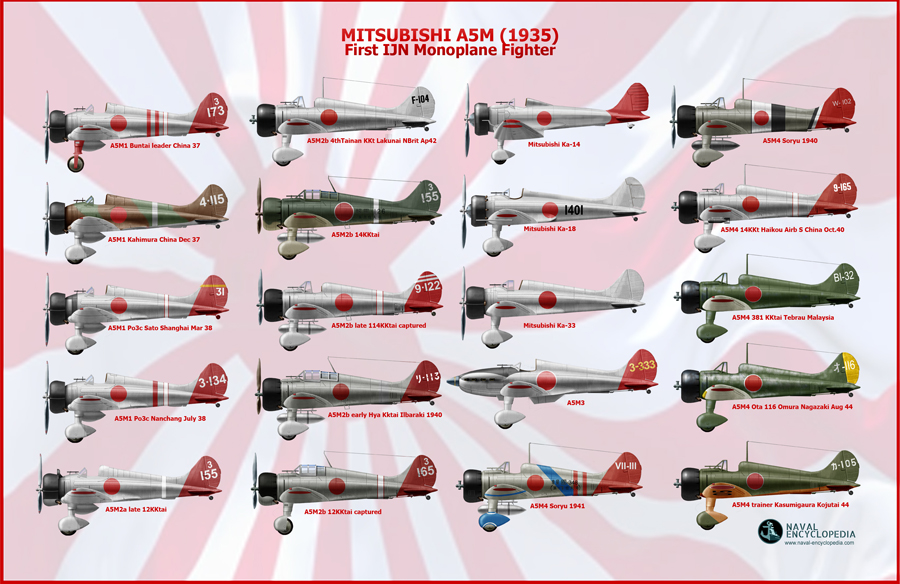
Mitsubishi A5M poster
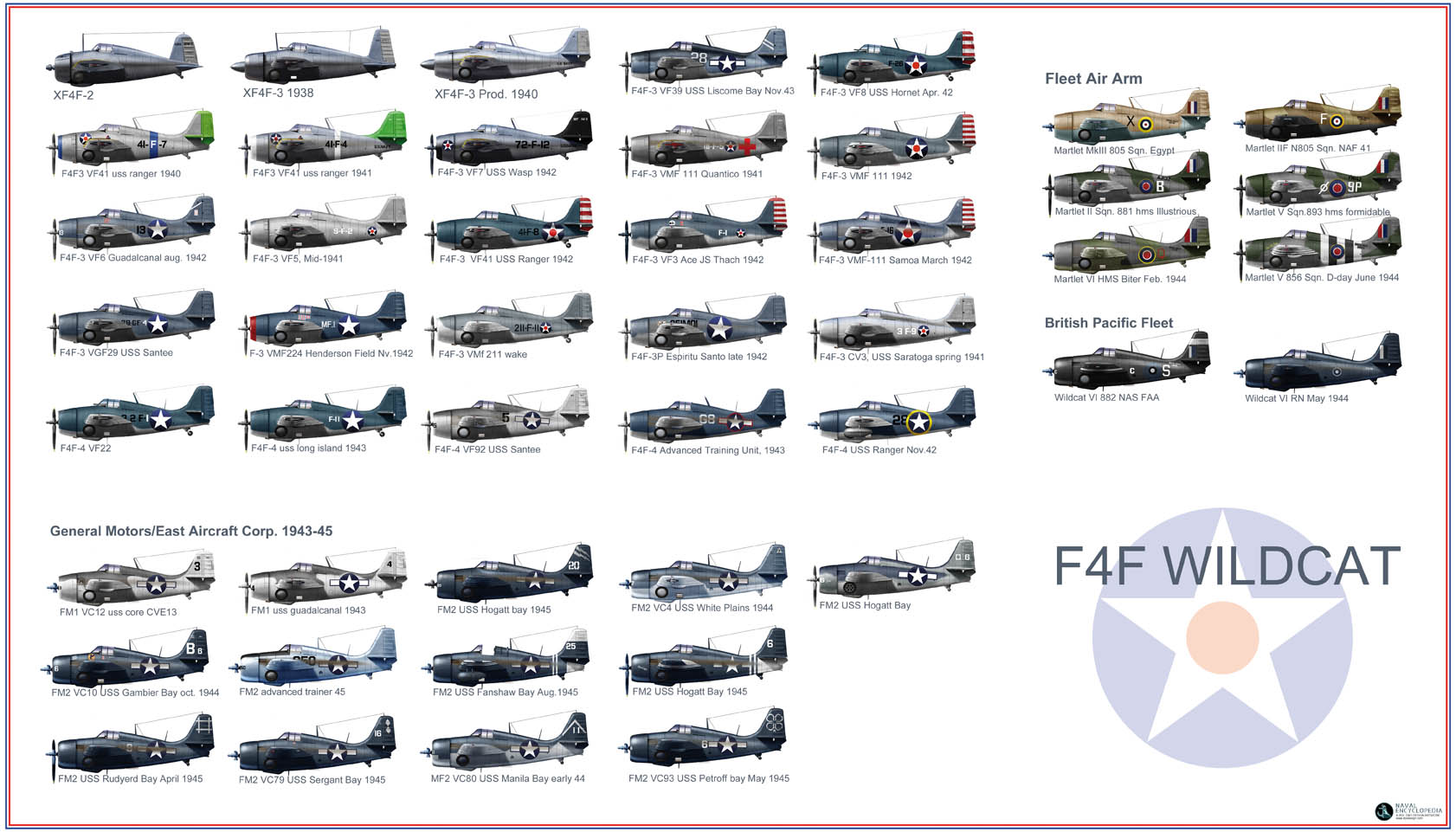
F4F wildcat
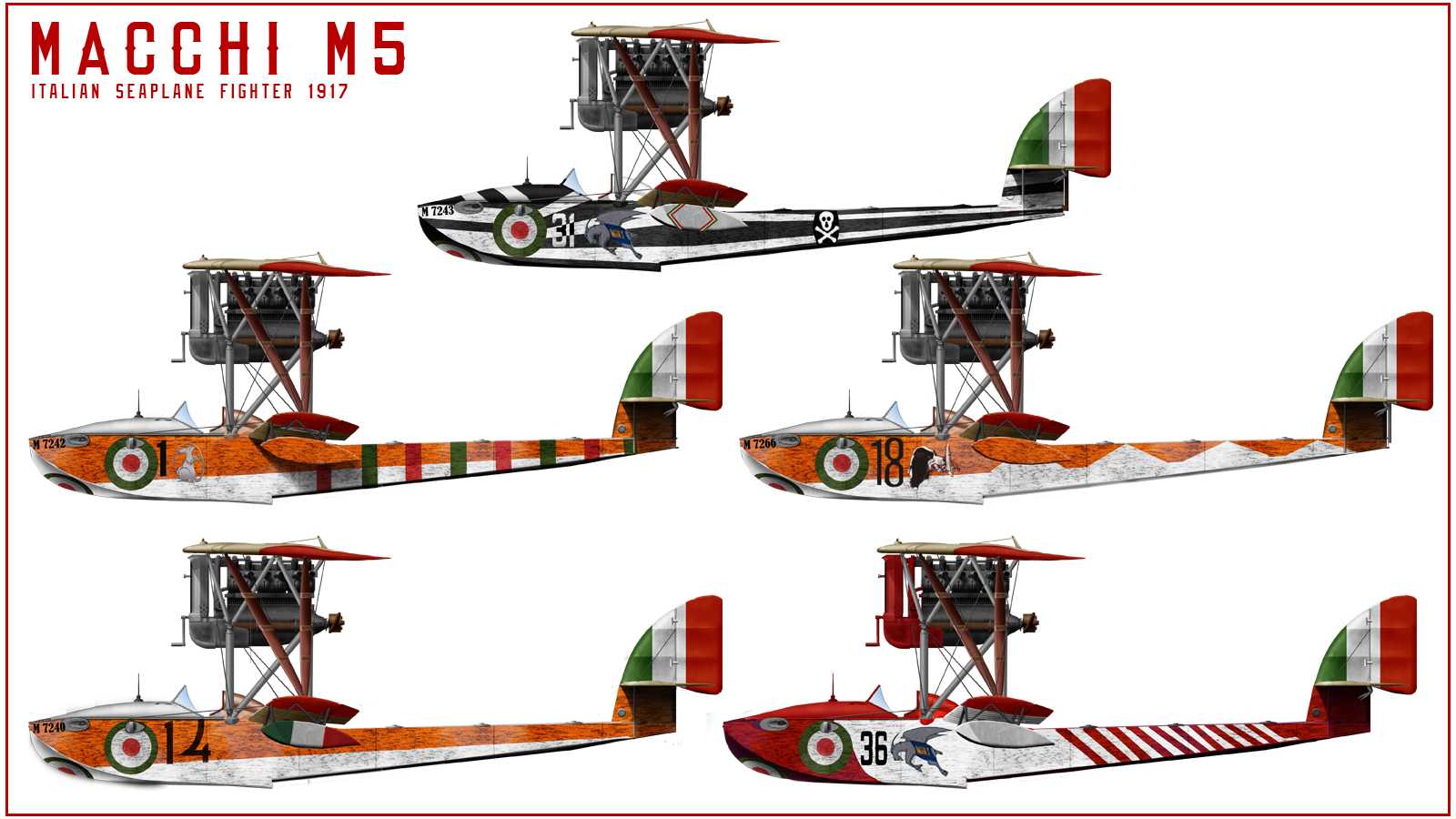
Macchi M5
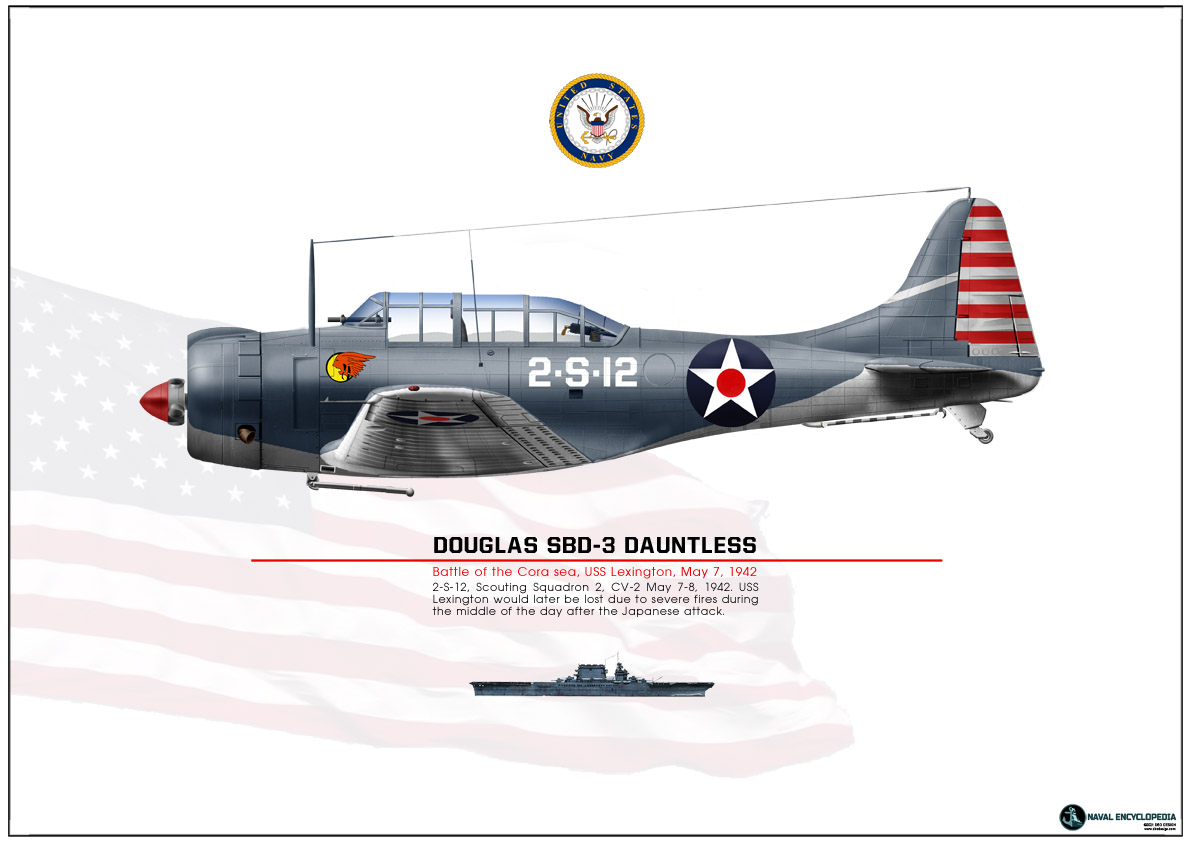
SBD Dauntless Coral Sea
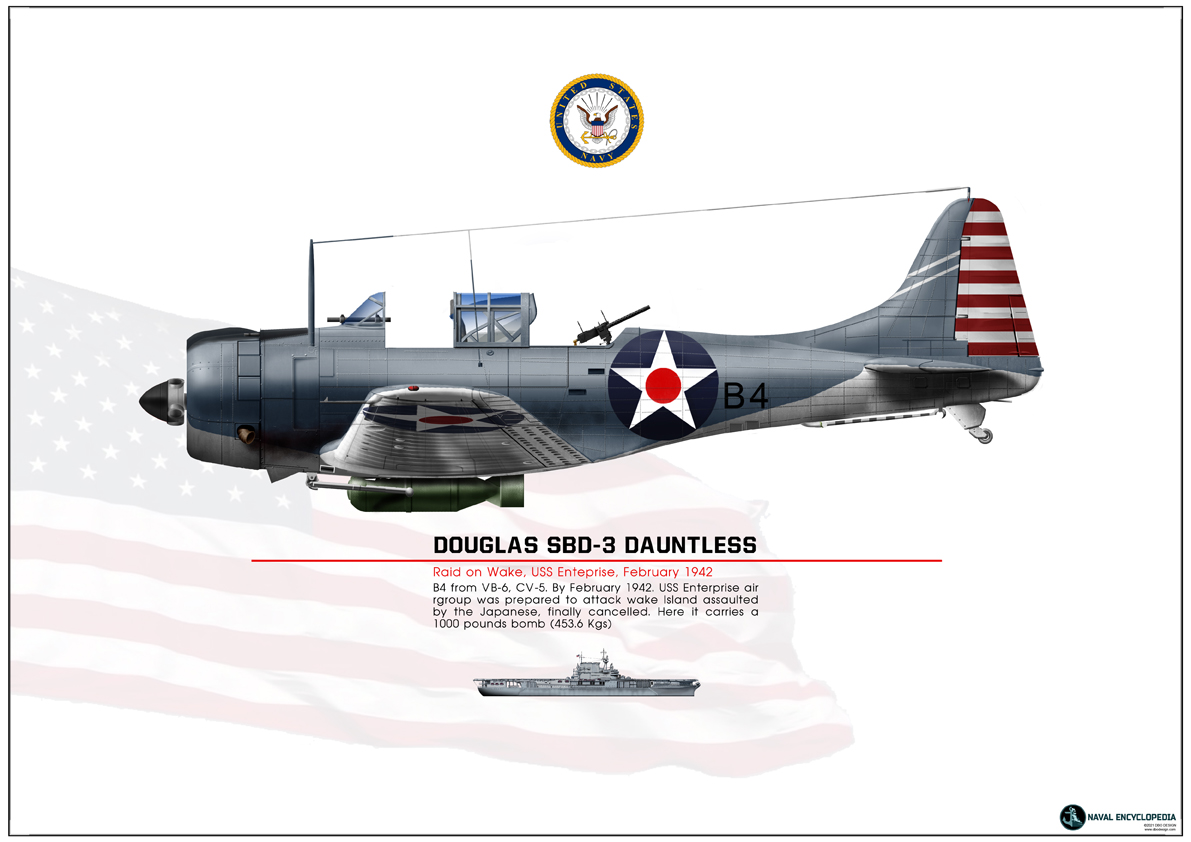
SBD Dauntless USS Enterprise
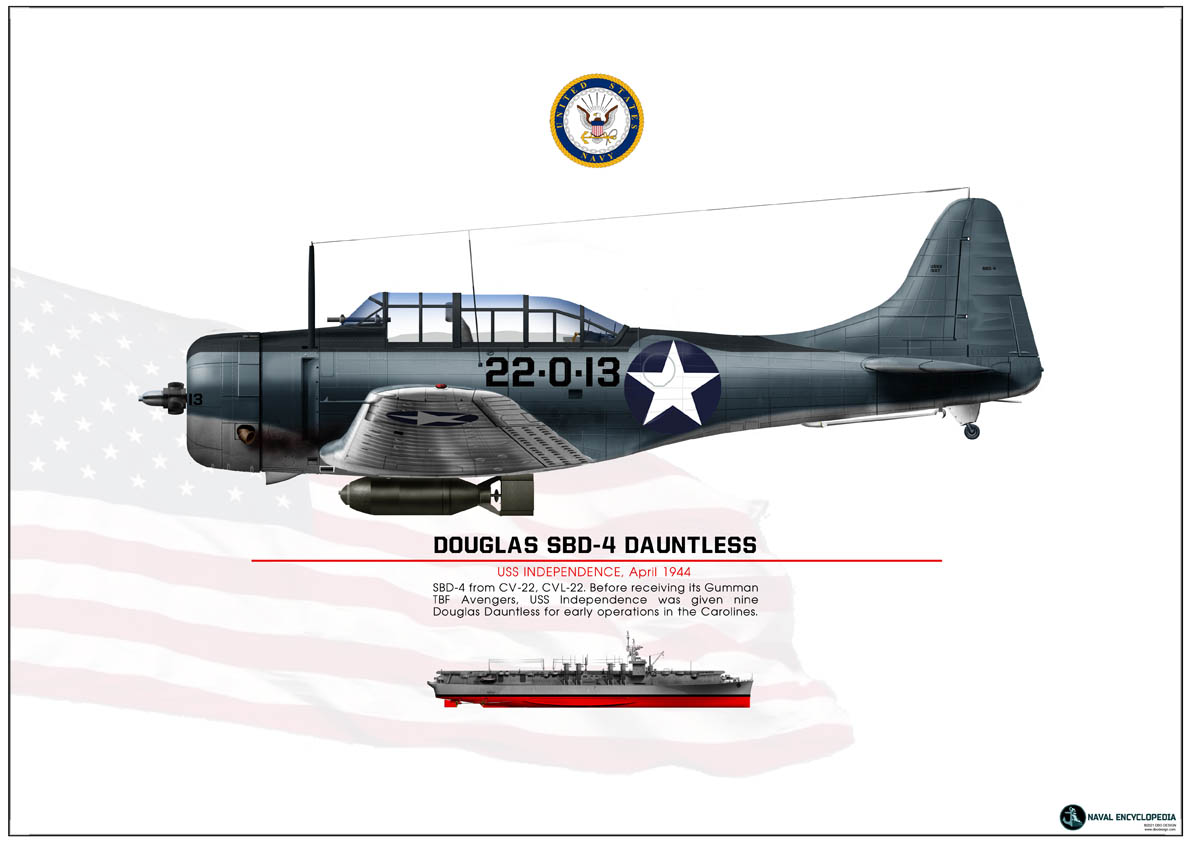
SBD-4 CV22