Nakajima A2N (1930)
 Imperial Japanese Navy ship-based fighter (1930-1937), 106 manufactured.
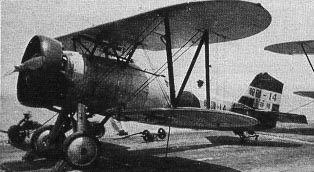 The Nakajima A2N (Type 90 carrier fighter) was an IJN interwar single-engine, single-seat sesquiplane developed for carrier use. It was small, compact, and the first truly Japanese designed carrier fighter in history. It was needed to replace indeed the A1N based on plans from Gloster. Performances were still modest at 292 km/h (181 mph) for 1935 standards, when production stopped, but it was very rugged, to the point of being used in 1937 as dive bomber. That year's saw its last combat deployment but some units still retained A3Ns for training as far as 1940. It was replaced by the roughly similar A4N now capable of 350 km/h (217 mph) from 1935, and the Mitsubishi A5M "claude" and never saw action in WW2.
Development of the Nakajima A2N
In November 1927, Chief Engineer Takao Yoshida was tasked to replace the A1N, the first IJN naval fighter or Navy Type 3 Carrier Fighter (Type 13), first Nakajima model for the IJN, licensed copy of the British Gloster Gambet and manufactured between 1927 and 1929 (150 in two versions), deployed on IJN Hosho, Kaga, Akagi, and Ryujo. The fighter gave satisfaction but was a licenced model which depended still from Britain for many design aspects and logistics and the Navy top brass wanted to gain technological independence while keeping on internaitonal carrier fighter development, still in its infancy. Nakajima’s management knew the IJN was about to ask for the replacement and Yoshida proposed a derivative to gain time of USN's>Boeing F2B and F4B. One example of each was acquired without armament, with Boeing exporting them as the Model 69 and Model 99 respectively. The first was delivered in the summer of 1928, the second in February 1929.The first was pitted against the A1N2 and proved vastly superior. Boeing then offered a production license, but Nakajima declined, determined to produce its own model by taking all interesting ideas in the design. To ensure a faster, more efficient manufacturing Nakajima made effort Mitsubishi didn't: It negotiated a production license with the Bristol to provide the Jupiter VI, at the time a trusted nine-cylinder radial, with all rights and blueprints associated. Nakajima thus created in-house the Ha1 Kotobuki engine. At the time it was rated for 500 horsepower. It was to be mated with a classic two-blade wooden propeller.

AI rendition of an A2N-1/2
Once the engine was secured ands the great lines of the new fighter were inspired by the Boeing F2B, Nakajima proposed on plans its new fighter, that the Imperial Navy accepted and designated as the A2N. This was the same conventional unequal-span biplane of mixed construction, with a steel-tube fuselage, covered in stretched fabric. The wings were however made of wood and plywood. The armament remained british in origin, two 7.7mm Vickers machine guns, noy yet a licence models. The A2N also had a conventional landing gear and open cockpit and resembled more the Boeing model than the British Gloster Gambet, it was far less stocky, a bit more elegant. The A2N eventually made its maiden flight on December 16, 1929 at Nakajima test airfield, enabling a serie of expecting teething issues.
Flight tests revealed indeed this engine was not powerful enough, or conversely the model too heavy as the test pilot found it somewhat underpowered. He also experiences while in manoeuvers fuel stoppages, proof that the fuel tanks were poorly positioned regarding the center of gravity. Chief Engineer Takao Yoshida worked with Jingo Kurihara, former fighter pilot in order to improve the models and the latter contributed a lot in fact to the whole program, bringing at each flight vital and detailed feedback with engineering ideas. Thus, it made another maiden flight on May 2, 1931, two years afterwards. In between the company managed to push the engine to 580 horsepower.
This second flight was assisted by Navy representatives and thus time, both the observers a,d pilot were enthusiastic. Since the production of the A1N stopped two years prior, there was not much room for manneouver and the next day, the Imperial Japanese Navy signed a contract for sixty of these as the A2N1. The first left the factory and entered service in the spring of 1932, so less than a year after the second flight. As it happened Yoshida and Kurihara already worked on an improved version. They redesigned the upper wing with a 5° dihedral and tests showed improved maneuverability plus a better climb rate. In the end, this too, flew, and the IJN ordered forty-two of this second variant as the A2N2 in 1933.
That same year, A2N1s started service on IJN Hōshō, Kaga, and Ryūjō, replacing A1Ns which went into training units. In 1934, the first A2N2s were delivered to the Navy and also joined thse carriers. In July 1937, they were still frontline as the Second Sino-Japanese War flared up. In total, even though the better A4N was also in service, the A2N claimed 18 aerial victories. But from then on, the A5M replaced the last second echelon A2Ns. When WW2 broke out in the summer of 1939 onwards, A5Ms completely replaced it and the last ones vered in training units, were replaced in turn by the A4N. A model that however saw longer service was a derivative of the A2N, the two-seater A3N, and advanced trainer which saw a production of sixty from 1936. There is none of the A2N or A3N today suviving anywhere.
Design of the Nakajima A2N
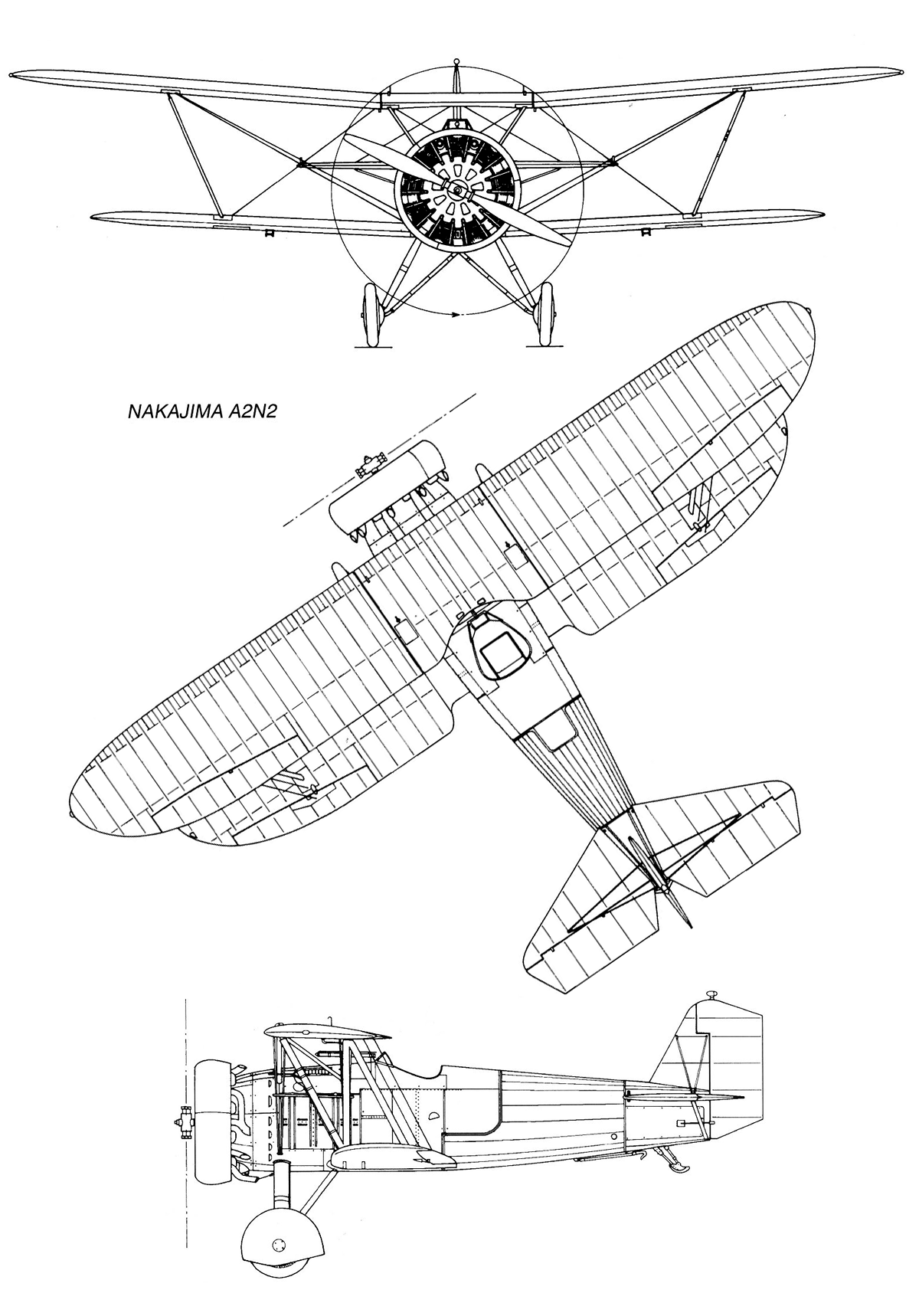 The Type 90 relied on a mixed construction framework typical of the interwar transition period:
Skeleton: The fuselage framework consisted of a durable welded steel-tube structure.
Skin: The forward section and engine decking were paneled in light alloys, while the mid-to-rear fuselage was tightly wrapped in a doped-fabric skin to minimize weight.
Undercarriage: It utilized a rugged, fixed main undercarriage legs braced with a tailwheel rather than a skid. While the initial 1930 flight prototype featured aerodynamically "spatted" (streamlined) wheel fairings, these were discarded in the production run to ease carrier maintenance.
Wing Aerodynamics: The A2N was an unequal-span, single-bay biplane that underwent iterative layout alterations across its three main production batches. The Boeing Taper: Directly copied from Boeing’s design, the wings featured a pronounced taper from the root out to the rounded tips, drastically lowering drag and augmenting top speed.
Dihedral Evolution: A2N1 (Model 1): Built with a flat upper wing and a 3° dihedral slant on the lower wing.
A2N2 (Model 2): Maintained the same wing configuration but reinforced structural strength.
A2N3 (Model 3): Modified to feature a 5° dihedral on the upper wing as well, significantly improving the aircraft's lateral stability during tight maneuvering and carrier approaches.
Powerplant & Propulsion: The breakthrough variant (A2N1) swapped the weak Bristol Jupiter engines of the original prototypes for indigenous Japanese power. It had a Nakajima Kotobuki 2. This was a 9-cylinder, air-cooled radial piston engine capable of pushing out 580 horsepower (432 kW).Propulsion: The Kotobuki engine spun a fixed-pitch, two-bladed metal Hamilton Standard propeller. Cowling: Cylinders were shrouded in a narrow Townend ring cowl to manage thermal regulation while optimizing airflow around the radial cylinder heads.
Armament & Systems: The evolution of the A2N's sub-systems highlighted early structural flaws: The Jamming Crisis (A2N1): The initial production version featured twin 7.7 mm machine guns tucked low into the lower sides of the fuselage. If a gun jammed during high-G combat maneuvers, pilots found it nearly impossible to reach down and clear the breach safely.
The Redesign (A2N2 / A2N3): Designers moved the weapons to the upper engine deck directly in front of the pilot. This repositioning paired the guns with an interrupter gear to fire synchronized rounds safely through the spinning propeller arc.Payload: Below the fabric wings, small racks allowed the carrier fighter to carry two 66 lb (30 kg) bombs for close air support and light dive-bombing missions.
Fuel Tanks: The A2N1 used a standard internal fuselage fuel tank. To lengthen range, later sub-types integrated distinctive external "saddle" fuel tanks contouring both sides of the forward fuselage
| Length: | 6.18 m (20 ft 3 in) |
| Wingspan: | 9.37 m (31 ft 9 in) |
| Height: | 3.03 m (10 ft 11 in) |
| Wing area: | 19.74 m2 (212.48 sq ft) |
| Empty weight: | 1,045 kg (2,304 lb) |
| Gross weight: | 1,500 kg (3,307 lb) |
| Powerplant: | Nakajima "Kotobuki", 433kW |
| Propeller: | 2-bladed fixed-pitch metal propeller |
| Maximum speed: | 292 km/h 181 mph |
| Endurance: | 500 km (311 miles), 3 hours |
| Time to altitude: | Top to 3,000 m (9,845 ft): 5.75 min. |
| Ceiling: | 9,000m (29,550 ft) |
| Wing loading: | 78.5 kg/m² (16.1 lb/ft²) |
| Armament: | 2 x 7.7 mm Type 97 LMGs, ?90kg bombs |
| Crew | 1 pilot |
Variants
In total there were 106 manufactured from 1930 to 1935, and later 66 A3N1 two-seat training variants converted from the single-seater.- A2N-1(Type 90-I): 2 LMGs installed in blast troughs on the lower sides of the fuselage, top dihedral
- A2N-2(Type 90-II): MGs in forward decking, top dihedral, fuel tanks on fuselage sides
- A2N-3(Type 90-III): Dihedral on both wings
- A3N-1: 2-seater variant, 5° dihedral on upper mainplane (66 made).
Operational career of the Nakajima E2N

The type 90 Carrier Fighter was adopted by the Navy in April 1932 and the same year, future ace and Pearl Harbour air wing commander Minoru Genda formed a flight demonstration team, "Genda's Flying Circus" in order to promote Japanese naval aviation verus the IJA's own acrobatic team. The Navy deployed the type on IJN Hōshō as well as IJN Kaga, Akagi, and Ryūjō. Their big test was already ate in their career, with the start of the Sino-Japanese war with the Shanghai incident and follow-on combat:
A2Ns from IJN Kaga, 2nd Carrier Division, flew on operations there and started to clash Navy Type 3 Carrier Fighter (Also Type 13), was a Japanese carrier-based fighter, first Nakajima model for the IJN, and licensed copy of the British Gloster Gambet fighter built by the Nakajima. Between 1927 and 1929 the Imperial Japanese Navy to delivery of Approximately 150 in two versions, A1N1 and A1N2. They helped trained another generation of fighters following the Mistushi 1MF veterans turned officers in 1923-26 deployed on Hosho, Kaga, Akagi, and Ryujo.
In december during the attack on USS Panay, A2N2s made dive bombing tacks on the 12th. In H.D. Perry's "The Panay Incident" it seems these but also A5M "Claudes" and G3M "Nells" also participated in the attack. By 1938 however the A5M, A4N definitively made the A2N no longer relevant and they were sent to rear echelon training units. By 1939 it's unlikely any was still operated, albeit the closely based A3N soldiered on as trainer perhaps until 1940. The Navy indeed introduced its own dedicated trainer, the Yokosuka K5Y "Willow" (1933) was even one the most common IJN model with over 5,900 made.
Gallery
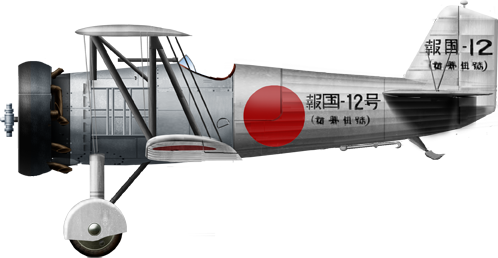
A2N1 tested on IJN Hosho 1932.
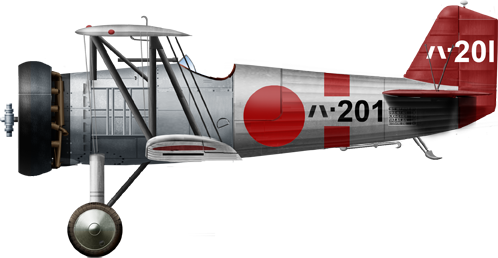
A2N2 deployed on IJN Akagi 1935.
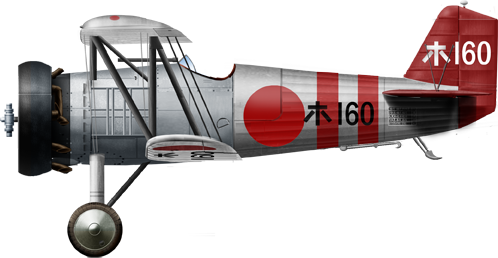
A2N3 deployed on IJN Ryujo 1937.
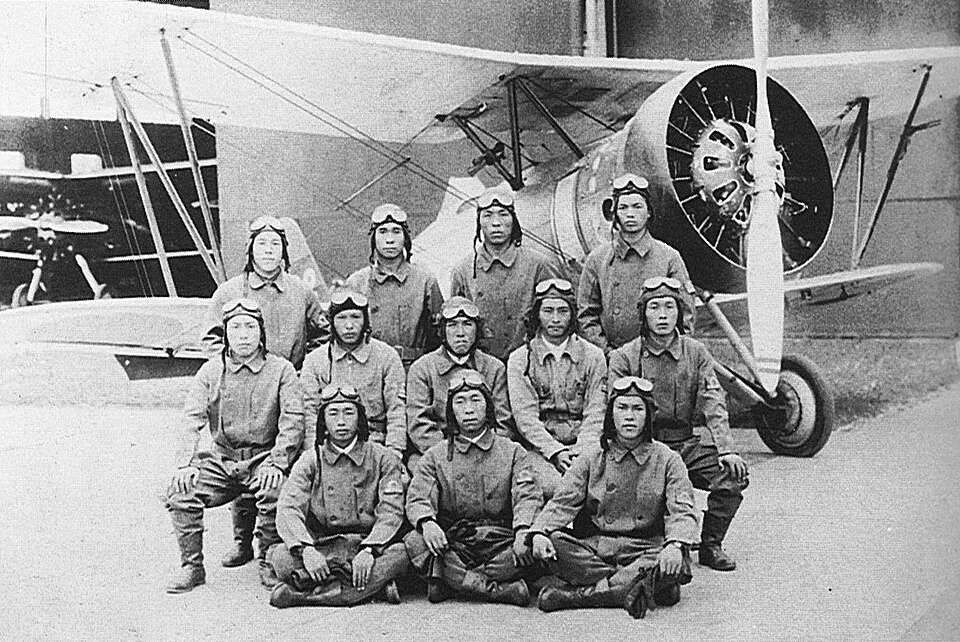
1935 26th Air Students. Members of the 26th Class of Navy Flight Students specializing in fighter aircraft. Front row, from left: Minoru Suzuki, Saburo Shindo, and Toshitaka Ito. Middle row: Tamotsu Yokoyama (far left) and Masao Yamashita (far right). Back row: Tadashi Kaneko (second from left) and Harutoshi Okamoto (third from left). In the background is a Type 90 Carrier-based Fighter.
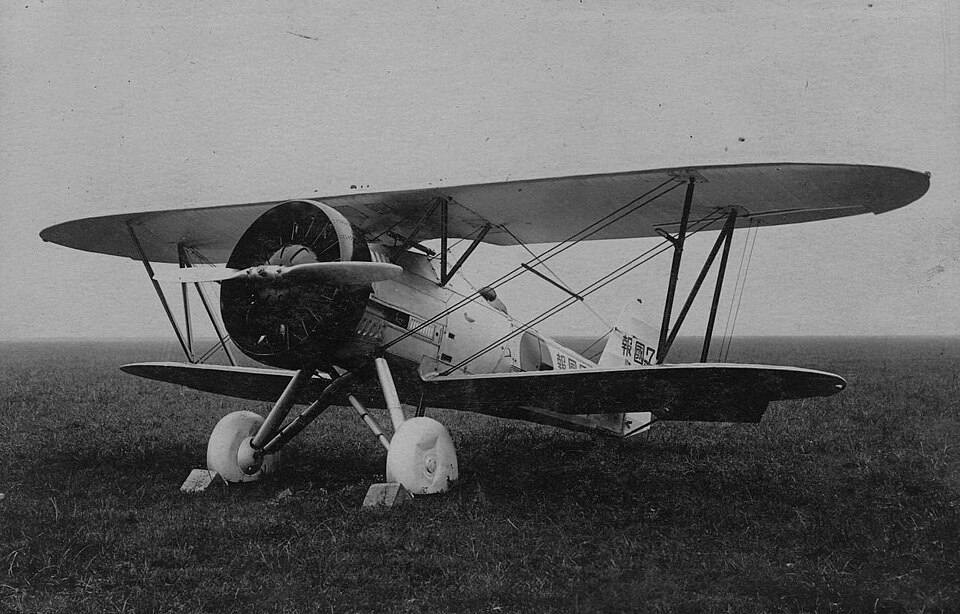
Type 90 Carrier-based Fighter Model 1 (A2N1)
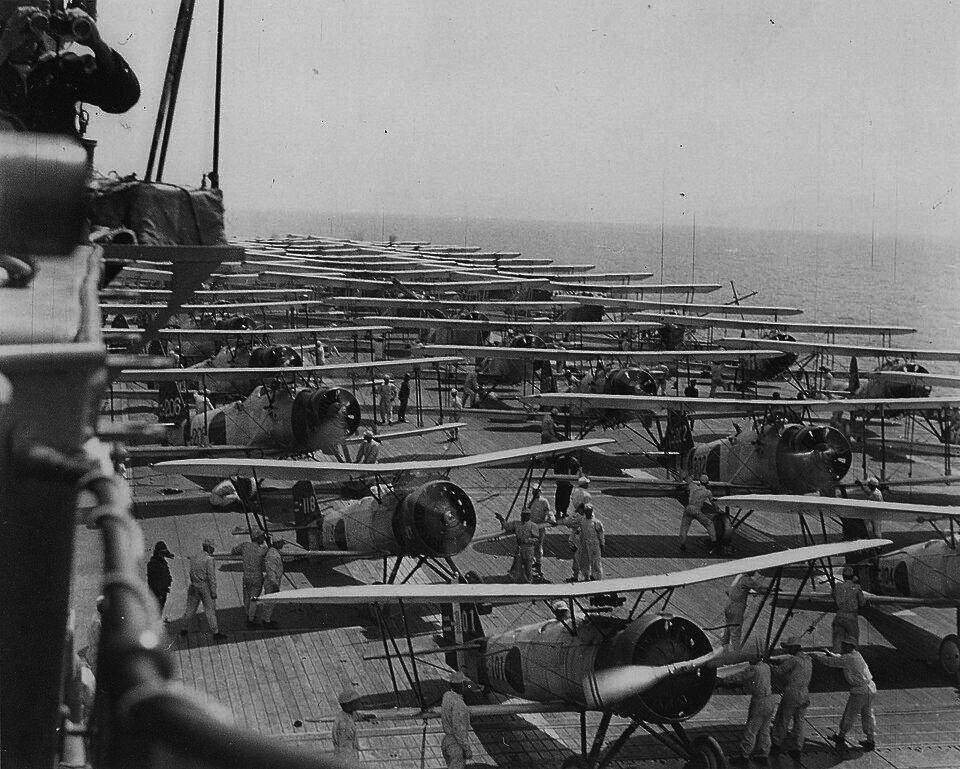
Imperial Japanese Navy aircraft carrier Kaga conducts air operations in 1937. On the deck are Mitsubishi B2M Type 89, Nakajima A2N Type 90, and Aichi D1A1 Type 94 aircraft.
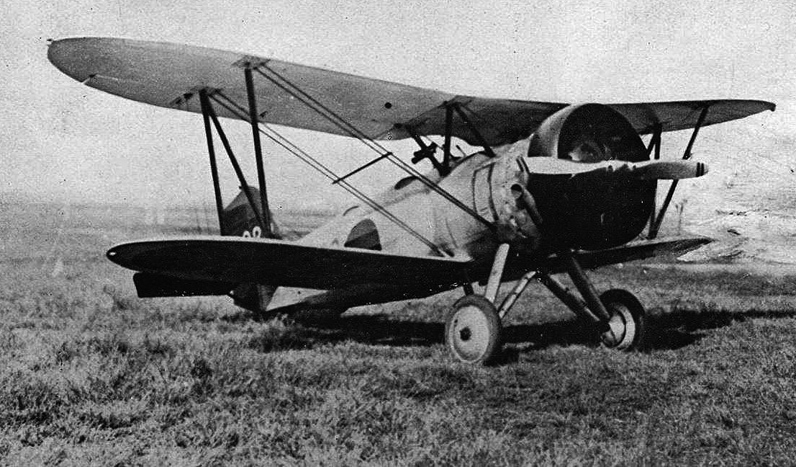
The Type 90 Trainer Fighter is a trainer aircraft created by modifying the Type 90 Carrier-based Fighter into a two-seat configuration.
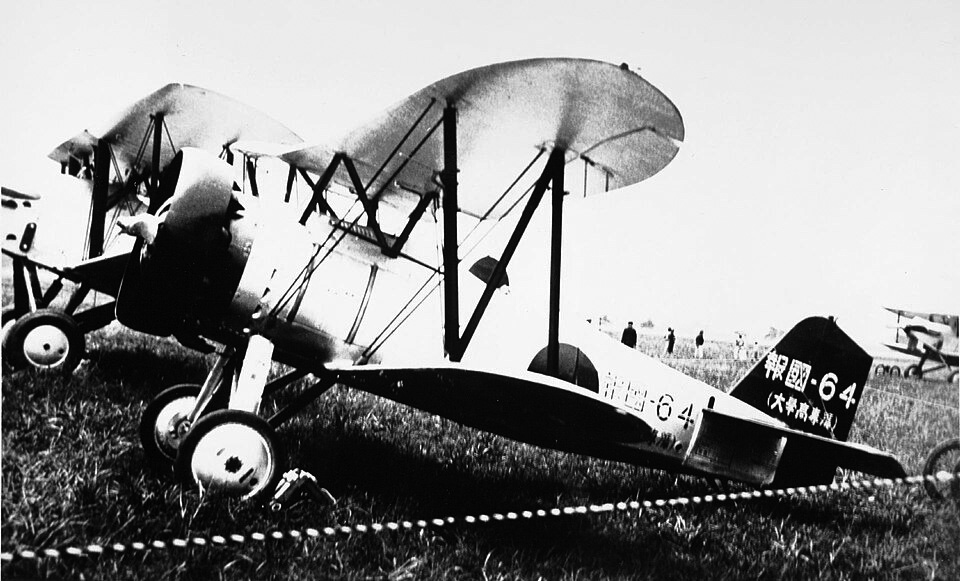
Nakajima Type90 A2N-3 1936
Read more
Links
historyofwar.orgen.wikipedia.org
ja.wikipedia.org
ne.jp/
worldwarphotos.info/
ww2aircraft.net
Video: Not a Pound for Air to Ground
alchetron.com
aviastar.org
avionslegendaires.net
surfcity.kund.dalnet.se
j-aircraft.com
ww2db.com/
ww2aircraft.net
aviadejavu.ru/
historyofwar.org A3N
3D and model kits
Navy Type 15 Recconnaissance Seaplane E2N1. Choroszy Modelbud | No. B56 | 1:72 On scalemates- Lohner E (1913)
- Macchi M3 (1916)
- Macchi M5 (1917)
- Macchi M7 (1918)
- Ansaldo ISVA (1918)
- Short S.38 (1912)
- Sopwith Baby (1916)
- Short 184 (1916)
- Fairey Campania (1917)
- Sopwith Cuckoo (1917)
- Felixstowe F.2 (1917)
- Gotha WD.2 (1914)
- Friedrichshafen FF 33 (1916)
- Albatros W4 (1916)
- Albatros W8 (1918)
- Hanriot HD.2
- Grigorovich M5 (1915)
- Grigorovich M9 (1916)
- Grigorovich M11 (1917)
- IJN Farman MF.7
- IJN Yokosho Type Mo
- Yokosho Rogou Kougata (1917)
- Yokosuka Igo-Ko (1920)
- Curtiss N9 (1916)
- Curtiss H4 (1916)
- Curtiss H12 (1917)
- Curtiss H16 (1918)
- Aeromarine 39
- Vought VE-7
- Douglas DT (1921)
- NAF/Curtiss TS-1 (1922)
- Boeing FB.5 (1923)
- Boeing F4B (1928)
- Vought O2U/O3U Corsair (1928)
- Grumman FF (1931)
- Akron class airships (1931)
- Curtiss F9C Sparrowhawk (1931)
- Curtiss F11C Goshawk (1932)
- Curtiss BF2C Goshawk (1933)
- Blackburn Blackburn (1922)
- Supermarine Seagull (1922)
- Fairey Flycatcher (1923)
- Hawker Horsley (1925)
- Blackburn Ripon (1926)
- Fairey IIIF (1927)
- Fairey Seal (1930)
- LGL-32 C.1 (1927)
- Fokker T.II (1921)
- Fokker T.III (1923)
- Caspar U1 (1921)
- Dornier Do J Wal (1922)
- Rohrbach R-III (1924)
- Mitsubishi 1MF (1923)
- Mitsubishi B1M (1923)
- Yokosuka E1Y (1923)
- Nakajima A1N (1927)
- Nakajima E2N (1927)
- Mitsubishi B2M (1929)
- Nakajima A2N (1930)
- Nakajima A4N (1935)
- CANT 18
WW1
✠ K.u.K. Seefliegerkorps:
 Italian Naval Aviation
 RNAS
RNAS
 Marineflieger
 French Naval Aviation
 Russian Naval Aviation
 IJN Air Service
 USA
USA
Interwar
 Interwar US
 Interwar Britain
 Interwar France
 Interwar Netherlands
 Interwar Germany
Interwar Japan
 Interwar Italy
- Grumman F2F (1933)
- Curtiss SOC seagull (1934)
- Grumman F3F (1935)
- Northrop BT-1 (1935)
- Consolidated PBY Catalina (1935)
- Grumman J2F Duck (1936)
- Brewster/NAF SBN-1 (1936)
- Curtiss SBC Helldiver (1936)
- Vought SB2U Vindicator (1936)
- Brewster F2A Buffalo (1937)
- Douglas TBD Devastator (1937)
- Vought Kingfisher (1938)
- Curtiss SO3C Seamew (1939)
- K-class Blimps (1939)
- Douglas SBD Dauntless (1939)
- Grumman F4F Wildcat (1940)
- F4U Corsair (NE) (1940)
- Brewster SB2A Buccaneer (1941)
- Grumman TBF/TBM Avenger (1941)
- Consolidated TBY Sea Wolf (1941)
- Grumman F6F Hellcat (1942)
- Curtiss SB2C Helldiver (1942)
- Curtiss SC Seahawk (1944)
- Grumman F7F Tigercat (1944)
- Grumman F8F Bearcat (1944)
- Ryan FR-1 Fireball (1944)
- Douglas AD-1 Skyraider (1945)
- Fleet Air Arm
- Hawker Osprey (1932)
- Fairey Swordfish (1934)
- Blackburn Shark (1934)
- Supermarine Walrus (1936)
- Fairey Seafox (1936)
- Blackburn Skua (1937)
- Short Sunderland (1937)
- Blackburn Roc (1938)
- Fairey Albacore (1940)
- Fairey Fulmar (1940)
- Grumman Martlet (1941)
- Hawker sea Hurricane (1941)
- Brewster Bermuda (1942)
- Fairey Barracuda (1943)
- Fairey Firefly (1943)
- Grumman Tarpon (1943)
- Grumman Gannet (1943)
- Supermarine seafire (1943)
- Blackburn Firebrand (1944)
- Hawker Sea Fury (1944)
- Coastal Command
- Vickers Wellington (1937)
- IJN aviation
- Yokosuka E6Y (1930)
- Aichi D1A "Susie" (1934)
- Mitsubishi A5M "Claude" (1935)
- Nakajima A4N (1935)
- Yokosuka B4Y "Jean" (1935)
- Mitsubishi G3M "Nell" (1935)
- Nakajima E8N "Dave" (1935)
- Kawanishi E7K "Alf" (1935)
- Nakajima B5N "Kate" (1937)
- Kawanishi H6K "Mavis" (1938)
- Aichi D3A "Val" (1940)
- Mitsubishi G4M "Betty" (1940)
- Mitsubishi A6M "zeke" (1940)
- Nakajima E14Y "Glen" (1941)
- Nakajima B6N "Jill" (1941)
- Mitsubishi F1M "pete" (1941)
- Aichi E13A Reisu "Jake" (1941)
- Kawanishi E15K Shiun "Norm" (1941)
- Nakajima C6N Saiun "Myrt" (1942)
- Yokosuka D4Y "Judy" (1942)
- Kyushu Q1W Tokai "Lorna" (1944)
 Luftwaffe
- Heinkel 114 (1935)
- Arado 196 (1937)
- Me109 T (1938)
- Blohm & Voss 138 Seedrache (1940)
 Italian Aviation
- Savoia-Marchetti S.55
- IMAM Ro.43/44
- CANT Z.501 Gabbiano
- CANT Z.506 Airone
- CANT Z.508
- CANT Z.511
- CANT Z.515
 French Aeronavale
- GL.300 (1926-39)
- CAMS 37 (1926)
- Levasseur PL.5 (1927)
- Potez 452 (1935)
- Loire 210 (1936)
- Loire 130 (1937)
- LN 401 (1938)
 Soviet Naval Aviation
- Shavrov SH-2 (1928)
- Tupolev TB-1P (1931)
- Beriev MBR-2 (1930)
- Tupolev MR-6 (1933)
- Tupolev MTB-1 (1934)
- Beriev Be-2 (1936)
- Polikarpov I16 naval (1936)
- Tupolev MTB-2 (1937)
- Ilyushine DB-3T/TP (1937)
- Beriev Be-4 (1940)
 Swedish Naval Aviation
- SAAB B17S
-
 Skoda Š-328V
  R-XIII Idro
 Fokker C.XI W (1934)
 Rogožarski PVT-H (1938)
WW2
 ☍ USNA
- De Havilland Sea Vixen
- Hawker Sea Hawk
- Supermarine Scimitar
- Blackburn Buccaneer
- Hawker Sea Harrier
- Douglas A4 Skyhawk
- Grumman F9F Panther
- Vought F8 Crusader
- McDonnell-Douglas F-4 Phantom-II
- North Am. A5 Vigilante
- TU-142
- Yak 38 forger
☢ Cold War
✧ NATO
Fleet Air Arm
 US Navy
☭ Warsaw Pact
Merch
Seafire Mark 45; HMS Pretoria Castle
Zeros vs its aversaries
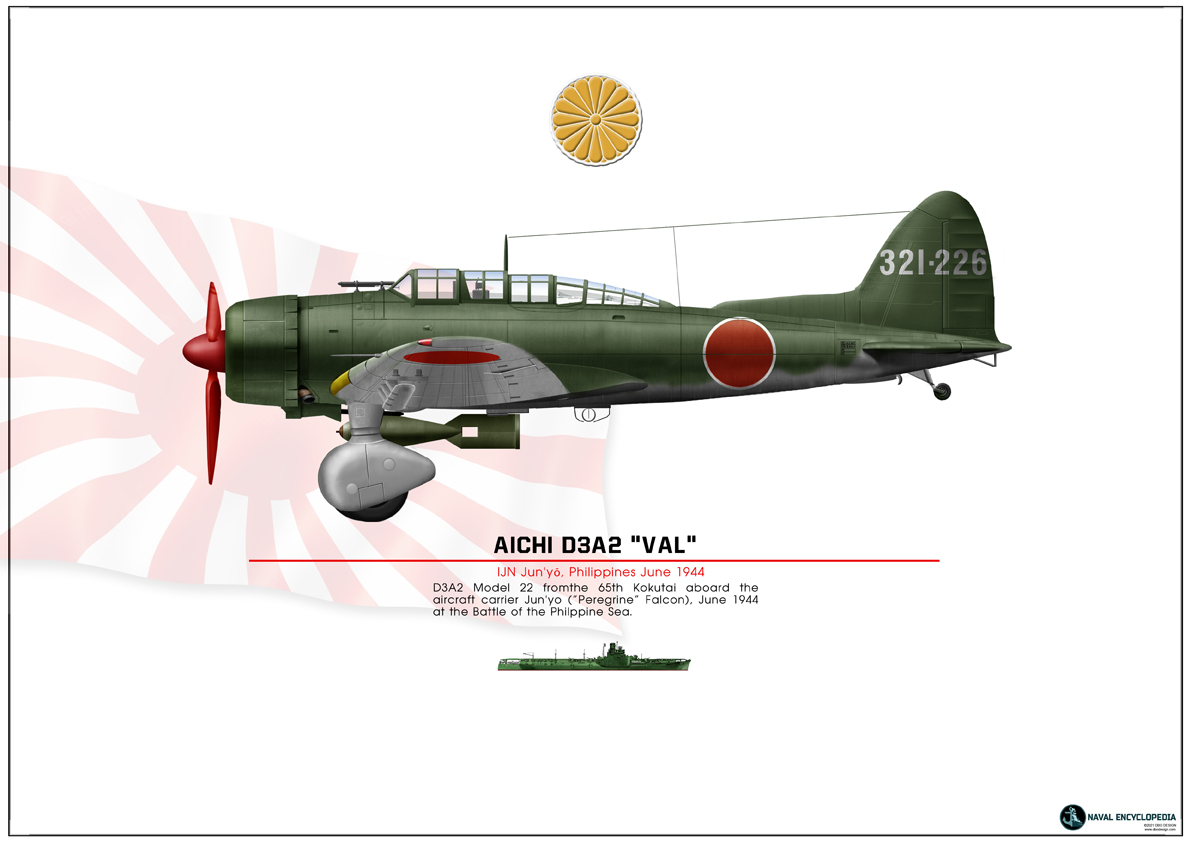
Aichi D3A “Val” Junyo
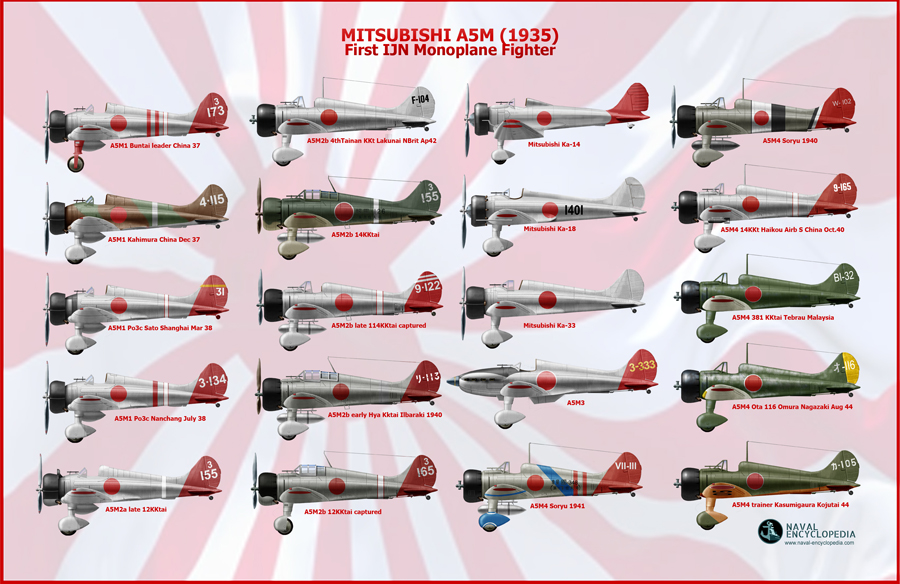
Mitsubishi A5M poster
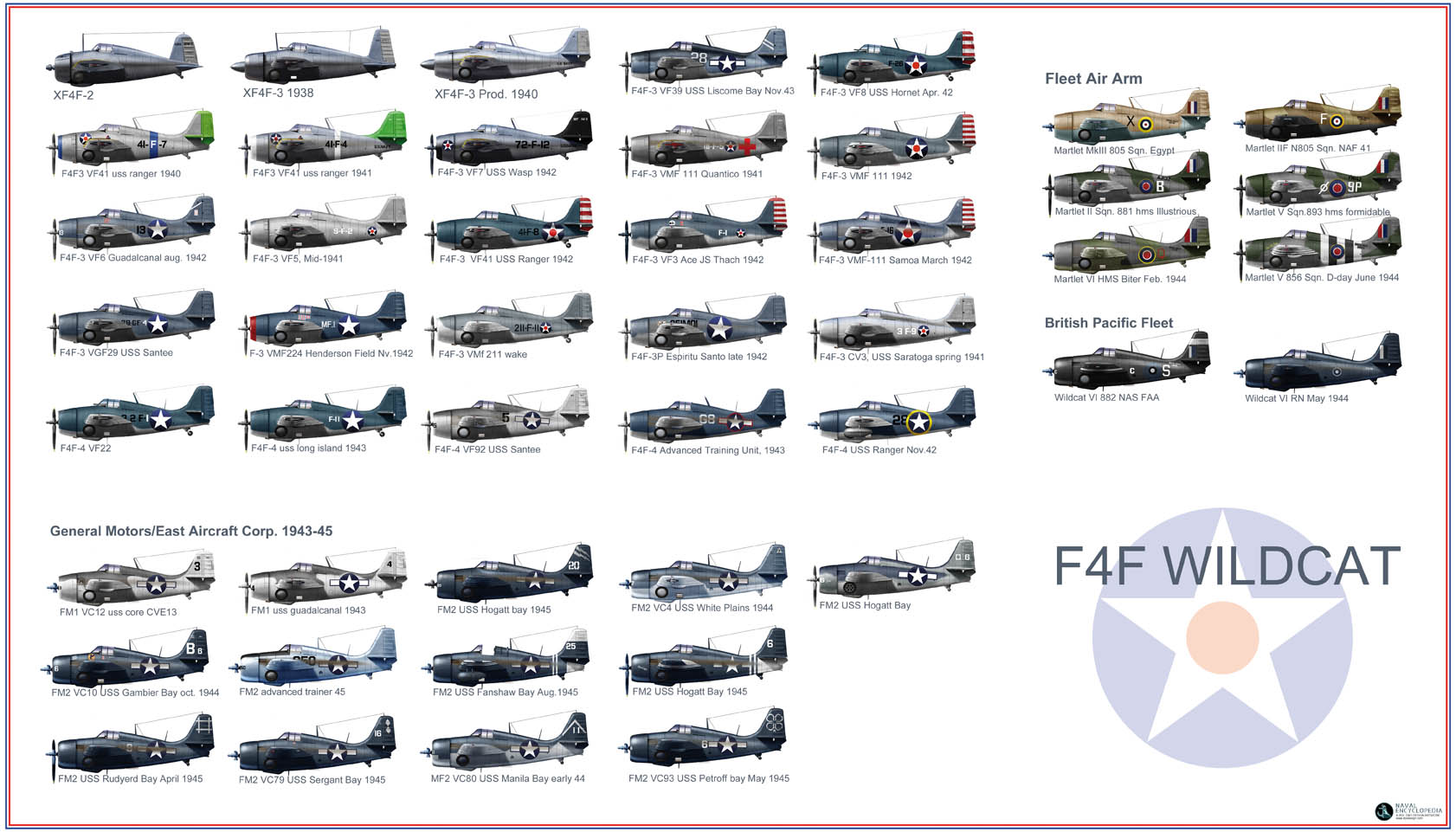
F4F wildcat
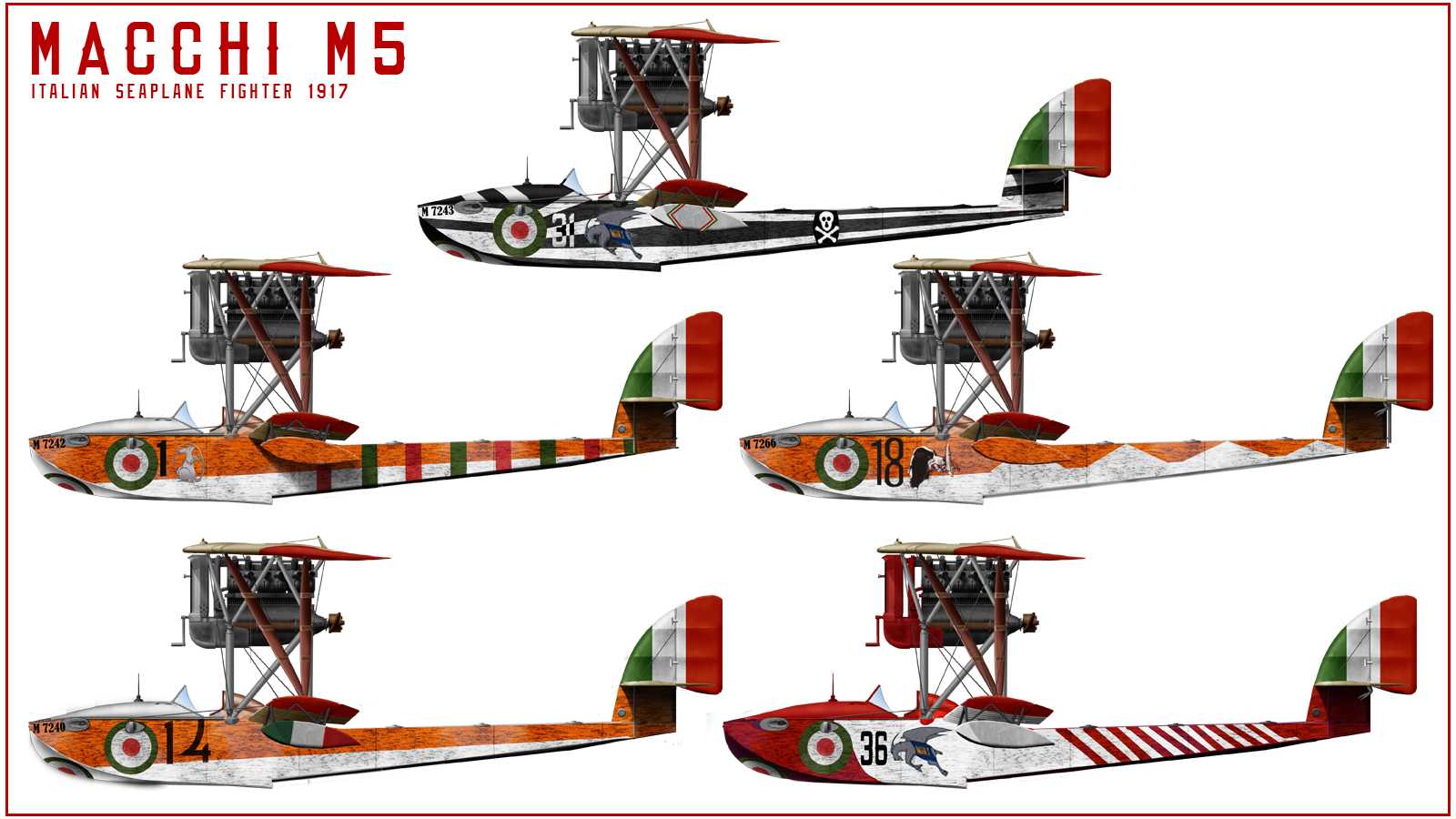
Macchi M5
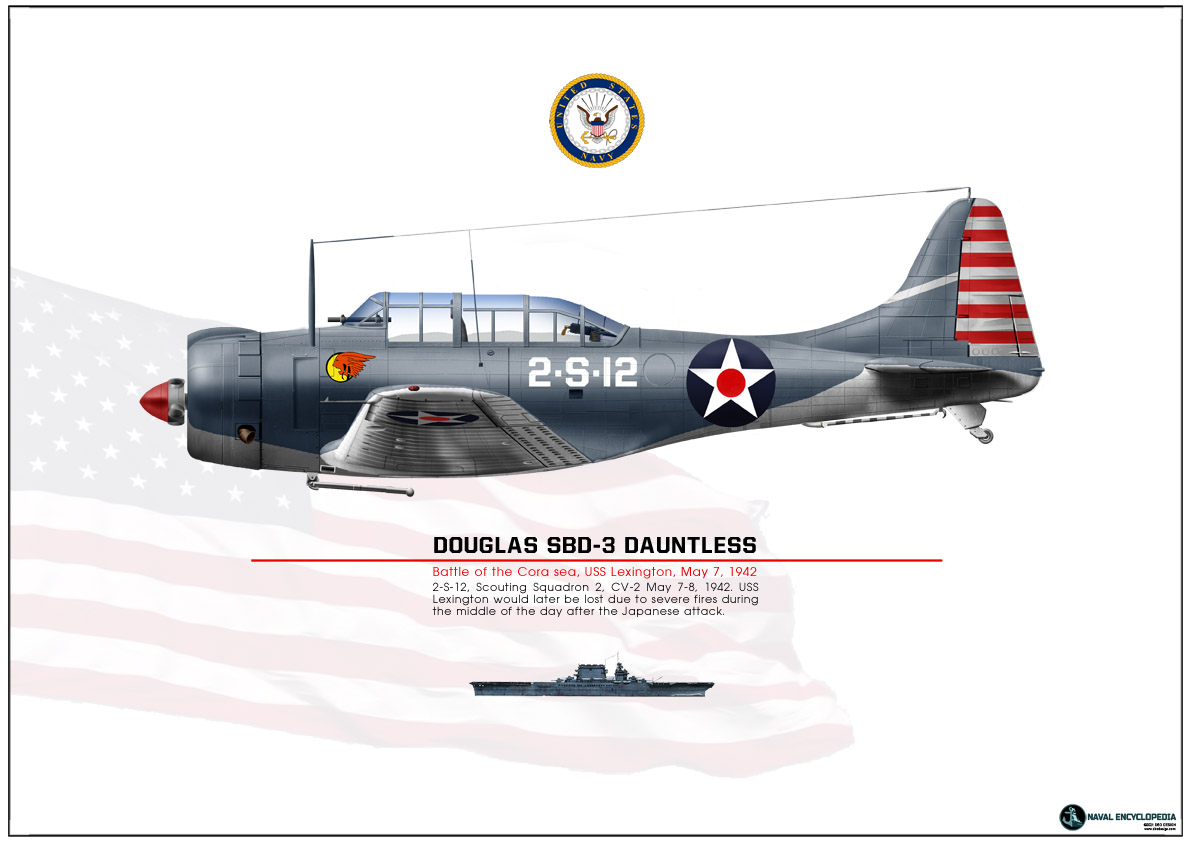
SBD Dauntless Coral Sea
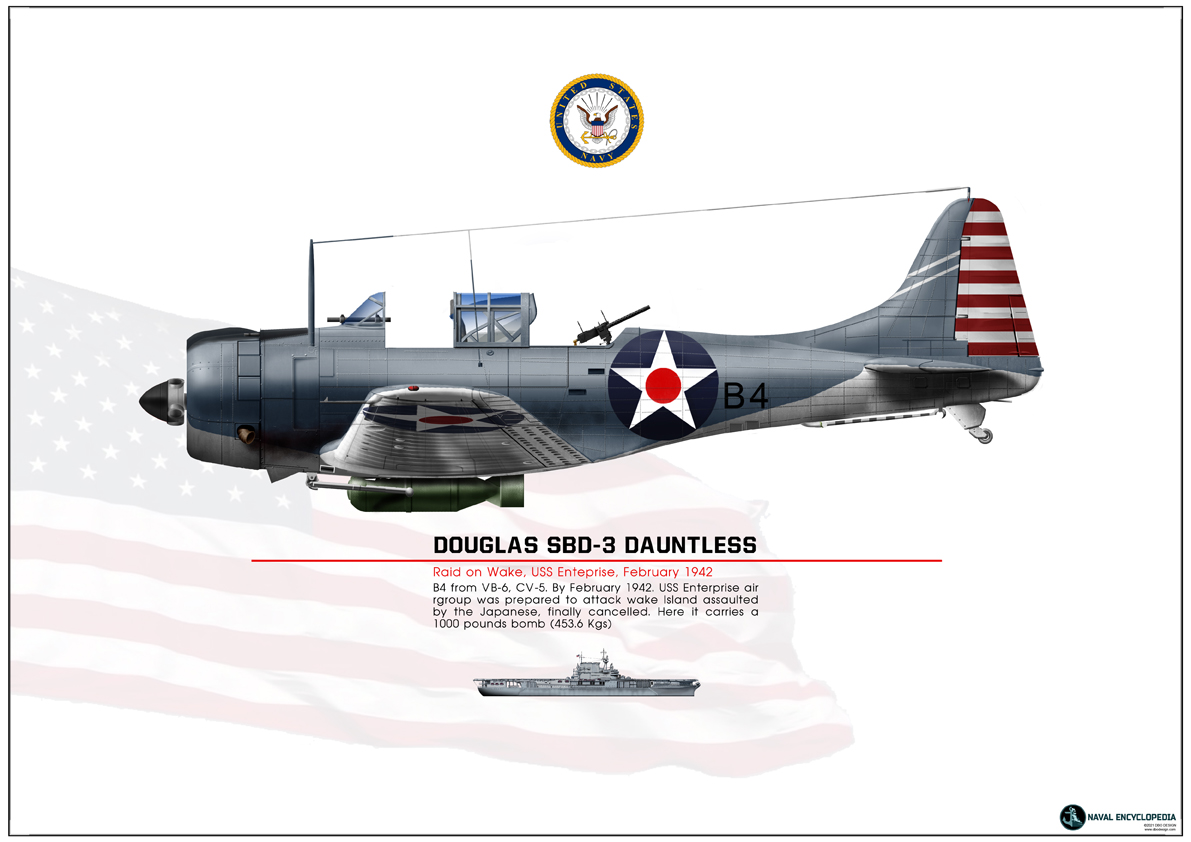
SBD Dauntless USS Enterprise
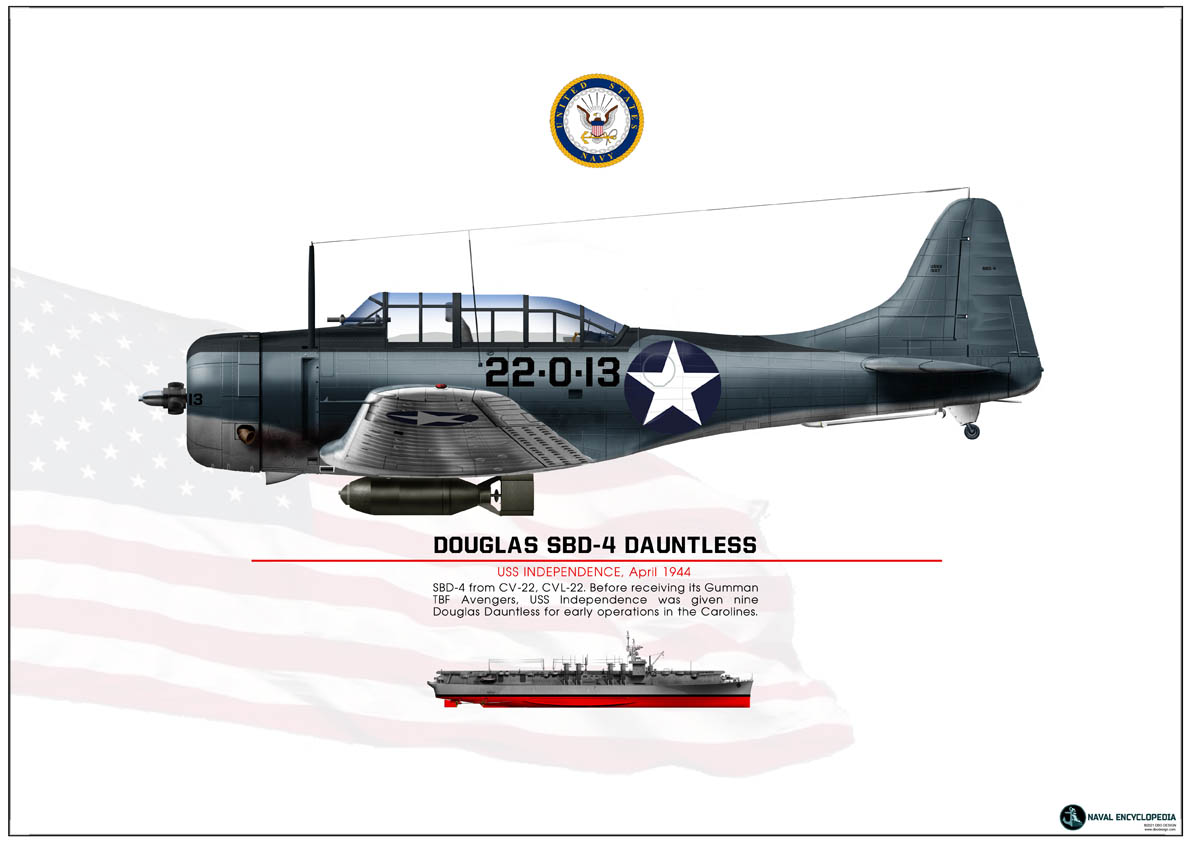
SBD-4 CV22