Gotha WD.2 (1914)
 Marine-Fliegerabteilung
25 WD.2 seaplanes manufactured 1914. In service until 1918.

About Gothaer Waggonfabrik AG
One of the most famous German aircraft Manufactorer of the First World War. Its bombers were at the origin of the first London Blitz in Britain, and it notably became famous for its giant 4-engine 100ft span Gotha WD.27. The origins of the company however went back before the war, and they took part in the collective assembly of the first go-to German recce plane, the Taube (Dove), designated LE.3, making only a small number of these. From 1914 the company also made the LD.1a, developed from the civilian version, another scout powered by a 100-hp Oberursel U.I engine.But the company soon joined the restrictive club of seaplane manufacturers, by creating a seaplane variant of its reconnaissance mode, the WD.1, fitted with twin floats, and small single float under the tail section as customary of the time, and then powered by a 100-hp Gnôme engine. Just Five WD.1s were supplied to the German Navy via its air component, the Marine-Fliegerabteilung. The initial "WD" stands for "Wasser Doppeldecker".
Gotha Seaplanes Lineage
Early floatplanes (1913–14)WD.2 > WD.3 (prototype, pusher) > WD.5 > WD.7 (trainer) > WD.9 > WD.12 > WD.13 > WD.15
Other experiments: WD.11 > WD.14 main production torpedo line.
Parallel branch:
WD.22 > WD.27 (large 4-engine patrol seaplane)
So from the WD.3 (1915) reconnaissance prototype with a pusher engine layout and underpowered, so not accepted for production, Gotha continued experimentation with layouts, pusher vs tractor, roles, and naval requirements. The WD.5 was a modified WD.2 after an engine change, but it was still rejected for reconnaissance. However the WD.7 of 1916 was large enough to carry a torpedo and became the first company's torpedo training seaplane, an important stepping stone. The WD.12 and WD.13 were reconnaissance and patrol derivatives that only saw limited or export us. But the WD.7 was critical as it cemented the layout used for later operational torpedo aircraft in service of the Kaiserliches marine, an area where it lacked behind Britain.
Then came the first successful operational lineage, from trainer to combat aircraft with the WD.7 trainer that evolved into the WD.11 (1916–17) Torpedo bomber floatplane, much enlarged, as a more powerful development of the WD.7 but only 17 were built, and it saw limited combat success. Then came the Gotha WD.14 (1917), a further developed torpedo aircraft and frst major production type of the company with c60 built, sporing improved power and payload.

WD3

WD8
There were also parallel heavy and multi-engine developments, separate from the smaller torpedo line, but derived from its successful 2-engines bombers as large maritime patrol aircraft like the WD.22 (not well documented, precursor) and the WD.27 (1918) very large four-engine patrol seaplane intended to replace Zeppelin reconnaissance models. Only prototypes were made, and possibly few, if any, eally flew before November. But this was a powerful a shift toward “Riesenflugzeug” (giant aircraft) concepts. Other prototypes included the UWD (seaplane version of Ursinus design), the WD.8/WD.28 proposed developments and various export or one-off patrol types.
Gotha WD.1
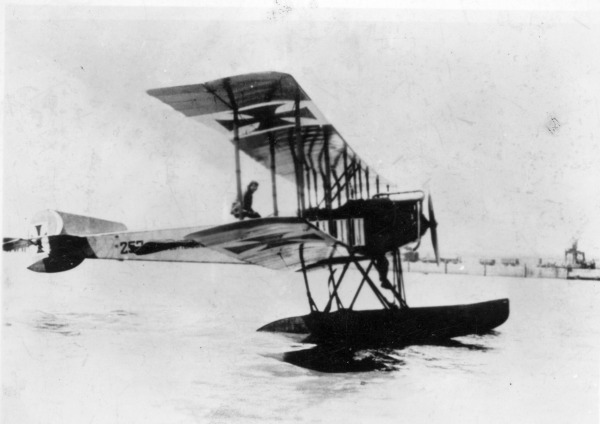
This pre-war design from Karl Rösner was derived from the Avro 503, and five WD 1 and 1a saw service on coastal patrol duties in the summer and until the winter of 1914 befire being relegated to training. In April 1914 a WD 1 prototype flew from Warnemunde seaplane station to Denmark to show its capabilities in February 1914. It was powered by a 100 h.p. Gnome engine under licence, with a span of 14.1 m. (46 ft. 34 in.), a fuselage length of 10.3 m. (33 ft. 9 5/8 in.) and wing area of 50 sq.m. (540 sq.ft.). It weighted just 900 kg. (1,980 lb.) empty, 1,220 kg. (2,684 lb.) fully loaded, but top speed was limited to 90 kph (61.75 m.p.h.), altitude to 2,500 m. (8,200 ft.).
Next came the No.s 285 to 289, built and delivered in mid-1914 with a 100hp Daimler D I (top level speed 90 kph (56 mph) at sea level and climb to 3,200 feet in 24.5 minutes. It master ace ws its exceptional range of 540 km. The first prototype WD.1 had no serial and remained in the company for training and tests. However the N°2 (285) took part in the prewar Ostseeflug Warnemunde 1914 competition with the Gotha name painted on the fuselage, purchased by the Navy. It was characterized by its long stepped floats projecting far backwards behind the pilot's seat but no float was attached to the rudder. They had national insignia and pennants on the outer struts. N°285 was attached to the Chanak seaplane station in Turkey from December 1915, and N°286 at the nearby Kawak naval base for Black sea Operations.
WD.2

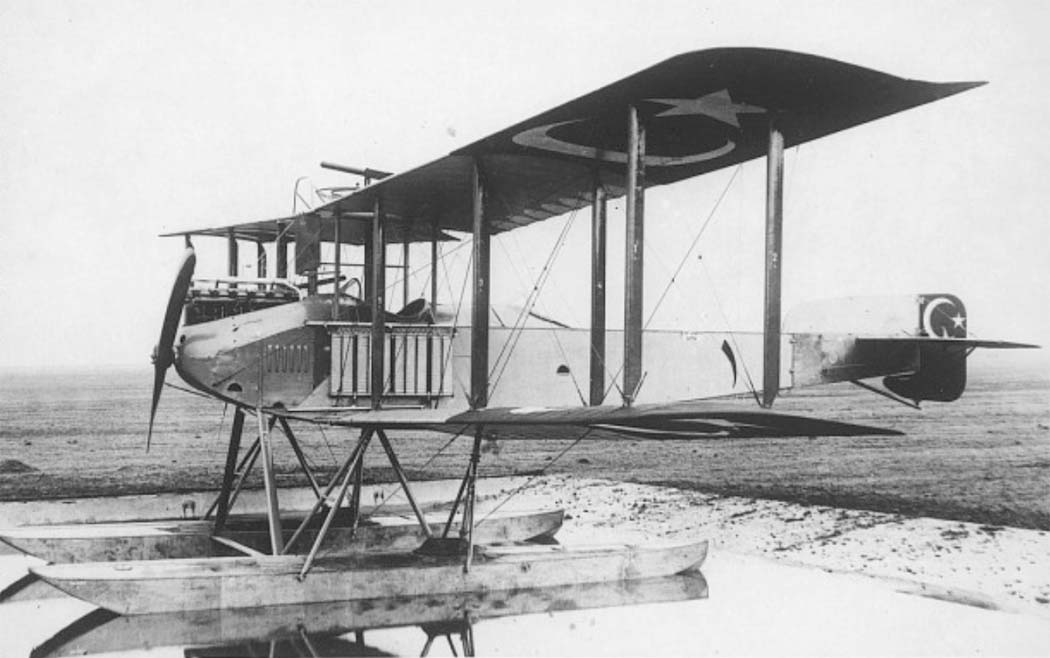
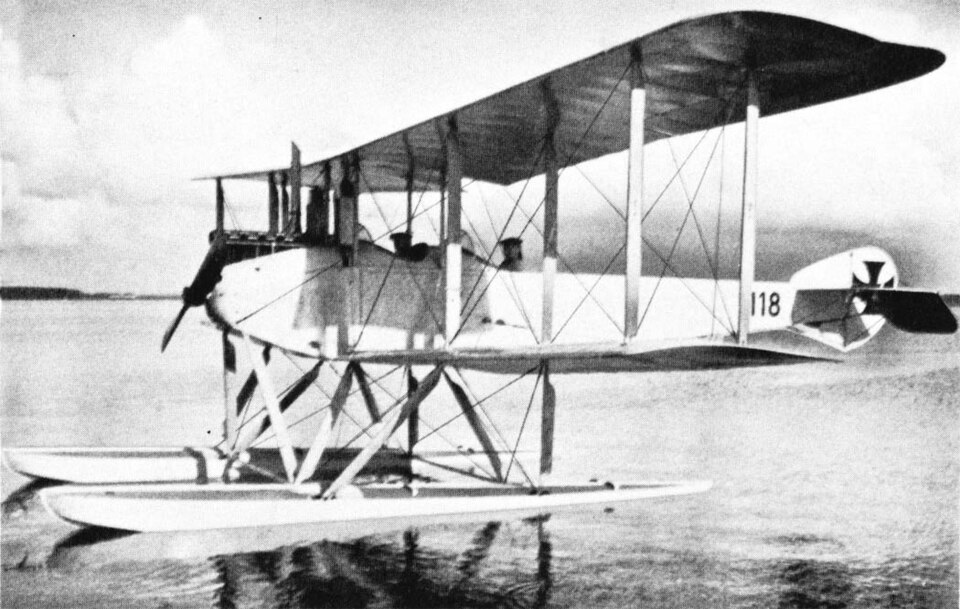
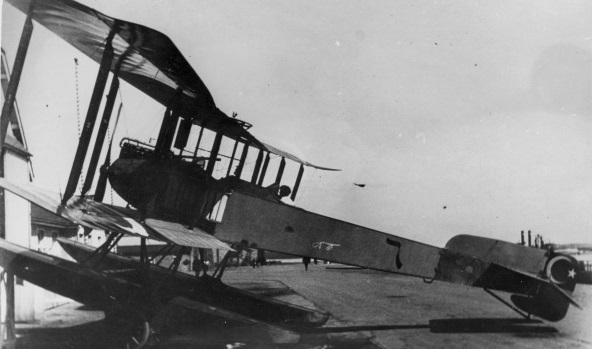
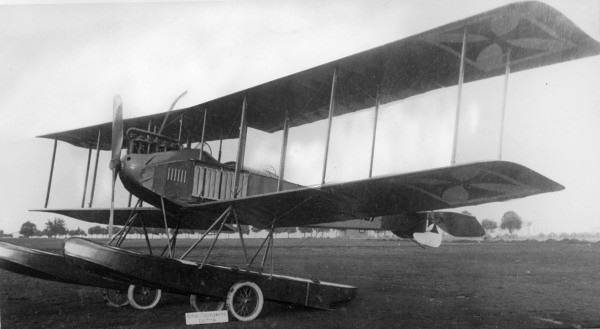
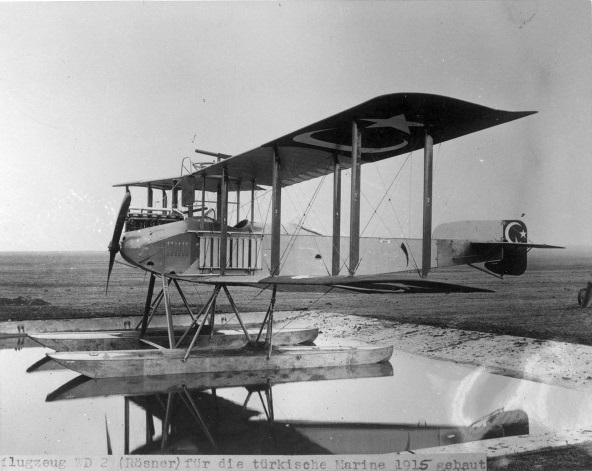
From there, Gotha developed a whole family of military reconnaissance aircraft before and in the early part of World War I. The first was of course the WD.2. It was a derivative of the WD.1, itself a development of the Avro 503 built under licence prewar by Gotha. The company started tinkering with the design after five had been made, and if the basic design of a conventional three-bay biplane with tandem, open cockpits was unchanged, the landing gear and its twin pontoons was now dispensed with the small pontoon under the tail. The general shape of the pontoons remained the same essentially. They were unarmed while in Kaiserliched Marine servive, but those supplied to the Ottoman squadrons received a 7.92 mm (.312 in) machine gun in a ring mount, upper wing and still accessible to the observer directly below it.
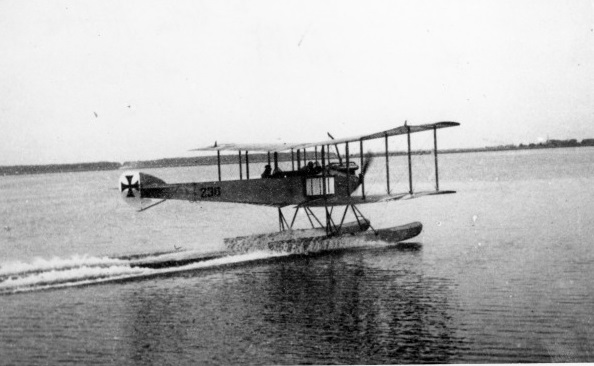
The first WD2 floatplane was powered by a 150 hp Rapp engine. It was shown in the Ostseeflug Warnemunde 1914 competition, as the N°19a., also with "Gotha" painted on the fuselage, also purchased by the Navy, assigned Marine Number 61. N°236 was powered by a 160 hp Mercedes D.III and at least three WD2 with this same engine were accepted and sent to the German Wasserfliegerabteilung in Turkey, starting operations by October 1915, plus at least ten delivered to Turkish forces. This made for a total of c27 for the WD.2. Most records are based on photos.
WD.2a
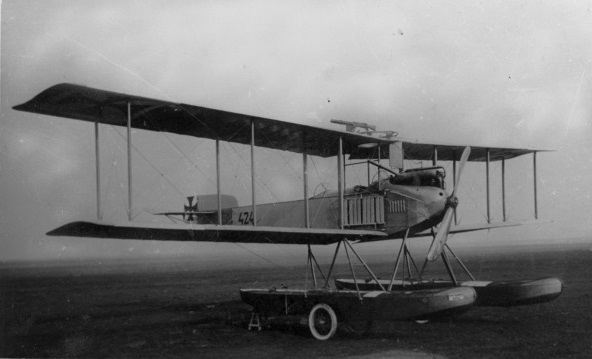
The WD.2a was the late "production" model, or 'small wing' version, sporting Marine Number 424 without MG turret and with a new exhaust. But later it was armed with a Parabellum LMG 14 in a top wing gun turret installation. It first flown in July 1914, not with the previous 150 hp Rapp inline engine, but 160 hp Mercedes D.III engine for the best performances. Built for long range reconnaissance, its top level speed was just 95 kph (59.5 mph) at sea level, while its range was now improved to 670 km (415 miles). As second WD.2 was made, marine number 425, sporting add-on wheels and tail skids attached to their floats to enable overland flights to Turkey. Both had a gun turret for the observer, and one was credited by a first aerial victory of the type victory in Jan. 1916 from Kawak base (Flgobmt Wilhelm Schubert (pilot)/Flgmt Werdier (observer). They splashed a Farman east of Tenedos.Design of the Gotha WD.2
The WD.2 was the model that quickstarted the "light" lineage. The starting point was a reinforced structure compared to the WD.1 in order to manage the new 150HP Mercedes Bz.III in-line engine. The WD.2 kept the same two-bay biplane apearance, with equal span for the upper and lower wings but the upper ones had extra flap extensions. The Gotha WD.2 dropped the tail float as seen above, but also had a new rudder, of much extended shape, unlike the original one. It was extended forward iof the tail, but shape changed among models. It seems the three Turkish models had a longer, almost straight upper extension, while other German models had a more rounded extension. In both cases, the ailerons had the same quarish look, with rounded edges. The tail, ailerons, and wings were all made of wooden frames and profiles, covered and wrapped by doped canvas.The fuselage was composite, made of plywood most of its lenght, but reinforced internally by wooden frames attached by metal brackets. The forward part comprised the engine with an all-metal hood, protected by the typical German early industrial method of coating over the aluminium alloy. The forward part of the inline engine was embedded in a rounded cone, followed by the main metal frame supporting the engine, which pistons heads were in open air. The side panels for maintenance were dotted with louvres. There was also a step forward to access on top of the fuselage and inspect the upper wings. One peculiar aspect was the presence of a large underwing fuel tank working by gravity, and two side radiators either side of the pilot's cockpit. The entire coskpit area was all metal, but the lower fuselage was plywood, with another step for the observer.
The two floats were of the flat type, wide but with limited draft. They were composed of a straight dorsal part, made all in plywood bu with a forward metal end and internal bulkheads to protect from a puncture. They were fixed underwings by a serie of two V shaped struts (base below) and an intermediary bracing strut. The first "Vee" had a transverse step bar for the pilot. The aft "Vee" had an extra axial strut. in front of the floats were another pair of struts fixed to the fuselage's forward engine nacelle. The upper wings were attached to the lower wings by six straight struts making for a standard cabane, with two extra struts in the fuselage itself. The ailerons aft were compensated but not strut-supported. There was a skid behind the tail, supporting its lower axle and acting as resting skid when the aircraft on its land undercarriage chassis frame, was off-balanced with its tail down.
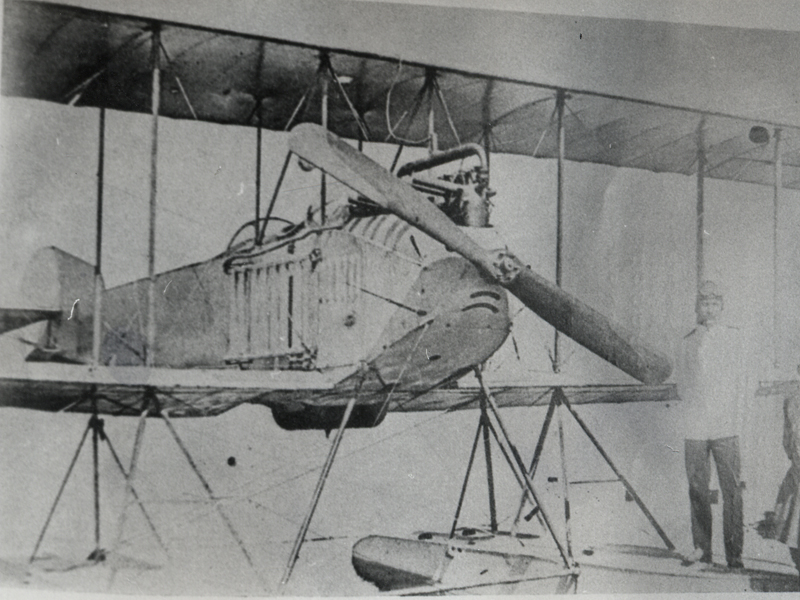
Gotha DW II forward engine
The Mercedes Bz.III in-line engine was a six-cylinder, water-cooled, inline engine developed in Germany in 1914, which powered most of the central power aviation. This engine developed 112 kW (150 hp) at 1,400 rpm from 14.3 L (875 cu in). It was ultimately replaced by the unrelated Benz Bz.IIIa and eventually the V-8 Benz Bz.IIIb. It was also built under licence in Sweden. It had a Bore of 130 mm (5.118 in), a stroke of 180 mm (7.087 in) for a displacement of 14.3 L (873 cu in) and a dry weight of 270 kg (595 lb). Its valvetrain comprised one camshaft in the engine block, driving one inlet and one exhaust valve per cylinder via pushrods and rocker arms (overhead valve). The Cooling system rested on Water (the water tank worked by gravity, located under the upper wing). This engine had a power output of 112 kW (150 hp) at 1,400 rpm and specific power of 8.4 kW/L for a compression ratio of 4.7 and sSpecific fuel consumption of 310 g/kWh. Performances are described below.
⚙ specifications | |
| Length: | 10.5 m (34 ft 5 in) |
| Upper wingspan: | 15.6 m (51 ft 2 in) |
| Wing area: | 56 m2 (600 sq ft) |
| Empty weight: | 1,065 kg (2,348 lb) |
| Gross weight: | 1,630 kg (3,594 lb) |
| Powerplant: | Benz Bz.III 6-cyl. WC in-line piston engine,110 kW (150 hp) |
| Maximum speed: | 112 km/h (70 mph, 60 kn) |
| Range: | 670 km (420 mi, 360 nmi) |
| Endurance: | c3 hours |
| Ceiling: | 3,000 m (9,800 ft) |
| Crew | 2: Pilot, Observer |
| Armament | None, Turkish versions 8mm Spandau LMG |
The WD.2 in Turkish Service
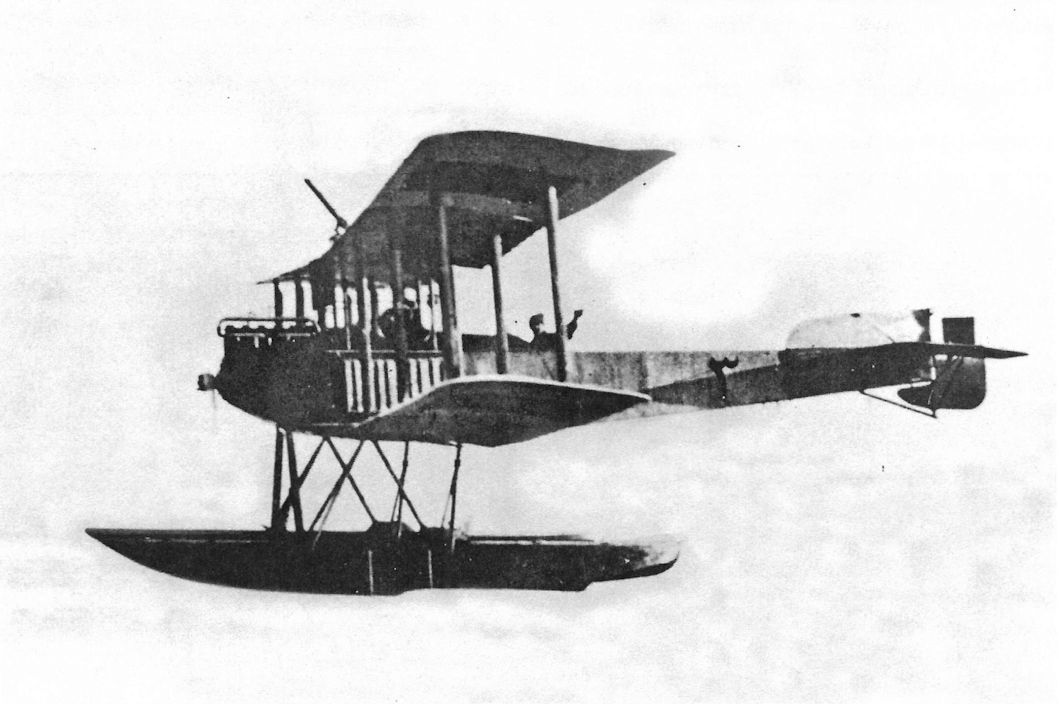
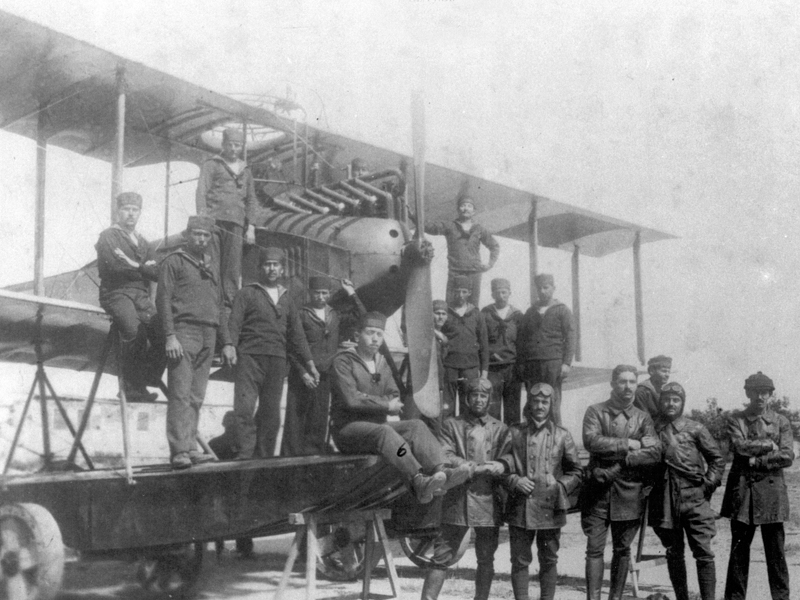
By April 25, 1915, when Entente forces landed on Gallipoli and established beachheads, the 1st Flying Department of the Turkish Ottoman Imperial Navy requested seaplanes to Germany. The German Imperial Navy Department agreed and soon five Gotha WD-1 seaplanes were scheduled to be delivered, flown by with five aviation volunteers plus five merchant navy officers as observers. Maintenance was tasked to 10 civilian mechanics from Gotha. Lt. Cdr Ernst Liebmann was appointed commander of this formation, all dressed in civilian clothes when travelling by train through still-neutral Romania and Bulgaria, to Constantinople. Shortly after arrival, three Gotha WD-1s and pilots reached the capital. The trip went through Herkulsád in southern Hungary to mount wheels under the floats, to be flown over hostile Serbia and Romania at about 1,000 meters. They were lightened up, having no observation equipment but with a spare propeller. Bulgarian authorities however allowed a secret stopover at Lom Palanka and from there, they ended on rail up to San Stefano.
Admiral von Usedom instructed Liebmann to find a suitable location to operate the squadron over the Dardanelles, for reconnaissance missions, dropping light bombs if practicable over enemy lines. They were to also to warn the Ottoman flee about possible crossings of British submarines through the straits. Operations started from San Stefano in the Sea of Marmara but Liebmann reported the station in a hopeless state, an old, crumbling tent, broken runway, an old French seaplane no longer flyable. In addition during the transport partly overland, important parts and tools had been stolen or lost, so re-supply from Germany was needed, and only afterwards by mid-June the seaplanes were ready for use, two transferred to Çanakkale, a third from San Stefano to defend the Bosphorus.
The "Department of the Special Command of the Imperial Navy in Turkey" had a first combat sortie on July 28, 1915 over Lemnos, dropping a bomb on a British tent camp. Three days later Lt. Two sortied and dropped four bombs on the Tenedos airfield. One attacked balloons on Imbros and two even performed a night raid on allied warships. The other days were spent patrolling the Sea of Marmara. On August 6, the Entente landed troops at Suvla and three days later, one reported the sinking of a submarine (never confirmed). A few weeks later five more WD-1 and WD-2s arrived and by late 1915, 5 of 12 WD-1/2s were lost to accidents or weather but they had performed 150 combat sorties, dropping two hundred 10-kg bombs on land and ships.
Meanwhile, the Allied command decided to end the campaign in November, and plans for evacuation from the peninsula were activated. The first phase was in the night of December 18-19, with sorties by German floatplane to disrupt operations, with no less than 19 bombing raids on camps and warehouses, four ships attacks. British and French pilots were unable to prevent these. Attacks continued on Cape Helles, the last stronghold, until evacuated. Operations were then shifted to the Black Sea and by the fall of 1915, a seaplane station was established in Kavaç. No. 239 (WD-2), 240 (WD-2), and 286 (WD-1) were stationed there, and led reconnaissance missions of Russian minefields, ensured ships safe passage, even engaging light Russian naval forces. In 1916, four more seaplanes were lost to accidents or breaking down.
The WD.2 in German Service
In research. The WD.2 started service in 1914, before even the war broke out, as part of the Marineflieger's very first Seeaufklärungsflugzeug (reconnaissance seaplanes). They took their place at the Jade base, near Wilhelmshaven, for north sea patrols. Twenty-five Gotha WD.2 seaplanes were completed in small batches, the first of which were delivered in December 1914. Turkey ordered the last two WD.2's in April 1916 and designated them WD.13s, and indeed all of the initial WD.2's ended up serving in Turkey. A wide variety of different machine-gun mounts were experimented with on the WD.2, from upper-wing-height turrets to conventional rear-arc gun rings. Early in 1916 the German Navy ordered five for use on their bases on the Black Sea, and they were delivered in March-April 1916.Illustrations
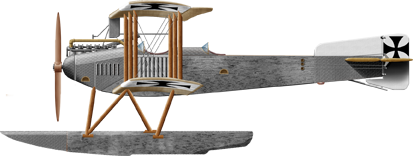
German Navy Gotha WD.2, 1914
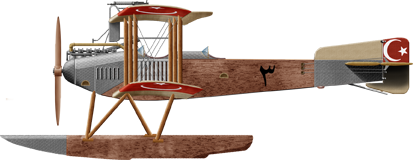
Turkish Gotha WD.2, Dardanelles 1915. Note: 1:72
Gallery
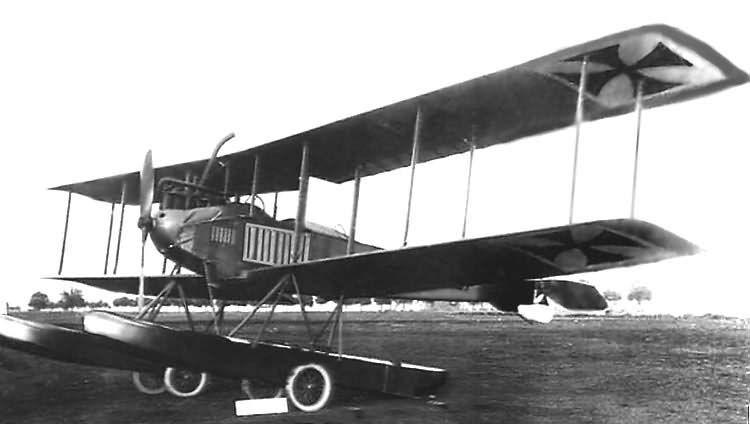
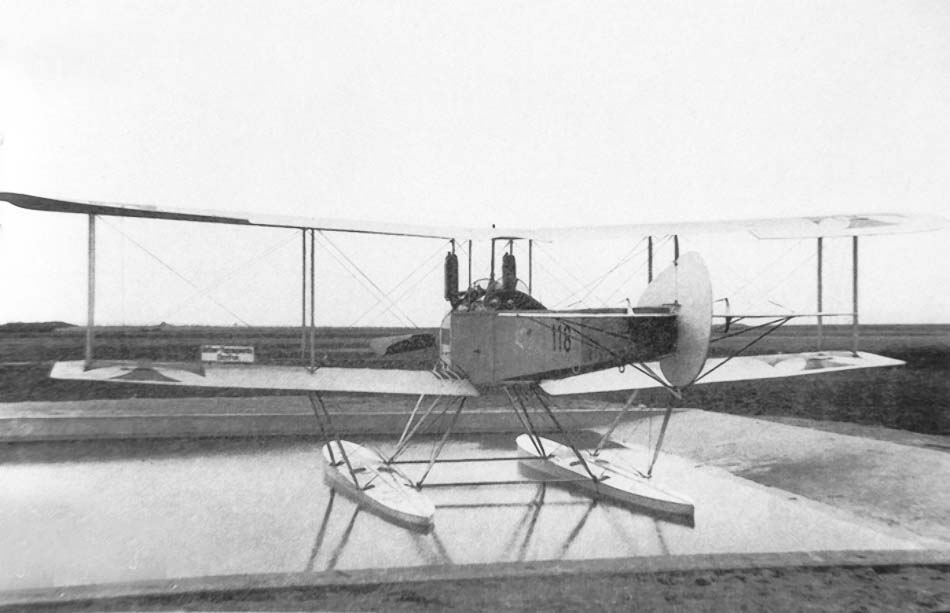
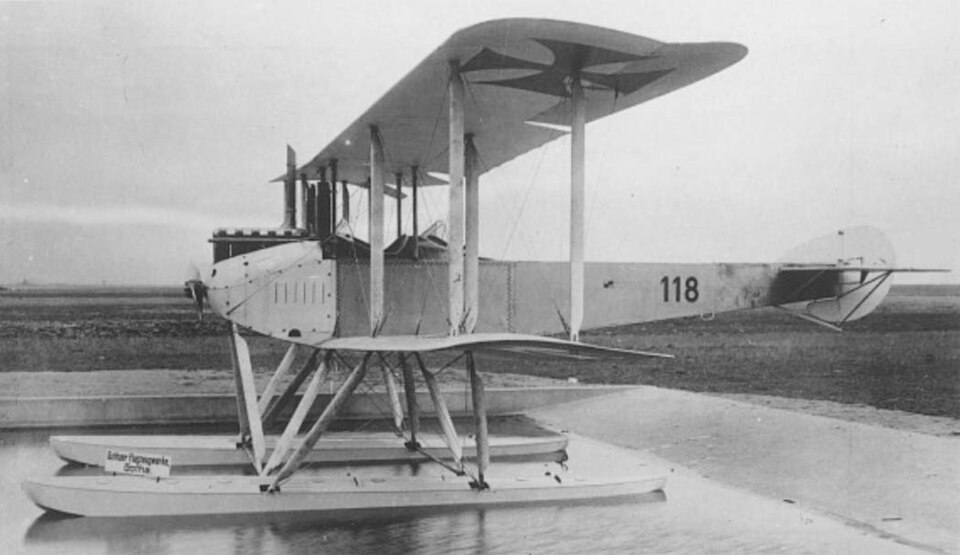
Read More/Src
Books
Gray, Peter; Thetford, Owen (1970). German Aircraft of the First World War (2nd ed.). London: Putnam.Herris, Jack (2013). Gotha Aircraft of WWI: A Centennial Perspective on Great War Airplanes. Vol. 6. Aeronaut Books.
Metzmacher, Andreas (2021). Gotha Aircraft 1913-1954: From the London Bomber to the Flying Wing Jet Fighter. Fonthill.
Neulen, Hans-Werner & Cony, Christophe (August 2000).The Kaiser's Eagles in the Holy Land
Taylor, Michael J. H. (1989). Jane's Encyclopedia of Aviation. London: Studio Editions.
World Aircraft Information Files. London: Bright Star Publishing. pp. File 895 Sheet 09.
Links
seawarpeace.rutayyareci.com
forum.ww1aircraftmodels.com
commons.wikimedia.org
luftfahrtmuseum.com
en.wikipedia.org
flyingmachines.ru
warhistory.org
Videos
None found (yet)Model Kits
Scratchbuild WD.133D
None found (yet)- Lohner E (1913)
- Macchi M3 (1916)
- Macchi M5 (1917)
- Macchi M7 (1918)
- Ansaldo ISVA (1918)
- Short S.38 (1912)
- Sopwith Baby (1916)
- Short 184 (1916)
- Fairey Campania (1917)
- Sopwith Cuckoo (1917)
- Felixstowe F.2 (1917)
- Gotha WD.2 (1914)
- Friedrichshafen FF 33 (1916)
- Albatros W4 (1916)
- Albatros W8 (1918)
- Hanriot HD.2
- Grigorovich M5 (1915)
- Grigorovich M9 (1916)
- Grigorovich M11 (1917)
- IJN Farman MF.7
- IJN Yokosho Type Mo
- Yokosho Rogou Kougata (1917)
- Yokosuka Igo-Ko (1920)
- Curtiss N9 (1916)
- Curtiss H4 (1916)
- Curtiss H12 (1917)
- Curtiss H16 (1918)
- Aeromarine 39
- Vought VE-7
- Douglas DT (1921)
- NAF/Curtiss TS-1 (1922)
- Boeing FB.5 (1923)
- Boeing F4B (1928)
- Vought O2U/O3U Corsair (1928)
- Grumman FF (1931)
- Akron class airships (1931)
- Curtiss F9C Sparrowhawk (1931)
- Curtiss F11C Goshawk (1932)
- Curtiss BF2C Goshawk (1933)
- Blackburn Blackburn (1922)
- Supermarine Seagull (1922)
- Fairey Flycatcher (1923)
- Hawker Horsley (1925)
- Blackburn Ripon (1926)
- Fairey IIIF (1927)
- Fairey Seal (1930)
- LGL-32 C.1 (1927)
- Fokker T.II (1921)
- Fokker T.III (1923)
- Caspar U1 (1921)
- Dornier Do J Wal (1922)
- Rohrbach R-III (1924)
- Mitsubishi 1MF (1923)
- Mitsubishi B1M (1923)
- Yokosuka E1Y (1923)
- Nakajima A1N (1927)
- Nakajima E2N (1927)
- Mitsubishi B2M (1929)
- Nakajima A2N (1930)
- Nakajima A4N (1935)
- CANT 18
WW1
✠ K.u.K. Seefliegerkorps:
 Italian Naval Aviation
 RNAS
RNAS
 Marineflieger
 French Naval Aviation
 Russian Naval Aviation
 IJN Air Service
 USA
USA
Interwar
 Interwar US
 Interwar Britain
 Interwar France
 Interwar Netherlands
 Interwar Germany
 Interwar Japan
 Interwar Italy
- Grumman F2F (1933)
- Curtiss SOC seagull (1934)
- Grumman F3F (1935)
- Northrop BT-1 (1935)
- Consolidated PBY Catalina (1935)
- Grumman J2F Duck (1936)
- Brewster/NAF SBN-1 (1936)
- Curtiss SBC Helldiver (1936)
- Vought SB2U Vindicator (1936)
- Brewster F2A Buffalo (1937)
- Douglas TBD Devastator (1937)
- Vought Kingfisher (1938)
- Curtiss SO3C Seamew (1939)
- K-class Blimps (1939)
- Douglas SBD Dauntless (1939)
- Grumman F4F Wildcat (1940)
- F4U Corsair (NE) (1940)
- Brewster SB2A Buccaneer (1941)
- Grumman TBF/TBM Avenger (1941)
- Consolidated TBY Sea Wolf (1941)
- Grumman F6F Hellcat (1942)
- Curtiss SB2C Helldiver (1942)
- Curtiss SC Seahawk (1944)
- Grumman F7F Tigercat (1944)
- Grumman F8F Bearcat (1944)
- Ryan FR-1 Fireball (1944)
- Douglas AD-1 Skyraider (1945)
- Fleet Air Arm
- Hawker Osprey (1932)
- Fairey Swordfish (1934)
- Blackburn Shark (1934)
- Supermarine Walrus (1936)
- Fairey Seafox (1936)
- Blackburn Skua (1937)
- Short Sunderland (1937)
- Blackburn Roc (1938)
- Fairey Albacore (1940)
- Fairey Fulmar (1940)
- Grumman Martlet (1941)
- Hawker sea Hurricane (1941)
- Brewster Bermuda (1942)
- Fairey Barracuda (1943)
- Fairey Firefly (1943)
- Grumman Tarpon (1943)
- Grumman Gannet (1943)
- Supermarine seafire (1943)
- Blackburn Firebrand (1944)
- Hawker Sea Fury (1944)
- Coastal Command
- Vickers Wellington (1937)
- IJN aviation
- Yokosuka E6Y (1930)
- Aichi D1A "Susie" (1934)
- Mitsubishi A5M "Claude" (1935)
- Nakajima A4N (1935)
- Yokosuka B4Y "Jean" (1935)
- Mitsubishi G3M "Nell" (1935)
- Nakajima E8N "Dave" (1935)
- Kawanishi E7K "Alf" (1935)
- Nakajima B5N "Kate" (1937)
- Kawanishi H6K "Mavis" (1938)
- Aichi D3A "Val" (1940)
- Mitsubishi G4M "Betty" (1940)
- Mitsubishi A6M "zeke" (1940)
- Nakajima E14Y "Glen" (1941)
- Nakajima B6N "Jill" (1941)
- Mitsubishi F1M "pete" (1941)
- Aichi E13A Reisu "Jake" (1941)
- Kawanishi E15K Shiun "Norm" (1941)
- Nakajima C6N Saiun "Myrt" (1942)
- Yokosuka D4Y "Judy" (1942)
- Kyushu Q1W Tokai "Lorna" (1944)
 Luftwaffe
- Heinkel 114 (1935)
- Arado 196 (1937)
- Me109 T (1938)
- Blohm & Voss 138 Seedrache (1940)
 Italian Aviation
- Savoia-Marchetti S.55
- IMAM Ro.43/44
- CANT Z.501 Gabbiano
- CANT Z.506 Airone
- CANT Z.508
- CANT Z.511
- CANT Z.515
 French Aeronavale
- GL.300 (1926-39)
- CAMS 37 (1926)
- Levasseur PL.5 (1927)
- Potez 452 (1935)
- Loire 210 (1936)
- Loire 130 (1937)
- LN 401 (1938)
 Soviet Naval Aviation
- Shavrov SH-2 (1928)
- Tupolev TB-1P (1931)
- Beriev MBR-2 (1930)
- Tupolev MR-6 (1933)
- Tupolev MTB-1 (1934)
- Beriev Be-2 (1936)
- Polikarpov I16 naval (1936)
- Tupolev MTB-2 (1937)
- Ilyushine DB-3T/TP (1937)
- Beriev Be-4 (1940)
 Swedish Naval Aviation
- SAAB B17S
-
 Skoda Š-328V
  R-XIII Idro
 Fokker C.XI W (1934)
 Rogožarski PVT-H (1938)
WW2
 ☍ USNA
- De Havilland Sea Vixen
- Hawker Sea Hawk
- Supermarine Scimitar
- Blackburn Buccaneer
- Hawker Sea Harrier
- Douglas A4 Skyhawk
- Grumman F9F Panther
- Vought F8 Crusader
- McDonnell-Douglas F-4 Phantom-II
- North Am. A5 Vigilante
- TU-142
- Yak 38 forger
☢ Cold War
✧ NATO
Fleet Air Arm
 US Navy
☭ Warsaw Pact
Merch
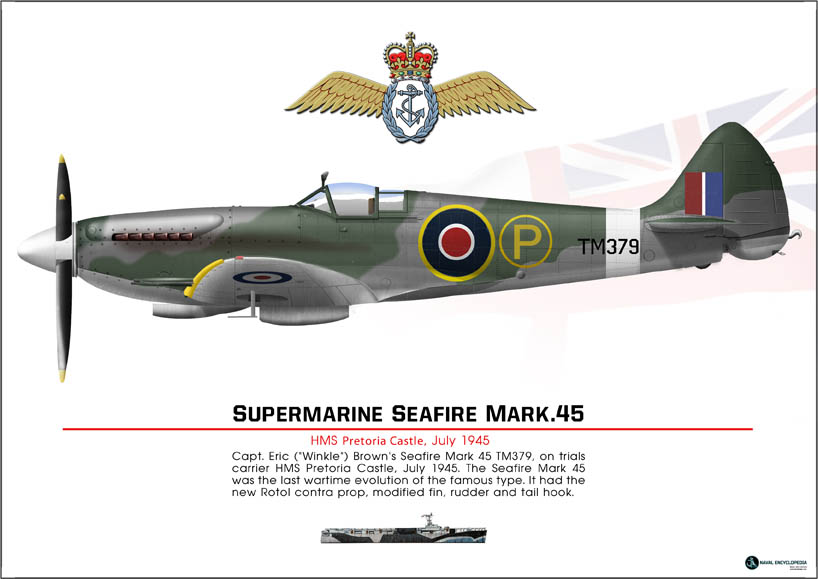
Seafire Mark 45; HMS Pretoria Castle
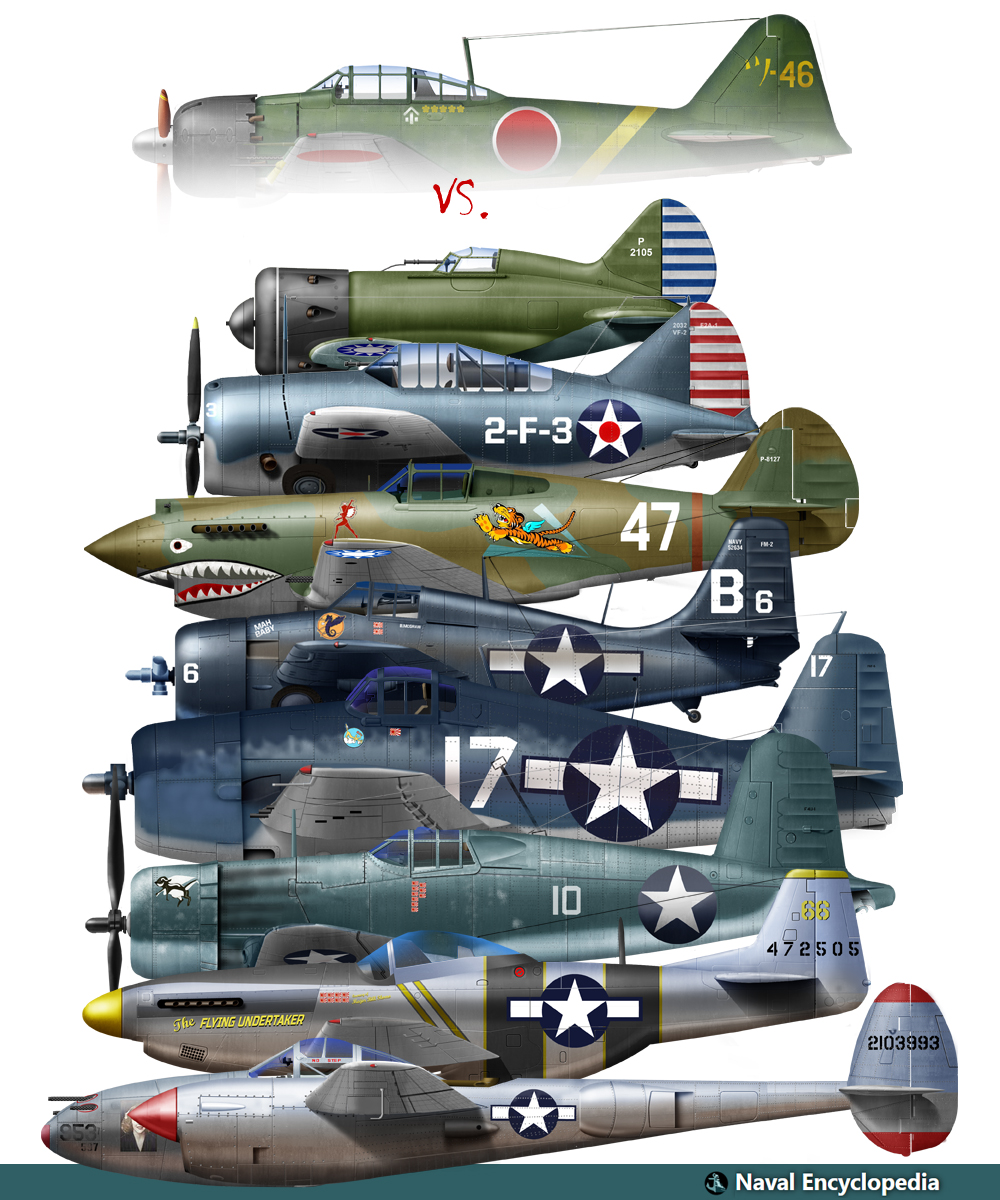
Zeros vs its aversaries
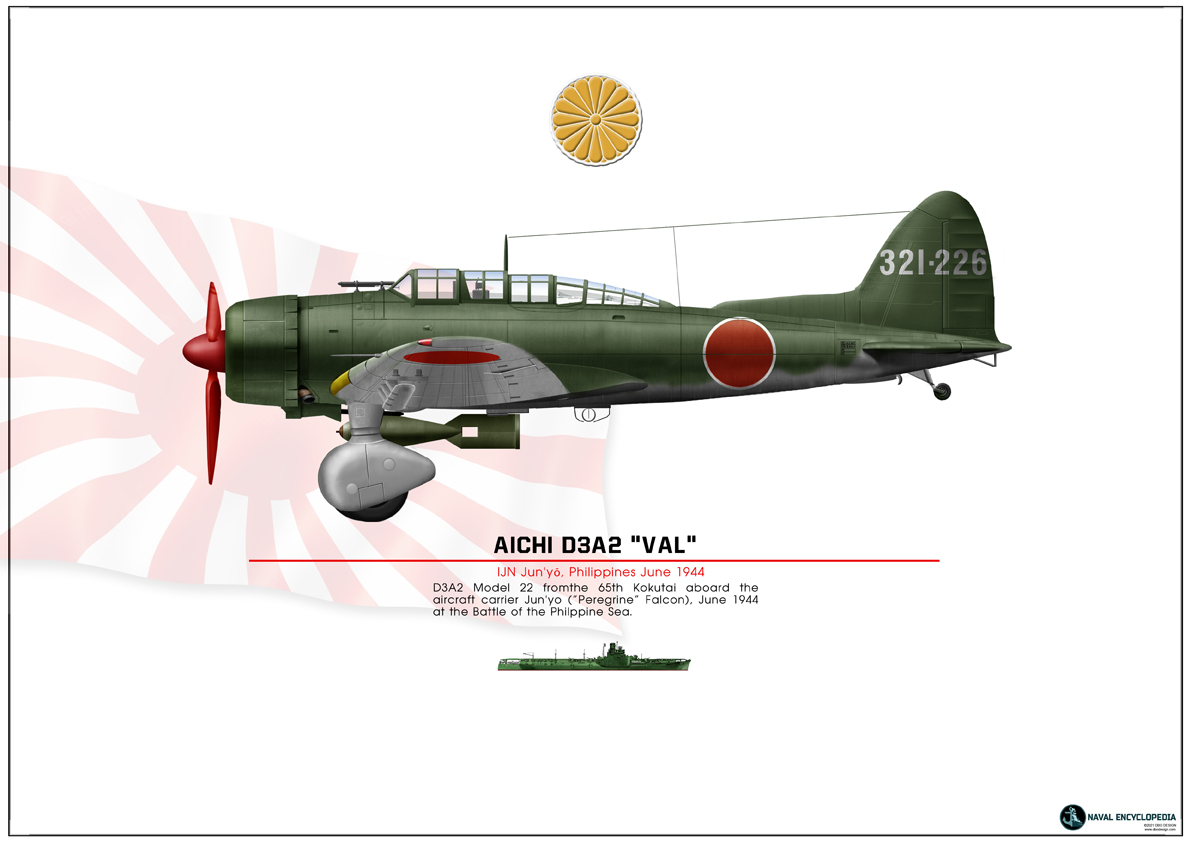
Aichi D3A “Val” Junyo
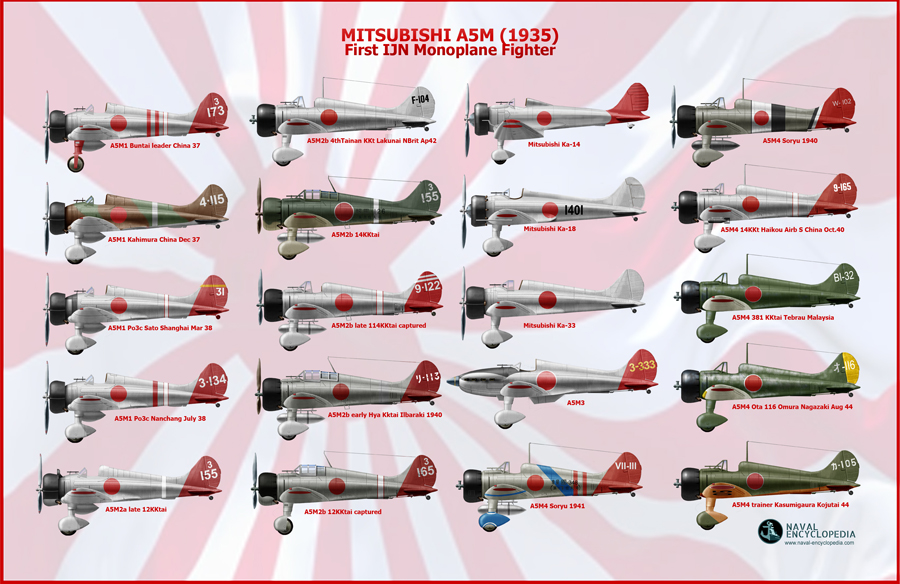
Mitsubishi A5M poster
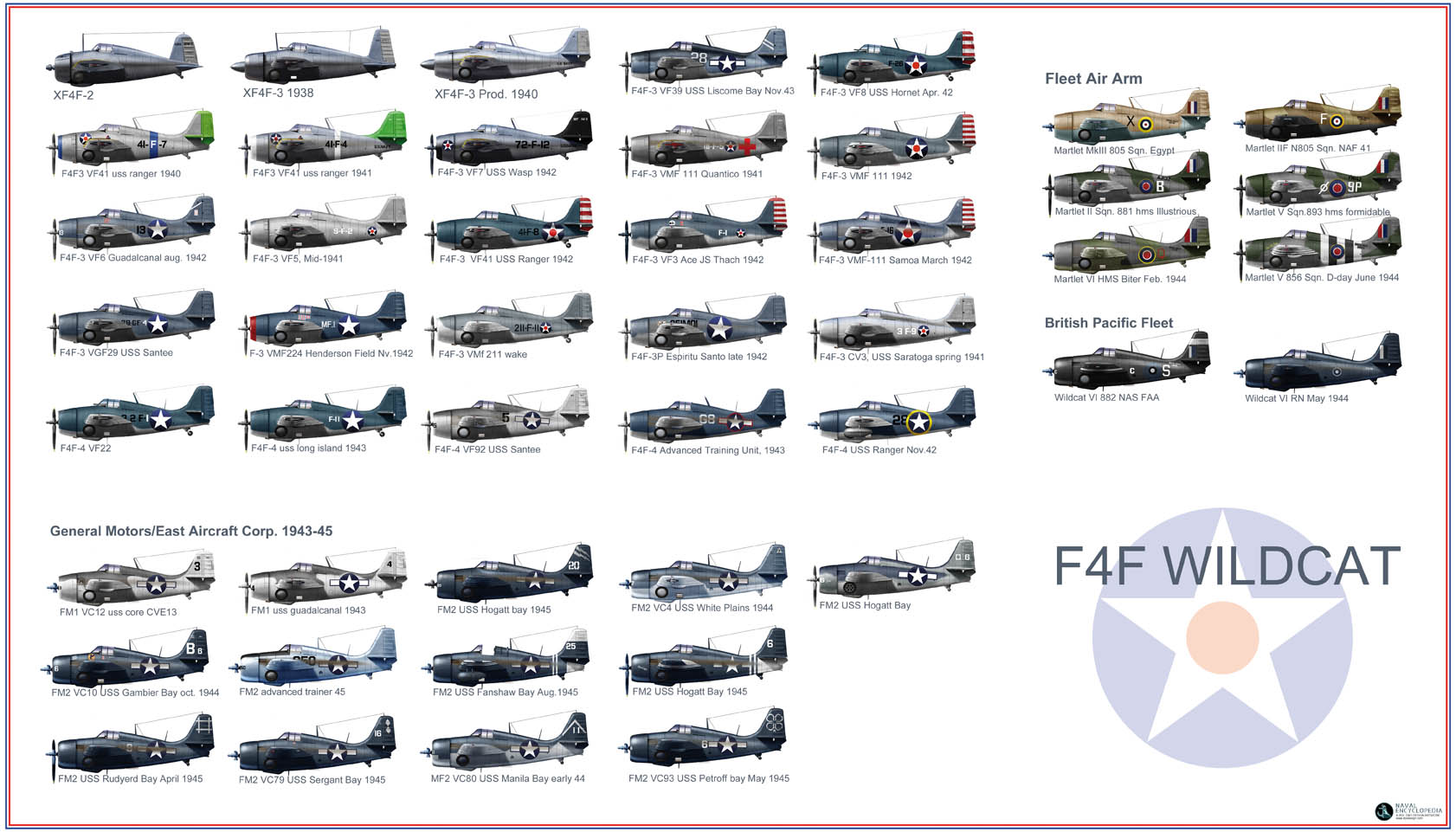
F4F wildcat
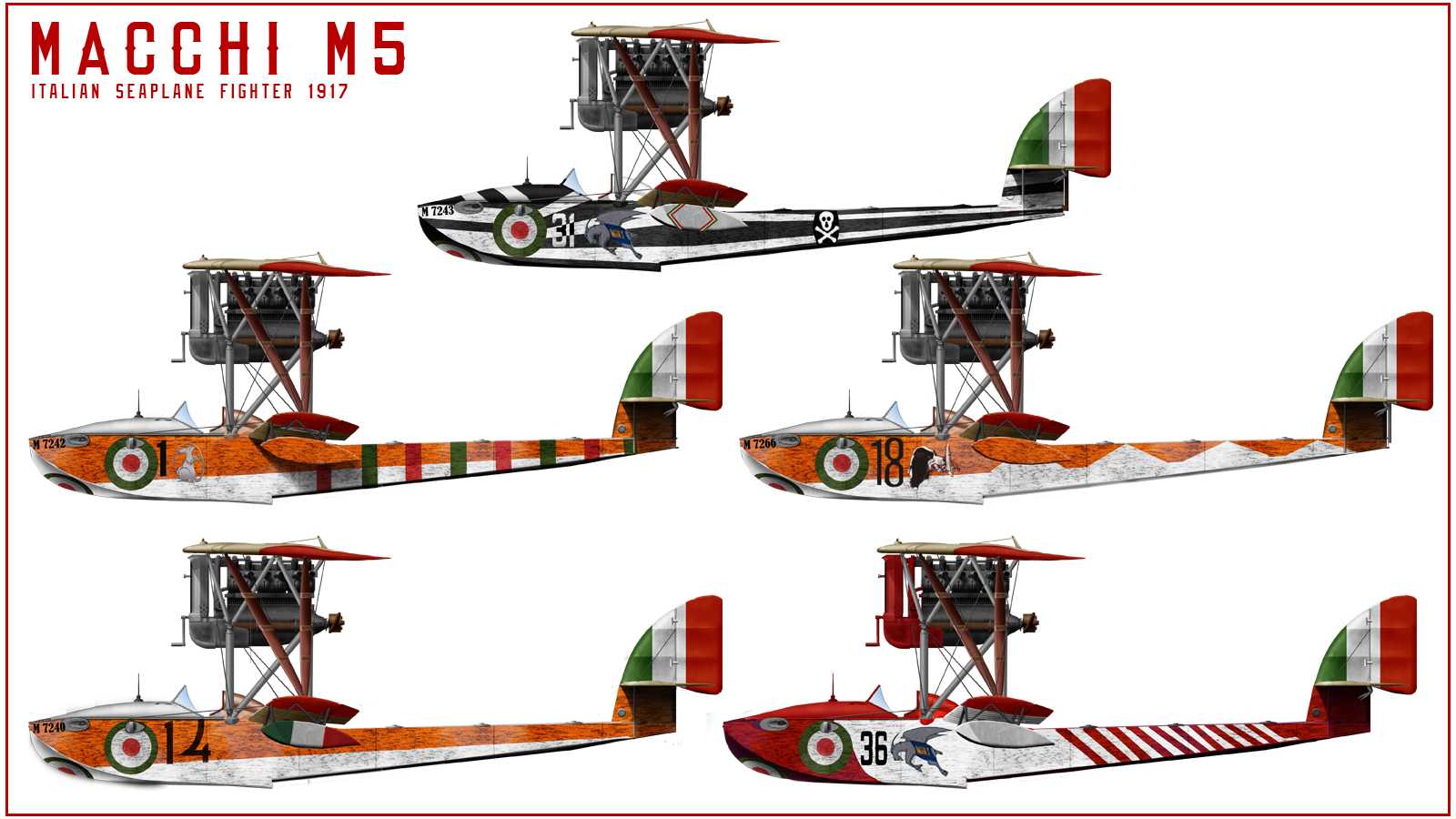
Macchi M5
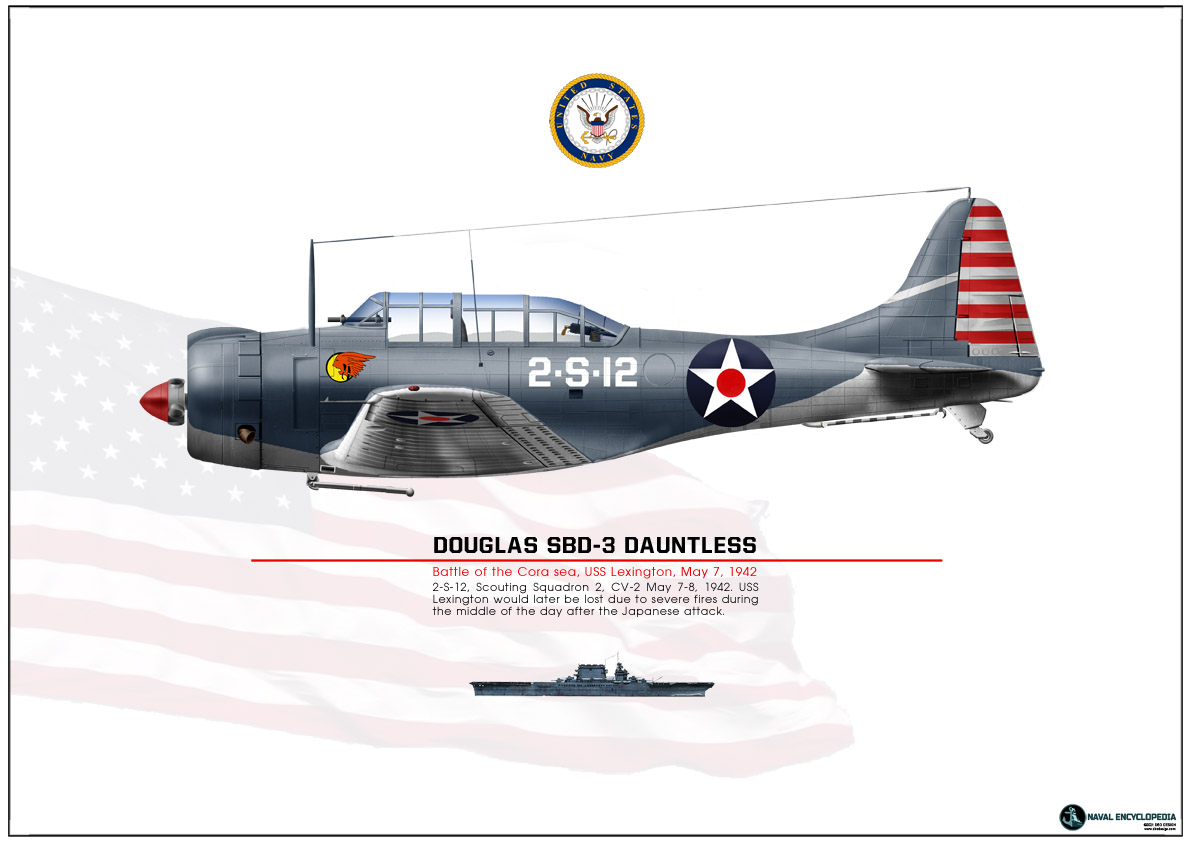
SBD Dauntless Coral Sea
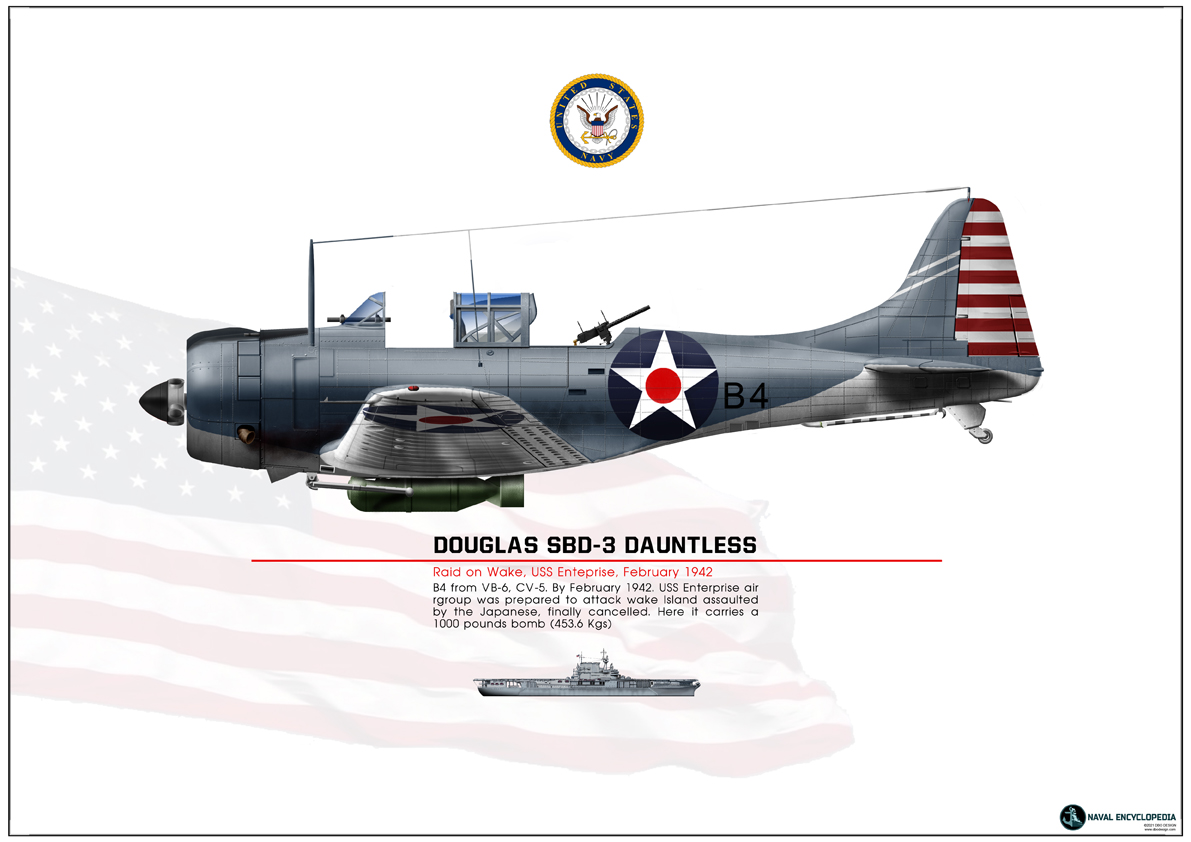
SBD Dauntless USS Enterprise
SBD-4 CV22