Hawker Osprey (1932)
 FAA: 144 built 1932-44.

Development
About the hawker Hart
Among all British aeronautical champions of the interwar, Hawker, which started with assets from the defunct, but world famous Sopwith of WWI, became a household name for the whole interwar, creating before WW2 the war-winning Hurricane, the fighter bombers Tempest and Typhoons and did it again in the cold war with the VTOL superstar, the Harrier. However the company was less prevalent in naval matters, compared to the likes of Fairey, Blackburn, Short or Supermarine. Still the company was in 1930, on a non-ending stride of success under the leadership of its lead designer, Sydney Camm. Hawker with the Fury arguably made the finest biplane fighter of 1931, an era-defining model, which "looks right, fly right". 275 were made and exported. The fuselage construction and profling which made for excellent performances also thanks to very capable inline V12 Rolls-Royce engines was also applied to other models, just scaled up. One was the Hind, a light bomber, and another was the Hart, a "heavy fighter/bomber/reconnaissance" model, essentially a scaled up Fury with reinforcements, two seats and a better engine. Camm, which worked on 52 aircraft designs during his long career, ending with the Harrier, made with a Hart an unremarkable but highly succesfull jack of all trades capable of mixing any roles in a single package. It was the greatest export success of the company, and arguably of Britain on the international market back then. For more "stuff" on Hawker and Sydney camm, see the page on the Sea Hurricane.
In the Interwar, with Germany our of the way and only Fokker as a serious rival left in Europe, the US only having an anemic home market, both France and Britain amsbolutely dominated the world's aircraft export market for military aircraft. In France in 1925 as it entered service the Potez 25 soon became a major export success, with some 3,500 produced and exported. In Britain, this was arguably the Hart, with more than 1,000 manufactured through many variants and also widely exported. However, the Hart arrived a bit later, on a different schedule defined by the Air Ministry.
The Hart predated indeed this famous lineage and the Hawker Fury. It all started in 1926 when the Air Ministry stated a requirement for a 2-seat "high-performance" day bomber of all-metal construction. Top speed was to be no less than 160 mph (260 km/h; 140 kn). Hawker, Avro and de Havilland answered the tender. Fairey was not proposed the tender at first. Hawker under Sydney Camm worked on a panel of novel construction solution in order to deliver a workable prototype. The all-metal nature of the airplane was indeed groundbreaking still in 1926 when most designed relied still largely on wood and canvas. The speed setup at the time was for fighters only. That meant a potentially large fighter with a second seat and able to carry bombs. Thanks to a Rolls-Royce inline V12 and excellent profiling taking advantage of metal panelling, the aircraft, albeit sitll a biplane, was very smooth. It had the best results in a wind tunnel.
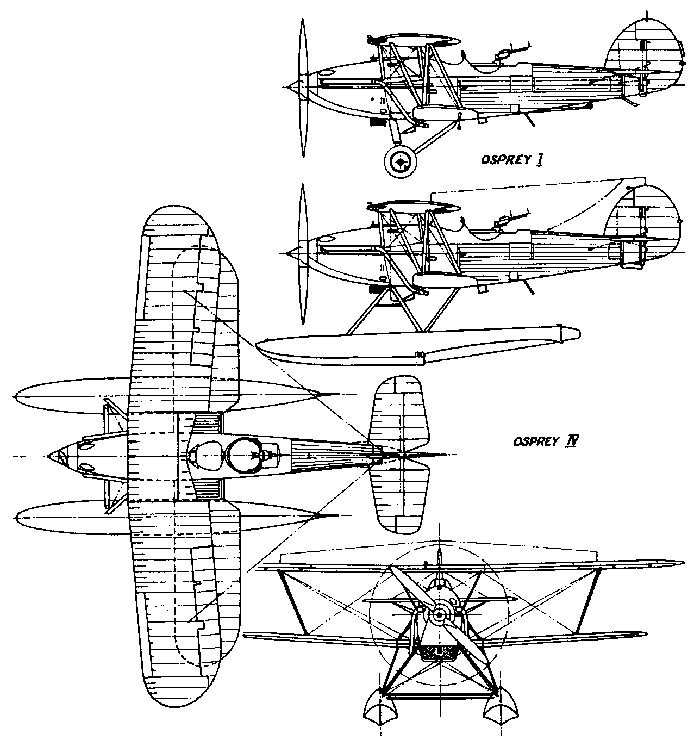
Technical details of the Osprey
The prototype Hart (serial J9052) first flew in June 1928, in time to be tested by in-house pilots of the Aeroplane and Armament Experimental Establishment at RAF Martlesham Heath, from 8 September. Pilot were impressed: In straight line, the Hart did better than the specified speed at 176 mph (283 km/h; 153 kn) and even managed 282 mph (454 km/h; 245 kn) in a dive. It could carry an observer/rear gunner with an excellent view, was safe to fly, stable if needed, accelerated quickly and proved agile enough to do some fighting if needed. It could also carried a reasonable bomb load under wings. All in all, this was the winner design, when chosen in April 1929. Its competitors, the de Havilland Hound abd Avro Antelope were both rejected, the first due to handling problems when landing and still largely wooden structure the second loosing only on a more complicated and costier maintenance compared to the Hart. The Fairey Fox IIM was presented too late and also rejected.
Long story short, the Hart became an instant success, with large orders for the RAF, 992 produced as the Hart Mark I and it became the standard bomber/recce/escort fighter in Britain between 1931 and 1935 when replacement started. It was the perfect blend of qualities for this austere post-1929 conditions and a good complement to the absolute banger that was its interceptor cousin, the Fury. Hawker was for five years, at the top of the mountain. Exports came from all over the world as well, Estonia, South Africa, Sweden, among others, and new versions were developed like the Hawker Hind and Audax light cooperation bombers, the Demon heavy fight, the tropicalized Hardy and finally... the Osprey.
Design of the Osprey
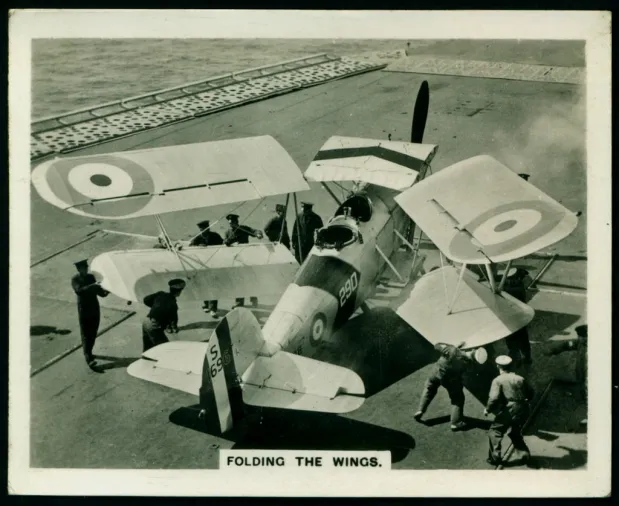
The Hawker Osprey was a derivative of the Hart, navalized to equip the the Fleet Air Arm branch on aircraft cariers in the Royal Navy. They replaced notably the WWI era Sopwith 1 1/2 Strutter still around. These carriers in 1931, the Argus, Hermes, Eagle, Furious, Glorious and Courageous, all needed a modern flighter/reconnaissance model capable of doing the bulk of its work aside dedicated torpedo bombers, in cramped hangars. British carriers had to content with small air groups and asked more of its models. Later example of these jacks of all trade would be the fairey Fulmar, later replaced by the Firefly.The Osprey could be considered as their predecessor. The base recipe was the same technically as the Hart, but with specific fleet additions: A small inflatable raft and survival kit, flares inside a compartment aft, better navigation equipments and radio sets, reinforced undercarriage and tail hook to land on carrier decks. The only issue was their lack of folding wings initially, solved on the later Marks and soon retrofitted. There were also floats for the seaplane conversion, and all undercarriage models had Kiddle-Lux floatation bags attached to the upper plane wings. The "Osprey" is a marine bird of prey.
General Layout and Structure

General structure of the Hart, essentially identical to the Osprey src
The Osprey was Two seat fleet fighter reconnaissance landplane or seaplane
 Wing: Unequal span, single bay, staggered biplane. Centre section carried above fuselage on splayed out structs. One set of N type struts on each side of fuselage. Wing structure mainly stainless steel, covered with fabric. Frise type ailerons on top planes. The Fuselage was a rectangular stainless steel structure, faired to an oval section and covered with fabric. The tail Unit was of the monoplane type. It was of the stainless steel framework, covered with fabric. Balanced rudder and elevators. The Osoprey was sold to the FAA as a convertible. The underbelly had fixation points either for a land undercarriage of cross axle Vee type, or a pair of single step metal floats with a W style attachement.
The floatplane Variant

Osprey Mark I in seaplane configuration, author unknown, pinterest. Note the bomblets underwings.
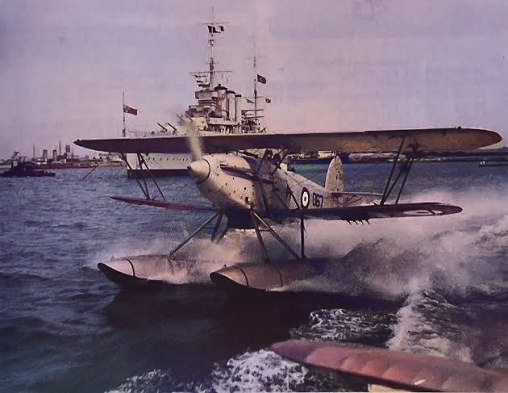
The Hawker Osprey floatplane was a navalized, twin-float reconnaissance and fleet-spotting seaplane variant of the land-based Hawker Hart biplane. It had a Dual Undercarriage Design: The airframe was engineered with a reinforced structure to easily swap between a wheeled carrier landing gear (with a tailhook) and twin long metal floats for water operations. It was reinfroced enough to be catapult Launch Capable: The fuselage strength was increased to withstand catapult launches from capital ships and heavy cruisers like HMS Exeter. It was operated by a crew of two (pilot and rear gunner), armed with a forward-firing .303 in Vickers machine gun and a .303 in Lewis gun on a flexible mount in the rear cockpit. Its Engine and Performance depended on versions of the the Rolls-Royce Kestrel inline piston engine (up to the Kestrel V delivering 640 hp in the Mk. IV), reaching top speeds of roughly 185 mph (235–390 km/h depending on configuration).
Variants
- Mk I & Mk II: Initial production variants differing primarily in their float designs and equipment.
- Mk III: Introduced an integrated crew dinghy/survival pack stored in the upper wing.
- Mk IV: Upgraded in 1935 with the more powerful Rolls-Royce Kestrel V engine (640 hp).
- Export & Foreign Service: Variants were also operated or adapted by Sweden (designated S 9 with alternative radial engine options), Portugal, and Spain.
Engine
The Osprey was equipped by the late model Rolls-Royce Kestrel XVI, 21-litre, 1,295 cu V12 water-cooled inline. It was first developed as an Air Ministry project to replicate the single-block architecture of the 18-litre American D-12 Curtiss during 1925-6. Kestrel variants could generate between 500 (IB model) and 600 hp (V model), and as much as 750 horsepower in the supercharged Peregrine derivative. This was the direct predecessor of the legendary 27-litre 1,650 cu (1,100 hp) P.V.12 (Merlin), utilized in the Hawker Hurricane, Supermarine Spitfire and North American Mustang.Armament
The Hart and Osprey were both armed with two fixed machine guns firing forward through the propeller with an interrupter gear, like most fighters of the day, and one machine gun on a scarff mounting in the gunner's or observer cockpit, equipped with a Mk. III Lewis gun. In the nose there were .303 Mk. II Vickers gun with C. C. synchronizing gear, allowing them machine gun to be fired directly through the aircraft propeller. Their own loading system however was too low and forward compared to the pilot's position to be "un-jammed" if it happened. Aft, this was the Hawker style Scarff ring for the observer’s Lewis gun, with graduations and an optional ruptor when directly facing the tail. There were also up to 520 lb (234 kgs) bombs under wings, but only available for the land-based carriage version. This consisted of three 85 Ibs (39 kgs) bombs in racks of there underwing. They were absent from the floatplane configurations due to the weight of the floats, potentially used as extra fuel tanks.⚙ Hawker Osprey IV specifications | |
| Empty Weight | 3,503 lb |
| Max Takeoff weight | 4,790 lb |
| Lenght | 29 ft 4 in |
| Wingspan | 37 ft |
| Height | 11 ft |
| Wing Area | 339 sq ft |
| Engine | Rolls-Royce Kestrel V12 WC: 640 hp |
| Top Speed | 176 mph at 13,120 ft |
| Range | Est. range of 470 mi (760 km; 410 nmi). |
| Climb Rate | Climb to 10,000 ft/3000m in 8.65 minutes |
| Ceiling | 22,000 ft |
| Endurance | 3 hours |
| Equipments | Land undercarriage/metal floats |
| Armament | Two fixed machine guns firing forward through the airscrew and one machine gun on a mounting in the gunners cockpit |
| Crew | Pilot cockpit below cut out in trailing edge, gunner/observer cockpit behind. |
Variants

HMS Sussex showing crane, catapult, and Hawker Osprey
Osprey I
2-seat fleet spotter/recce, 630 hp (470 kW) Rolls-Royce Kestrel IIMS piston engine: 37 built.Osprey II
Same but redesigned floats: 14 built.Osprey III
Same as Mark II but dinghy stowed away starboard upper wing: 26 built.Osprey IV
Same but 640 hp Rolls-Royce Kestrel V: 36 delivered 1935. Last variant.Service
 The Osprey joined the Fleet Air Arm (FAA) in 1932. Some 103 by then had been built for british use only. The Mark IV entered service in 1935 and thus, ended their career in 1944, as trainers for FAA pilots. By December 1936, a new 701 Squadron, based at RAF Kalafrana in Malta was created with these Ospreys, for anti-submarine and anti-piracy role. They would take an important role in 1940-42. But well before that, the first Osprey Mark I were accepted in Flights No. 404 and 409 in November 1932, and No. 407 (seaplane) Flight had its Fairey IIIFs replaced by Ospreys for work with the cruisers of the Home Fleet.
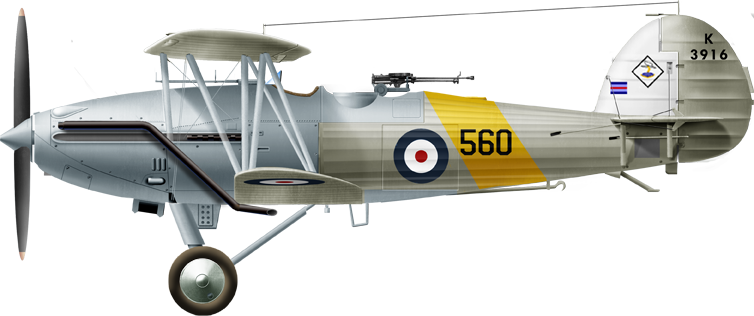
Ospreys also served in Flights 403, 406, 407, 443, 444, and 447. They also soon joined Squadrons 800, 801, 802 and 803 as re-formed in 1933. Alongside new fighters squadrons for the FAA were created with Hawker Nimrods in the the 800s, FSR (Ospreys) the 810s and TSR (Horsleys) as the the 820. All arrived with their original factory colors, all metal and light canvas plus squadron colour-coded bands linked to various aircraft carriers such as:
-Red for Courageous
-Blue for Furious
-Yellow for Glorious
-Green for Eagle
-Black for Hermes.
At the beginning of 1936 Courageoust had three Ospreys as Furious and Glorious, but six on Eagle. In addition there was a "pool" of 34 seaplanes on some 29 warships, cruisers and battleships of the RN, for a total of 144 Ospreys for the entire production, not just the 132 of the FAA). The Late generation Ospreys still were used on HMS Ark Royal in 1939, until replaced by the Blackburn Skua. That makes 132 Ospreys in the FAA, some converted as seaplanes, and the latter as trainer aircraft until 1944. But this is not all, the full count should also integrated those purchased by Sweden, and by Portugal, plus a one-off to Spain, from British stocks.
 Captain Richard Bell Davies, back to the Royal Navy after the RAF was created, criticized the Osprey as unsuitabie as a seaplane. He believed thay a slower and more robust, specialized aircraft would be better. By the 1930s enthusiasm for shining new tech started to get traction over wartime learning and experience. The latter tended to be forgotten. The Admiralty attempted to simplify requirements down to a Torpedo, Spotter, Reconnaissance (TSR), and fighter/dive-bomber with in addition seaplanes. The pure naval fighter role was just cancelled. This will came back to haunt the FAA in 1939...
Technical homogeneity in this 1930s disarmament with the Air Ministry control of production meant the FAA was fiorced to be concept with imperfect aircraft, kjacls of all trades and masters of none, and the excellence of the Hawker design was a perfect example of this. As a single seat fighter it coulmd not compete against the Fairey Flycatcher, then Hawker Nimrod, and as a two seat bomber/spotter/reconnaissance or seaplane it was not rugged enough, and lacked range. The torpedo bomber Horsley was necessary alongside. By 1935, Hawker aircraft became the entire RAF and most of the FAA. Sydney Camm weanwhile came close to his dream of efficiency of a single aircraft suitable of every role. But hard operational realities flew into the face of this concept.
Nevertheless the Opsrey remained operational until WW2 broke out. In 1934 one RAF squadron had four Ospreys for communications, later HMS Sussex sailed to Melbourne for the Centenary celebrations and flew its Osprey. By mid-1935 the Second Cruiser Squadron also was issued Ospreys. One of the last cruiser equipped was HMS Ajax which like so many received two for service with the Mediterranean Command. These remained in service until 1939 late. The Swedish ones stayed active until 1945. The fate of the single re-engineered Spanish Osprey, part of a batch of 57 aicraft for the Republicans, is uncertain. The new engine was to match local maintenance capabilities: The Hispano-Suiza was actually built and serviced in Spain at the time.
The Swedish S.9s were not without critics: It took 30 min. to hand-crank start the NOHAB Mercury engines for example as there was no facility on board Gotland to do the job. The electric curcuit had to be modified to change this ultimately. Also each machine had a different radio set, and many elements did not tolerated seawater spray and were hit by rust. Wooden and fabric components also had a hard time with saltwater and warmer climates. The pilot’s neck support made of thin sheet metal, buckled during catapult launches and needed to be changed. But that was about it. In 1943 they were retired as Gotland was converted as an AA cruiser. Their fates are varied but they were planed on wheeled undercarriages and went as target tugs for a time.
Exports
Portuguese Osprey
Two Osprey III were saold, tailored for Portugal with the Kestrel IIMS engine and delivered in 1935. Six more were delivered in 1939, all in seaplane configuration.
Spanish Osprey
One powered by a Hispano-Suiza 12Xbrs engine was delivered to the Spanish Republican Air Force in 1937.
Swedish Osprey
Swedish Version. Had a 600 horsepower (450 kW) NOHAB Bristol Mercury radial, interchangeable wheel/float landing gear. 6 built as S9 for the aicraft cruiser Götland.
Gallery
Author's illustrations: Types and liveries
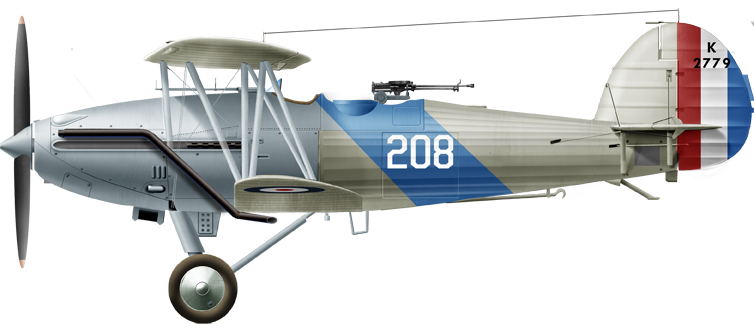
Osprey Mark I 404 Flight, HMS Courageous 1933
Osprey III 802 NAS HMS Glorious 1936
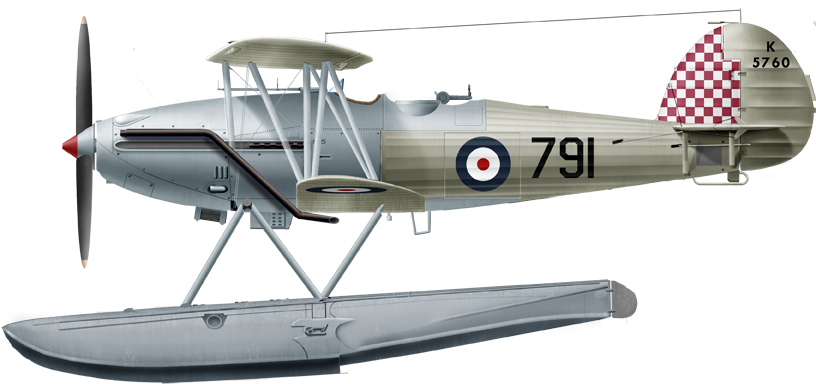
Osprey-IV, 718th Flight, HMS Apollo, June 1937
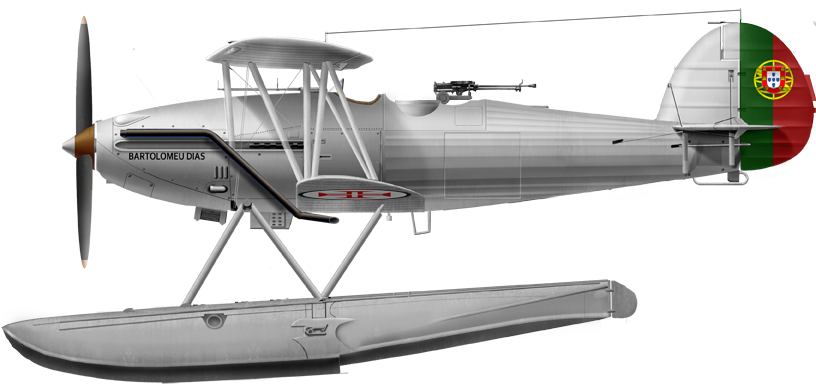
Portuguese Osprey Maek III, attached to the Gunboat Bartolomeu Dias
More to come: Swedish variant.
Additional photos

Seaplane, K5760 no references

On the catapult of HMS Enterprise

cardbox cigarettes, osprey IV seaplane

Osprey from No. 803 over HMS Eagle 1936

Osprey mark III floatplane, unit unknown

Osprey Mk III fleet spotter/ reconaissance aircraft just after a catapult launch during trials off Portland.

FAA Osprey on a cruiser

Swedish Ospreys on HnLms Gotland

Prtuguese Osprey, Artist: Paul Lange

FAA Osprey and Demon

Portuguese Osprey fropm the aviso NRP Alfonso de Albuquerque, ready to be hoisted up. ArchivioStorico on Instagram, also on Pinterest
Links and resources
en.wikipedia.org Hartairspacehistorian.wordpress.com
key.aero swedish osprey
aviastar.org
wings-aviation.ch
flugzeuginfo.net
airhistory.net
historyofwar.org
aviadejavu.ru
The model corner

Amodel 1:72 - Also Merlin Models 1:72
- Lohner E (1913)
- Macchi M3 (1916)
- Macchi M5 (1917)
- Macchi M7 (1918)
- Ansaldo ISVA (1918)
- Short S.38 (1912)
- Sopwith Baby (1916)
- Short 184 (1916)
- Fairey Campania (1917)
- Sopwith Cuckoo (1917)
- Felixstowe F.2 (1917)
- Gotha WD.2 (1914)
- Friedrichshafen FF 33 (1916)
- Albatros W4 (1916)
- Albatros W8 (1918)
- Hanriot HD.2
- Grigorovich M5 (1915)
- Grigorovich M9 (1916)
- Grigorovich M11 (1917)
- IJN Farman MF.7
- IJN Yokosho Type Mo
- Yokosho Rogou Kougata (1917)
- Yokosuka Igo-Ko (1920)
- Curtiss N9 (1916)
- Curtiss H4 (1916)
- Curtiss H12 (1917)
- Curtiss H16 (1918)
- Aeromarine 39
- Vought VE-7
- Douglas DT (1921)
- NAF/Curtiss TS-1 (1922)
- Boeing FB.5 (1923)
- Boeing F4B (1928)
- Vought O2U/O3U Corsair (1928)
- Grumman FF (1931)
- Akron class airships (1931)
- Curtiss F9C Sparrowhawk (1931)
- Curtiss F11C Goshawk (1932)
- Curtiss BF2C Goshawk (1933)
- Blackburn Blackburn (1922)
- Supermarine Seagull (1922)
- Fairey Flycatcher (1923)
- Hawker Horsley (1925)
- Blackburn Ripon (1926)
- Fairey IIIF (1927)
- Fairey Seal (1930)
- LGL-32 C.1 (1927)
- Fokker T.II (1921)
- Fokker T.III (1923)
- Caspar U1 (1921)
- Dornier Do J Wal (1922)
- Rohrbach R-III (1924)
- Mitsubishi 1MF (1923)
- Mitsubishi B1M (1923)
- Yokosuka E1Y (1923)
- Nakajima A1N (1927)
- Nakajima E2N (1927)
- Mitsubishi B2M (1929)
- Nakajima A2N (1930)
- Nakajima A4N (1935)
- CANT 18
WW1
✠ K.u.K. Seefliegerkorps:
 Italian Naval Aviation
 RNAS
RNAS
 Marineflieger
 French Naval Aviation
 Russian Naval Aviation
 IJN Air Service
 USA
USA
Interwar
 Interwar US
Interwar Britain
 Interwar France
 Interwar Netherlands
 Interwar Germany
 Interwar Japan
 Interwar Italy
- Grumman F2F (1933)
- Curtiss SOC seagull (1934)
- Grumman F3F (1935)
- Northrop BT-1 (1935)
- Consolidated PBY Catalina (1935)
- Grumman J2F Duck (1936)
- Brewster/NAF SBN-1 (1936)
- Curtiss SBC Helldiver (1936)
- Vought SB2U Vindicator (1936)
- Brewster F2A Buffalo (1937)
- Douglas TBD Devastator (1937)
- Vought Kingfisher (1938)
- Curtiss SO3C Seamew (1939)
- K-class Blimps (1939)
- Douglas SBD Dauntless (1939)
- Grumman F4F Wildcat (1940)
- F4U Corsair (NE) (1940)
- Brewster SB2A Buccaneer (1941)
- Grumman TBF/TBM Avenger (1941)
- Consolidated TBY Sea Wolf (1941)
- Grumman F6F Hellcat (1942)
- Curtiss SB2C Helldiver (1942)
- Curtiss SC Seahawk (1944)
- Grumman F7F Tigercat (1944)
- Grumman F8F Bearcat (1944)
- Ryan FR-1 Fireball (1944)
- Douglas AD-1 Skyraider (1945)
- Fleet Air Arm
- Hawker Osprey (1932)
- Fairey Swordfish (1934)
- Blackburn Shark (1934)
- Supermarine Walrus (1936)
- Fairey Seafox (1936)
- Blackburn Skua (1937)
- Short Sunderland (1937)
- Blackburn Roc (1938)
- Fairey Albacore (1940)
- Fairey Fulmar (1940)
- Grumman Martlet (1941)
- Hawker sea Hurricane (1941)
- Brewster Bermuda (1942)
- Fairey Barracuda (1943)
- Fairey Firefly (1943)
- Grumman Tarpon (1943)
- Grumman Gannet (1943)
- Supermarine seafire (1943)
- Blackburn Firebrand (1944)
- Hawker Sea Fury (1944)
- Coastal Command
- Vickers Wellington (1937)
- IJN aviation
- Yokosuka E6Y (1930)
- Aichi D1A "Susie" (1934)
- Mitsubishi A5M "Claude" (1935)
- Nakajima A4N (1935)
- Yokosuka B4Y "Jean" (1935)
- Mitsubishi G3M "Nell" (1935)
- Nakajima E8N "Dave" (1935)
- Kawanishi E7K "Alf" (1935)
- Nakajima B5N "Kate" (1937)
- Kawanishi H6K "Mavis" (1938)
- Aichi D3A "Val" (1940)
- Mitsubishi G4M "Betty" (1940)
- Mitsubishi A6M "zeke" (1940)
- Nakajima E14Y "Glen" (1941)
- Nakajima B6N "Jill" (1941)
- Mitsubishi F1M "pete" (1941)
- Aichi E13A Reisu "Jake" (1941)
- Kawanishi E15K Shiun "Norm" (1941)
- Nakajima C6N Saiun "Myrt" (1942)
- Yokosuka D4Y "Judy" (1942)
- Kyushu Q1W Tokai "Lorna" (1944)
 Luftwaffe
- Heinkel 114 (1935)
- Arado 196 (1937)
- Me109 T (1938)
- Blohm & Voss 138 Seedrache (1940)
 Italian Aviation
- Savoia-Marchetti S.55
- IMAM Ro.43/44
- CANT Z.501 Gabbiano
- CANT Z.506 Airone
- CANT Z.508
- CANT Z.511
- CANT Z.515
 French Aeronavale
- GL.300 (1926-39)
- CAMS 37 (1926)
- Levasseur PL.5 (1927)
- Potez 452 (1935)
- Loire 210 (1936)
- Loire 130 (1937)
- LN 401 (1938)
 Soviet Naval Aviation
- Shavrov SH-2 (1928)
- Tupolev TB-1P (1931)
- Beriev MBR-2 (1930)
- Tupolev MR-6 (1933)
- Tupolev MTB-1 (1934)
- Beriev Be-2 (1936)
- Polikarpov I16 naval (1936)
- Tupolev MTB-2 (1937)
- Ilyushine DB-3T/TP (1937)
- Beriev Be-4 (1940)
 Swedish Naval Aviation
- SAAB B17S
-
 Skoda Š-328V
  R-XIII Idro
 Fokker C.XI W (1934)
 Rogožarski PVT-H (1938)
WW2
 ☍ USNA
- De Havilland Sea Vixen
- Hawker Sea Hawk
- Supermarine Scimitar
- Blackburn Buccaneer
- Hawker Sea Harrier
- Douglas A4 Skyhawk
- Grumman F9F Panther
- Vought F8 Crusader
- McDonnell-Douglas F-4 Phantom-II
- North Am. A5 Vigilante
- TU-142
- Yak 38 forger
☢ Cold War
✧ NATO
Fleet Air Arm
 US Navy
☭ Warsaw Pact
Merch
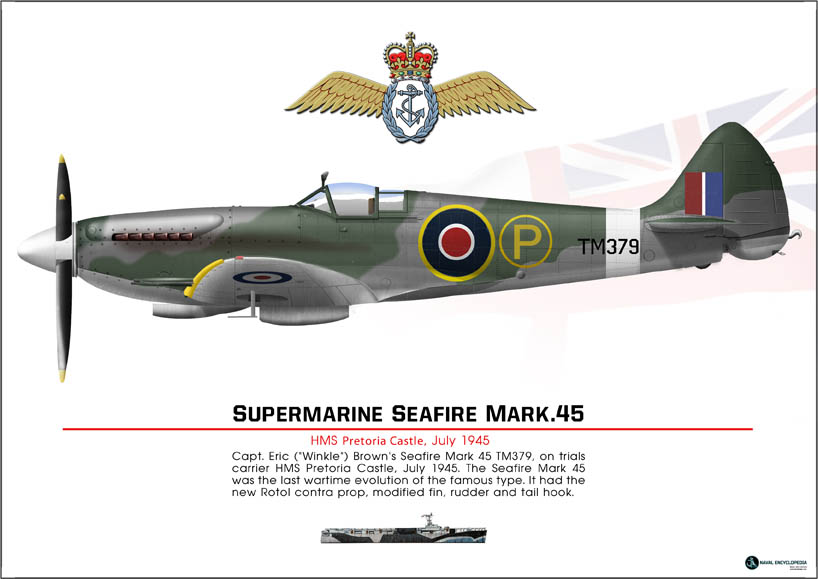
Seafire Mark 45; HMS Pretoria Castle
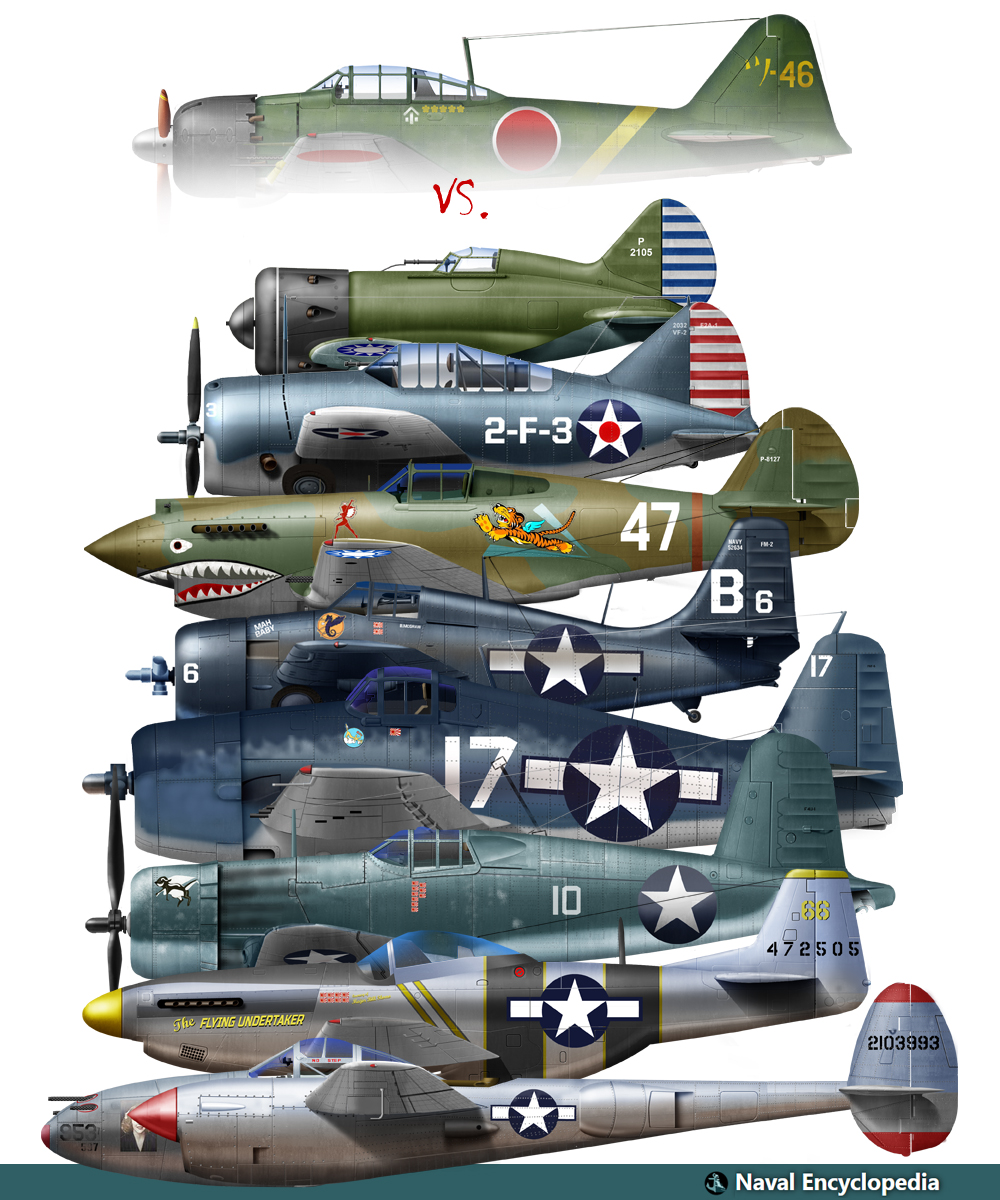
Zeros vs its aversaries
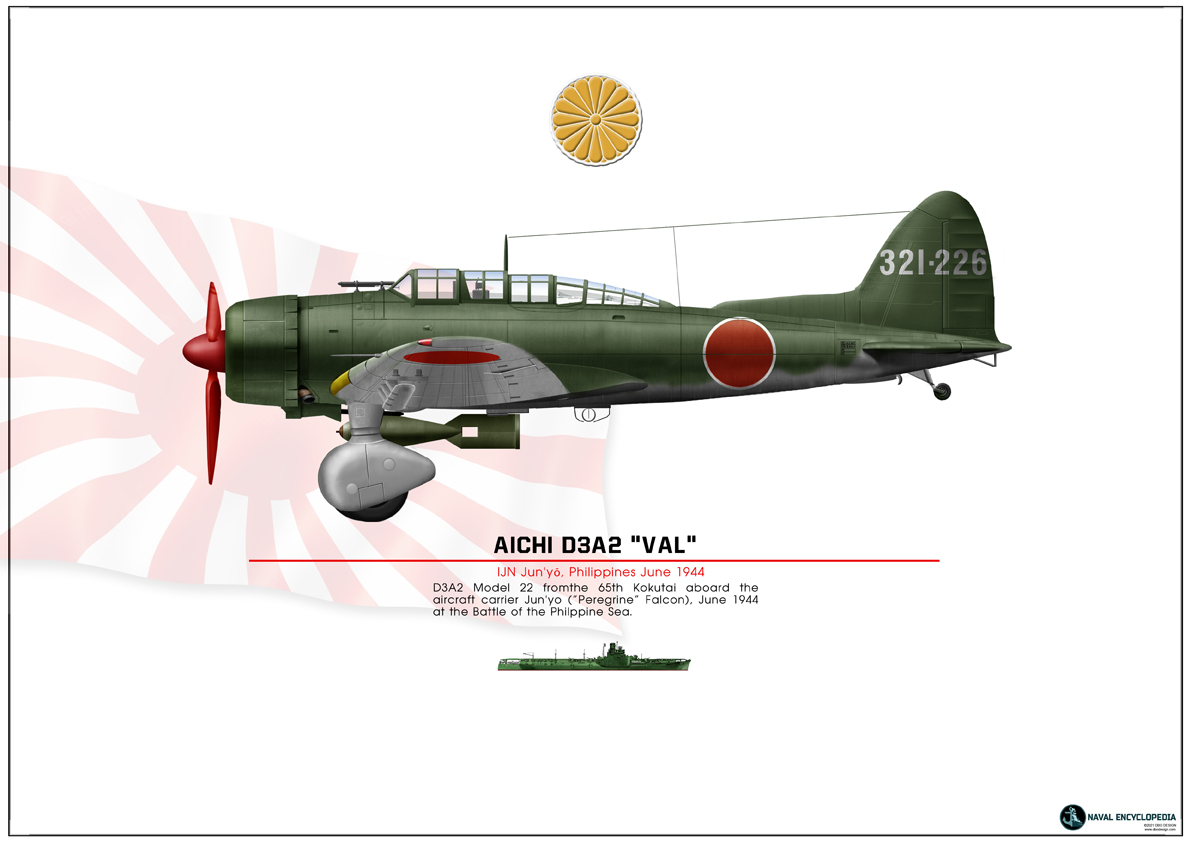
Aichi D3A “Val” Junyo
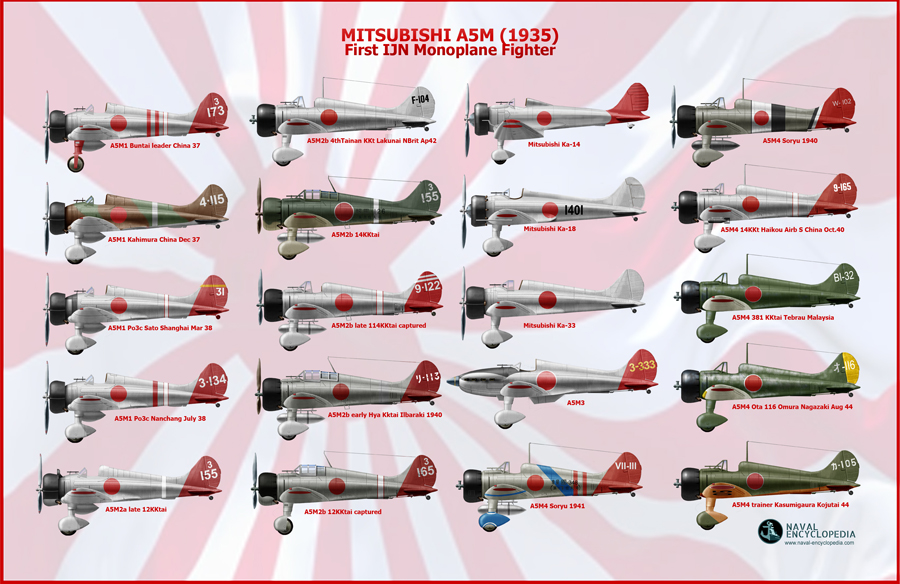
Mitsubishi A5M poster
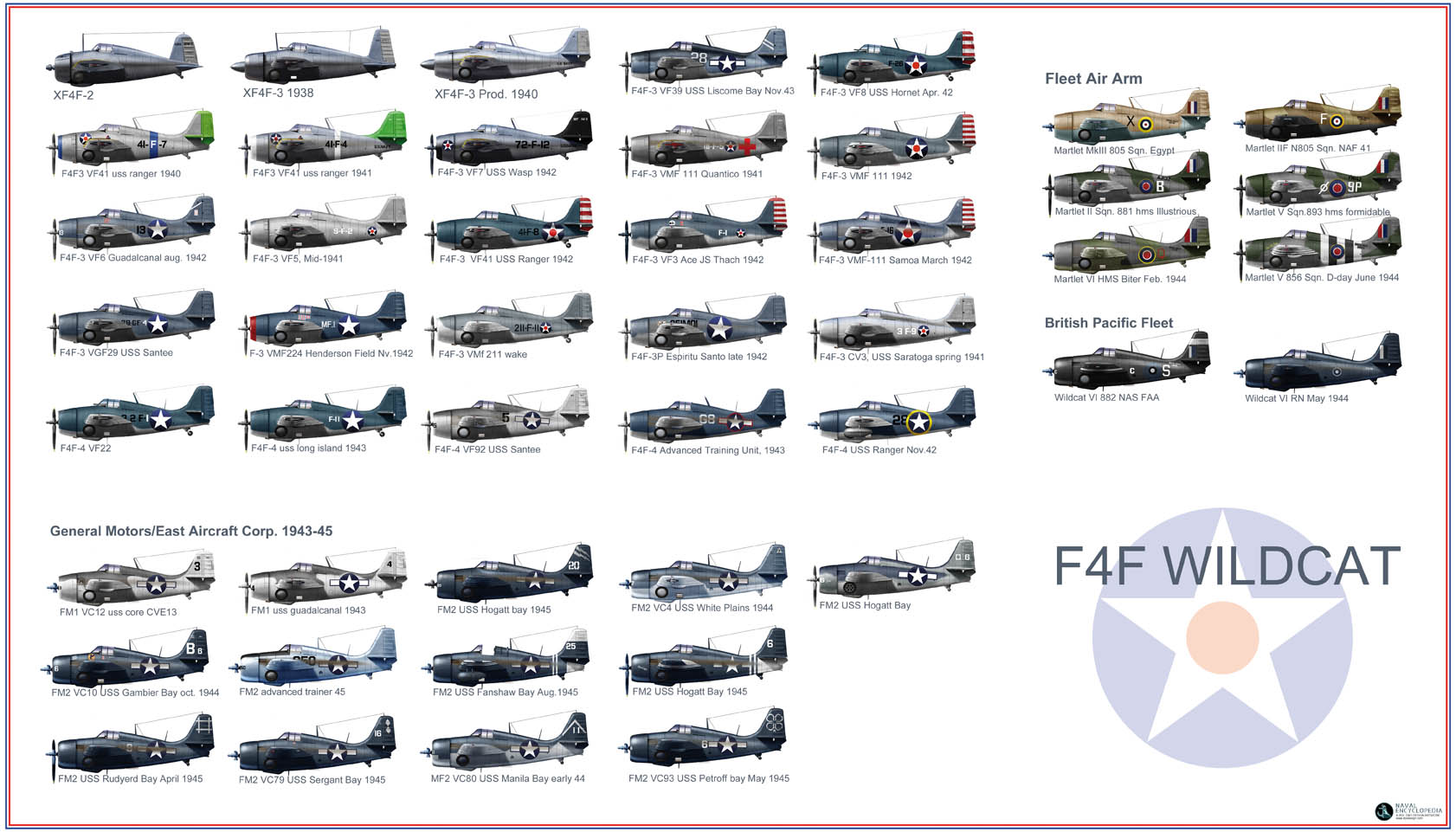
F4F wildcat
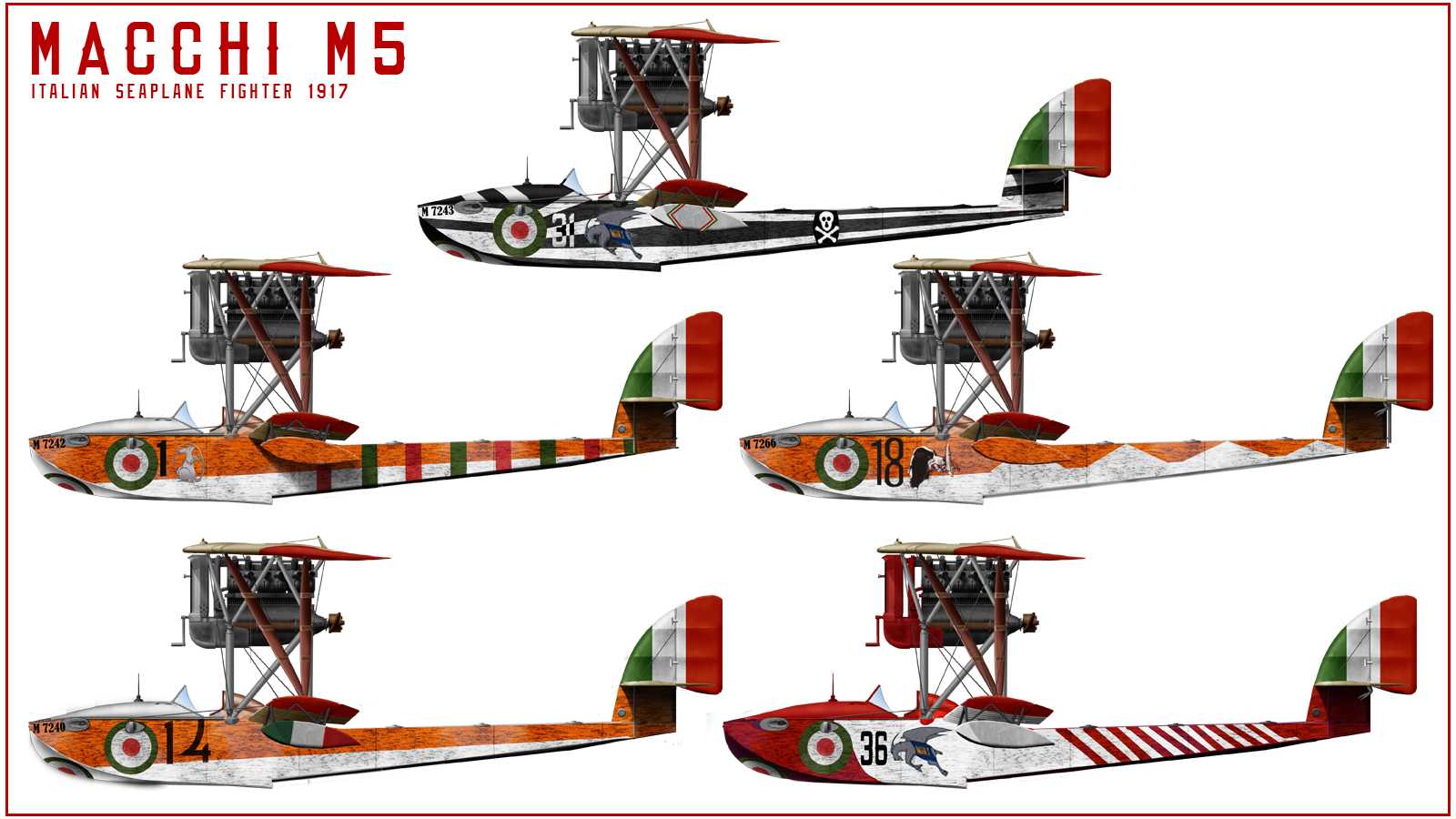
Macchi M5
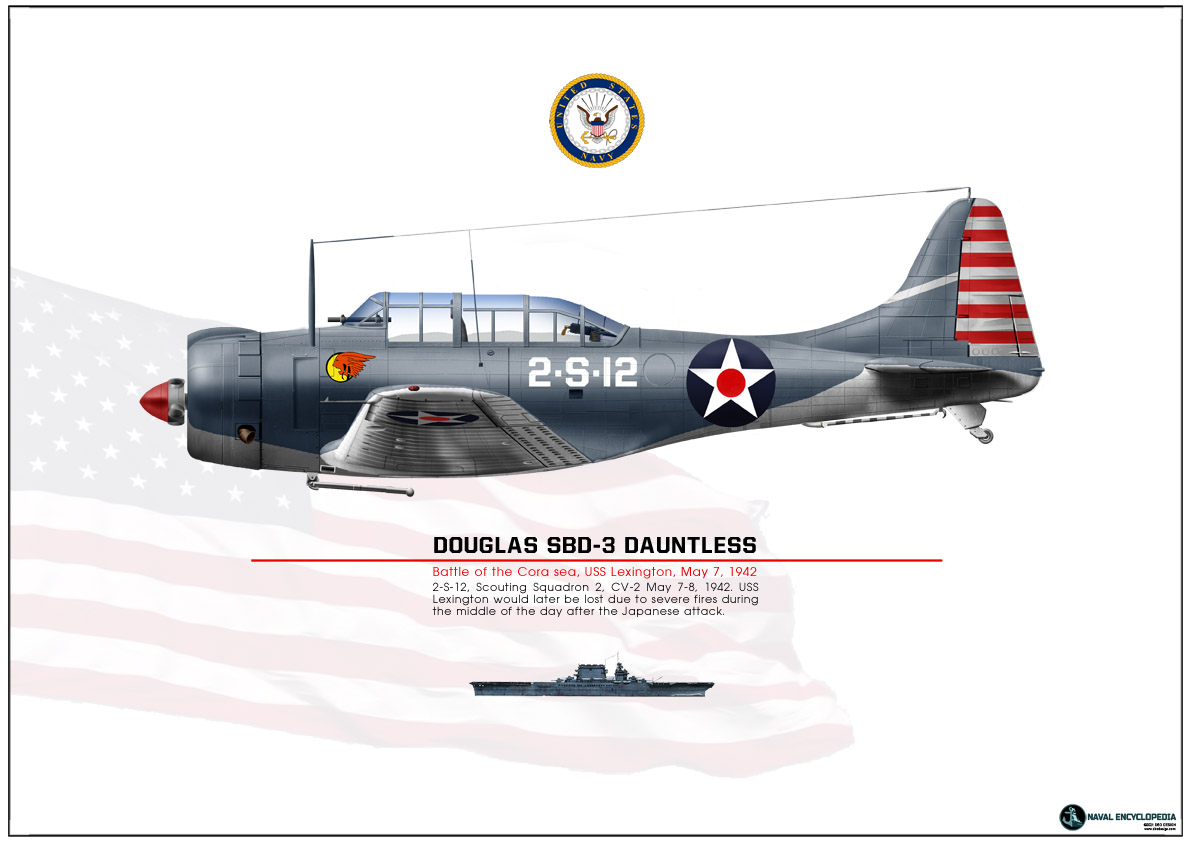
SBD Dauntless Coral Sea
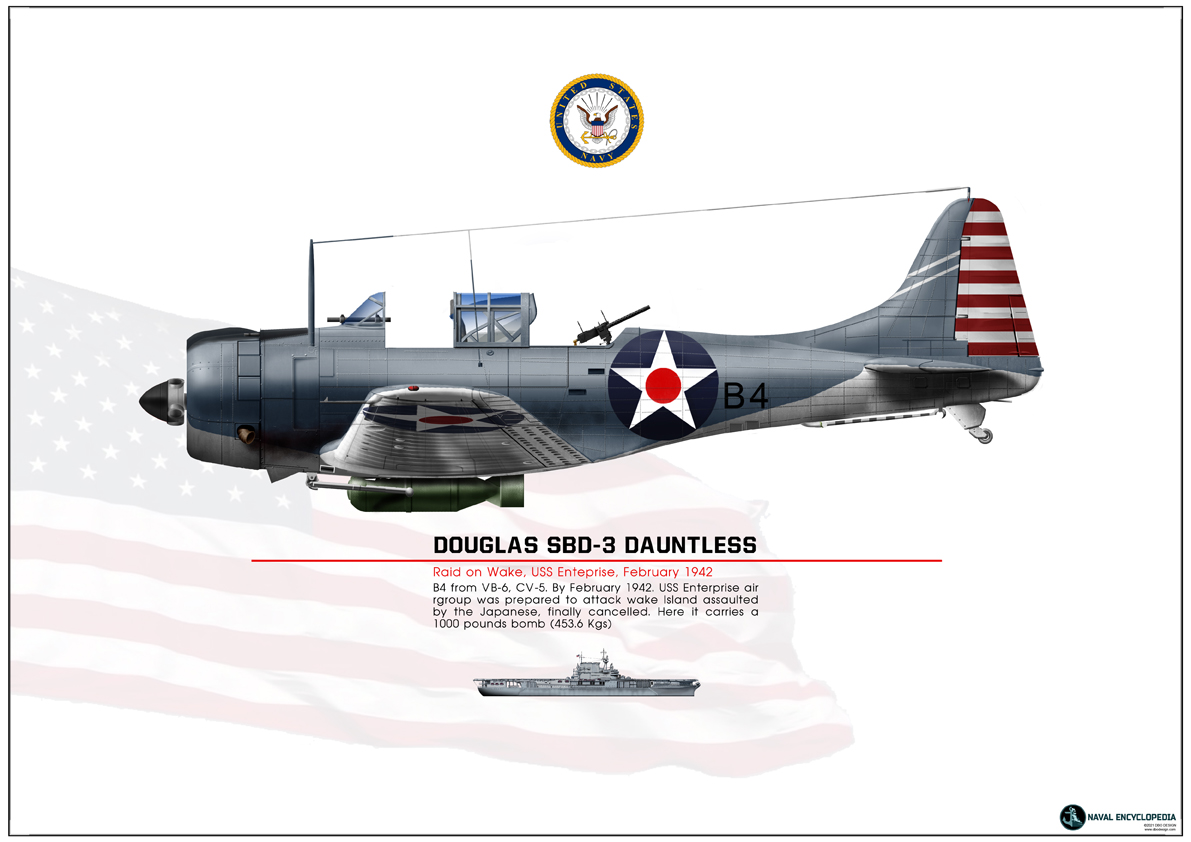
SBD Dauntless USS Enterprise
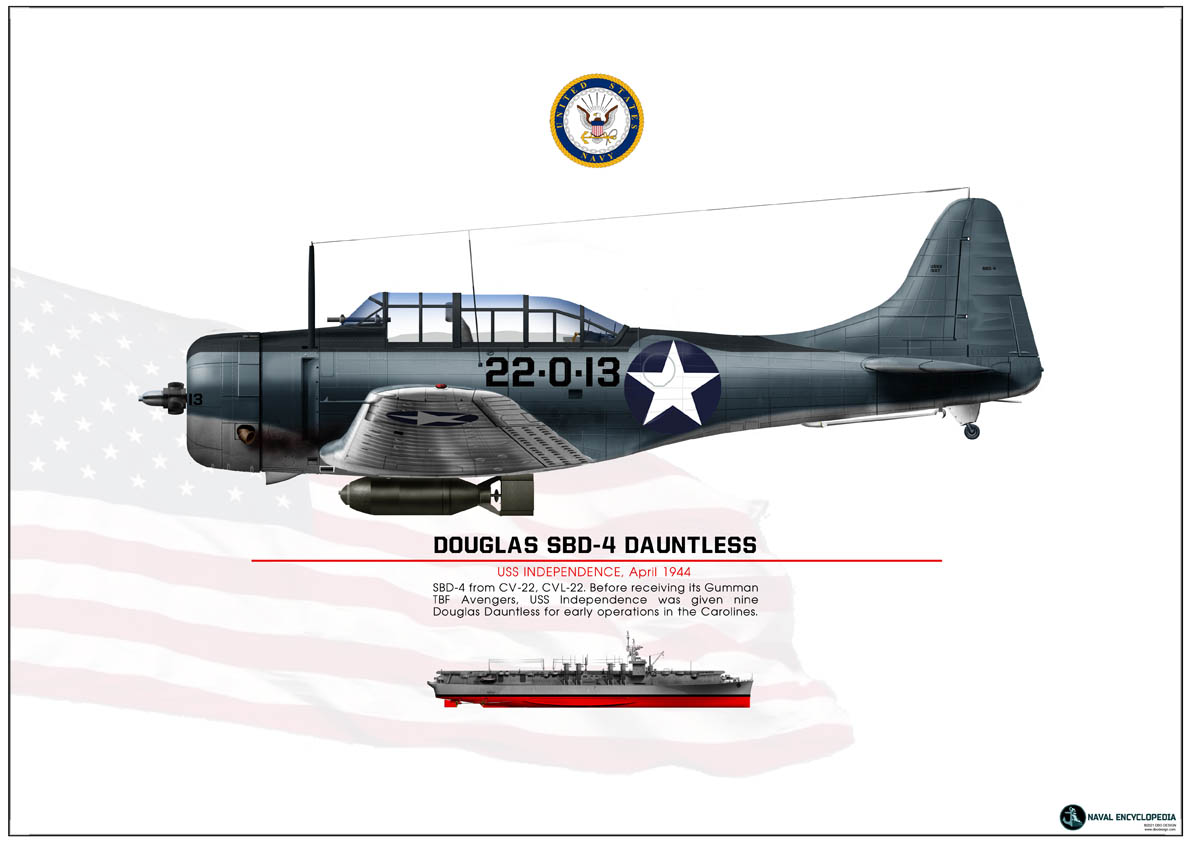
SBD-4 CV22