Fokker T.III (1923)
 Aviação Naval Portuguesa (1923-28)
5 Models manufactured: 1 land bomber, 4 convertible floatplanes
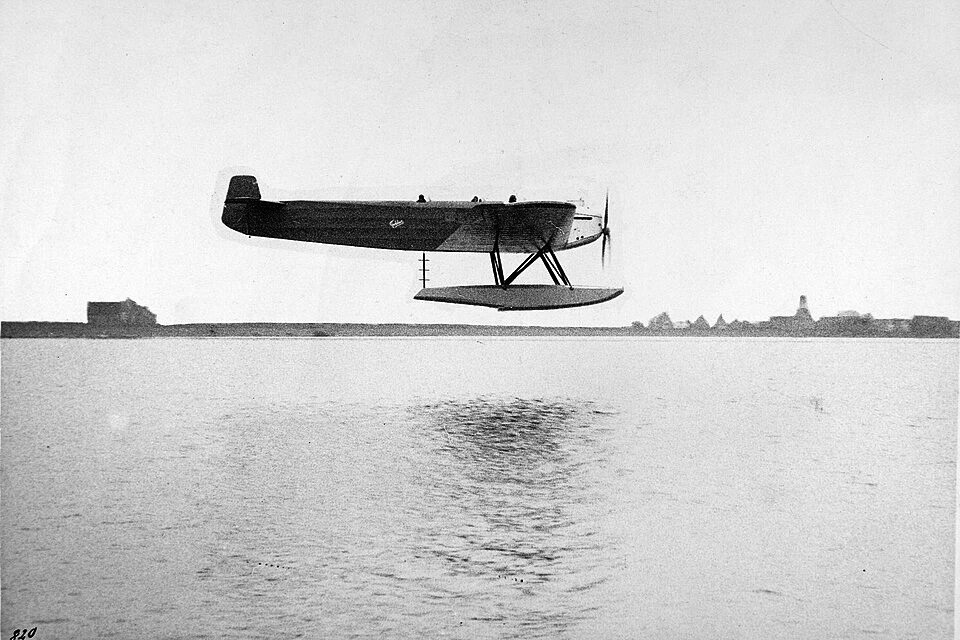
May 22, 1919, Ponta Delgada, São Miguel. The Fokker T.III W “Infante de Sagres” is present at the ancient American naval base in Porto de Ponta Delgada (pinterest).
Development and Design
The Previous Fokker T.II or T.2 (Not to be confused with the Fokker T-2) was a single engine monoplan floatplane from 1920, designed as a torpedo bomber but never ordered by the Royal NL Navy. Fokker at the same time had a rising business in the US and proposed it to the US Navy. Three were ordered for competitive tests against other manufacturers, but it lost to the Douglas DT2. It still remained in service for several years. It succeeded to the T.I of 1919, a paper project of the same.Tests started in 1921 and they had floats in order to carry and drop a torpedo. See the post on the T.II for more. This model was already a solid aircraft, modern thanks to the monoplane configuration, or mixed construction and able to carry a sta,dard airborne 450 mm torpedo (18 inches) Mark VII and VII* weighting c450 kgs. The T.II even loosing to a competitor, impressed General Billy Mitchell, which even visited the Fokker works at Veere, in early 1922.
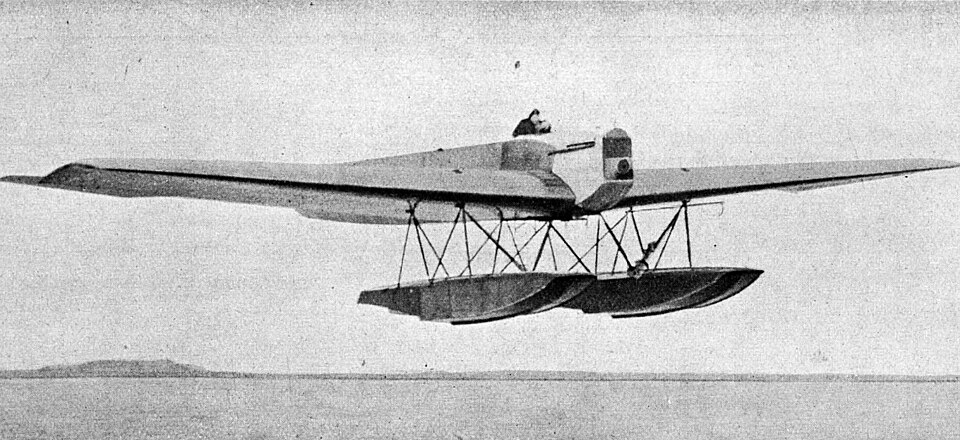 TII taking off - L'Aeronautique in August 1922
Fokker decided to improve on its T.II, seeing much potential in it, and its second torpedo bomber was an enlarged development started in early 1923 on paper at first, then a prototype was built, called the T.III. It was virtually identical but had a slightly greater span and was 30% heavier, carrying cockpits for three rather than two. This was important as the extra crewman could act as navigator and radio. To sustain this larger aircraft, the T.III adopted more powerful W-12 engine, in place of previous V-12. It was also realized that a convertible model, as it was done in US competitions, would be more attractive, that is using either floats or a wheeled undercarriage. The Fokker T.III prorotype, initially made wih a base wheeled undercarriage, first flew in the summer of 1923.
General design
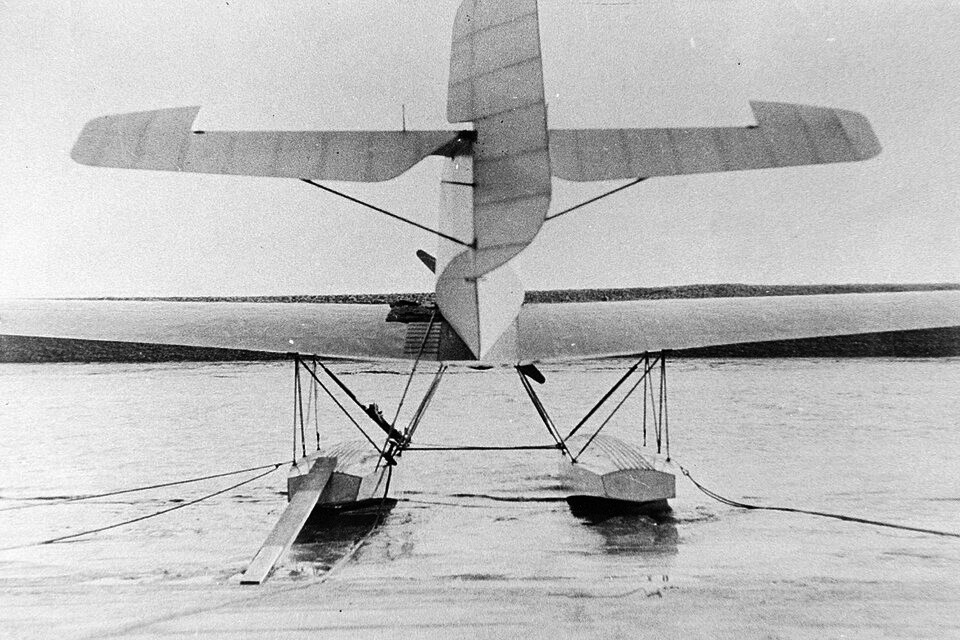
The T.III had a cantilever low wing as a monoplane. It had a thick section and a straight, tapered, square tipped wings. It also used angular overhung ailerons. The fuselage the same as for the T.II, boxy, flat-topped and sides with metal tubes defining the body, wrapped in canvas. It walso quite deep from tail to nose. The three crew members sat in tandem in separate and open oval cockpits. The forward two repeated the configuration of the T.II and were close together, located over the wing so visbility below for observation was poor. These also had dual control. The novelty was the third cockpit spaced further away, behind the trailing edge.The braced tailplane was mounted on top of the fuselage like on the T.II, carrying horn-balanced elevators. The tail was short, straight tapered, square tipped, and the ailerons had a large cut-out for rudder movement. Several variations of this vertical tail were tested, but in all cases, it was straight edged and balanced. There were three vairnats tested, one with a fin and rudder finishing at the keel, nick above the fuselage. Another was similar but with a rudder extension going below the keel. There was a third with a very short fin and small dorsal fillet, no fin extension.
The T.III from the start had an alternative undercarriage. When fixed its two legs were fully independent to avoid cross bracing interfering with the bomb or torpedo release. Each mainwheel was mounted on a classic horizontal axle, supported at the outer end by a longitudinal V-strut, from the wing underside. Two more pairs of Vee struts, one below the wing and the other on the lower fuselage and angled towards each other, supported the inner end of the axle. This model also had a tailskid.
This company T.III could also swap the entire chassis for a twin float undercarriage, projecting just forward of the nose. These aluminium or wooden floats (on demand) were mounted under the fuselage using two sets of N-struts. They had diagonal transverse bracing between them, but the space remained free between them for bombs and a torpedo. Both floats added 243 kg (536 lb) to the unladened weight so the impact, added to the drag, caused a drop of 11 km/h (7 mph).
Engine and Performances
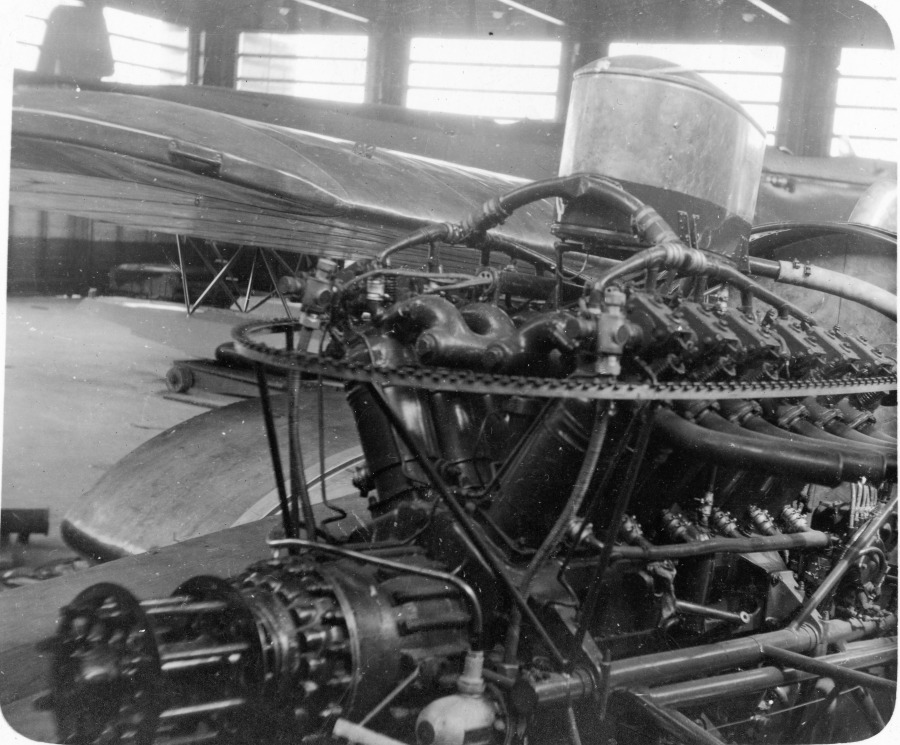
The initial T.III prototype from Fokker was powered by the Napier Lion W-12. It was coupled with a four-bladed wooden propeller. The Napier Lion W-12 is a legendary 12-cylinder, liquid-cooled, petrol-fueled aircraft engine developed by D. Napier & Son. First built in 1917, it was produced into the 1930s, using a relatively "exotic" W-configuration also called the "Broad Arrow" layout. It featured three distinct banks of four cylinders plus an ultra-robust crankshaft. This made it very compact for 389 kg (858 lbs) and minimizing aerodynamic drag while delivering massive displacement and immense power. In total there were 3 banks of 4 cylinders set at 60-degree angles for a full displacement of 23.94 Litres (1,461 cubic inches). This model was rated for 340 Kw or 450 hp.
As valvetrain it used 4 valves per cylinder with twin overhead camshafts (DOHC). Power Output Ranged from 450 bhp in early standard versions like the Lion I to over 1,350 bhp in race modfified supercharged racing variants. This was the mainstay of British aviation during the interwar, powering ana amazing 160 different aircraft types such as the Handley Page Hyderabad and air-racing models. One Lion VIIB enabled the Supermarine S.5 to win the prestigious 1927 Schneider Trophy Race. On land it powered Sir Malcolm Campbell’s Blue Bird, with the Irving-Napier Golden Arrow, and John Cobb's Railton Mobil Special. It was also used for high-speed marine launches and RAF air-sea rescue boats until 1943.
The later production T.IIIW was powered by a V12 Rolls-Royce Eagle, also coupled wit the same 4-bladed wooden propellers, albeit one model, also used a 2-bladed one. The Rolls-Royce Eagle is the first aircraft engine ever developed by Rolls-Royce Limited, introduced in 1915 as a liquid-cooled V12 engine from Henry Royce, helping finding an alternative to French rotary engines. It established a legendary benchmark for reliability, ultimately powering over half of the total Allied air horsepower used during the war. The Eagle IX used on the T.IIIW was a 60-degree V12-cyl. displacing 20.32 Litres (1,239 cubic inches) and using a single overhead camshaft (SOHC), with 2 valves per cylinder.
This power unit weighted 408 kg (900 lbs) of dry weight for a power output that went from 225 bhp to 360 bhp at 1,800 rpm which was likely in that case. Top speed is known for the prototype powered by the W-12 Napier was capable of 169 km/h (105 mph, 91 kn). So the less powerful T.IIIW was likely around 150 kph (93 mph or 80 kts). Performances figures for the T.IIIW are unknown.
Armament
The gunner's post was the third cockpit, which also doubled as observaiton post. It was fitted with two machine guns on a standard flexible mount with universal brackets to mount whatever model the customer wanted. The standard at the time was the Lewis. Another preculiarity was the same MG-gunner had access to a conventional mounting firing downwards through the fuselage underside as well to cover most angles. The same MG-gunner which can double as observer, also was in charge as a bombardier. He controlled the two release levers for 50 kg (110 lb) and 100 kg (220 lb) bombs.But the main offensive payload was the torpedo. It was mounted externally under the fuselage, between floats or the roadwheel train, and it had several attachement points using a manual release plus a guide. The 450 mm or 18-inches envisioned might have been the Mark 7 Type D, or a British 18" (45 cm) Mark VIII. This model entered service in 1914 and weighted 3,828 lbs. (1,736 kg). It was powered by a wet-heater and carried a 320 lbs. (145 kg) TNT payload, for a Range of 2,500 yards (2,300 m) at 35 knots or a second setting was 4,000 yards (3,650 m) at 29 knots.
Variants
T.III: Company designation of the land-based torpedo bomberT-IIIW: Company designation for the 5 delivered with convertible carriage to Portugal.
⚙ Fokker T.III specifications | |
| Empry weight | 2331 kg |
| Gross weight | 3319 kg |
| Fuselage lenght: | 14.08 m (46 ft 2 in) |
| Wingspan: | 21.20 m (69 ft 7 in) |
| Height: | 3.39 m (11 ft 1 in) |
| Propulsion | Napier Lion water-cooled W-12, 340 kW (450 hp) |
| Top Speed | 169 km/h (105 mph, 91 kn) |
| Armament | Machine gun in rear cockpit, bombs |
| Propeller | 4-bladed, wooden |
| Crew | Three: Pilot, Navigator, Rear Gunner |
The Fokker T.IIIWs

T.IIIW "Infante de Sagres". Inllustraton by M. Amaral, from pinterest.
The final production model was chosen by Portugal, this was the T.IIIW, four manufactured by Fokker, assigned to the Aviação Naval Portuguesa. They were used for maritime reconnaissance, torpedo attacks, and bombing missions; The "W" stands for the Dutch "Watervliegtuig", meaning "water aircraft"). Albeit it featured interchangeable landing gear, it seemed the three that remained kept their floats for all their remaining career until 1928. These, plus the sole T.III were purchased. The land-based T.III was the bomber, whereas the T.IIIW seaplanes were specialized in anti-ship warfare, launching aerial torpedoes.
Serials were 4194; 4195; 4196; 4197. They travelled to Portugal from August 1924 onwards, to replace their ageing Tellier T.3 flying boats. The first, a T.IIIW (RR Eagle version) in undercarriage, had a stop at Bordeaux and spent 9 hours fixing fuel issues. Another was sent crated out. The remaining threee left Schellingwoude. During one such ferry flight, one was lost on November 15, 1924, over the English Channel due to foggy conditions, off Brest, France. One was lost two years later: On Sunday 22 August 1926 the model registered "28" had taking off from Avairo in direction of Vianna de Castello for a routine transfer when it crashed, making one injury but the crew of 3 survived. The two remaining T.IIIW, plus the land-based T.III remained in service until 1928. They were replaced as seen above by French CAMS-37s flying boats. They had been earmarked for record flights that never took place. The experience gained led to the development of the T.IV and T.IVa.
Illustrations
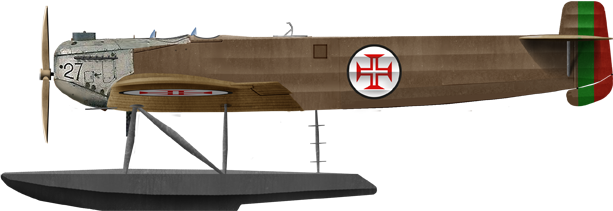
The serial T.IIIW of the Portuguese Naval Aviation
Gallery
Read More
Books
Wesselink, Theo; Postma, Thijs (1982). De Nederlandse vliegtuigen. Haarlem: RomemGreen, William (1962). Warplanes of the Second World War: Volume Six, Floatplanes. London: Macdonald.
Taylor, Michael J. H. (1989). Jane's Encyclopedia of Aviation. London: Studio Editions. p. 404.
World Aircraft Information Files. London: Bright Star Publishing. pp. File 894 Sheet 34.
Links
fokker-history.comnavweaps.com Brit. airborne torpedoes
wiki Fokker_T.III
dutch-aviation.nl/
acidentesaviacaomilitar.blogspot.com
aviation-safety.net
photo on itoldya420.getarchive.net
Model Kits
T.III on modellversium.deVideos
- Lohner E (1913)
- Macchi M3 (1916)
- Macchi M5 (1917)
- Macchi M7 (1918)
- Ansaldo ISVA (1918)
- Short S.38 (1912)
- Sopwith Baby (1916)
- Short 184 (1916)
- Fairey Campania (1917)
- Sopwith Cuckoo (1917)
- Felixstowe F.2 (1917)
- Gotha WD.2 (1914)
- Friedrichshafen FF 33 (1916)
- Albatros W4 (1916)
- Albatros W8 (1918)
- Hanriot HD.2
- Grigorovich M5 (1915)
- Grigorovich M9 (1916)
- Grigorovich M11 (1917)
- IJN Farman MF.7
- IJN Yokosho Type Mo
- Yokosho Rogou Kougata (1917)
- Yokosuka Igo-Ko (1920)
- Curtiss N9 (1916)
- Curtiss H4 (1916)
- Curtiss H12 (1917)
- Curtiss H16 (1918)
- Aeromarine 39
- Vought VE-7
- Douglas DT (1921)
- NAF/Curtiss TS-1 (1922)
- Boeing FB.5 (1923)
- Boeing F4B (1928)
- Vought O2U/O3U Corsair (1928)
- Grumman FF (1931)
- Akron class airships (1931)
- Curtiss F9C Sparrowhawk (1931)
- Curtiss F11C Goshawk (1932)
- Curtiss BF2C Goshawk (1933)
- Blackburn Blackburn (1922)
- Supermarine Seagull (1922)
- Fairey Flycatcher (1923)
- Hawker Horsley (1925)
- Blackburn Ripon (1926)
- Fairey IIIF (1927)
- Fairey Seal (1930)
- LGL-32 C.1 (1927)
- Fokker T.II (1921)
- Fokker T.III (1923)
- Caspar U1 (1921)
- Dornier Do J Wal (1922)
- Rohrbach R-III (1924)
- Mitsubishi 1MF (1923)
- Mitsubishi B1M (1923)
- Yokosuka E1Y (1923)
- Nakajima A1N (1927)
- Nakajima E2N (1927)
- Mitsubishi B2M (1929)
- Nakajima A2N (1930)
- Nakajima A4N (1935)
- CANT 18
WW1
✠ K.u.K. Seefliegerkorps:
 Italian Naval Aviation
 RNAS
RNAS
 Marineflieger
 French Naval Aviation
 Russian Naval Aviation
 IJN Air Service
 USA
USA
Interwar
 Interwar US
 Interwar Britain
 Interwar France
 Interwar Netherlands
 Interwar Germany
 Interwar Japan
 Interwar Italy
- Grumman F2F (1933)
- Curtiss SOC seagull (1934)
- Grumman F3F (1935)
- Northrop BT-1 (1935)
- Consolidated PBY Catalina (1935)
- Grumman J2F Duck (1936)
- Brewster/NAF SBN-1 (1936)
- Curtiss SBC Helldiver (1936)
- Vought SB2U Vindicator (1936)
- Brewster F2A Buffalo (1937)
- Douglas TBD Devastator (1937)
- Vought Kingfisher (1938)
- Curtiss SO3C Seamew (1939)
- K-class Blimps (1939)
- Douglas SBD Dauntless (1939)
- Grumman F4F Wildcat (1940)
- F4U Corsair (NE) (1940)
- Brewster SB2A Buccaneer (1941)
- Grumman TBF/TBM Avenger (1941)
- Consolidated TBY Sea Wolf (1941)
- Grumman F6F Hellcat (1942)
- Curtiss SB2C Helldiver (1942)
- Curtiss SC Seahawk (1944)
- Grumman F7F Tigercat (1944)
- Grumman F8F Bearcat (1944)
- Ryan FR-1 Fireball (1944)
- Douglas AD-1 Skyraider (1945)
- Fleet Air Arm
- Hawker Osprey (1932)
- Fairey Swordfish (1934)
- Blackburn Shark (1934)
- Supermarine Walrus (1936)
- Fairey Seafox (1936)
- Blackburn Skua (1937)
- Short Sunderland (1937)
- Blackburn Roc (1938)
- Fairey Albacore (1940)
- Fairey Fulmar (1940)
- Grumman Martlet (1941)
- Hawker sea Hurricane (1941)
- Brewster Bermuda (1942)
- Fairey Barracuda (1943)
- Fairey Firefly (1943)
- Grumman Tarpon (1943)
- Grumman Gannet (1943)
- Supermarine seafire (1943)
- Blackburn Firebrand (1944)
- Hawker Sea Fury (1944)
- Coastal Command
- Vickers Wellington (1937)
- IJN aviation
- Yokosuka E6Y (1930)
- Aichi D1A "Susie" (1934)
- Mitsubishi A5M "Claude" (1935)
- Nakajima A4N (1935)
- Yokosuka B4Y "Jean" (1935)
- Mitsubishi G3M "Nell" (1935)
- Nakajima E8N "Dave" (1935)
- Kawanishi E7K "Alf" (1935)
- Nakajima B5N "Kate" (1937)
- Kawanishi H6K "Mavis" (1938)
- Aichi D3A "Val" (1940)
- Mitsubishi G4M "Betty" (1940)
- Mitsubishi A6M "zeke" (1940)
- Nakajima E14Y "Glen" (1941)
- Nakajima B6N "Jill" (1941)
- Mitsubishi F1M "pete" (1941)
- Aichi E13A Reisu "Jake" (1941)
- Kawanishi E15K Shiun "Norm" (1941)
- Nakajima C6N Saiun "Myrt" (1942)
- Yokosuka D4Y "Judy" (1942)
- Kyushu Q1W Tokai "Lorna" (1944)
 Luftwaffe
- Heinkel 114 (1935)
- Arado 196 (1937)
- Me109 T (1938)
- Blohm & Voss 138 Seedrache (1940)
 Italian Aviation
- Savoia-Marchetti S.55
- IMAM Ro.43/44
- CANT Z.501 Gabbiano
- CANT Z.506 Airone
- CANT Z.508
- CANT Z.511
- CANT Z.515
 French Aeronavale
- GL.300 (1926-39)
- CAMS 37 (1926)
- Levasseur PL.5 (1927)
- Potez 452 (1935)
- Loire 210 (1936)
- Loire 130 (1937)
- LN 401 (1938)
 Soviet Naval Aviation
- Shavrov SH-2 (1928)
- Tupolev TB-1P (1931)
- Beriev MBR-2 (1930)
- Tupolev MR-6 (1933)
- Tupolev MTB-1 (1934)
- Beriev Be-2 (1936)
- Polikarpov I16 naval (1936)
- Tupolev MTB-2 (1937)
- Ilyushine DB-3T/TP (1937)
- Beriev Be-4 (1940)
 Swedish Naval Aviation
- SAAB B17S
-
 Skoda Š-328V
  R-XIII Idro
 Fokker C.XI W (1934)
 Rogožarski PVT-H (1938)
WW2
 ☍ USNA
- De Havilland Sea Vixen
- Hawker Sea Hawk
- Supermarine Scimitar
- Blackburn Buccaneer
- Hawker Sea Harrier
- Douglas A4 Skyhawk
- Grumman F9F Panther
- Vought F8 Crusader
- McDonnell-Douglas F-4 Phantom-II
- North Am. A5 Vigilante
- TU-142
- Yak 38 forger
☢ Cold War
✧ NATO
Fleet Air Arm
 US Navy
☭ Warsaw Pact
Merch
Seafire Mark 45; HMS Pretoria Castle
Zeros vs its aversaries
Aichi D3A “Val” Junyo
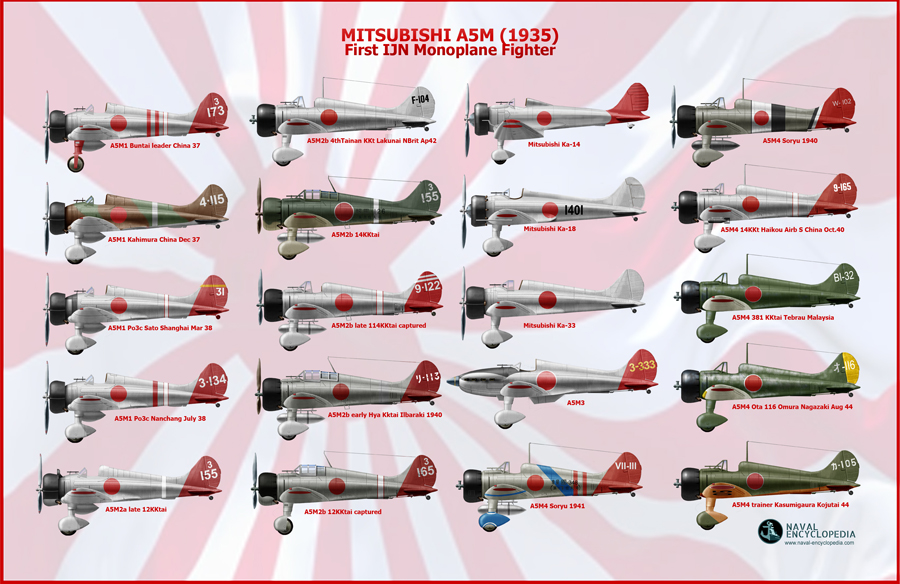
Mitsubishi A5M poster
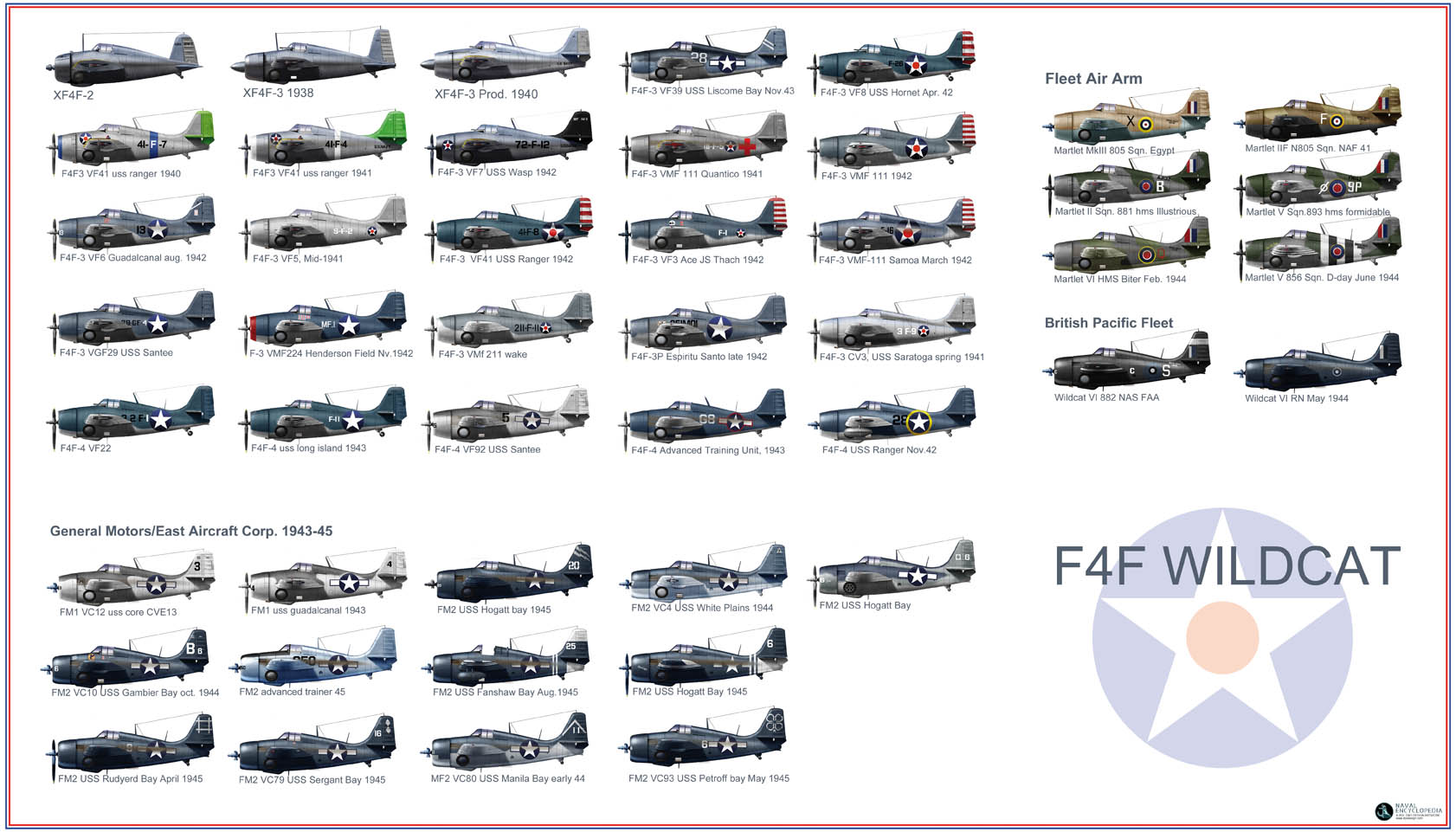
F4F wildcat
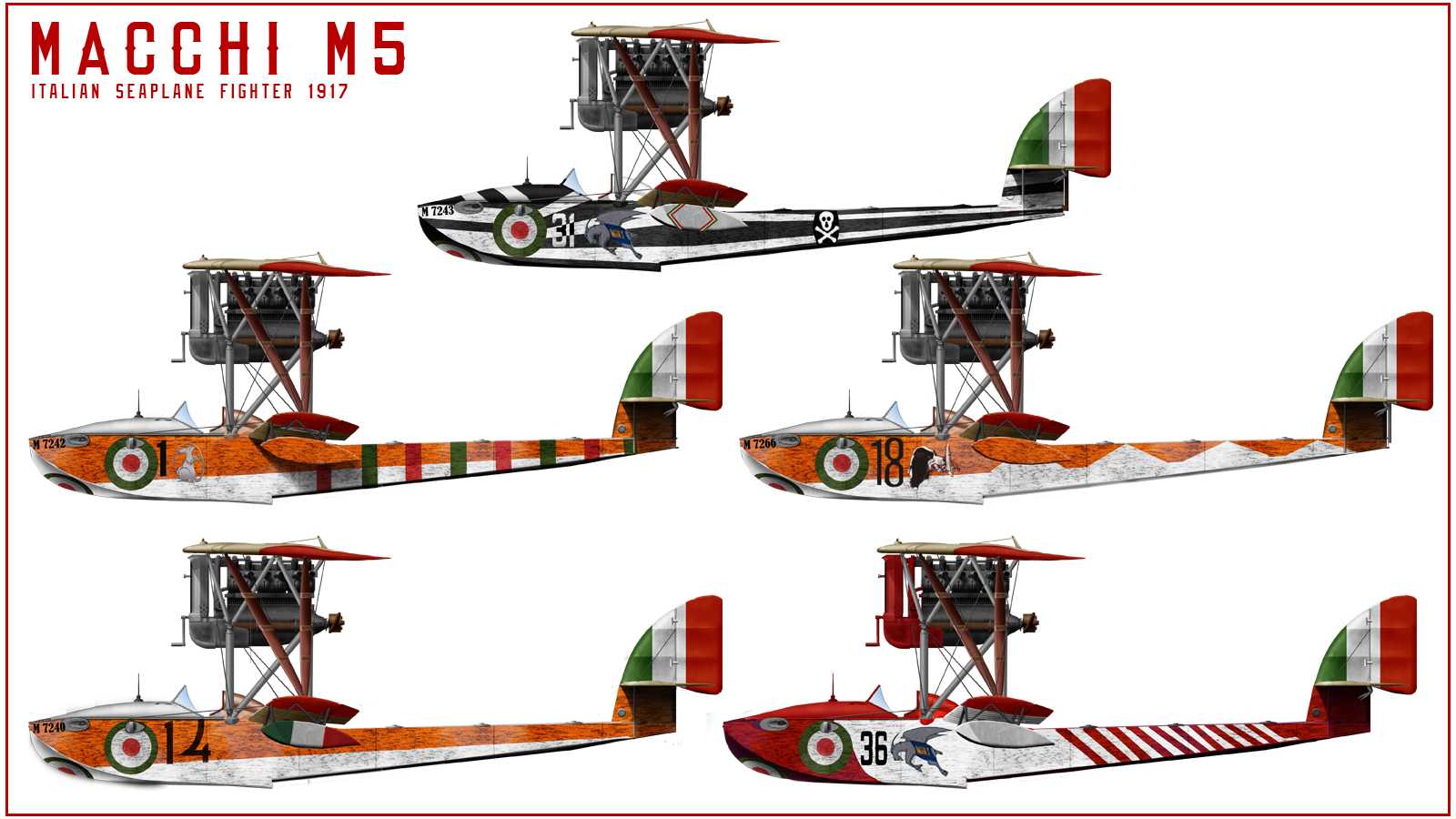
Macchi M5
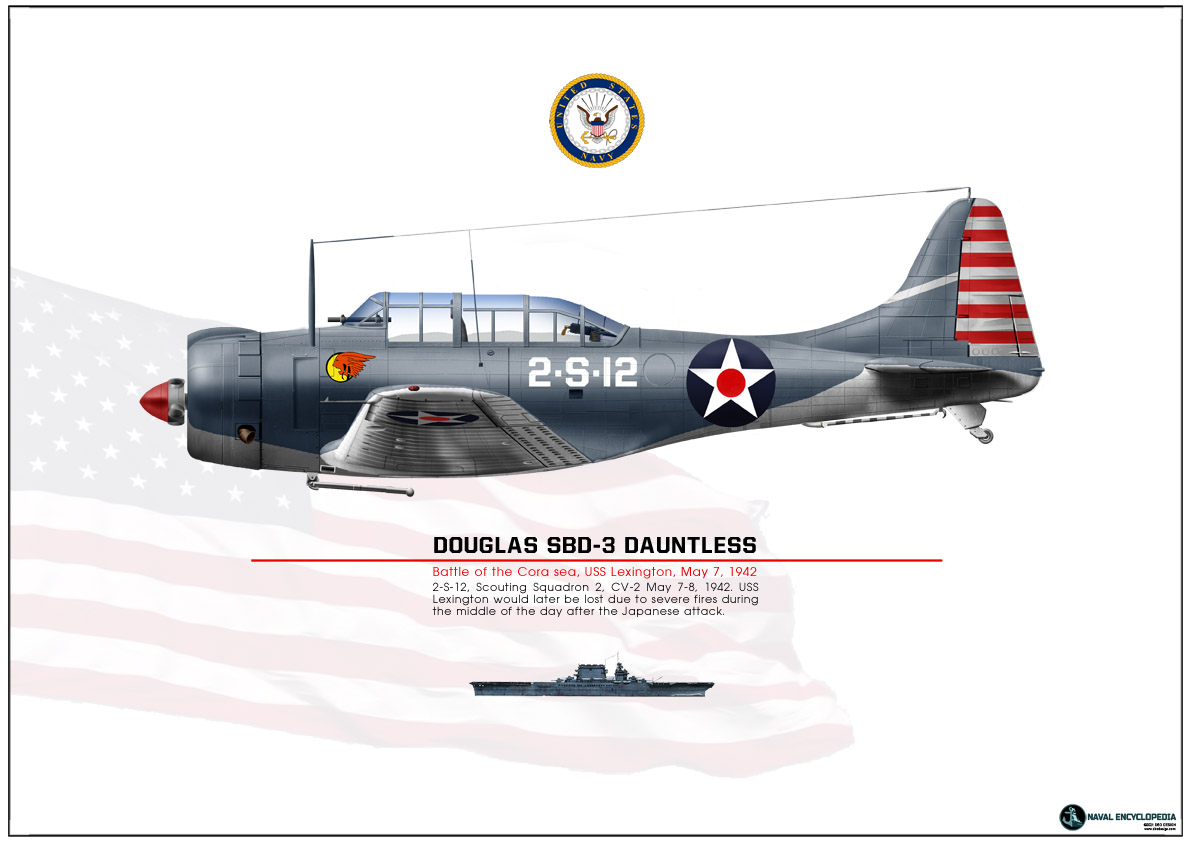
SBD Dauntless Coral Sea
SBD Dauntless USS Enterprise
SBD-4 CV22