Portuguese Naval Aviation
 Aviação Naval Portuguesa: c100 of all types 1917-today
The Portuguese Naval Aviation originated in 1916: Two Navy officers were sent to France to to start flight training. This was the culmination of an effort in 1913 to create a military aviation school as the basis serving as the basis for both services at the tim, the air force and the navy. These Navy officers were Artur de Sacadura Cabral and António Joaquim Caseiro. They had basic flight training at Chartres, then started their flying boat flight training at Saint-Raphaël, Var, french riviera.
Sacadura was also tasked to establish contact with french aviation industry by the ministry to study existing models and equip the Portuguese naval air service then still in creation. Both eventually returned to portugal and became appointed flight instructors at the Military Aviation School of Vila Nova da Raina, the naval section section of the Army's School of Military Aeronautics (EAM). Sacadura Cabral was appointed instruction director. Portuguese Navy personnel started receiving their flight training as well as aircraft maintenance drills, completed in france.
Sacadura Cabral was was also tasked to find the best location for a future hydroplane naval air station which became the Bom Sucesso Naval Air Station. In late 1916, Imperial German Navy U boote started to attack portuguese merchant ships sailing along the Portuguese coast. The French government asked Portugal permission to install thei own naval air station. 1st Lieutenant Maurice Larrouy, French Navy, proposed the installation of an airship and hydroplane base in Lisbon.
Two additional hydroplane bases were then installed in the north and south of Portugal. However installing an airship base was envisioned but later dismissed due the logistic cost logistics associated with their operation. Notably a plan ton install an airship base in Lisbon. Instead it was decided to equip Bom Sucesso with anti-submarine flying boats and building a hydroplane base for the French Naval Aviation in Aveiro.
On 28 September 1917 the Navy's Aviation Service (Serviço de Aviação da Armada) was created and now fully separated from the Army's EAM. It was installed at the Bom Sucesso Naval Air Station, Lisbon docks. The first assets ever were two F.B.A. flying boats, received in March 1917, stored at EAM, arriving by December 1917, and enabling the start of independent flight operations. Its centennial was celebrated on 28 September 2017.
Naval Aeronautics Service
On 5 January 1918 the service was renamed to Naval Aeronautics Service. In April 1918 the French Navy sent its first flying boats at São Jacinto, in Aveiro. They started to perform anti-submarine patrols, and cover coastal Portuguese waters and main ports. The United States Navy in turn started operating Curtiss HS-2L hydroplanes from Horta, in Faial Island. By november the French Navy left São Jacinto, handing over the naval air station to the Portuguese Navy. 18 Donnet-Denhaut D.D.8 and two Georges Levy G.L.40 flying boats were donated rather than repatriated.On 28 December 1918 a Portuguese Navy officer took command of this Naval Air Station. In turn the usn their base at Horta offered as well to the Portuguese Navy alongside four Curtis HS-2L flying boats. They were shipped to Lisbon, operating grom Bom Sucesso in 1923. In 1919 hower some aircraft operated from São Jacinto fought the pro-monarch movement of the North in the wake of political instability which resulted from the assassination of President Sidónio Pais.
The first Portuguese aircraft operated from ships was in 1922: this was the First aerial crossing of the South Atlantic. After an accident in Saint Peter and Saint Paul Archipelago this aircraft was embarked into the Brazilian civilian ship Bagé, transported back to Lisbon.

Lieutenant-Commander Sacadura Cabral and Captain Gago Coutinho in the cockpit of the Fairey III seaplane Lusitânia, at the departure for the first aerial crossing of the South Atlantic
In April 1931, there was a military coup in Funchal, Madeira. Martial law was declared in Madeira and in the Azores. Four CAMS 37A were then dipatched on 11 April to Horta, perform reconnaissance, ground attack, and psy-ops against local rebels. In total they flew 100 hours while in several occasions hit by small arms fire and fireworks (rudimentary anti-aircraft rockets. None was lost, all returned to Lisbon at the end of the war.
Next, the Magalhães Corrêa naval modernization program planned the purchase of a seaplane tender, ordered from Italy in 1931. As consequence of the 1929 economic crisis, the value of the Lira collapsed. The increase of acquisition costs led to a contract cancellation. Still, two 1st class avisos of the Afonso de Albuquerque class were ordered and both had the capacity for a floatplane so two Hawker Osprey III were also ordered. They were still in service by the 1940s. But in the end they were replaced by anti-aircraft artillery.
Reorganization of the Naval Aeronautics Service

On 30 September 1936 it was decided to start a deep reorganization, with the operational component now called the FAA, Forças Aéreas da Armada still attached to the permanent and reserve forces, organized in flights. Each comprised from 6 to 12 single-engine or from 3 to 5 multi-engine aircraft of the same type. All could be subdivided in sections or on the contrary flights could be grouped. Besides was the Naval Aeronautics Service which also included the Directory of the Naval Aeronautics and naval aeronautics establishments. The latter included the naval air stations, naval air posts and Admiral Gago Coutinho Naval Aviation School.
Ww2: Between 1939 and 1940 assets consisted in Avro 626 floatplanes, and Grumman G-21B Goose. The latter were used for regular transport between Portugal and the Azores (soon much conveted by the allies for its strategic location in relation to U boat activities in the atlantic) and also performed search and rescue missions (SAR). In February 1941, a Short Sunderland was interned. It was forced to land on the Portuguese coast, in a night flight underway to Gibraltar, due to high winds. Portugal was neutral in this war unlike in WW1 and received no less than twenty de Havilland DH-82A Tiger Moth, transferred to the Navy from a larger batch as compensation for the leased aviation facilities in Azores. They were used for flight training of new pilots, preferred due to numerous training accidents with floatplanes. resulted in the total loss of the airframe and reconstituted the "Almirante Gago Coutinho" Naval Aviation School, in Aveiro.

Junkers K43-W serving with the Portuguese Naval Aviation, 1930s - Colored by Candeias, Pinterest
In 1943, new assets arrived, former-Royal Air Force Bristol Blenheim bombers, a bit worn out as they had been already used extensively in combat, but equipped with modern avionics and communication equipment. They provided portuguses pilots with updates in that field. Then were received also 12 Airspeed Oxford for flight and navigation training also part of compenqation for the Azores facilities by the UK. The first six were delivered in 1943. The remaining ones howere would be only delivered in 1947.
By far the best assets obtained by the portuguese in the war arrived in 1945, flight of Bristol Beaufighter TF.X equiped as torpedo bombers but with rocket racks. Needless to say they greatly improved the capabilities of the naval aviation branch and combat capacity overall nut the high maintenance costs had them retired rather quickly even if their cell was inspected and still valid for many more flight hours. Next came surplus Beechcraft AT-11 Kansan and Beechcraft D-18S aircraft acquired from us stocks in 1946-47 and used for liaison between the Azores, Cape Verde, and Portuguese Guinea.
The last major acquisition was in 1950, when acquiring a batch of Curtiss SB2C Helldiver dive bombers, this time through the Mutual Defense Assistance Act (MDAP). These were equipped for ASW and formed a new anti-submarine squadron based a São Jacinto in Aveiro. In 1951, the Naval Aviation commenced its transition to helicopters. At the Lisbon Naval Aviation Centre pilots started training on a civilian Westland WS-51 Dragonfly Mk.1A. The idea was to study their purchase for shipborne operations. This was early as no helicopter capable ship was available. This helicopter was later sold to Italy.
Aeronaval Forces (1952)

Harvard T-6G and AT-6A 1951 and 1948 (pinterest)
In 1958 happened a seismic event common at some point or another of any nation thay develop a separate naval aviation branch. The unification of the Army and Navy's military aviation services was decided by the Under-Secretary of State for the Aeronautics as a major cost cutting measure. The Portuguese Air Force was created in 1952 in a way assets were transferred to this new branch. However naval aviation's units formed allowed for semi-independent branches for operational and training purposes. One was called the Forças Aeronavais. But by 1958, with the anti-submarine and maritime patrol squadrons integrated into the Air Force were finally disbanded. The last remaining technicians and officers returned to the Navy.
Fully integration in the Air Force (1958)
From 1958 onwards this the former naval aviation branch was integrated to the Army Light Aviation and Aeronaval Forces assets. The force saw action in the carnatic revolution and by 1993, the Portuguese Air Force maintained this monopoly assuming all former roles performed by the Naval Aviation. The former Montijo Naval Air Station became Air Force Base but retained for example its specialization for maritime aviation assets, notably sole operator of maritime patrol aircraft.In between and before the carnatic revolution portugal was still fighting its colonial wars. In 1964, its assets were deployed in Guinea with a FAP Alouette considered for operation from a ship, for personnel transport and medical evacuation. It operated from the wooden platform installed on the frigate Nuno Tristão. Further medical evacuations were performed by FAP helicopters to and from the support ship Sam Brás. Alouette III helicopters also operated from the flight decks of the João Coutinho class corvette Baptista de Andrade and support ship São Gabriel. In 1987, with the modernization of the João Belo-class frigates, a flight deck and telescopic hangar were installed to enable them to carry an organic anti-submarine helicopter for the first time. However, all these installations were provisional.
Navy's Helicopter Squadron
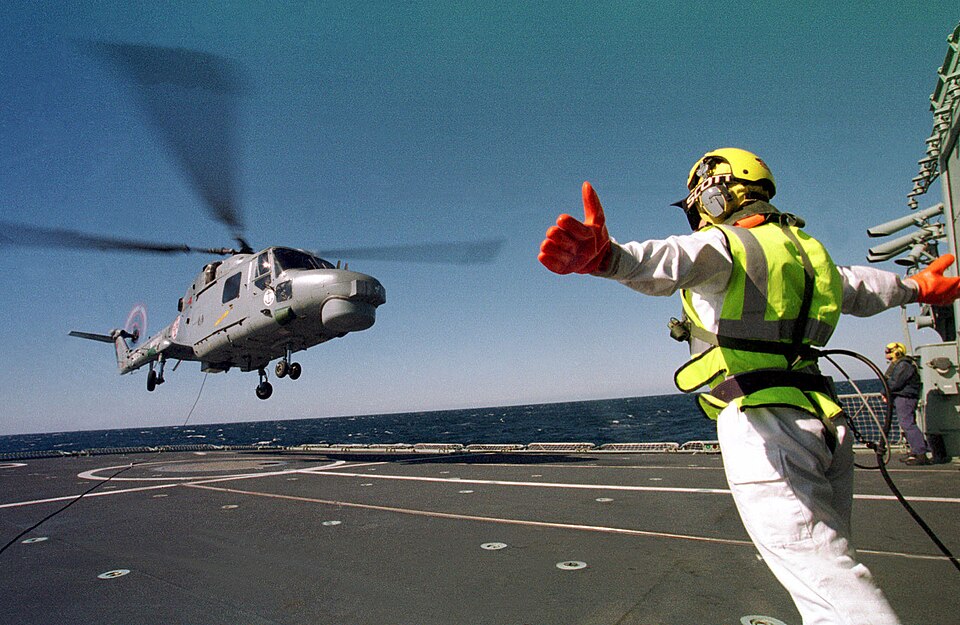
The Navy's Helicopter Squadron or Esquadrilha de Helicópteros da Marinha, or EHM was created when the navy planned the acquisition of the new Vasco da Gama-class frigates meko type made in germany at blohm and voss. It included a helicopter usable for anti-submarine warfare. In 1977, with the work group (Grupo de Trabalho de Actualização dos Meios Navais) to study the purchase of new ships also included the acquisition of helicopters. Budget constraints however put an halt to this.
In the middle of the 1980s the Cold War was still not over and to modernize the fleet, the purchase of these new MEKO frigates with the capacity to operate helicopters led to evaluate the Kaman SH-2 Seasprite and Westland Lynx as on-board helicopters. In August 1988 officers were sent to Plymouth, to start their Air Engineer Application Course at the Royal Naval Engineering College. They started training in aerodynamics, shipborne aeronautical systems, engine maintenance, control and certification of for maintenance procedures. In April 1989 practical trainging was performed on HMS Daedalus.
Two groups splitted, one sent to receive certifications at 829 Naval Air Squadron and at 715 Naval Air Squadron from the FAA. These teams were back in Portugal in October 1989, and underwent training taking part in the Grupo de Trabalho para a Aquisição dos Helicópteros, GTAH. By December 1989 final decision was taken to acquire five Westland Super Lynx Mk.95 helicopters for the new vasco da gama frigates.

Super Lynx Mk.95 from NRP Bartolomeu Dias, Matosinhos Harbour 19 May 2017
This Helicopter Squadron was officially created on 2 June 1993. It started training the helicopter maintenance personnel and on-board helicopter operations crews. The group was supposed to support the flotilla, and maintain two helicopter detachments rotating between the NAS and frigates in deployments. The squadron was activated on 8 June 1993 with the Montijo Air Base. Its facilities were inaugurated on 24 September. The first two helicopters were delivered on 29 July.
In 1995, the first detachment was formed and a cycle of on-board operations started, operating from the Vasco da Gama-class and Bartolomeu Dias-class frigates. Dedpite the reactivation of the Naval Aviation the Air Force's logistics and training infrastructure are still used to reduce costs. Officers are selected from the Naval School and undergo flight training with the Air Force on Aérospatiale Epsilon TB-30 aircraft with 101 Squadron and later on the Aérospatiale Alouette III with 552 Squadron. After this these naval pilots return to the Navy starting operational conversion to the Lynx at the Centro de Instrução de Helicópteros, CIH).
The latter trains both flight and tactical pilots, instructs maintenance personnel and system's operators. This includes sonar, winch operator, and rescue swimmer. It also works in partnership with the Joint Lynx Simulator Training Establishment (JLSTE), using the Lynx helicopter simulator at the Maritime Aviation Site De Kooy (Netherlands). Today the park includes three operational lynx helicopters with two more in depots. This is completed by an array of forty or so drones as the latest evolution of the portuguese navy is the acquisition of a remarkable ship, the NRP D. João II.
This is in substance the first european dedicated drone carrier. A type of ship way cheaper than a true aircraft carrier, tailored for the budget and needs of the current portuguese navy. It is capable currently of operating about twenty drones or more depending of the needs. But also two EW 101 helicopters with two hangar and a catapult. Built in Damen this is however a very versatile ship for a large variety of NATO missions including civilian ones.
Naval air bases

Lisbon Naval Air Station:
Created in 1917 as a seaplane base at the Bom Sucesso Docks. It is the first operational naval aviation base. On 2 January 1953 it was transferred to newly built facilities at Montijo. The latter inherited from a seaplane base, with an airfield, and it was known officially the "Sacadura Cabral" Naval Air Station, then renamed "Air Base No. 6" on 12 June 1954.Aveiro Naval Air Station:
It was activated in 1918 at the São Jacinto península for anti-submarine seaplanes by the French Navy but with portuguese support. The Portuguese Navy later took it over. Later an airfield was constructed. In 1953 it was converted into a Portuguese Air Force base.Azores Naval Air Station:
Already an important seaplane base when installed in 1918 in Horta. In 1919, it was transferred to Ponta Delgada, and deactivated in 1921, then reactivated in 1941 for the same use and even more u boats present in the area. It was deactivated in 1946.Algarve Naval Air Station:
Another seaplane base constructed in 1918 at the Culatra Island, coast of Faro and Olhão in World War I, to operate asw flying boats. Its hangars and main infrastructures supported occasional seaplanes, but it was never officially activated. Facilities were later used to support the naval fire range deactivated by the mid-1990s.Macau Naval Air Station:
Seaplane base installed at the Taipa island in 1927 to combat piracy in the China sea, as part of the Chinese Civil War. It was deactivated in 1933 but reactivated in 1937 with the start of the Second Sino-Japanese War. In 1940, it was transferred to the new facilities in Macau and its outer perimeter. In 1942 it was deactivated for good.Military Aeronautics School (Escola de Aeronáutica Militar):
This joint Army-Navy school emerged in 1914, at Vila Nova da Rainha, in the the Azambuja municipality. Its Navy Section integrated the first air assets ever of the Portuguese Navy. This school was latter part of the Army, transferred to Sintra. "Admiral Gago Coutinho" Naval Aviation School (1928) was created to allow fullTraining of the Naval Aviation personnel, until then done in foreign aviation schools. It was installed at the Aveiro Naval Air Station facilities until 1952. B Squadron of the Navy Air Forces: Shore based naval attack bomber unit (Bristol Blenheim bombers then Bristol Beaufighter). It was activated in 1942 and deactivated in 1949, dependent from the Lisbon Naval Air Station and permanently deployed at the Lisbon Airport.
A Portuguese airfield in Angola (pinterest).
Models
2x FBA Type B (1917)

The FBA Type B was a French-built reconnaissance biplane flying boat developed by Franco-British Aviation (F.B.A.). Built in 1917, it was indeed the very first aircraft operated by the Portuguese Navy, effectively launching Portuguese Naval Aviation. Two were received by the Escola de Aeronáutica Militar followed by a third later that year. They began started flight training operations in March 1917. They were transferred to the Bom Sucesso Naval Air Station officially activated in September to start coastal anti-submarine defense patrols during World War I. They were powered by a 100-hp Gnome Monosoupape 9 Type B-2 rotary pusher engine.
5x Tellier T.3 1917)
 The Tellier T.2 was a pioneering French 2-seat patrol biplane flying boat, built in 1916, by Société Alphonse Tellier et Cie. This was a singular prototype that never entered mass production so the design swpaned the Tellier T.3, a mainstay of ASW coastal defense at Bom Sucesso Naval Air Station. It was built at Île de la Jatte, and powered by a 200-hp Hispano-Suiza 8Ba engine configured as a pusher propeller. 2 seats, with a flexible Vickers machine gun right in the nose.
The T.3 expanded the crew capacity to three seats (placing a gunner/observer) with the Hispano-Suiza 8Ac engine. Two were sent to Portugal operating from the Bom Sucesso base notably to intercept U-Boats attempting to enter the mouth of the Tagus River. On August 23, 1918 Serial No. 5 vanished at sea near Cascais. The first two (N° 1 and 5) arrived at the Bom Sucesso Naval Air Station in 1917, then two or three more were obtained from the French in August 1918. They remained active for over a decade, retiring from service in 1928. They were distributed between the Centro de Aviação Naval in Lisbon and the secondary base at Aveiro.
4x Curtiss HS-2L
 No image found so far. The Curtiss HS-2L was a large single-engine American biplane coastal patrol flying boat developed in 1917. It entered Portuguese service following World War I through a unique geopolitical handover, like naval air station at Horta, on Faial Island, Azores, later Ponta Delgada on São Miguel Island, operated by the USN in 1918 to guard transatlantic Allied shipping convoys from German U-boats. But because storage and neglect (1919–1921), budget deficits they were dismantled, packed into crates, and shipped to the mainland. They remained crated at Bom Sucesso in 1921, finally moved to the Bom Sucesso Naval Air Station for assembly but since they had deteriorated significantly while in storage, it took until September 1923 to have the first two aircraft airworthy and the remaining two followed later. They were then transferred to Aveiro (1924–1930) at the São Jacinto Naval Air Station as heavy multi-seat pilot trainers until retired in 1930. They were powered by a 350 to 400-hp Liberty 12 V12 engine arranged in a pusher configuration and coud carry two 230 lb (104 kg) depth charges under its wings.
18x Donnet-Denhaut D.D.8
2x Georges Levy G.L.40
2x Felixtowe F3
5 Fokker T.III/T.IIIW
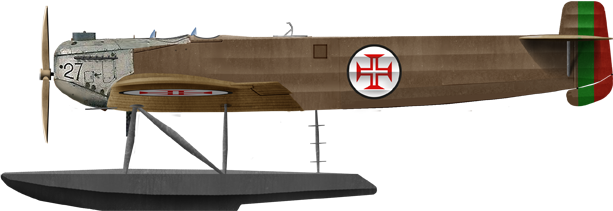
The Fokker T.III was a follow up of the T-II prototypes created for the US Navy (3 made). It was enlarged, 30% heavier, with cockpits for three rather than two, and a larger W-12 instead of a V-12. Another important addition was its convertible nature with floats that could be swapped for a wheeled undercarriage. The first T.III first flew in the summer of 1923 as a land-based version. By 1924 it found a customer, the Aviação Naval Portuguesa or Portuguese Naval Aviation. The five ordered remained in service until replaced by the CAMS 37A.
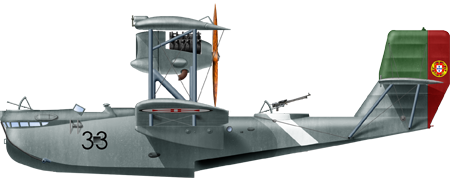
For the Portuguese Naval Aviation, six were purchased in 1929 with a 450 hp Hispano-Suiza V12. Four served on the converted Cubango seaplane transport and went into action during the Madeira revolt in 1931. The CAMS 37A was a highly successful French amphibious biplane flying boat designed by Maurice Hurel for the Chantiers Aéro-Maritimes de la Seine (CAMS). Acquired during the interwar modernization of Portuguese Naval Aviation, it went on to play a critical, defining role in Portuguese military history. From six to eight CAMS 37A amphibians arrived, officially entering service between 1927 and 1928. They used Lorraine W-engines, soon replaced on demand by 450-hp Hispano-Suiza 12Gb (Type 50) liquid-cooled V12 engine. The are linked to an interested ship, the Portuguese "Improvised Aircraft Carrier".
During the Madeira Uprising of April 1931 when rebellious military officers attempted a takeover against the national government in Funchal, Madeira, the Portuguese Navy had to act fast and transformed the commercial cargo ship Cubango, rapidly converted into an improvised seaplane carrier, the only one ever operated by the Portuguese Navy. During the expeditionary force on April 24, 1931, Cubango sailed from Lisbon toward Madeira woth four CAMS 37A secured tightly on its deck. Upon arrival, they were lowered into the water to conduct reconnaissance, ground attacks, and psychological warfare, dropping leaflets on rebel positions. They were vital in supporting the government's amphibious landing forces and victory by May 2, 1931. They were officially retired from active duty in 1935.
Fairey IIID
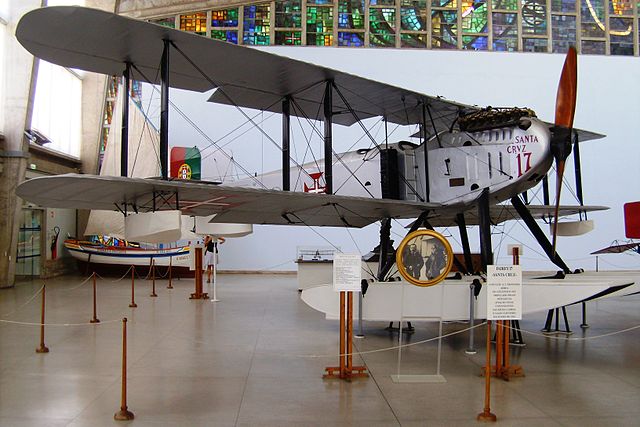
Portugal ordered its first IIIDs in 1921. But the first was modified on its own specs, called the F.400. It soon would place the small portuguese navy on world's news. It was a special long-range variant fitted with an upper wing extended to 61 feet. Also called the "Fairey Transatlantic" by Fairey and later officially "Luzitania", it attempted a flight on 30 March 1922 across the South Atlantic. It stopped at Las Palmas, São Vicente, Cape Verde but was lost while making a refuelling stop on the Saint Peter and Paul Rocks. Initially it was designed to demonstrate the new aerial navigation system devised by navigator Gago Coutinho. The journey however was finished on two standard aircraft and the crew completed eventually the first aerial crossing of the South Atlantic. It lasted 72 days from Lisbon and back. "Santa Cruz", the third airplane used for this attempt is now is currently displayed at the Museu de Marinha, in Portugal.
5x Junkers K43W
The Junkers K 43 W (specifically the K 43 Wfy) was a military reconnaissance and light bomber floatplane operated by the Portuguese Naval Aviation during the 1930s and early WWII era. It represents an iconic blend of German engineering, Swedish clandestine manufacturing, and Portuguese maritime defense strategy. The model came from the W 33 and W 34 civil transports made in a Swedish subsidiary, AB Flygindustri in Limhamn.
The Junkers K 43, and its floatplane variant ordered by Portugal K 43 W (W for Wasser). In all 5 were purchased in January 1933 and sent at the Bom Sucesso Naval Aviation Center (CAN) in Lisbon, patrolling over the mouth of the Tagus River. 4 were transferred north to reinforce the Centro de Aviação Naval at São Jacinto in Aveiro. They were only officially retired in 1941.
6x Hanriot H41
6x Macchi M18
31x Fleet Type 10G/11
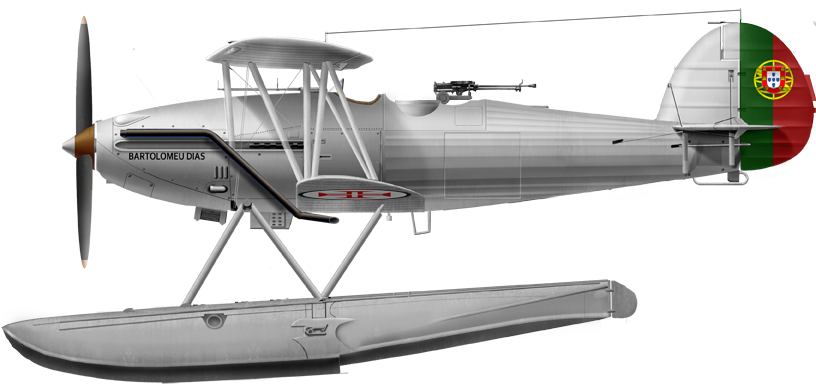
The Hawker Osprey was the navalised carrier-borne version of the Hart, a versatile model powered by a Rolls-Royce Kestrel II engine for 168 mph (270 km/h). 103 were built, the last still used in the fleet air arm by 1944 as a trainer. Those deployed in Malta for ASW and reconnaissance were still active in 1941-42. Other versions developed specifically for the Swedish Air Force (Cruiser HSwMS Götland), Portuguese Naval Aviation and Spanish Republican Air Force, seeing action in the civil war. The ones used by the Portuguese were two Osprey III tailored for Portugal with the Kestrel IIMS engine and delivered in 1935. Six more were delivered in 1939, all in seaplane configuration. They served in the Aviação Naval from 1935 to 1941, representing a major milestone as the very first aircraft deployed aboard combat warships in Portuguese history.
Indeed in the early 1930s, the Portuguese government launched the Plano Naval Magalhães Corrêa, a comprehensive program to rebuild its severely depleted fleet. A core element of this plan was patrolling Portugal's vast global empire in Africa and Asia. To fulfill this, the Navy ordered a series of modern, 2,000-tonne 1st-class colonial sloops (avisos de 1ª classe). Crucially, these new warships were designed to carry their own reconnaissance floatplane. The Portuguese Navy selected the Hawker Osprey III over its international competitors primarily because its wings could fold flat, allowing it to fit into the highly constrained deck space aboard the ships. Portugal acquired a total of 8 Hawker Osprey Mk III floatplanes, custom-fitted to Portuguese specifications and deployed on the NRP Afonso de Albuquerque and NRP Bartolomeu Dias.
No catapults: They were lowered into the water and hoisted back onto deck using specialized shipboard cranes, providing the fleet with extended eyes over the horizon during imperial patrols. The remainder six went to the Macau Air Base, the last in 1939, and spending the first years monitoring regional tensions, coastal piracy, and sovereignty around the Portuguese colony until the station closed around 1942. Macau became a de Facto Protectorate in 1943.

NRP Alfonso de Albuquerque

The Blackburn Shark IIA was a British-built torpedo-spotter-reconnaissance biplane floatplane that represents a very specific, ambitious, and ultimately tragic chapter in the interwar modernization of Portuguese Naval Aviation. In 1936 based on Portuguese specifications, the Blackburn Shark won a competition and was chosen, powered by a 760-hp Armstrong Siddeley Tiger VIC radial piston engine. They had metric cockpit instruments and a specialized under-fuselage layout. Three were modified to carry torpedoes, the other three featured large, auxiliary under-fuselage fuel tanks to extend their coastal patrol range.
However when the Portuguese military delegation traveled to England to conduct flight trials, they refused to accept the aircraft. They were subjected to terrifying vibration and weak structural resistance in the wings. After a month of high-stakes diplomatic negotiations, they were eventually accepted and shipped to Portugal in crates, arriving in mid-1936. They were based at Bom Sucesso & Aveiro. On October 22, 1936, a Portuguese crew flew a Shark non-stop from Bom Sucesso all the way to RAF Calshot in England to deliver an urgent diplomatic dispatch to London, returning six days later. In 1938 during operations, there was a catastrophic structural wing failure in flight over the Tagus River, causing a fatal crash. After this all were grounded and retired in 1938.
GAM ST12 (1937)
12x Avro 626 (1939)

Floatplane versions. The Avro 626 was a highly versatile British-built single-engine biplane trainer developed by Avro (A.V. Roe and Company) in 1930. It holds a unique and distinct place in Portuguese history as it was simultaneously operated by two separate branches of the military: the Army's Aeronáutica Militar (Military Aeronautics) and the Navy's Aviação Naval (Naval Aviation). Portugal acquired a total of 26 Avro 626 airframes. The Navy's Aviação Naval purchased 12 specialized floatplane variants between 1939 and 1940 to modernize their maritime training programs. They were deployed from the Bom Sucesso Naval Air Station in Lisbon and São Jacinto Naval Air Station in Aveiro. They bridged the training gap between basic flight trainers and the massive operational patrol aircraft arriving at the outbreak of World War II, such as the Grumman G-21B Goose. The Navy phased out their floatplane versions as they received more economical and modernized de Havilland DH.82 Tiger Moths from the UK as compensation for Allied base usage in the Azores.
12x Grumman G-44 Widgeon (1940)
12x Grumman G-21B Goose (1940)
20x De Havilland DH-82A Tiger Moth (1934)
 No image found so far. The de Havilland DH-82A Tiger Moth served as the backbone of elementary pilot training in Portugal for over two decades, remaining in military service from 1934 to 1955. A monumental 141 aircraft operated across Portuguese Military Aeronautics (Aeronáutica Militar), Naval Aviation (Aviação Naval), and ultimately the integrated Portuguese Air Force. Used strictly for elementary and ab initio pilot education, introducing generations of Portuguese military aviators to the skies at Sintra Air Base (BA1) under the Elementary Flight Instruction Squadron. Units were also stationed at the Military Aerodrome in Espinho and the São Jacinto Air Base in Aveiro. They were replaced by the DHC-1 Chipmunk.
It was the object of domestic manufacturing. After the initial airframes were imported directly from the UK, the vast majority of these 141 Tiger Moths were built under license at the Oficinas Gerais de Material Aeronáutico in Alverca. In October 1943, the Navy received an initial batch of 20 brand-new Tiger Moths. These were part of a larger consignment delivered by Great Britain, partly as compensation for the Allied use of military base facilities in the Azores during WWII. An additional 10 units arrived in December 1944, bringing the total naval fleet to 30. Prior to their arrival, naval pilots trained on expensive floatplanes. The Aviação Naval adopted the land-based Tiger Moth because it was vastly more economical; previous training accidents on the water frequently resulted in the total loss of the aircraft.
They were serialised from T-1 to T-30. The numbers were prominently painted across the nose cowlings, with smaller duplicate markers placed under the tailplane. They sported liveries of naval Oxford Blue and Golden Yellow schemes. They worked at the São Jacinto Naval Air Station (Centro de Aviação Naval de Aveiro). They were assigned directly to the naval flight academy based there: the "Almirante Gago Coutinho" Naval Aviation School (Escola de Aviação Naval Almirante Gago Coutinho). They featured distinct technical modifications like dorsal anti-spin strakes forward of the tailplane to assist student pilots in spin recovery, leading edge slats on the top wings to improve airflow stability at low speeds and venturi tubes mounted externally to drive the cockpit's gyroscopic flight instruments via airflow vacuum. In 1952 they were returned to the Air Force.

12x Bristol Bleinheim Mark IV

From the esquadrilha ZE, May 1944.
The Bristol Blenheim Mark IV served a brief but operationally significant role in Portugal from 1941 to 1948. Its deployment spanned both branches of the military—the Portuguese Army Aviation (Aeronáutica Militar) and the Portuguese Naval Aviation (Aviação Naval)—arriving through a mixture of emergency wartime internments and a strategic diplomatic agreement with Great Britain. The Portuguese Navy operated a dedicated batch of 12 Bristol Blenheim Mk IVF long-range maritime fighters. They were officially supplied by the British government in September 1943. They were delivered as part of the diplomatic negotiations and compensation for allowing Allied forces to utilize strategic military base facilities in the Azores. Squadron Deployment: The naval Blenheims were assigned to Esquadrilha B of the Forças Aéreas da Armada. Because Portugal's new naval air bases were facing layout and construction delays, the squadron was stationed out of the Lisbon Airport (Aeroporto de Lisboa). They were primarily used as maritime attack bombers, introducing naval crews to relatively modern avionics and twin-engine mechanics. However, because they were already considered combat-weary and outdated upon arrival, the Navy grounded them in late 1944 and officially replaced them with Bristol Beaufighters in early 1945. They were active from 1943 to 1944. The army ones remained active until 1948.
6x Airspeed Oxford

The Airspeed AS.10 Oxford served in Portugal from 1943 to 1957, split initially between the Navy (Aviação Naval) and the Army (Aeronáutica Militar) before joining the integrated Portuguese Air Force in 1952. In the Aviação Naval they were delivered directly via flight transfer on 26 September 1943, the 6 Navy airframes carried the serial markings O-1 to O-6. They wore a much darker, unified dark blue or overall grey naval scheme designed for maritime operation. They had the dorsal turrets completely omitted from the factory line. This gave them the clean upper-fuselage profile normally associated with the unarmed pilot/navigator training Mk II models.
16x Bristol Beaufighter

Beaufighter TF.Mk.X Escuadrilha Aviacao Naval Portuguesa
They were by far the most heavily armed by far the Portuguese Navy had, operating from 1945 to 1949. These twin-engine torpedo fighters provided a massive leap in low-level maritime attack and coastal defense capability. In March 1945, the Portuguese Navy received an initial batch of 16 brand-new Bristol Beaufighter TF.X or Torpedo Fighter variants. Like the earlier Blenheims and Oxfords, these aircraft were supplied directly from Royal Air Force production blocks by Great Britain as part of the diplomatic trade-off for the Allied wartime use of bases in the Azores. Following a tragic training accident in October 1945 where BF-7 crashed at São Jacinto, the British government delivered a 17th radar-equipped Beaufighter (RD862) in 1946 to replace the lost aircraft. They were sequentially serialized as BF-1 through BF-16 (and later BF-17).
They retained their standard British Coastal Command camouflage scheme (Dark Green/Ocean Grey upper surfaces and Medium Sea Grey undersides) but were retrofitted with Portuguese Cross of Christ roundels. Later they sported a uniform blue-green livery. They operated from Portela Sacavém (Lisbon Airport) as primary hub for coastal patrol and anti-shipping strike readiness but also from São Jacinto Naval Air Station in Aveiro, rotating crews through low-level anti-ship maneuvers and specialized aerial weaponry handling. Esquadrilha B was completely disbanded in 1949 due to high maintenance costs.
4x Miles Martinet
Short Sunderland III
6x Beechcraft T-11B Kansan
3x Beechcraft D18S
24x Curtiss SB2C Helldiver (1950-58)
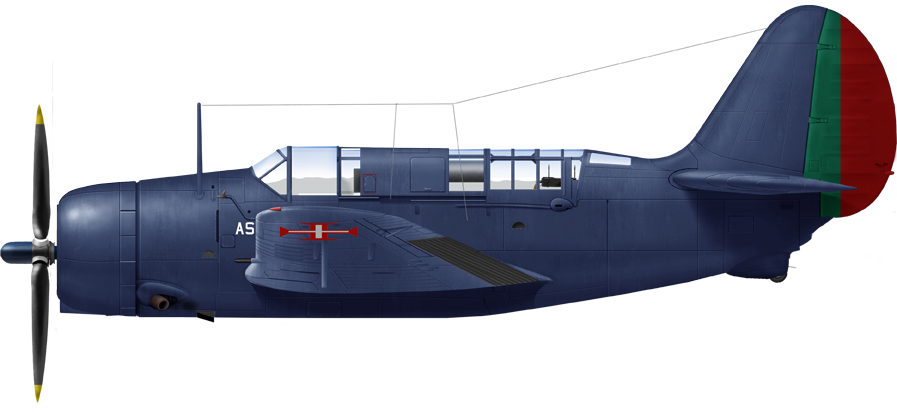
The Curtiss SB2C-5 Helldiver holds a historic position in Portugal as the nation's first dedicated aerial anti-submarine warfare (ASW) asset. Entering service in 1950 and operating until 1958, a fleet of 24 surplus US Navy aircraft provided a direct path into modern postwar maritime patrol tactics under NATO's Mutual Defense Assistance Program (MDAP). The 24 Helldivers were initially delivered directly to the Portuguese Naval Aviation (Aviação Naval) in early 1950. They were the final fixed-wing aircraft type ever delivered to the Navy as an independent branch before the 1952 military merger.
They were configured explicitly for anti-submarine warfare and long-range maritime patrol, they introduced advanced electronic detection capabilities to Portugal by carrying an AN/APS-4 radar pod under the wing. They were structurally altered for land use, no carrier arrestor hooks and the defensive twin .30-cal. MG omitted. They operated from the Aveiro Naval Aviation Centre at São Jacinto. Absorbed as such in the Força Aérea Portuguesa in July 1952 but relocated to the Montijo Naval Aviation Centre (Air Base No. 6). Later replaced by the twin-engine Lockheed PV-2 Harpoon aircraft. Remaining Helldivers were repurposed as advanced aircrew training and conversion aircraft for newly graduated pilots coming from Sintra and phased out in 1958.
Read More and Sources
"Aviação Naval – Asas da Marinha" by Hugo Cabral and Paulo Alegria (2023)"Aviação Naval 1912-1924" by Hugo Baptista Cabral
"Quando a Marinha tinha Asas" (When the Navy Had Wings) by Viriato Tadeu (1984)
"Aeronaves Militares Portuguesas: Cem Anos de Aviação em Portugal" by Adelino Cardoso (2009)
links
museudoar.ptaeroflight.co.uk
marinha.pt/
The outset of the Portuguese Military Aeronautics (1912-1917)
artsandculture.google.com Museum
lowpassaviation.com
en.wikipedia.org/
migflug.com
- Lohner E (1913)
- Macchi M3 (1916)
- Macchi M5 (1917)
- Macchi M7 (1918)
- Ansaldo ISVA (1918)
- Short S.38 (1912)
- Sopwith Baby (1916)
- Short 184 (1916)
- Fairey Campania (1917)
- Sopwith Cuckoo (1917)
- Felixstowe F.2 (1917)
- Gotha WD.2 (1914)
- Friedrichshafen FF 33 (1916)
- Albatros W4 (1916)
- Albatros W8 (1918)
- Hanriot HD.2
- Grigorovich M5 (1915)
- Grigorovich M9 (1916)
- Grigorovich M11 (1917)
- IJN Farman MF.7
- IJN Yokosho Type Mo
- Yokosho Rogou Kougata (1917)
- Yokosuka Igo-Ko (1920)
- Curtiss N9 (1916)
- Curtiss H4 (1916)
- Curtiss H12 (1917)
- Curtiss H16 (1918)
- Aeromarine 39
- Vought VE-7
- Douglas DT (1921)
- NAF/Curtiss TS-1 (1922)
- Boeing FB.5 (1923)
- Boeing F4B (1928)
- Vought O2U/O3U Corsair (1928)
- Grumman FF (1931)
- Akron class airships (1931)
- Curtiss F9C Sparrowhawk (1931)
- Curtiss F11C Goshawk (1932)
- Curtiss BF2C Goshawk (1933)
- Blackburn Blackburn (1922)
- Supermarine Seagull (1922)
- Fairey Flycatcher (1923)
- Hawker Horsley (1925)
- Blackburn Ripon (1926)
- Fairey IIIF (1927)
- Fairey Seal (1930)
- LGL-32 C.1 (1927)
- Fokker T.II (1921)
- Fokker T.III (1923)
- Caspar U1 (1921)
- Dornier Do J Wal (1922)
- Rohrbach R-III (1924)
- Mitsubishi 1MF (1923)
- Mitsubishi B1M (1923)
- Yokosuka E1Y (1923)
- Nakajima A1N (1927)
- Nakajima E2N (1927)
- Mitsubishi B2M (1929)
- Nakajima A2N (1930)
- Nakajima A4N (1935)
- CANT 18
WW1
✠ K.u.K. Seefliegerkorps:
 Italian Naval Aviation
 RNAS
RNAS
 Marineflieger
 French Naval Aviation
 Russian Naval Aviation
 IJN Air Service
 USA
USA
Interwar
 Interwar US
 Interwar Britain
 Interwar France
 Interwar Netherlands
 Interwar Germany
 Interwar Japan
 Interwar Italy
- Grumman F2F (1933)
- Curtiss SOC seagull (1934)
- Grumman F3F (1935)
- Northrop BT-1 (1935)
- Consolidated PBY Catalina (1935)
- Grumman J2F Duck (1936)
- Brewster/NAF SBN-1 (1936)
- Curtiss SBC Helldiver (1936)
- Vought SB2U Vindicator (1936)
- Brewster F2A Buffalo (1937)
- Douglas TBD Devastator (1937)
- Vought Kingfisher (1938)
- Curtiss SO3C Seamew (1939)
- K-class Blimps (1939)
- Douglas SBD Dauntless (1939)
- Grumman F4F Wildcat (1940)
- F4U Corsair (NE) (1940)
- Brewster SB2A Buccaneer (1941)
- Grumman TBF/TBM Avenger (1941)
- Consolidated TBY Sea Wolf (1941)
- Grumman F6F Hellcat (1942)
- Curtiss SB2C Helldiver (1942)
- Curtiss SC Seahawk (1944)
- Grumman F7F Tigercat (1944)
- Grumman F8F Bearcat (1944)
- Ryan FR-1 Fireball (1944)
- Douglas AD-1 Skyraider (1945)
- Fleet Air Arm
- Hawker Osprey (1932)
- Fairey Swordfish (1934)
- Blackburn Shark (1934)
- Supermarine Walrus (1936)
- Fairey Seafox (1936)
- Blackburn Skua (1937)
- Short Sunderland (1937)
- Blackburn Roc (1938)
- Fairey Albacore (1940)
- Fairey Fulmar (1940)
- Grumman Martlet (1941)
- Hawker sea Hurricane (1941)
- Brewster Bermuda (1942)
- Fairey Barracuda (1943)
- Fairey Firefly (1943)
- Grumman Tarpon (1943)
- Grumman Gannet (1943)
- Supermarine seafire (1943)
- Blackburn Firebrand (1944)
- Hawker Sea Fury (1944)
- Coastal Command
- Vickers Wellington (1937)
- IJN aviation
- Yokosuka E6Y (1930)
- Aichi D1A "Susie" (1934)
- Mitsubishi A5M "Claude" (1935)
- Nakajima A4N (1935)
- Yokosuka B4Y "Jean" (1935)
- Mitsubishi G3M "Nell" (1935)
- Nakajima E8N "Dave" (1935)
- Kawanishi E7K "Alf" (1935)
- Nakajima B5N "Kate" (1937)
- Kawanishi H6K "Mavis" (1938)
- Aichi D3A "Val" (1940)
- Mitsubishi G4M "Betty" (1940)
- Mitsubishi A6M "zeke" (1940)
- Nakajima E14Y "Glen" (1941)
- Nakajima B6N "Jill" (1941)
- Mitsubishi F1M "pete" (1941)
- Aichi E13A Reisu "Jake" (1941)
- Kawanishi E15K Shiun "Norm" (1941)
- Nakajima C6N Saiun "Myrt" (1942)
- Yokosuka D4Y "Judy" (1942)
- Kyushu Q1W Tokai "Lorna" (1944)
 Luftwaffe
- Heinkel 114 (1935)
- Arado 196 (1937)
- Me109 T (1938)
- Blohm & Voss 138 Seedrache (1940)
 Italian Aviation
- Savoia-Marchetti S.55
- IMAM Ro.43/44
- CANT Z.501 Gabbiano
- CANT Z.506 Airone
- CANT Z.508
- CANT Z.511
- CANT Z.515
 French Aeronavale
- GL.300 (1926-39)
- CAMS 37 (1926)
- Levasseur PL.5 (1927)
- Potez 452 (1935)
- Loire 210 (1936)
- Loire 130 (1937)
- LN 401 (1938)
 Soviet Naval Aviation
- Shavrov SH-2 (1928)
- Tupolev TB-1P (1931)
- Beriev MBR-2 (1930)
- Tupolev MR-6 (1933)
- Tupolev MTB-1 (1934)
- Beriev Be-2 (1936)
- Polikarpov I16 naval (1936)
- Tupolev MTB-2 (1937)
- Ilyushine DB-3T/TP (1937)
- Beriev Be-4 (1940)
 Swedish Naval Aviation
- SAAB B17S
-
 Skoda Š-328V
  R-XIII Idro
 Fokker C.XI W (1934)
 Rogožarski PVT-H (1938)
WW2
 ☍ USNA
- De Havilland Sea Vixen
- Hawker Sea Hawk
- Supermarine Scimitar
- Blackburn Buccaneer
- Hawker Sea Harrier
- Douglas A4 Skyhawk
- Grumman F9F Panther
- Vought F8 Crusader
- McDonnell-Douglas F-4 Phantom-II
- North Am. A5 Vigilante
- TU-142
- Yak 38 forger
☢ Cold War
✧ NATO
Fleet Air Arm
 US Navy
☭ Warsaw Pact
Merch
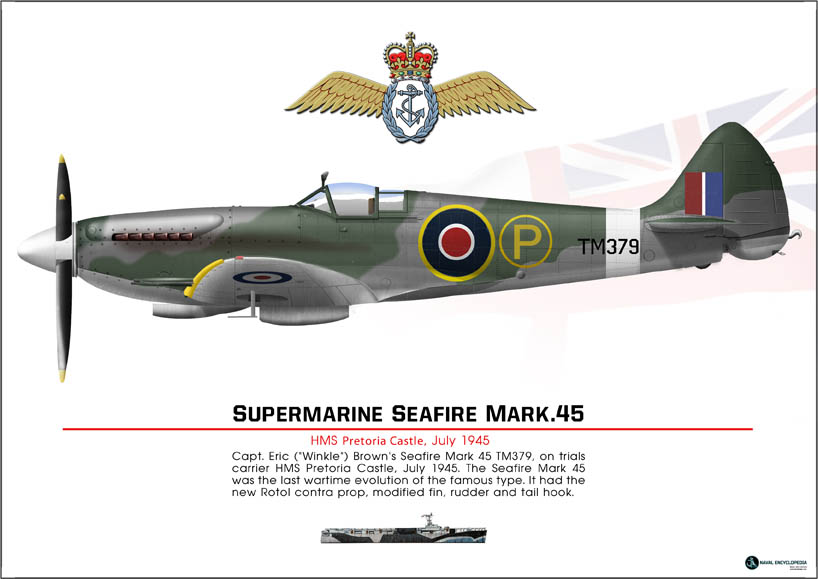
Seafire Mark 45; HMS Pretoria Castle
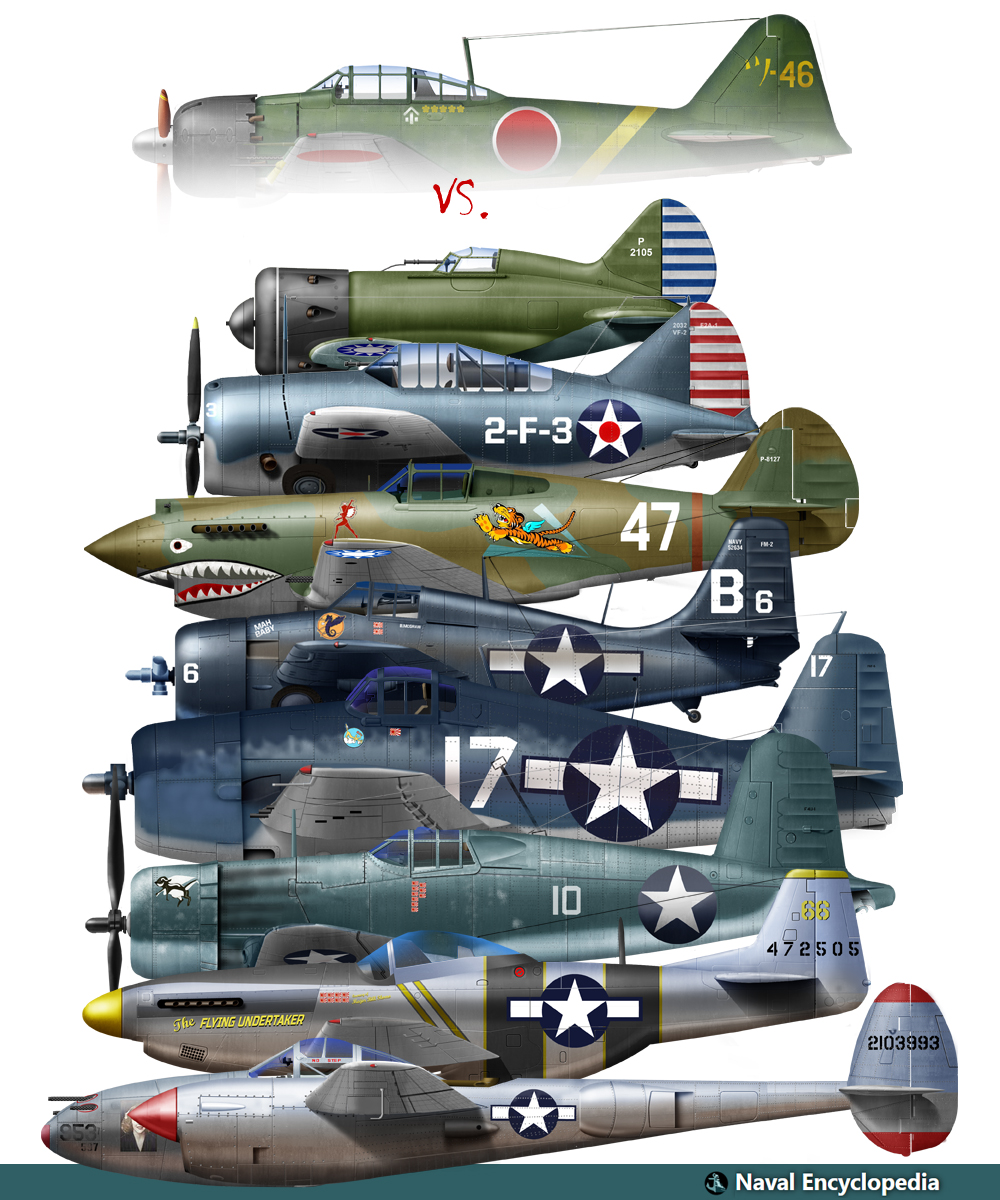
Zeros vs its aversaries
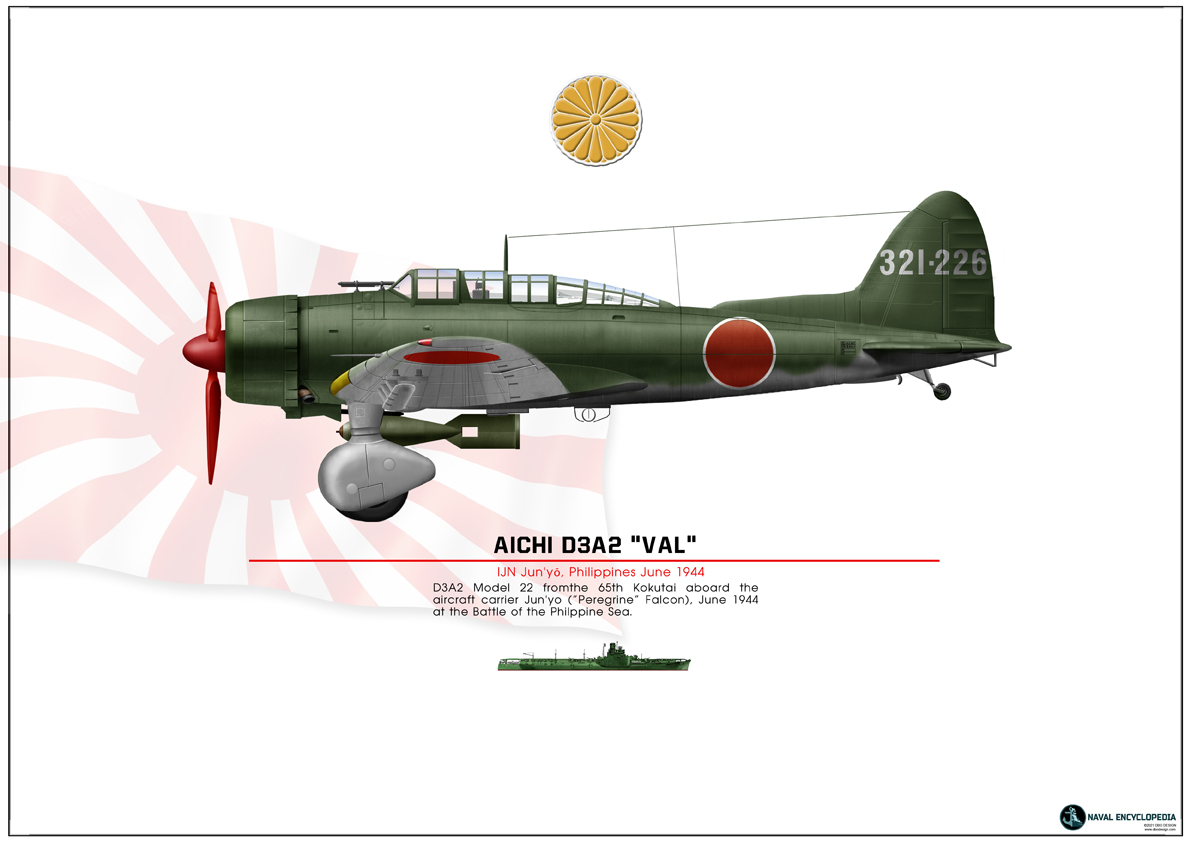
Aichi D3A “Val” Junyo
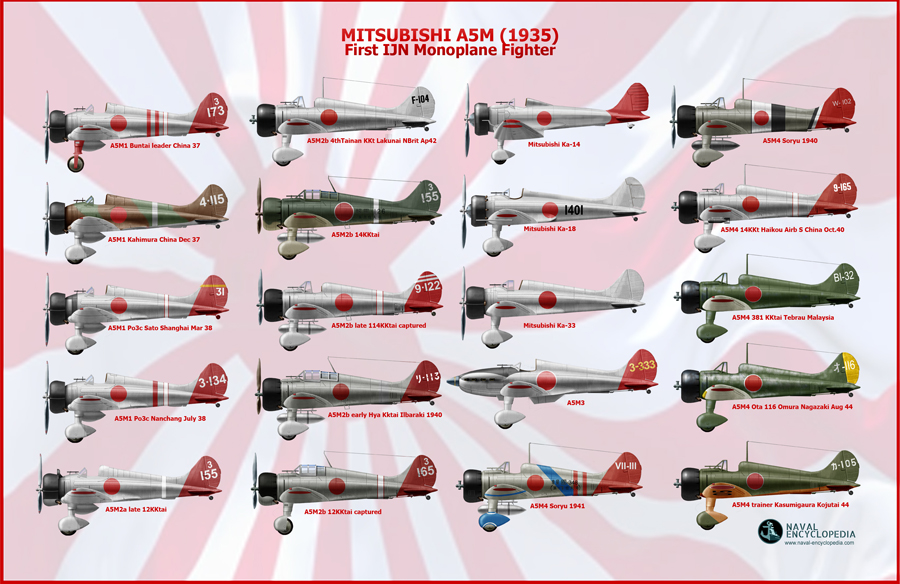
Mitsubishi A5M poster
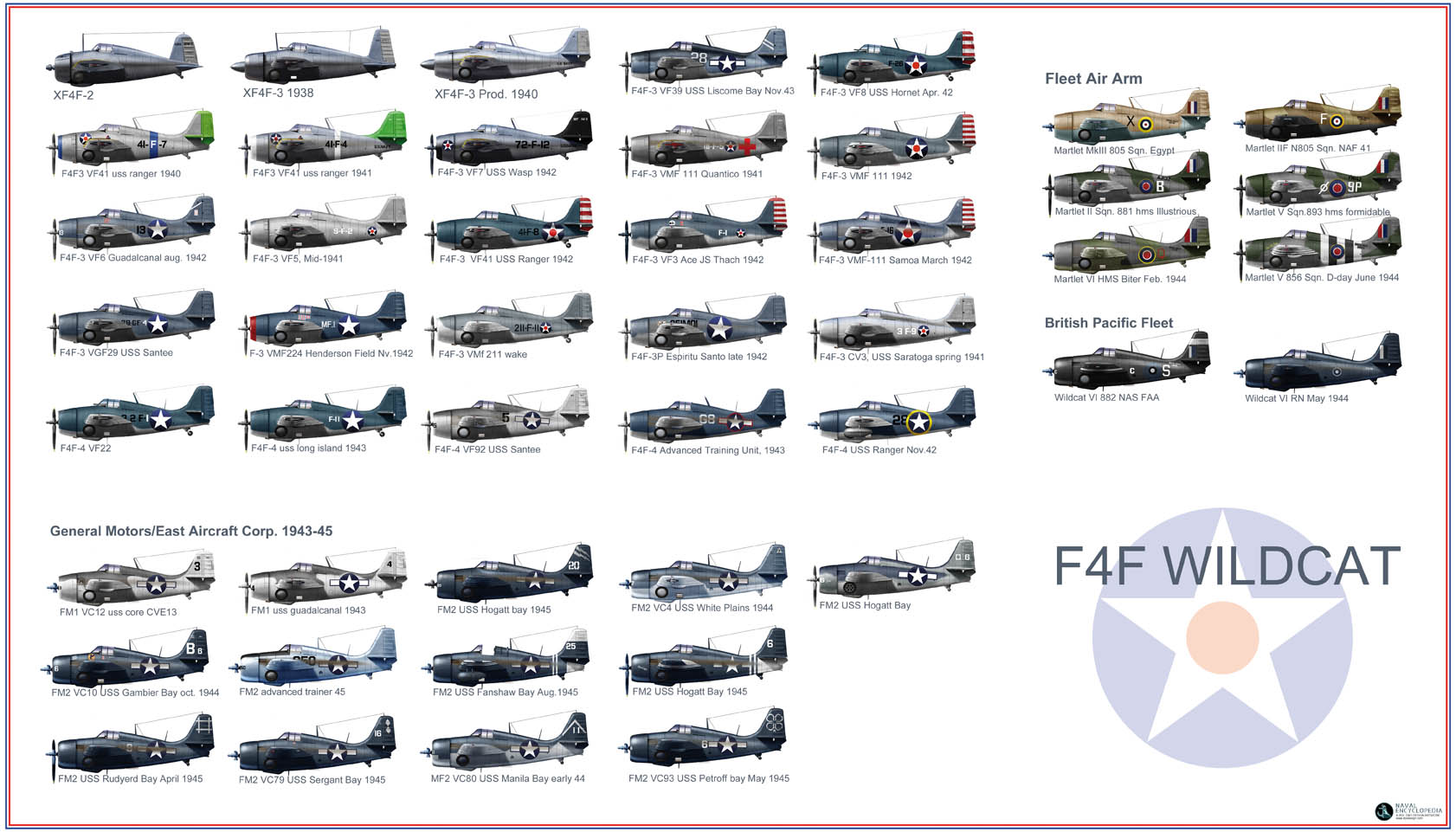
F4F wildcat
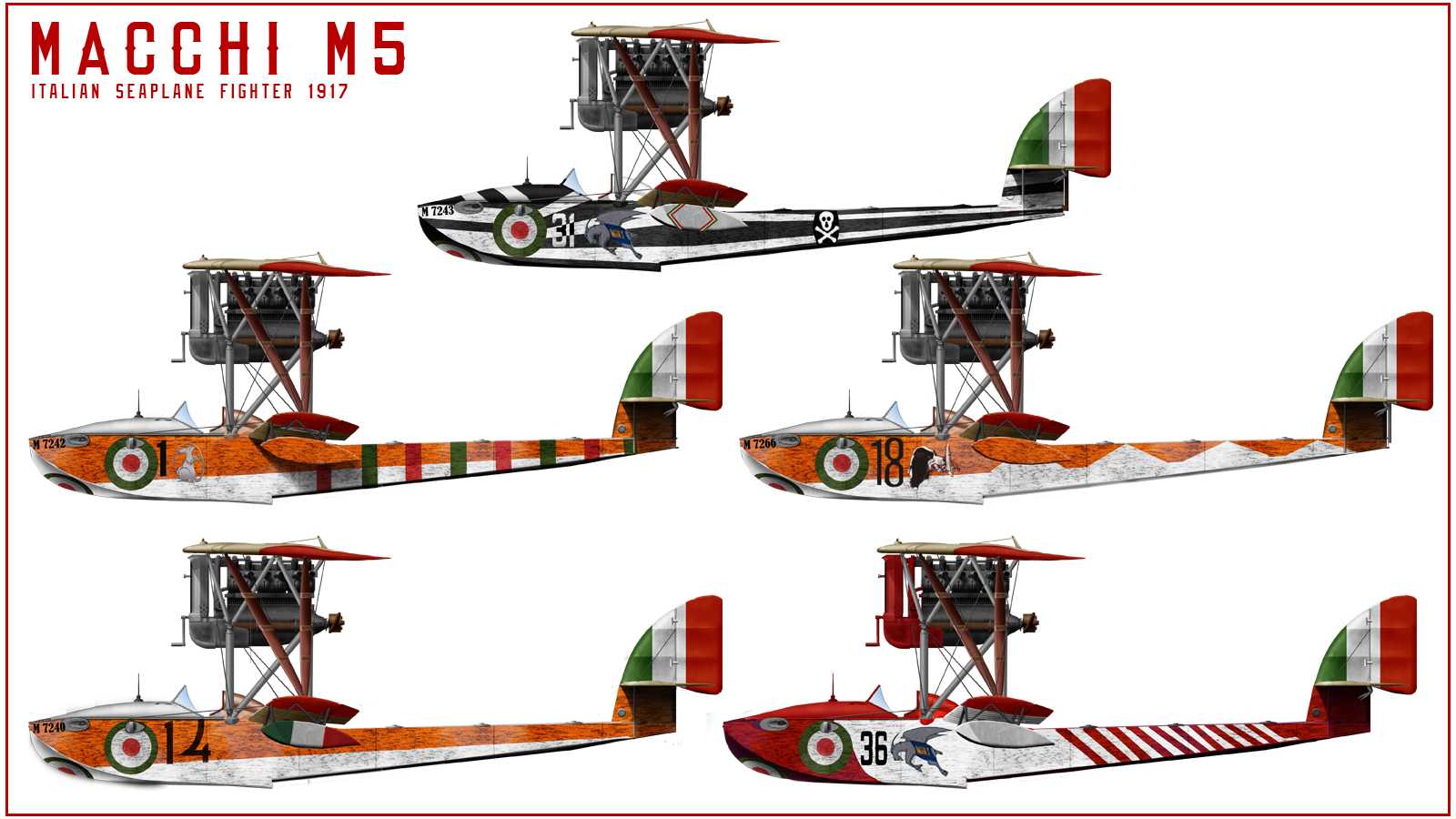
Macchi M5
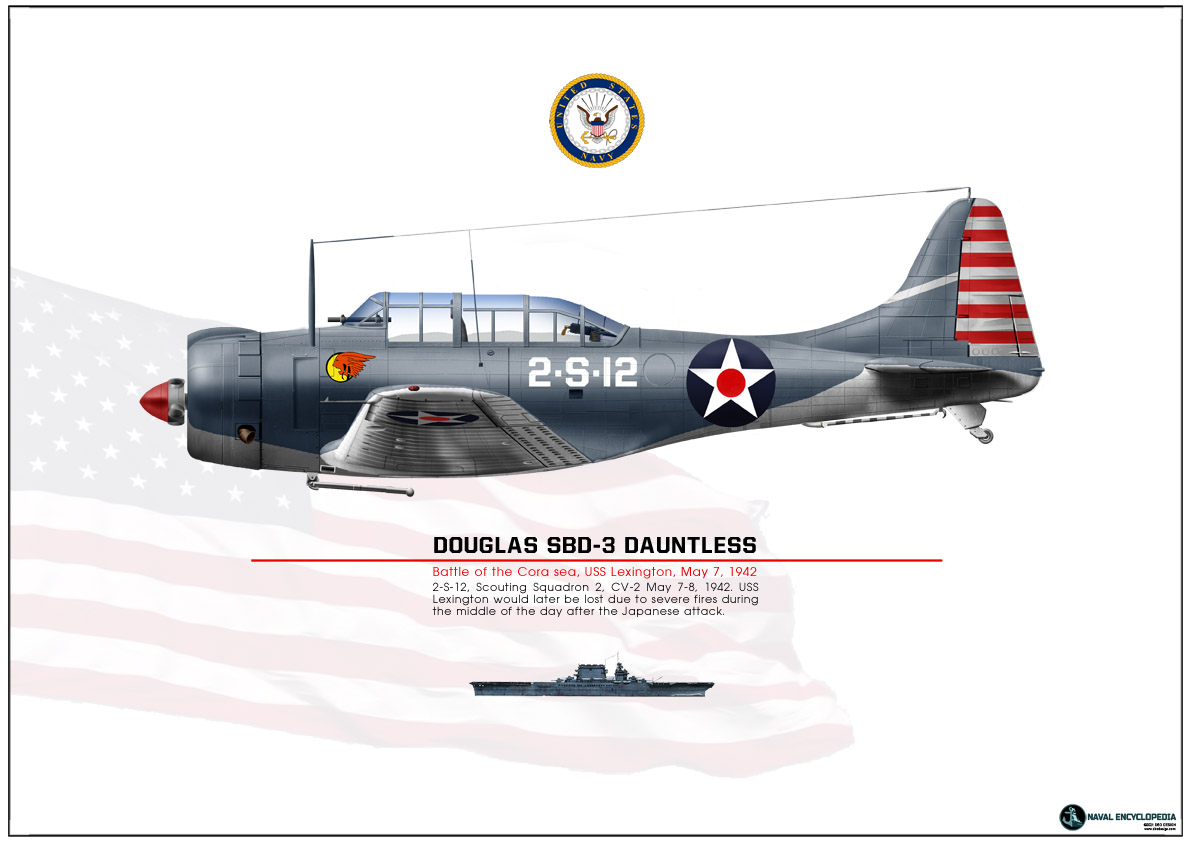
SBD Dauntless Coral Sea
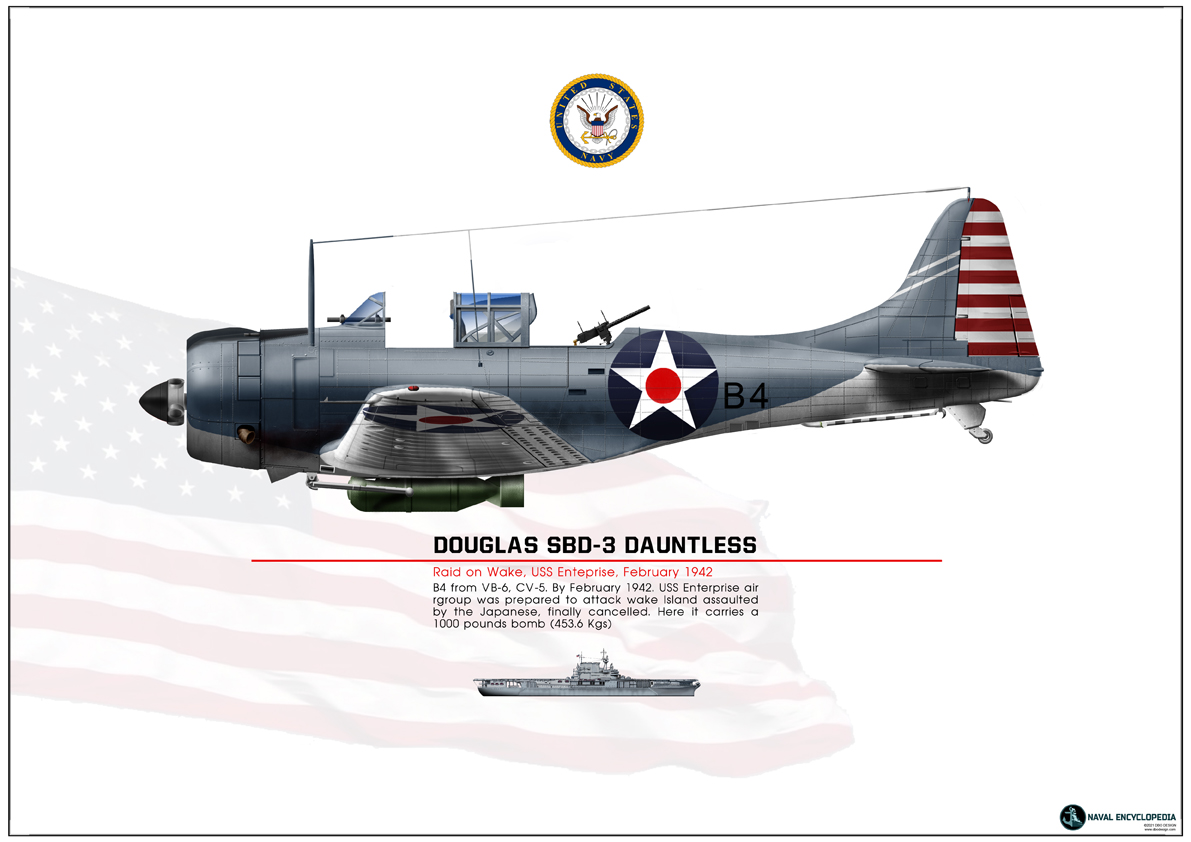
SBD Dauntless USS Enterprise
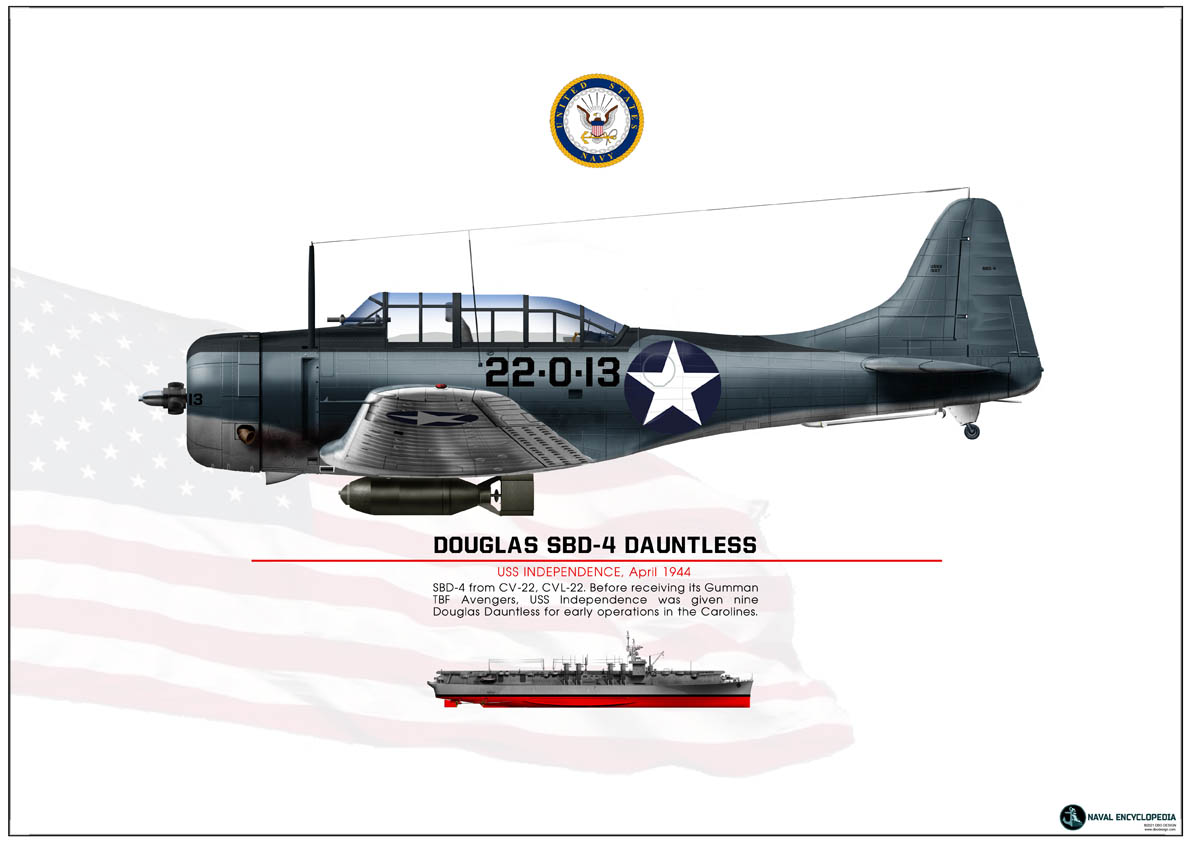
SBD-4 CV22