Curtiss TS-1 (1922)
 US Navy "Turret Scout" (1922-29), 46 built.
Development
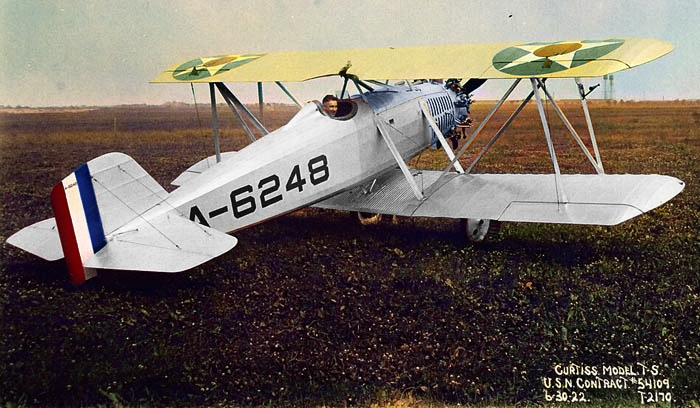 The USN in and immediately after WWI operated the Vought VE-7. The "Bluebird" was an early biplane first flying in 1917, but was designed as a two-seat trainer used both for the United States Army and United States Navy as its first "fighter". In 1922, a VE-7 made history by taking from the USS Langley for the first time. With only 128 made, it was completely eclipsed by the ubiquitous Curtiss Jenny, but gave valuable lessons in terms of carrier fighters until retired in 1928. Yet, it used as such, it was not originally designed as a fighter. So the newly established Naval Aircraft Factory designed around the recent 200 hp (150 kW) Lawrance J-1 air-cooled radial engine a prototype inspired by the VE-7 and its excellent qualities. This time it was given a single seat and designed from the start as a fighter. It had a boxy fuselage suspended between the upper and lower wings, making a pair of dorsal and ventral sets of cabane struts. The center area of the lower wing was also enlarged to accommodate a gravity fuel tank.
The NAF TS however could not be built in number, as this public, Navy-backed workshop was limited in production itself. To achieve the numbers, plans were provided to Curtiss. The result was designated the TS-1. The first prototype arrived at Anacostia on May 9, 1922. In all, five were made b NAF, all with modifications to be improved along the way. The Curtiss TS-1 all had wheels, thus NAF designed wooden floats for a swap and used on catapults of battleships and cruisers, whereas the wheeled version was for aircraft carriers, the two Lexington planned for conversion, and USS langley.
The Curtiss TS-1 Testing went well. So by late 1922, the Navy ordered 34 TS-1 from Curtiss. The first were intended for the aircraft carrier USS Langley in December, notably replacing the Vought VE-7. NAF five test models were costier, but remained important to iron out some issues. Two TS-2 were later built to be modified and used to experiment with 240 hp (180 kW) Aeromarine engine water-cooled inline engines. Next were the two TS-3 testing a 180 hp (130 kW) Wright-Hispano E engine. The last prototype in this famously was the TR-2, essentially a TS-3 with a new airfoil section for the 1922 Curtiss Marine Trophy race.
The Curtiss-Hall F4C-1 was developed next as an all-metal version, smaller, and making their maiden flight on September 4, 1924. The wings had on these ones had tubular spars and stamped duraluminum ribs. The fuselage was made shorter and made of duraluminum tubing in a Warren truss form to evaluate the structure. Compared to the TS-1, the lower wing was now placed directly at the base of the fuselage this time. The F4C-1 was a compact, nervous fighter armed with two .30 in (7.62 mm) machine guns. The engine was a 200 hp nine-cylinder Wright J-3 radial. It was certainly a better fighter than the TS-1,proving the point compared to the original wood and wire design. However only two built, it never entered service.
Design
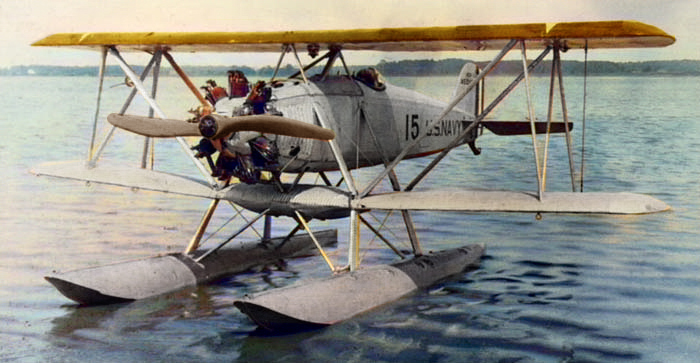
The TS-1 was in its original version a single-seat scout aircraft doubling as fighter. It is important as the first dedicated naval fighter for carrier use in the USN, the ancestor of a fantastic lineage down to the FA/18 Super Hornet. At the time, USS langley was used as a testbed and trainer for future pilots starting service on the much larger Lexington class from 1927. By the time, the TS-1 already approached the end of its career. The TS-1 could operate as a land plane with its standard fixed undercarriage or as a float plane, a featired asked by the Navy for a decade.
The "TS" designation stands for most sources as "Turret Scout". It suggests a deployment from platforms mounted above gun turrets. As it was customary in Britain in 1918. However in the end, it was actually for the carrier USS Langley commissioned early in 1922. Curtiss was awarded a contract to produce thorty-four of the TS-1s, the first received by May 1922, just two months after Langley was commissioned. The Naval Aircraft Factory also produced five more TS-1s allegedly for testing, but also making sure that Curtiss weren't overcharging the Navy. Due to this, these NAF TS-1 were likely never operational in any unit, only kept for tests. They were strickly identical to the Curtiss models.
General layout
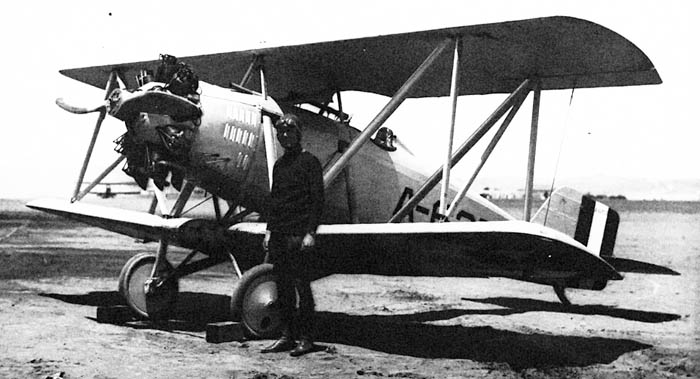
Designed by the Bureau of Aeronautics, but produced by Curtiss this was an unusual looking biplane with its glaring gaps between the fuselage and both upper and lower wings. In case of wings vibrations or flutter this had the advantage of shielding the fuselage, but this was an addo arrangement that was never repeated. The forward section was made of metal framing around the engine unit, which engine "cowling" saw the protrusion of the nine cylinders. It was well profiled, aerodynamic, up to the pilot's cockipt, with an upper part supporting intermediate V struts. The flanks were almost flat. This transitioned to an aft section made in classic wooden and metal rhibs covered with doped canvas.
The TD-1 wings were un-staggered with an equal chord. The upper wing was level, the lower wing had a slight dihedral. The fuel tank formed a bulge in the centre section of the lower wing and needed vacuum to feed the engine above. The wings were also connected by diagonal struts, so the model was unique, as it did not needed bracing wires, a source of drag. The composition was a vertical outwards "N", a transverse "H" and a last "H" which started at the junction between the lower fuel tanks and outer wings, with struts below supporting the floats.
These inwards slanted "H" struts acted as a pair of "A-frame" between the lower hull based and upper wings while cionnecting the upper part of the fuselage, which was also supported but small "V" struts down to the lower wing base. Overall this made for a complicated arrangement, but with the benefit of not having wires. The tail was squarish, as the tail section. Both the floatplane and wheeled version retained a tail skid, but there was an optional tailhook for wheeled version.
Engine and performances
The TS-1 was powered by the 200hp Lawrence J-1 air-cooled radial engine, which later became the Wright Whirlwind. This was the first practical, reliable air-cooled radial aircraft engine developed in the United States.A 9-cylinder radial and air-cooled, it had reciprocating cylinders. Its Power Output of 200 hp (149 kW) at 1,800 rpm for a cylinder global displacement of 12.9 liters (787 cu in). It was also 202 kg (445 lb) in weight, making for a remarkable 1hp/Kgs ratio. Bore and Stroke were 114 mm x 140 mm (4.5 in x 5.5 in).
This was another example on how racing drive innovation in the interwar: It was indeed created at forst for a race car and designed Charles Lawrance through the Lawrance Aero Engine Company. It obtained a U.S. Navy contract.
However, it had reliability issues at first: The Navy had to solve heavy liquid-cooling and water-leakage issues. This engine needed to be flawless for aircraft carrier operations and its moest important carrier was the Curtiss TS-1. A 50-hour endurance test was passded with flying colors by February 1922. Mass production started and soon Wright Aeronautical purchased Lawrance in 1923. This became the Wright J-1, a base for the famous Wright Whirlwind present on Charles Lindbergh's Spirit of St. Louis. This engine was mated to a 2-bladed fixed-pitch propeller.
The next results were top speed of 131 mph (211 km/h, 114 kn) at sea level, a cruise speed of 104.8 mph (168.7 km/h, 91.1 kn). It had a range of 468 mi (753 km, 407 nmi) for its reconnaissance missions, and a service ceiling of 14,400 ft (4,400 m). Its rate of climb was 1,200 ft/min (6.1 m/s).
Armament
Since the TS-1 was a scout first, fighter second, it was decided eventually to provide it a pair of fixed forward-firing 0.300 in (7.62 mm) Browning machine gun in the nose. Being a single-seater, the pilot actioned these. The use of that model filling both role of recce and fighter, as well as escort for torpedo-bombers, had its limits indeed. Out on open seas, despite its long range, the pilot in good weather would try to keep an eye on the carrier at all times, circling around it at 50 miles distances. In bad weather and lwo vibility, finding back the carrier was a serious challenge. Same as being vectored on a specific area and being back in a streight line, as the pilot was also the navigator and needed a map nearby at all times to plan the flight. When out of sight of the carrier, c200 miles away, this became challenging to be back depending on the conditions.⚙ Curtiss TS-1 spec. | |
| Light Weight | 1,239 lb (562 kg) |
| Gross weight | 1,927.5 lb (874 kg) |
| Length | 22 ft 1.375 in (6.74053 m) |
| Wingspan | 25 ft 0.3125 in (7.627938 m) |
| Height | 8 ft 11.9375 in (2.741613 m) |
| Wing Area | 227.8 sq ft (21.16 m2) |
| Engine | Lawrance J-1 9-cyl. AC radial piston engine 200 hp (150 kW) |
| Top Speed | 131 mph (211 km/h, 114 kn) |
| Cruise Speed | 104.8 mph (168.7 km/h, 91.1 kn) |
| Range | 468 mi (753 km, 407 nmi) |
| Climb Rate | 1,200 ft/min (6.1 m/s) |
| Ceiling | 14,400 ft (4,400 m) |
| Armament | 2x fixed forward-firing 0.3 in (7.62 mm) Browning |
| Crew | 1 pilot |
Variants
NAF TS-1: five builtCurtiss TS-1: 34 built
NAF TS-2: 2 built, 240 hp (180 kW) Aeromarine engine
NAF TS-3: 2 built, 180 hp (130 kW) Wright-Hispano E engine
NAF TR-2: 1 built, TS-3 with new airfoil section for the 1922 Curtiss Marine Trophy race
Curtiss-Hall F4C-1: 2 built, all-metal version for comparison.
Curtiss-Hall F4C
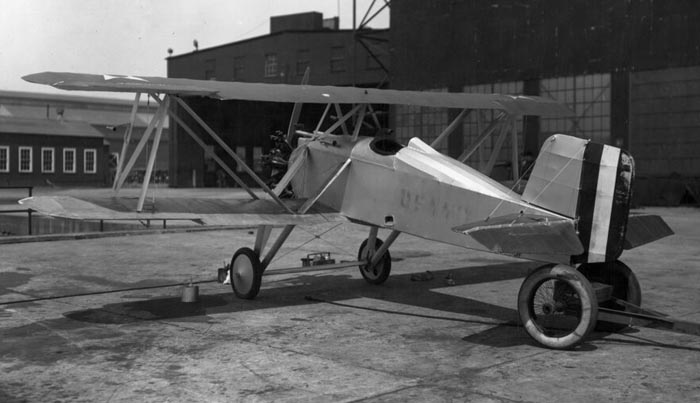
The F4C as seen above, was a version of the Navy TS-1 scout testing new materials. It was also shorter given the weight of these. It had an aluminium frame, not wooden frame among others with duraluminum tubing in a Warren truss form. The wings had tubular spars and stamped duraluminum dural ribs and the lower wing was no longer under, but at the base of the fuselage. The F4C-1 was also powered by the 200 hp 9-cylinder Wright J-3 radial and retained the equal span non-staggered wings of the TS-1. Both fuselage and wings were fabric covered still as well.
The design was Charles Ward Hall, so the alternative Curtiss-Hall F4C-1 is also used. Maiden flight was on 4 September 1924 after which just a pair of F4Cs were built, and it was found having the same performance as the wooden TS-1 but was even slower than the Curtiss PW-8 and P-1 Hawk. The Navy decided to stop development and ordered a modified version of the Curtiss Hawk that became the F6C Hawk. This fighter nevertheless introduced the new US Navy type/ manufacturer system. Numbers 1-3 were allocated to Navy racing aircraft with fighter and racer designations (CR/ CF, R2C/ F2C and R3C/ F3C). 5 was skipped due to the F-5L flying boat. The two F4C-1 were tested from Langley just for qualifications but never in regular service.
Operational History
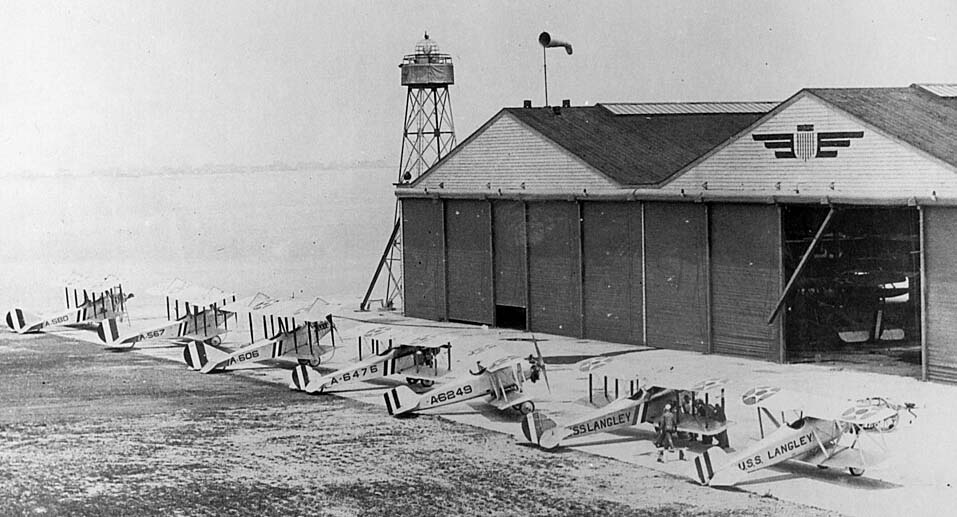
Three U.S. Navy Aeromarine 39B aircraft (A567, A580, A606), two Vought VE-9 Bluebird (A6476 and 2nd plane), and two Naval Aircraft Factory/Curtiss TS-1 aircraft (A6249, 1st aircraft) assigned to the aircraft carrier USS Langley (CV-1) at Naval Air Station Hampton Roads, Virginia (USA). The TS-1, which was delivered to the fleet in 1922, was the first U.S. Navy aircraft specifically designed to operate from an aircraft carrier.
The TS-1 was assigned to the newly created VO-1 (Spotting or Observation Plane Squadron) from 1922 for observation and the VF-1 (Fighting Squadron) active in 1925-1926.
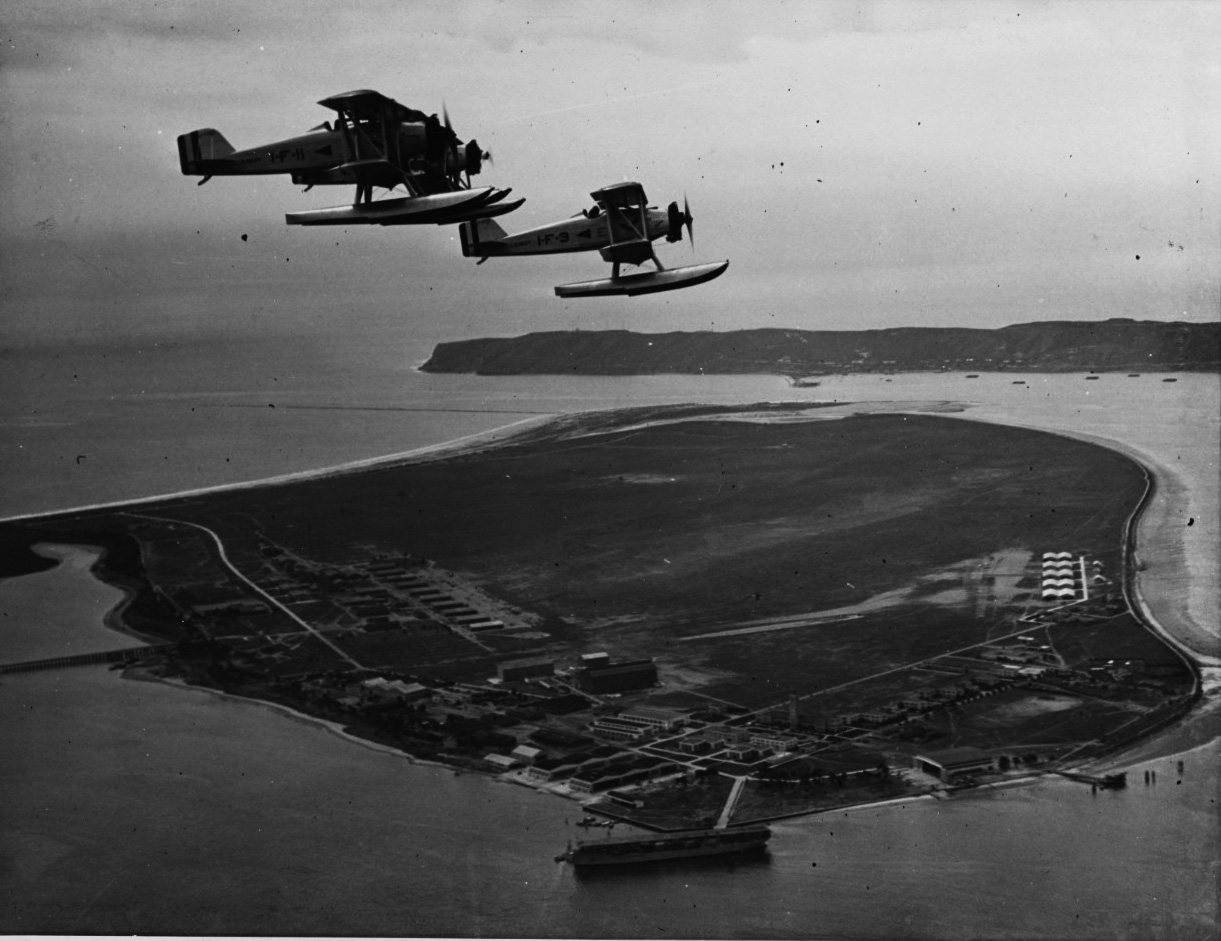
TS-2 floatplanes from VF-1 flying above USS Langley (CV-1) and Naval Air Station North Island, San Diego, c. 1926
Squadron VF-1 operated as a land plane from USS USS Langley. The remainder of TS-1s weere given floats and operated in VO-1 from battleships, until 1926. The TS-1 from VO-1, also operated from cruisers and tests were even made from destroyers from 1922, like on USS Charles Ausburn (DD-294. None was catapulted, they were instead lowered in the water using cranes, before taking off from the sea. Some sourfes reports that some VF-1 were also mounted on floats and catapulted from battleships, but only in 1925-26.
To avoid choppy waters and prepare a flat surface, the mothership used to manoeuver on itself in a semi-circle, creating a flatter sea for a moment. The same was done for landings, but it required great coordination. In addition pilots were not fond of the plane, as the positioning of the lower wing below the fuselage resulted in short wheel struts, combing to thme being close to each other, preventing ground looping. Observation was also hampered by the lower wing.
The second TS-3 was converted into the TR-2 racer with its different aerofoil. It entered unsuccessfully into the 1922 Curtiss Marine Trophy Race. It was then modified again and used as a racing trainer during the 1923 Schneider Cup. None of the TS-1s ever fired in anger. It is estimated that the last TSs were kept for training until 1929. Surviving aircraft: A6446, as TS-2/3 is owned by the National Air and Space Museum in Washington, D.C. today, acquired from the National Naval Aviation Museum in Pensacola, Florida. The Curtiss TS is now considered largely forgotten, yet it was the first carrier fighter ever design in the USN. The later F2C not only introduced new construction techniques, but also the new USN nomenclature by role, manufacturer and serie.
Gallery:
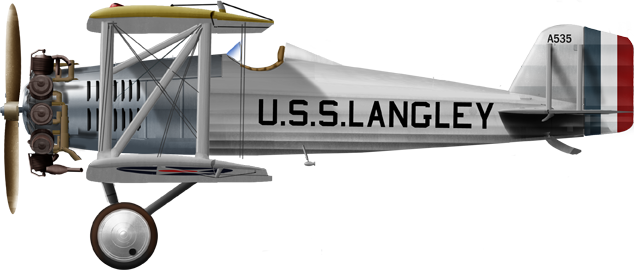
Curtiss TS-1 in wheeled version, VF-1, USS Langley 1922
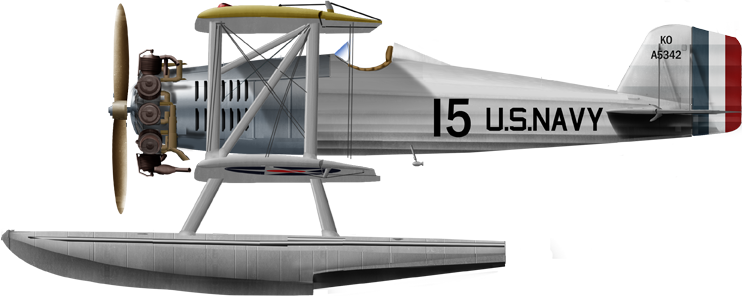
Curtiss TS-1 in floatplane version for battleship observation 1925
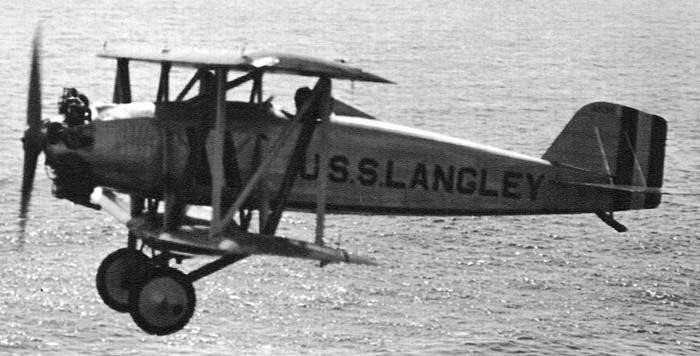
NAF-Curtiss_TS-1_in_flight_in_the_1920s
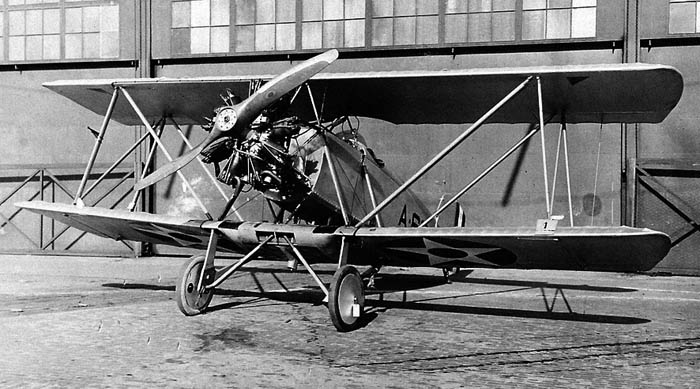
CurtissTS_Convertible_PlaneJanuary13_1922
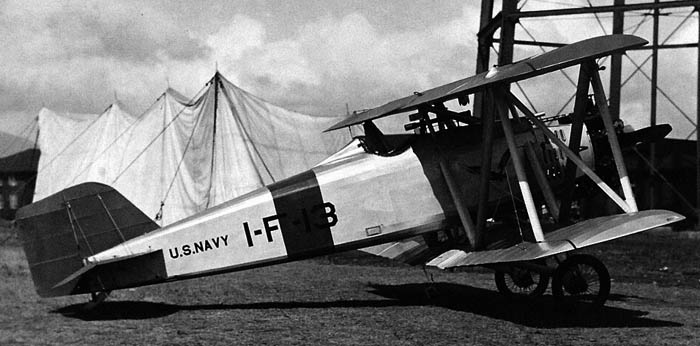
TS_Convertible_planeAugust_2_1925-6637
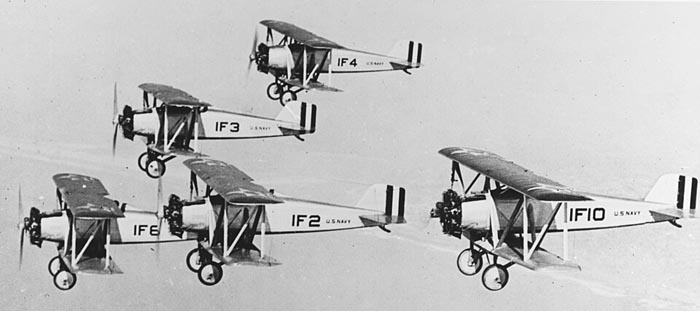
Five_Naval_Aircraft_Factory_TS-1_of_VF-1_in_flight_c1925
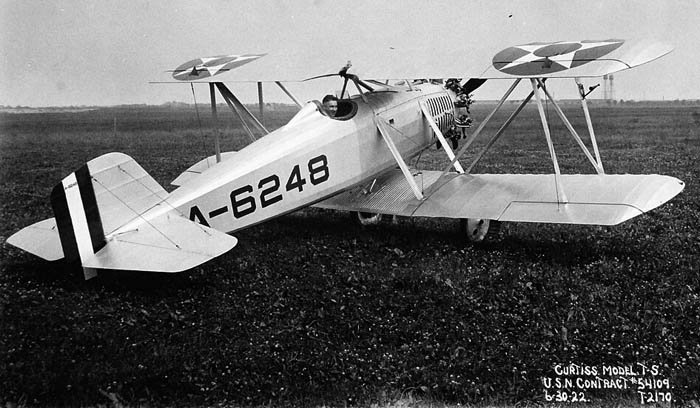
CurtissTS_July30-1922
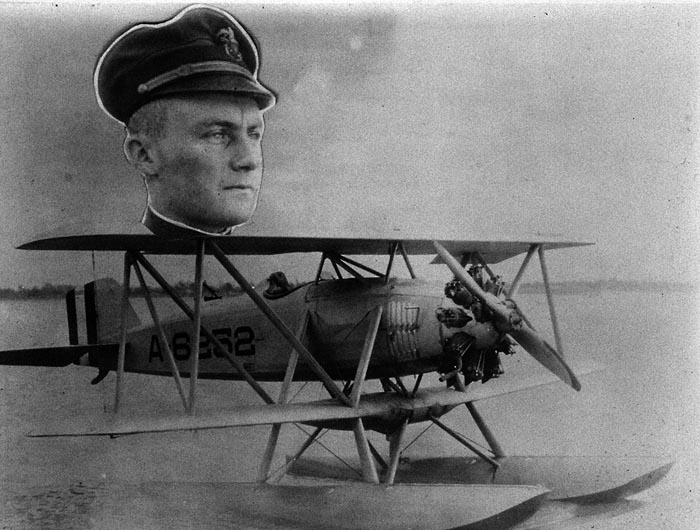
80-G-6660: Curtiss TS convertible plane and Lieutenant R.A. Ofstie, holder of altitude (no load) record of 18,400 feet, October 9, 1923. Official U.S. Navy photograph, now in the collections of the National Archives.
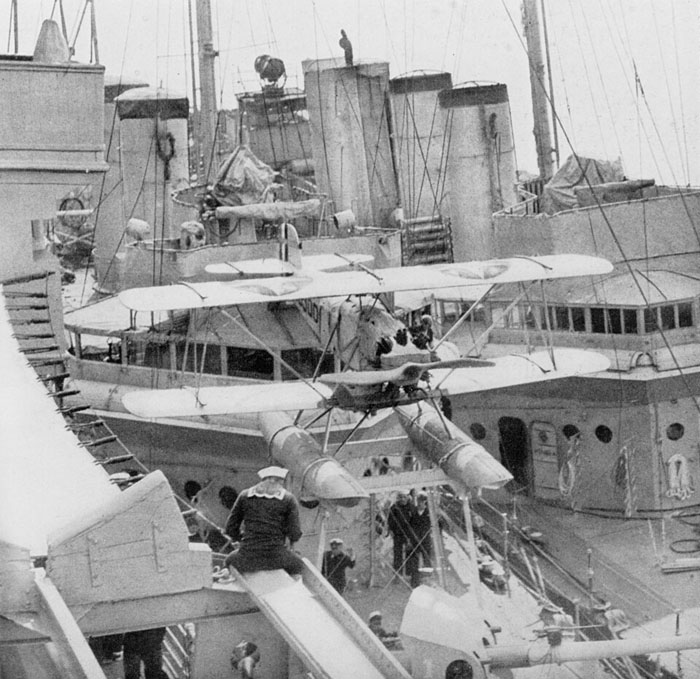
A U.S. Naval Aircraft Factory TS-1 floatplane (BuNo A-6300) carried on board the destroyer USS Charles Ausburn (DD-294), circa 1923.
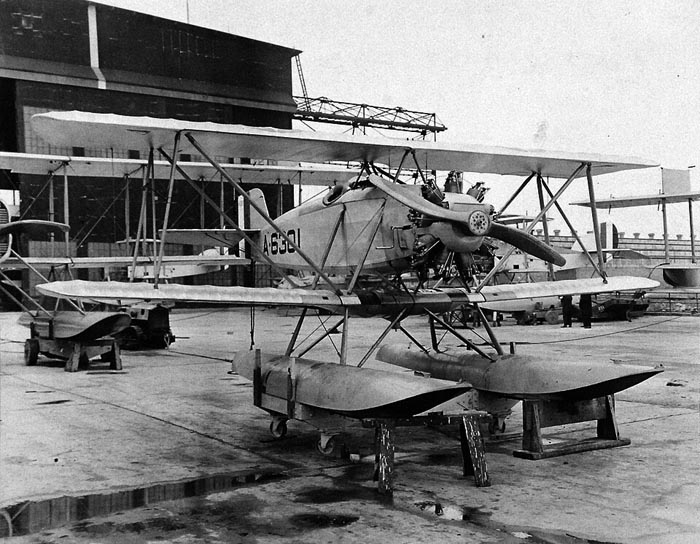
Curtiss TS convertible plane, April 4, 1922. Official U.S. Navy photograph
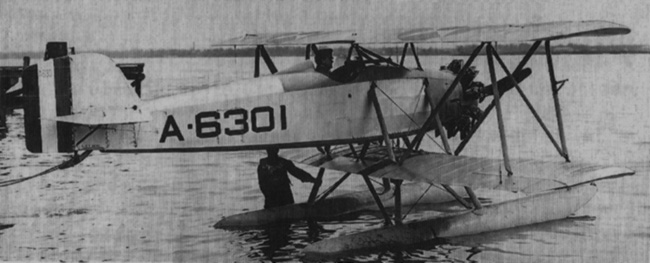
The second built U.S. Navy Naval Aircraft Factory TS-1 (BuNo A-6301). The TS-1 was the first U.S. Navy carrier-based plane specifically designed for this purpose. Its designation "TS" stood for "turret scout", as it was originally planned to operate it from platforms on gun turrets of battleships. Although designed by the Bureau of Aeronautics, only five were built by the NAF, a contract for 34 TS-1s was awarded to Curtiss.
Src/Read more about the DT:
Johnson, E.R., United States Naval Aviation, 1919-1941. McFarland, 2011Lloyd S. Jones, U.S. Naval Fighters (Fallbrook CA: Aero Publishers, 1977
"United States Navy Aircraft Since 1911" by Gordon Swanborough & Peter M. Bowers NIP
Melton USNR, Lt. Comdr. Dick. the Forty Year Hitch. Wyandotte, Michigan: Publishers Consulting Services, 1970
The Smithsonian National Air and Space Museum Directory of Airplanes their Designers and Manufacturers" Dana Bell 2002
Bowers, Peter M. (1979). Curtiss aircraft, 1907-1947. London: Putnam
Swanborough, Gordon; Bowers, Peter M. (1990). United States Navy aircraft since 1911. NIP
Melton USNR, Lt. Comdr. Dick. the Forty Year Hitch. Wyandotte, Michigan: Publishers Consulting Services, 1970
"Curtiss (NAF) TS-2/3". National Air and Space Museum. Smithsonian Institution
"Curtiss TS.1 SN: A6446". Aviation Enthusiast Corner.
historyofwar.org F4C
historyofwar.org TS1
aviastar.org F4C
airandspace.si.edu
facebook.com/
en.wikipedia.org
aviadejavu.ru
alchetron.com
history.navy.mil
dvidshub.net
csg4.usff.navy.mil
- Lohner E (1913)
- Macchi M3 (1916)
- Macchi M5 (1917)
- Macchi M7 (1918)
- Ansaldo ISVA (1918)
- Short S.38 (1912)
- Sopwith Baby (1916)
- Short 184 (1916)
- Fairey Campania (1917)
- Sopwith Cuckoo (1917)
- Felixstowe F.2 (1917)
- Gotha WD.2 (1914)
- Friedrichshafen FF 33 (1916)
- Albatros W4 (1916)
- Albatros W8 (1918)
- Hanriot HD.2
- Grigorovich M5 (1915)
- Grigorovich M9 (1916)
- Grigorovich M11 (1917)
- IJN Farman MF.7
- IJN Yokosho Type Mo
- Yokosho Rogou Kougata (1917)
- Yokosuka Igo-Ko (1920)
- Curtiss N9 (1916)
- Curtiss H4 (1916)
- Curtiss H12 (1917)
- Curtiss H16 (1918)
- Aeromarine 39
- Vought VE-7
- Douglas DT (1921)
- NAF/Curtiss TS-1 (1922)
- Boeing FB.5 (1923)
- Boeing F4B (1928)
- Vought O2U/O3U Corsair (1928)
- Grumman FF (1931)
- Akron class airships (1931)
- Curtiss F9C Sparrowhawk (1931)
- Curtiss F11C Goshawk (1932)
- Curtiss BF2C Goshawk (1933)
- Blackburn Blackburn (1922)
- Supermarine Seagull (1922)
- Fairey Flycatcher (1923)
- Hawker Horsley (1925)
- Blackburn Ripon (1926)
- Fairey IIIF (1927)
- Fairey Seal (1930)
- LGL-32 C.1 (1927)
- Fokker T.II (1921)
- Fokker T.III (1923)
- Caspar U1 (1921)
- Dornier Do J Wal (1922)
- Rohrbach R-III (1924)
- Mitsubishi 1MF (1923)
- Mitsubishi B1M (1923)
- Yokosuka E1Y (1923)
- Nakajima A1N (1927)
- Nakajima E2N (1927)
- Mitsubishi B2M (1929)
- Nakajima A2N (1930)
- Nakajima A4N (1935)
- CANT 18
WW1
✠ K.u.K. Seefliegerkorps:
 Italian Naval Aviation
 RNAS
RNAS
 Marineflieger
 French Naval Aviation
 Russian Naval Aviation
 IJN Air Service
 USA
USA
Interwar
Interwar US
 Interwar Britain
 Interwar France
 Interwar Netherlands
 Interwar Germany
 Interwar Japan
 Interwar Italy
- Grumman F2F (1933)
- Curtiss SOC seagull (1934)
- Grumman F3F (1935)
- Northrop BT-1 (1935)
- Consolidated PBY Catalina (1935)
- Grumman J2F Duck (1936)
- Brewster/NAF SBN-1 (1936)
- Curtiss SBC Helldiver (1936)
- Vought SB2U Vindicator (1936)
- Brewster F2A Buffalo (1937)
- Douglas TBD Devastator (1937)
- Vought Kingfisher (1938)
- Curtiss SO3C Seamew (1939)
- K-class Blimps (1939)
- Douglas SBD Dauntless (1939)
- Grumman F4F Wildcat (1940)
- F4U Corsair (NE) (1940)
- Brewster SB2A Buccaneer (1941)
- Grumman TBF/TBM Avenger (1941)
- Consolidated TBY Sea Wolf (1941)
- Grumman F6F Hellcat (1942)
- Curtiss SB2C Helldiver (1942)
- Curtiss SC Seahawk (1944)
- Grumman F7F Tigercat (1944)
- Grumman F8F Bearcat (1944)
- Ryan FR-1 Fireball (1944)
- Douglas AD-1 Skyraider (1945)
- Fleet Air Arm
- Hawker Osprey (1932)
- Fairey Swordfish (1934)
- Blackburn Shark (1934)
- Supermarine Walrus (1936)
- Fairey Seafox (1936)
- Blackburn Skua (1937)
- Short Sunderland (1937)
- Blackburn Roc (1938)
- Fairey Albacore (1940)
- Fairey Fulmar (1940)
- Grumman Martlet (1941)
- Hawker sea Hurricane (1941)
- Brewster Bermuda (1942)
- Fairey Barracuda (1943)
- Fairey Firefly (1943)
- Grumman Tarpon (1943)
- Grumman Gannet (1943)
- Supermarine seafire (1943)
- Blackburn Firebrand (1944)
- Hawker Sea Fury (1944)
- Coastal Command
- Vickers Wellington (1937)
- IJN aviation
- Yokosuka E6Y (1930)
- Aichi D1A "Susie" (1934)
- Mitsubishi A5M "Claude" (1935)
- Nakajima A4N (1935)
- Yokosuka B4Y "Jean" (1935)
- Mitsubishi G3M "Nell" (1935)
- Nakajima E8N "Dave" (1935)
- Kawanishi E7K "Alf" (1935)
- Nakajima B5N "Kate" (1937)
- Kawanishi H6K "Mavis" (1938)
- Aichi D3A "Val" (1940)
- Mitsubishi G4M "Betty" (1940)
- Mitsubishi A6M "zeke" (1940)
- Nakajima E14Y "Glen" (1941)
- Nakajima B6N "Jill" (1941)
- Mitsubishi F1M "pete" (1941)
- Aichi E13A Reisu "Jake" (1941)
- Kawanishi E15K Shiun "Norm" (1941)
- Nakajima C6N Saiun "Myrt" (1942)
- Yokosuka D4Y "Judy" (1942)
- Kyushu Q1W Tokai "Lorna" (1944)
 Luftwaffe
- Heinkel 114 (1935)
- Arado 196 (1937)
- Me109 T (1938)
- Blohm & Voss 138 Seedrache (1940)
 Italian Aviation
- Savoia-Marchetti S.55
- IMAM Ro.43/44
- CANT Z.501 Gabbiano
- CANT Z.506 Airone
- CANT Z.508
- CANT Z.511
- CANT Z.515
 French Aeronavale
- GL.300 (1926-39)
- CAMS 37 (1926)
- Levasseur PL.5 (1927)
- Potez 452 (1935)
- Loire 210 (1936)
- Loire 130 (1937)
- LN 401 (1938)
 Soviet Naval Aviation
- Shavrov SH-2 (1928)
- Tupolev TB-1P (1931)
- Beriev MBR-2 (1930)
- Tupolev MR-6 (1933)
- Tupolev MTB-1 (1934)
- Beriev Be-2 (1936)
- Polikarpov I16 naval (1936)
- Tupolev MTB-2 (1937)
- Ilyushine DB-3T/TP (1937)
- Beriev Be-4 (1940)
 Swedish Naval Aviation
- SAAB B17S
-
 Skoda Š-328V
  R-XIII Idro
 Fokker C.XI W (1934)
 Rogožarski PVT-H (1938)
WW2
 ☍ USNA
- De Havilland Sea Vixen
- Hawker Sea Hawk
- Supermarine Scimitar
- Blackburn Buccaneer
- Hawker Sea Harrier
- Douglas A4 Skyhawk
- Grumman F9F Panther
- Vought F8 Crusader
- McDonnell-Douglas F-4 Phantom-II
- North Am. A5 Vigilante
- TU-142
- Yak 38 forger
☢ Cold War
✧ NATO
Fleet Air Arm
 US Navy
☭ Warsaw Pact
Merch
Seafire Mark 45; HMS Pretoria Castle
Zeros vs its aversaries
Aichi D3A “Val” Junyo
Mitsubishi A5M poster
F4F wildcat
Macchi M5
SBD Dauntless Coral Sea
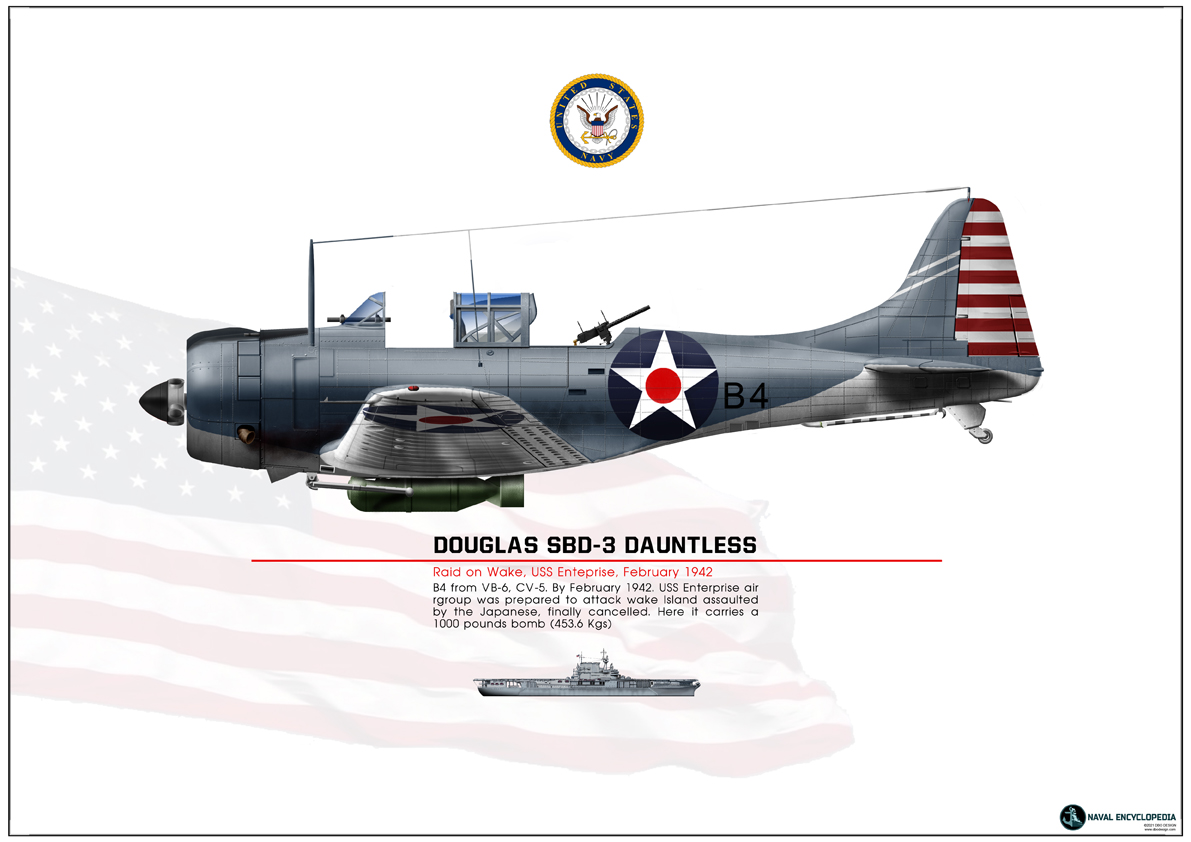
SBD Dauntless USS Enterprise
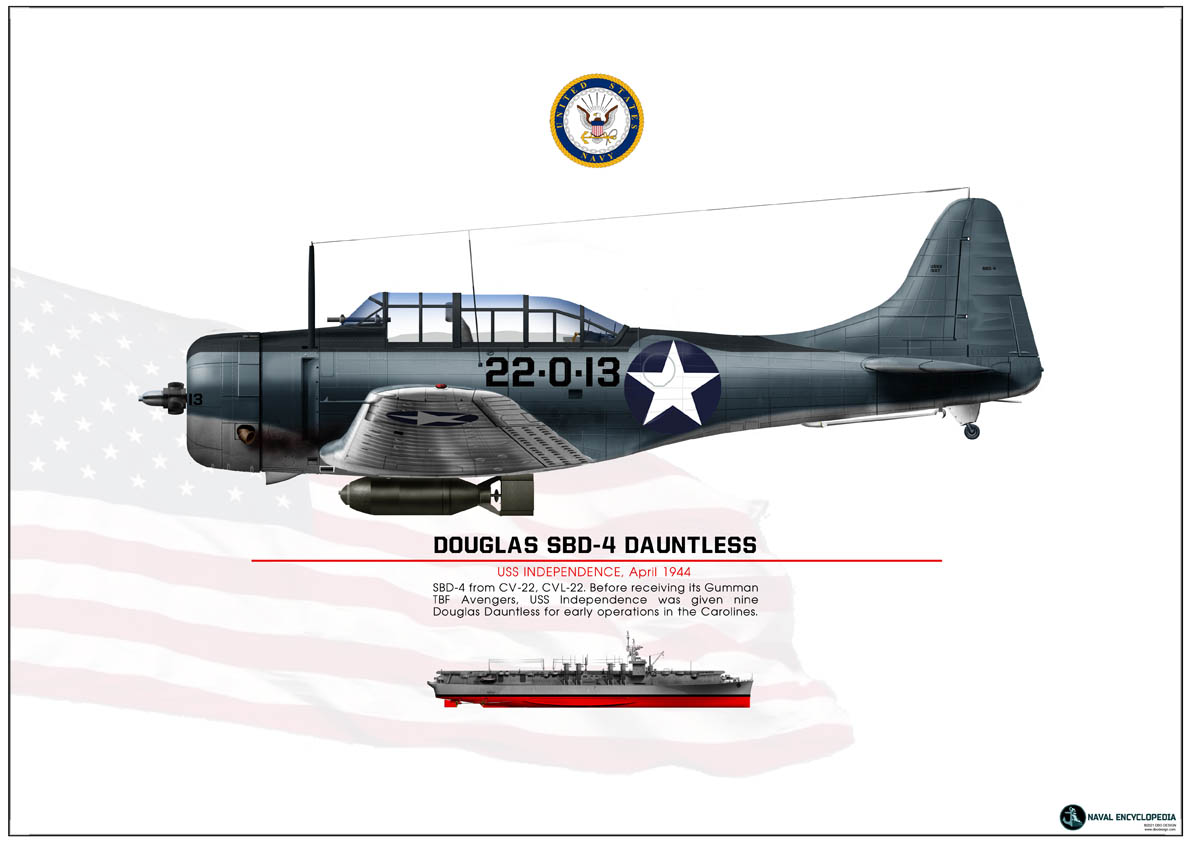
SBD-4 CV22