Loening OL (1923)
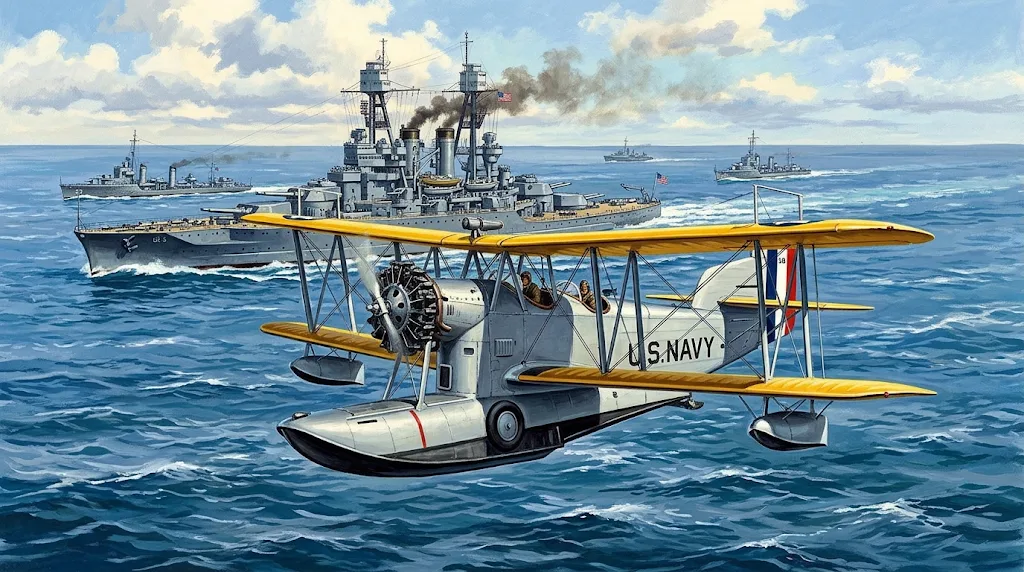
 US Navy Observation Amphibious Floatplane (1923-1936), 165 built.
Development
About Grover C. Loening and his company
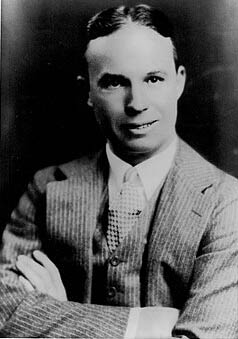 On this website, we will cover just one main model of the company: The OL series. It was by far the most produced, best known, giving birth later to the C1 and C2. The company also attempted to create fighters, and apart the M8 in 1918 for the USAAC, never met frank successes like its rival. The company was born in 1917, founded by Grover Cleveland Löning. Born by September 12, 1888 in Bremen, in the then German Empire, from an American-born father stationed as U.S. Consul. Fluent in English he graduated before WW1 from Columbia University in New York City, and was awarded the first-ever degree in Aeronautical Engineering. Her then joined the Queen Aeroplane Company in New York (linked to Wright Co. Dayton) for Orville by 1913-1914. He even published a book "Military Airplanes". Her then became Vice President of the Sturtevant Aeroplane Co. and Chief engineer for the new Army Air Corps in San Diego.
 In 1917 he formed the Loening Aeronautical Engineering Corp (Grover Loening Aircraft Co after 1928). The company was originally located in Long Island, Queens but moved to loft at the 5th floor, 351 West 52nd Street, Hell's Kitchen, Manhattan. His very first model before the war was over, in 1918, was the Loening M-2 Kitten, a small amphibian already, convertible, which combined many clever solutions. He imagine a very small or "pocket" model (just 102/110 kgs) for use aboard capital ships and submarines of the USN, equipped either with floats or wheels and reversible in no time. Three were made for evaluation but with 55 hp it was just 100 mph (160 km/h, 87 kn) with a very limited range.

Next, the same year, Loening also created for the USAAC its first commercial success, the M8, a two-seat braced-wing monoplane fighter powered by an Hispano-Suiza V8 300 hp capable of 145 mph (233 km/h, 126 kn) and excelelent general characteristics. The Army ordered 5,000 of them, but htis was cancelled in November 1918 after 55 had been delivered. However the Army was not the main user, having just two prototypes. It was also evaluated and used by the USN (46 total) and a seaplane variant, the M-8-1S (6) then three prototype seaplanes testing the Richardson pontoon split central float.
In 1921, the firm leased a vacant lot at 420-428 East 31st Street in the Kips Bay neighborhood of Manhattan (between 1st Avenue and East River) to create a new factory, opening in 1922. It even had a floating ramp for amphibians alongside the pier at 31st Street leased from NY. Before this work, seplanes had to be hoisted into the East River using a crane.
Loening also seek publicity and his "Flying Yacht" won the 1921 Collier Trophy. His notoriety even increasing in 1927 whe her dated famous Vogue model Elizabeth Nast (20 years his junior) as she was fond of flying. Loening often test flied his own aircraft. However some of his employees demonstrated great talents, like Leroy Grumman, William T. Schwendler, and Jake Swirbul, the ones that would later formed Grumman. In betwee, Loening created the Loening PW-2 (1920, 7 Monoplane fighter derived from the M8, the Model 23 (1921) 16 monoplane pusher engine flying boats for the USN, the R-4 (1922) Monoplane racer (2 made, winning the race) and the PA-1 prototype in 1922 for a new contest for a Biplane fighter.

But in 1923, he had the team ideal to create its best model ever, the OL (see below). This became in the 1920s the go-to amphibian of the Navy. It was indeed quite versatile, being fitted with wheels, and could operate from aircraft carriers, and was sturdy enough in some version to be catapulted from battleships. So it was pretty universal, albeit largely forgotten today. The Loening Amphibian was indeed a pioneering two-seat amphibious biplane largely attributed to the "Grumman gang". Leroy was his chief engineer at the time. While the U.S. Army Air Corps primarily flew its land and water-based observation variant (the OA-1) from airfields, the U.S. Navy deliberately ordered their versions for shipboard use.
 The success of the OL and its many variants led to the C1 and C2 in 1928, both transport versions with enlarged fuselage and seats. They were used for VIP transport and also by the US Coast guard until WW2, both officially named "air yacht". They also met success on the civilian market. However after these, the company joined Keystone as said above, and its production were more limited: The Loening XSL (1931) submarine-based monoplane pusher engine flying boat, the Loening C-5 (1934) same but further developed, met no success or orders. They were designed by a new team as Grumman already left. And there was the paper-only Loening XFL carrier-based fighter project.
The company eventually closed in 1933. However the facility of Garden City remained operated until 1936. In World War II Leoning remained chief consultant to the War Production Board as well as NACA, and Grumman. In 1965 her was inducted into the International Air & Space Hall of Fame for his innovation and in 1969 into the National Aviation Hall of Fame in Dayton, then in 1976 as recipient of the Langley Gold Medal from the Smithsonian Institution but died soon after on February 29 in Coconut Grove, Florida.
Best Seller: The Loening OL

The new model introduced a number of innovations and this appealed to the Navy, and it was for its era, properly grounbreaking: It holds a significant place in aviation history indeed as America's first modern amphibious aircraft. It was successfully marrying indeed the aquatic landing capabilities of a flying boat with the tactical utility of a conventional land aircraft. The "Grumman Gang" introduced a number of innovations all at once:
The "Shoehorn" central float, making it a flying boat more than a floatplane was the first. It bypassed traditional layouts by integrating a single, large float directly into the bottom of the fuselage. This better balanced the model. There was also a built-in body strenght, drastically reducing drag offering the same performances of a standard landplane. In the end, this design was so effective it laid engineering groundwork for the next Grumman JF/J2F "Duck" by Leroy Grumman.
However it did not came up out of the blue. The Army at the time, not th Navy, published military requirements for a rugged scouting and utility aircraft that could deploy from rough fields or open water. For this, the model featured several advanced specifications. It was outfitted with main wheels that retracted flat into recessed wells on the sides of the hull using a manual cockpit hand crank, alongside a rear tail skid for land runways, it used a tough Duralumin aluminum alloy shell over a wooden frame sub-divided into watertight bulkhead compartments to survive rough water landings and its airframe structural integrity was stress-tested at Columbia University.
It also had an inverted Powerplant, a 400-horsepower Liberty V-1650-1 engine mounted inverted inside a streamlined cowling, raising the crankshaft higher, and keeping the propeller clear of ocean spray while allowing the center of gravity to remain relatively low. In addtion to dual controls it also had deep fuel tanks built directly under the wings and between cockpits to reach an unheard of 10-hour flight endurance. It is unclear when its maiden flight was done, in 1923. However reports were excellent.
The United States Army Air Corps ordered four prototypes, named XCOA-1, with the 400-hp Liberty V-1650-1 engine. One remained for testing and the three underwent modifications to become serial models, the first three of the COA-1 series, plus nine more production aircraft for the Army Air Service. Then came the OA-1A with a redesigned vertical tail and 420-hp Liberty V-12, inverted (15), the XOA-1A prototype testing a single retractable mainwheel and skids on wing floats with a V-12 Wright Typhoon (1929). This led to a series OA-1B (9) with a water-cooled V-1650-1 engine, OA-1C with redesigned fin and rudder (10), OA-2 (480hp Wright IV-1460-1, modified tail surfaces, port upper wing MG (8).
Next was the Navy: To ensure the OL (navy designation) could be catapulted, the OL had structural integrity and distinctive single Duralumin hull heavily stress-tested at Columbia University (where Loening studied), ensuring it could withstand both rough open-sea recoveries and the intense g-forces of a mechanical catapult launch. Later evolutionary models built upon this framework, such as the Loening XO2L-1 prototype, refined these naval capabilities even further by adding explicit arrestor hooks for deck landings alongside standard catapult hardware.
The OL-1 had a 3rd cockpit. Two prototypes with a 440-hp Packard 1A-1500 tested different tails. It was followed by the OL-2 (5) closer to the army COA-1, the OL-3 which was an OL-1 with a 475-hp Packard 1A-1500 and detail changes (4), the OL-4 with a 400-hp V-1650-2 engine (6), the OL-5 for the U.S. Coast Guard (3, 1926), the OL-6 which became the first main production batch with a redesigned square vertical tail (28), the XOL-7 prototype fitted with experimental thicker wing, XOL-8 (air-cooled 450-hp Pratt & Whitney R-1340-2 radial) prototype. This led to the second most successful serie, the OL-8 with 2 cockpits and a 450-hp R-1340-4 engine (20), then the carrier-capable OL-8A fitted with arrestor gear (20), OL-9 with detail equipment changes (26). Production stopped there and then, but Loening, now under Keystone still proposed under a new team the XO-37, based on the OA-2 but with a 200-hp R-1340-0 engine (cancelled).
Design
General layout
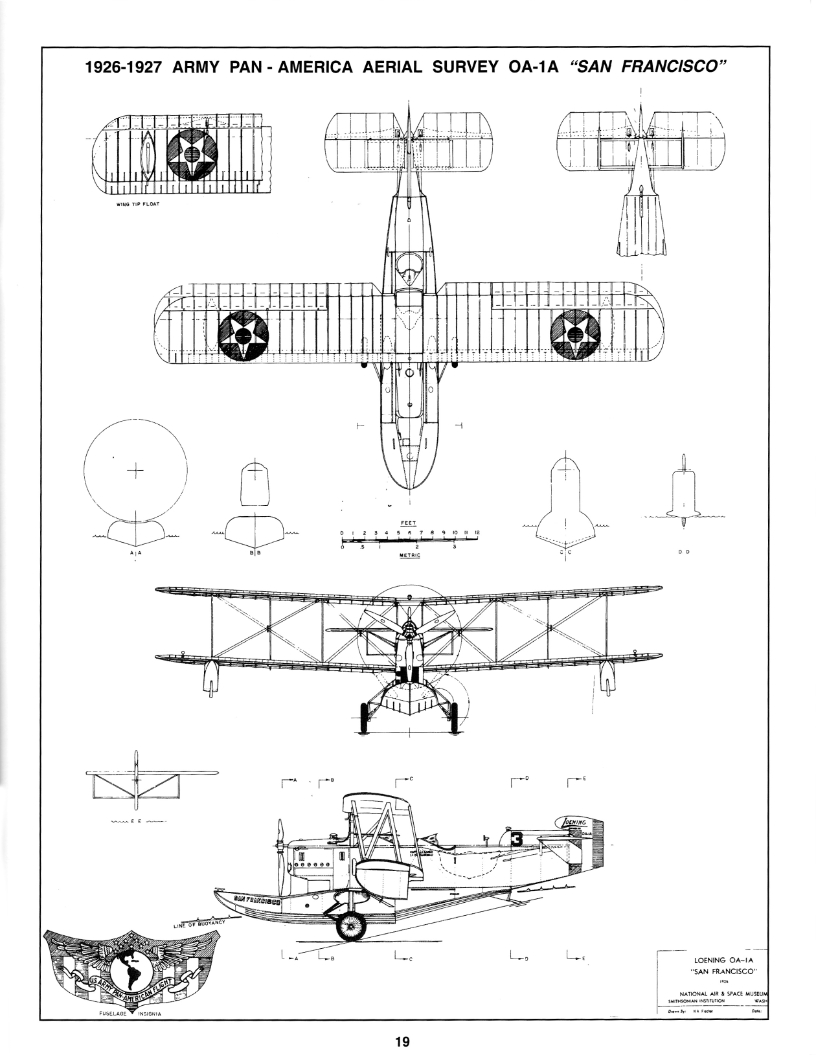
This model which inherited its distinctive general formula and specific shoehorn axial float was its next high-performance amphibian, caracterized by its large single hull and stabilizing floats underneath each lower wing. It had a retractable landing gear deployed by using a fooproof hand crank in the cockpit. There was also a tailskid for operations on land. The model had a tandem open cockpit for a crew of two, pilot and observer, but it was modular enough to be flown from either cockpit. There was indeed a wheel control in the forward cockpit and removable stick control in the aft cockput. However navigation and instruments were in the forward cockpit so in case the pilot was impaired, the observer was "flying blind" (no intruments) albeit he had access to the main engine and surface controls.The hull of was became the OL, was built of Duralumin, which was new, but wrapped around on a wooden frame, easy to repair and light. It was subdivided into five watertight compartments for buoyancy, connected through a selector switching to a bilge pump operated from the rear cockpit. There were plugs in the bottom of each compartment for ground drainage. The fuselage was constructed on top of the hull but the entire structure was strength-tested at Columbia University, where Loening was graduated, independently. This was not required by the Navy. All this ensure a rock-solid ensemble for equally rough water or carrier landing, as well as catapulting. The wings were made of nearly equal span (upper large and with ailerons), similar to the DH4 land planes and thus interchangeable, composed of wooden frames wrapped in doped fabric as customary for the time with metal struts, with three pairs of "N" either side, the inwards half struts connecting the fuselage. The classic tail and rudder arrangement was also made of metal frames with fabric but their shape and size varied over variants to improve control.
Engine and performances

It was powered at the start with a Liberty V-1650-1 engine. If some had a 4-bladed wooden propeller, the Army wanted by default, an innovative three-bladed variable-pitch steel propeller. The engine was equipped with another innovation, a fire suppression sprinkler system. It was encased in a streamlined cowling to stay clear ofsea spray and the oil stored in a gravity tank was cooled by passing through a spiral copper tube, exposed to the slipstream, on top of the cowling. The inverted engine, alongside the placement of the crankshaft, placed it higher up enabling a lower profile overall as the float was just below. For extra rigidity, extra struts further prevented the engine prop to cave in onto the float in case of a hard landing.
The fuel tanks were mounted inside the hull. Between the two cockpits there was a 60-gallon (230-liter) gasoline-benzol tank and behind the engines, below the top wing, there was a 140-gallon (530-liter) gasoline tank. So the total fuel capacity provided made for a flight time at economical speed of roughly ten hours. This was excellent for a single-engine model, already beating known 2-engine patrol seaplanes. It was also unheard of for a ship-based model. However in absolute terms this was still around 620 miles, 1,000 km total so less than 500 for a classic point-base recce mission. Now pilots generally found it pleasant to fly, with stable handling, easy to learn, however if respectable for 1925, by 1931 when the production stopped, its top speed and climb rate were less stellar. On water it performed beautifully and forgiving. On land, rought fields it might be more tricky however given its poor ground clearance.
Armament
Being a pure observation model (hence the "O", followed by the company name), the rear cockpit was unarmed, only the pilot had a forward-firing light Browning MG 0.3 cal. Next on the last OA-2 it was relocated in the port upper wing. However the observer lacked a scarff mount, installed only on late Navy models like the OL-8 and OL-9.⚙ OL8 specifications | |
| Light Weight | 3,649 lb (1,655 kg) |
| Gross weight | 5,404 lb (2,451 kg) |
| Length | 34 ft 9 in (10.59 m) |
| Wingspan | 45 ft 0 in (13.72 m) |
| Height | 12 ft 9 in (3.89 m) |
| Wing Area | 504 sq ft (46.82 m2) |
| Engine | Pratt & Whitney R-1340-4 Wasp AC radial 450 hp (336 kW) |
| Top Speed | 122 mph (196 km/h, 106 kn) |
| Range | 625 mi (1,006 km, 543 nmi) |
| Ceiling | 14,300 ft (4,360 m) |
| Armament | 1x 0.8mm LMG, see notes |
| Crew | Navy OL8: 3: Pilot, observer, navigator/radioman |
Variants
 US Army OA-1B, here noted "OA-10".
Army Variants
COA-1, OA-1A, OA-1B and O2, in all 42 including three prototypes. They were mostly identical to the navy models, apart the ones fitted with a deck cross hook and other details to be catapulted.Navy Variants
OL-1 (2 protos), OL-2 (5), OL-3 (4), OL-4 (6), OL-5 for the Coast Guard (3), OL-6 (28), OL-8 (20) and OL-8A, the carrier variant (20) plus the OL-9 (26). The last three were pretty close but in minute details. This made for a total of 112 less prototypes (4). So the Navy was a greater user of the type, and it was basically the base for the latter Grumman JF "duck" as it marked durably the Navy by its versatility. The "Duck" was present in WW2 when the Loening OL was pretty rare and found only in civilian hands and the three Coast Guard models (which individual appropriation cost was 1042 $), at the end of their rope in 1935 with just one survivor. Construction stopped in 1931 and there were the usual crashes that ate at the pool of available models.Loening C1 (1929)
The C1 "air yacht" was a civilian only variant, for passengers, single pilot version of the OL observation aircraft of USN. It had windows, doors in the space created above and behind the shoehorn float for up to 6 passengers in their enclosed cabin. The main units of the undercarriage were revised to retract flush into wells in the sides of the fuselage. There were stabilising floats fitted against the undersides of the lower wing. In all eight were made, powered by a Pratt & Whitney R-1340 Wasp 9-cyl. 410 hp (310 kW) and used sometimes also for Navy VIP transport.Loening C2 (1929)
Same concept, but produced in two versions in all 36 total, as the C1, but the C-2C (Wright Cyclone engine) and the C-2H (Pratt & Whitney Hornet). They had been evaluated by the USMC as air ambulances as the XHL-1 but not selected for production (see later). One C-2C made a New York-Bergen commanded by Thor Solberg in 1935, a first. This model named Leiv Ericson had been preserved in the Norsk Teknisk Museum in Oslo. Two C-2Hs were also used by "Air Ferries Limited" in the 1930s for short shuttle trips coast to coast before the San Francisco–Oakland Bay Bridge was completed, each taking 6 minutes instead of 40 via the standard ferry. One C2H was also used for commercial flights in Aruba from 1934 as VIP taxi for Standard Oil, Venezuela. In Alaska one was used by Bush pilots well until the late 1930s as it was the main liaison and supply asset for remote outposts. It also flew regularly from Seattle to Anchorage. These mountaineous regions had almost no airfields but abundant fjords, rivers, protected bays and lakes. It was perfect to connect coastal towns, notably with a mail service. One ended in a China airline as well, the sino-US short venture, roaming the Yangtze. One flew in Mexico in 1933 as well.Operational History
The Army was the first branch to order prototypes and required water-landing capabilities for coastal scouting and tropical mapping, with versions focused heavily on range with a defensive armament. Unlike the early Navy variants, they all had a forward-firing machine gun and an optional flexible rear Lewis machine gun for the observer. The OA-2 relocated the machine to clear the pilot's forward view. Beyond the famous 1926 Pan-American Goodwill Flight, the Army heavily utilized the OA series for aerial surveying and mapping projects throughout the Caribbean, Panama Canal Zone, and Hawaiian islands. They were retired and never replaced. It was decided that only the Navy would deploy seaplanes. The next Grumman JF was used indeed only by the United States Marine Corps and Coast Guard.The navy was the largest user of the type, by far, and shifted for a 3-Seat arrangement to include a navugator and radioman in addition to the observer. Early Navy versions indeed included a dedicated radio operator doubling as navigation officer. Following the successful 1925 Arctic Expedition, the Navy deployed OLs with tri-lens aerial cameras to map over 40,000 square miles of uncharted Alaskan territory. Later models (OL-8 and OL-9) had Pratt & Whitney R-1340 Wasp engines to eliminated heavy radiators, improve mechanical reliability. The OL-8A, structurally reinforced and with tail hooks was permanently deployed from USS Lexington and USS Saratoga as carrier liaison aircraft, mail runners, and plane guards. The Marine Corps deployed two air Ambulance, modified with a spacious cabin inside the hull capable of carrying stretchers for medical evacuations.
The U.S. Coast Guard was the third user, with just three made, but they were the foundation of a permanent Coast Guard aviation. Before that, the service had to borrow surplus aircraft from the Navy. In October 1926 under a congressional appropriation, three custom-built Loening OL-5 (CG-1, CG-2, and CG-3) were obtained, but they featured reinforced hull bottoms and keels, defensive skids attached under the wingtip floats to protect them from floating debris, a higher rudder for better water maneuverability, and expanded fuel tanks. They were hard at work at the height of Prohibition, fitted with machine guns and used to spot "rum-runners" smuggling alcohol off the American coastline. They were also used to test early communications, successfully replacing erratic carrier pigeon message systems, notably to coordinate ocean rescues. They also pioneered the famous "high-visibility-over-water chrome yellow" paint scheme on the wings and hull, ensuring to be seen if they went down at sea,, a paint scheme adopted by the rest of the Navy in peacetime. The final OL-5 was safely retired in April 1935.

13 June 1929 – Coast Guard Radio Technician A. G. Descoteaux became the first person to broadcast from an aircraft. In a Loening amphibian, he reported the takeoff of a French aircraft on a trans-Atlantic flight at Old Orchard Beach, Maine. The account was relayed by ground equipment to an extensive national hookup and was received by U.S. and foreign listeners.
It was also used by the USAAC as seen above, and US Coast Guard after being declared limited standard from the Navy. It was also used by the El vuelo pan americano de buena voluntad 1926-1927. The model was also used for high profile civilian feats: The 1925 MacMillan Arctic Expedition for example saw three U.S. Navy Loening COA-1 (OL-2), commanded by Lieutenant Commander Richard E. Byrd to map and conduct aerial exploration over unexplored expanses of the Arctic. It inaugurated aircraft and shortwave radio for polar exploration. They flew over and mapped 30,000 square miles by August 1925 alone. In the coast guard, the OL brought new capabilities, being able to land and rescue directly instead of just signalling the position and dropping supplies and boats. But these three models were also used to fight alcohol smuggling. They were fast enough to catch rhum-runners instead of usual CG cutters. Their MGs were put to good use for warning shots. Plus they acted as flying command and coordination assets for naval deployments. Otherwise, apart tracking and mapping new shipwrecks, they sometimes spotted large fish banks, easier to see from the air to help fishermen. However two were lost in accidents (pilot error and collision with a yacht's mast during a regatta), and the last lingered until 1935, completely worn out.
They also took part in 1926–1927 U.S. Army Pan-American Goodwill Flight proposed by Major General Mason Patrick, Chief of the Army Air Corps. This was a 22,000-mile (35,200 km) diplomatic journey to foster relations with Latin America as well as establishing new aerial mail routes, as well as a test in military aviation limits. Ten volunteer military pilots flew five modified Loening OA-1A, each named after a major American city to drum up public interest (New York, San Antonio, San Francisco, Detroit, and St. Louis). They left Kelly Field in San Antonio, Texas on December 21, 1926, then Mexico, Central America, west coast of South America, crossing the Andes Mountains, and over eastwards to the Atlantic coast and back up the West Indies, 59 flying days over several months. One sadly crashed in Argentina. There was a greeting crowd for their common landing at Bolling Field, Washington, D.C., on May 2, 1927. President Calvin Coolidge personally awarded the pilots the first-ever Distinguished Flying Crosses. One is now on display at the Smithsonian National Air and Space Museum.
The army retired its own model around 1932-33, but in the Navy they lingered until 1935-36, worn out for the most, the last being still in storage in some naval station as far as 1938. They had been "limited standard" as soon as the Grumman JF, its successor, entered service. In the USMC they were used in VO10 squadron, with OL-6s, 3 seaters with forward MG and rear ring mount LMG. They mostly flew in the Carribean (Banana wars), and in 1927 six were deployed to China to protect US interests during the civil war, from Camp McMurray close to Tianjin. They patrolled along the Yangtze river and its affluents. They were also used in the Phillippines, notably for liaison. However the Marines found the finnicky Packard engine troublesome in tropical conditions. As for the two air ambulances, the large cabin could accomodate four stretchers, a medic and a nurse. In 1928 they showed their capability to evacuate men from practically anywhere, comparable to an helicopter. The USMC replaced it by the JF in 1935.
Gallery:
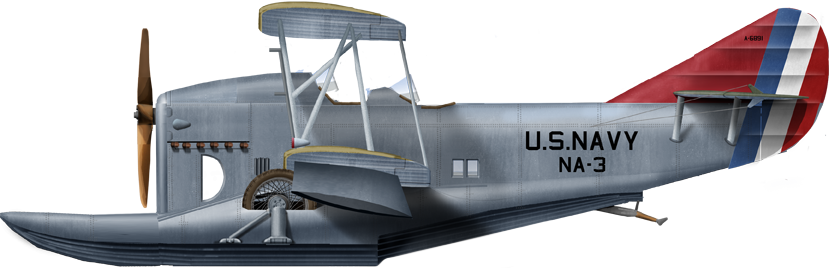
OL-2, Squantum NAS MacMillan Dotchester Bay 1927
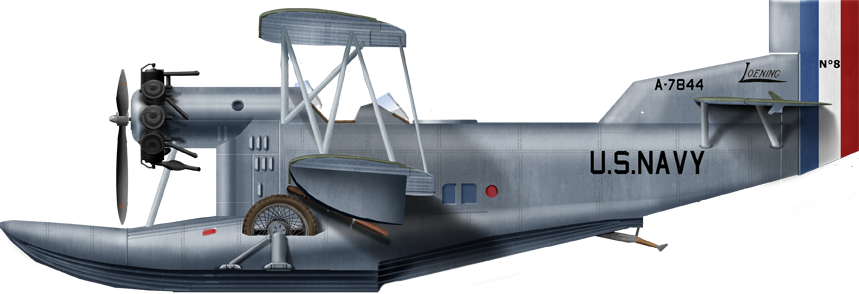
OL-9 Buno A-7844 USN 1930

Army OL-2, South Am expedition

The same in formation, artwork

"Juneau" (pinterest)

OL8 Seen above USS Lexington, personal model of Rear Admiral Joseph M. Reeves, Commander, Aircraft Squadrons, Battle Fleet (USNI via pinterest)

OL8

In civilian service

OL8A prototype

OL-3

XOL2L-1 carrier-capable model
Src/Read more about the DT:
The Illustrated Encyclopedia of Aircraft (Part Work 1982-1985), 1985, Orbis Publishing.Loening, Grover. Our Wings Grow Faster. Garden City, New York: Doubleday, Doran & Co., 1935.
Loening, Grover. Takeoff Into Greatness: How American Aviation Grew So Big So Fast. New York: G.P. Putnam's Sons, 1968.
Loening, Grover. Conquering Wing. Philadelphia: Chilton Book Company, 1970.
Loening, Grover. Amphibian; The Story of the Loening Biplane. Greenwich, CT: New York Graphic Society, 1973.
Sprekelmeyer, Linda, editor. These We Honor: The International Aerospace Hall of Fame. Donning Co. Publishers, 2006.
John Andrade, U.S.Military Aircraft Designations and Serials since 1909, Midland Counties Publications, 1979
The Illustrated Encyclopedia of Aircraft (Part Work 1982-1985), 1985, Orbis Publishing
"Air Stations". Historic Coast Guard Air Stations. U.S. Coast Guard Historian's Office.
"Record of Movements, Vessels of the United States Coast Guard, 1790–December 31, 1933 (1989 reprint)" (PDF).
CC photos
"San Francisco" at airandspace.si.edu
history.uscg.mil
historyofwar.org
Loening_OL
Google Book, founding farther, flying Mag 1978
Google book, article on Loening and other pioneers, same
nationalaviation.org
Grover_Loening
en.wikipedia.org about the company
aerofiles.com
Loening_Cabin_Amphibian_1928.pdf
reviews.ipmsusa.org: Loening Amphibians by Steve Ginter, 2025.
outerzone.co.uk detailed plans
history.navy.mil
aviadejavu.ru
alchetron.com
corescholar.libraries.wright.edu
photos.usni.org
utron1.itgo.com
avstop.com
not a pound for air to ground video
- Lohner E (1913)
- Macchi M3 (1916)
- Macchi M5 (1917)
- Macchi M7 (1918)
- Ansaldo ISVA (1918)
- Short S.38 (1912)
- Sopwith Baby (1916)
- Short 184 (1916)
- Fairey Campania (1917)
- Sopwith Cuckoo (1917)
- Felixstowe F.2 (1917)
- Gotha WD.2 (1914)
- Friedrichshafen FF 33 (1916)
- Hansa-Brandenburg KDW
- Albatros W4 (1916)
- Albatros W8 (1918)
- Hanriot HD.2
- Grigorovich M5 (1915)
- Grigorovich M9 (1916)
- Grigorovich M11 (1917)
- IJN Farman MF.7
- IJN Yokosho Type Mo
- Yokosho Rogou Kougata (1917)
- Yokosuka Igo-Ko (1920)
- Curtiss N9 (1916)
- Curtiss H4 (1916)
- Curtiss H12 (1917)
- Curtiss H16 (1918)
- Aeromarine 39
- Vought VE-7
- Douglas DT (1921)
- NAF/Curtiss TS-1 (1922)
- Boeing FB.5 (1923)
- Boeing F4B (1928)
- Vought O2U/O3U Corsair (1928)
- Grumman FF (1931)
- Akron class airships (1931)
- Curtiss F9C Sparrowhawk (1931)
- Curtiss F11C Goshawk (1932)
- Curtiss BF2C Goshawk (1933)
- Blackburn Blackburn (1922)
- Supermarine Seagull (1922)
- Fairey Flycatcher (1923)
- Hawker Horsley (1925)
- Blackburn Ripon (1926)
- Fairey IIIF (1927)
- Fairey Seal (1930)
- LGL-32 C.1 (1927)
- Fokker T.II (1921)
- Fokker T.III (1923)
- Caspar U1 (1921)
- Dornier Do J Wal (1922)
- Rohrbach R-III (1924)
- Mitsubishi 1MF (1923)
- Mitsubishi B1M (1923)
- Yokosuka E1Y (1923)
- Nakajima A1N (1927)
- Nakajima E2N (1927)
- Mitsubishi B2M (1929)
- Nakajima A2N (1930)
- Nakajima A4N (1935)
- CANT 18 (1926)
 Interwar Norway
- Marinen Flyg. M.F.5 (1918)
WW1
✠ K.u.K. Seefliegerkorps:
 Italian Naval Aviation
 RNAS
 Marineflieger
 French Naval Aviation
 Russian Naval Aviation
 IJN Air Service
 USA
Interwar
Interwar US
 Interwar Britain
 Interwar France
 Interwar Netherlands
 Interwar Germany
 Interwar Japan
 Interwar Italy
- Grumman F2F (1933)
- Curtiss SOC seagull (1934)
- Grumman F3F (1935)
- Northrop BT-1 (1935)
- Consolidated PBY Catalina (1935)
- Grumman J2F Duck (1936)
- Brewster/NAF SBN-1 (1936)
- Curtiss SBC Helldiver (1936)
- Vought SB2U Vindicator (1936)
- Brewster F2A Buffalo (1937)
- Douglas TBD Devastator (1937)
- Vought Kingfisher (1938)
- Curtiss SO3C Seamew (1939)
- K-class Blimps (1939)
- Douglas SBD Dauntless (1939)
- Grumman F4F Wildcat (1940)
- F4U Corsair (NE) (1940)
- Brewster SB2A Buccaneer (1941)
- Grumman TBF/TBM Avenger (1941)
- Consolidated TBY Sea Wolf (1941)
- Grumman F6F Hellcat (1942)
- Curtiss SB2C Helldiver (1942)
- Curtiss SC Seahawk (1944)
- Grumman F7F Tigercat (1944)
- Grumman F8F Bearcat (1944)
- Ryan FR-1 Fireball (1944)
- Douglas AD-1 Skyraider (1945)
- Fleet Air Arm
- Hawker Osprey (1932)
- Fairey Swordfish (1934)
- Blackburn Shark (1934)
- Supermarine Walrus (1936)
- Fairey Seafox (1936)
- Blackburn Skua (1937)
- Short Sunderland (1937)
- Blackburn Roc (1938)
- Fairey Albacore (1940)
- Fairey Fulmar (1940)
- Grumman Martlet (1941)
- Hawker sea Hurricane (1941)
- Brewster Bermuda (1942)
- Fairey Barracuda (1943)
- Fairey Firefly (1943)
- Grumman Tarpon (1943)
- Grumman Gannet (1943)
- Supermarine seafire (1943)
- Blackburn Firebrand (1944)
- Hawker Sea Fury (1944)
- Coastal Command
- Vickers Wellington (1937)
- IJN aviation
- Yokosuka E6Y (1930)
- Aichi D1A "Susie" (1934)
- Mitsubishi A5M "Claude" (1935)
- Nakajima A4N (1935)
- Yokosuka B4Y "Jean" (1935)
- Mitsubishi G3M "Nell" (1935)
- Nakajima E8N "Dave" (1935)
- Kawanishi E7K "Alf" (1935)
- Nakajima B5N "Kate" (1937)
- Kawanishi H6K "Mavis" (1938)
- Aichi D3A "Val" (1940)
- Mitsubishi G4M "Betty" (1940)
- Mitsubishi A6M "zeke" (1940)
- Nakajima E14Y "Glen" (1941)
- Nakajima B6N "Jill" (1941)
- Mitsubishi F1M "pete" (1941)
- Aichi E13A Reisu "Jake" (1941)
- Kawanishi E15K Shiun "Norm" (1941)
- Nakajima C6N Saiun "Myrt" (1942)
- Yokosuka D4Y "Judy" (1942)
- Kyushu Q1W Tokai "Lorna" (1944)
 Luftwaffe
- Heinkel 114 (1935)
- Arado 196 (1937)
- Me109 T (1938)
- Blohm & Voss 138 Seedrache (1940)
 Italian Aviation
- Savoia-Marchetti S.55
- IMAM Ro.43/44
- CANT Z.501 Gabbiano
- CANT Z.506 Airone
- CANT Z.508
- CANT Z.511
- CANT Z.515
 French Aeronavale
- GL.300 (1926-39)
- CAMS 37 (1926)
- Levasseur PL.5 (1927)
- Potez 452 (1935)
- Loire 210 (1936)
- Loire 130 (1937)
- LN 401 (1938)
 Soviet Naval Aviation
- Shavrov SH-2 (1928)
- Tupolev TB-1P (1931)
- Beriev MBR-2 (1930)
- Tupolev MR-6 (1933)
- Tupolev MTB-1 (1934)
- Beriev Be-2 (1936)
- Polikarpov I16 naval (1936)
- Tupolev MTB-2 (1937)
- Ilyushine DB-3T/TP (1937)
- Beriev Be-4 (1940)
 Swedish Naval Aviation
- SAAB B17S
-
 Skoda Š-328V
 R-XIII Idro
 Fokker C.XI W (1934)
 Rogožarski PVT-H (1938)
WW2
 ☍ USNA
- De Havilland Sea Vixen
- Hawker Sea Hawk
- Supermarine Scimitar
- Blackburn Buccaneer
- Hawker Sea Harrier
- Douglas A4 Skyhawk
- Grumman F9F Panther
- Vought F8 Crusader
- McDonnell-Douglas F-4 Phantom-II
- North Am. A5 Vigilante
- TU-142
- Yak 38 forger
☢ Cold War
✧ NATO
Fleet Air Arm
 US Navy
☭ Warsaw Pact
Merch
Seafire Mark 45; HMS Pretoria Castle
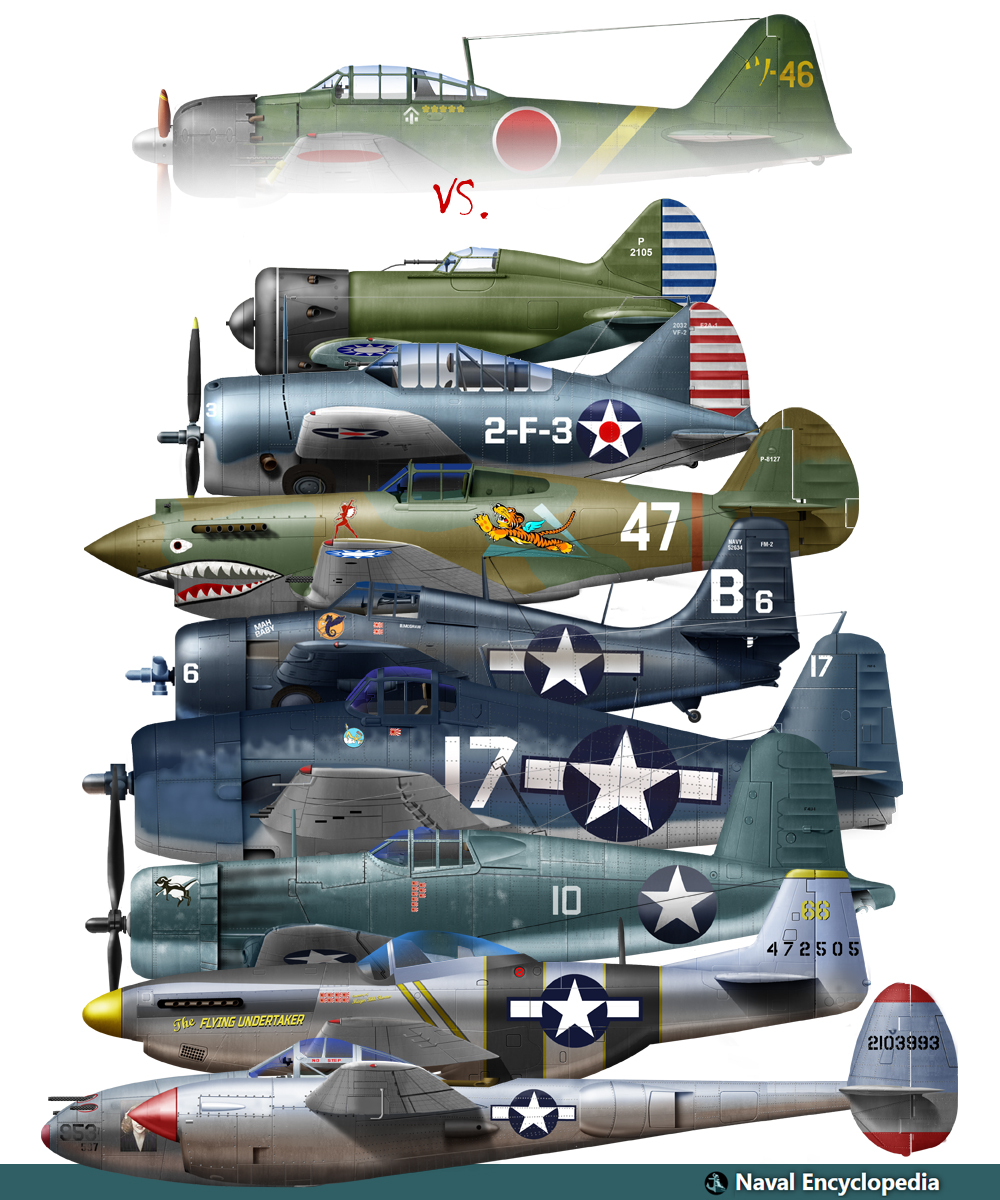
Zeros vs its aversaries
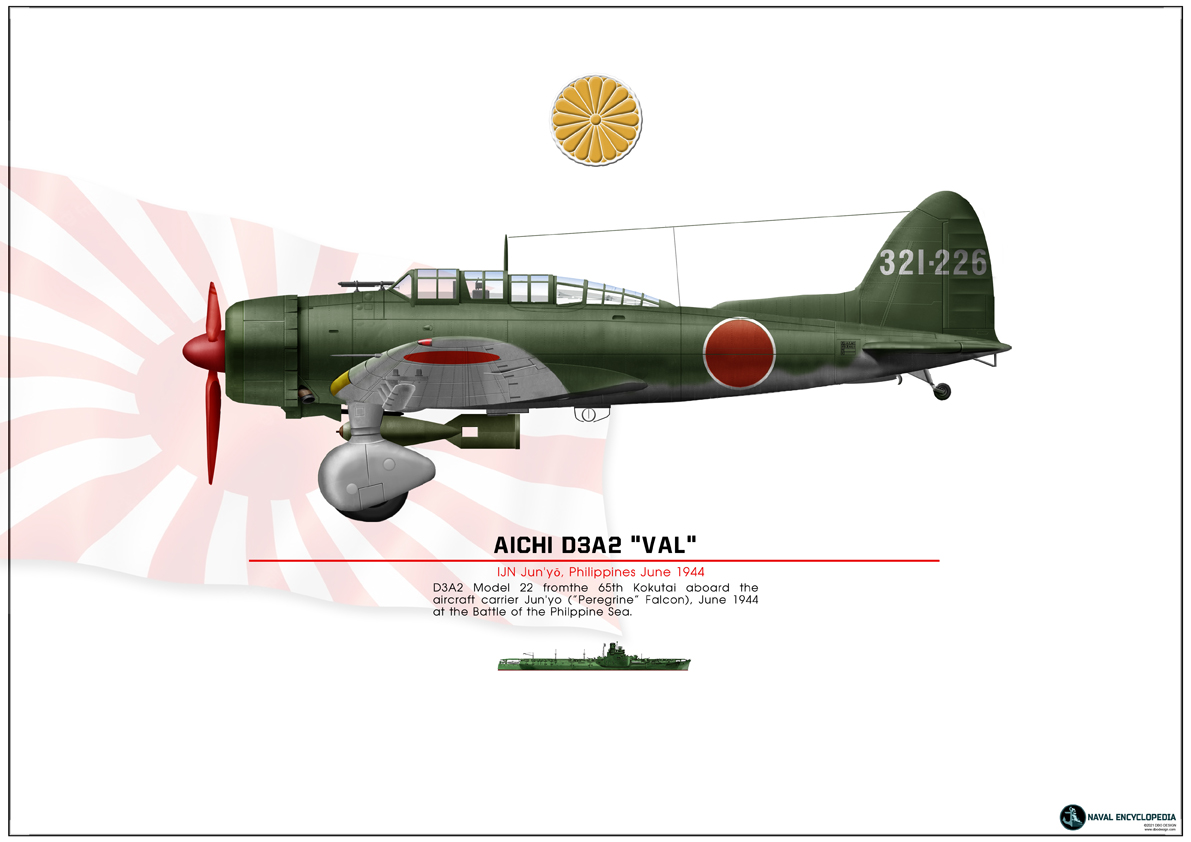
Aichi D3A “Val” Junyo
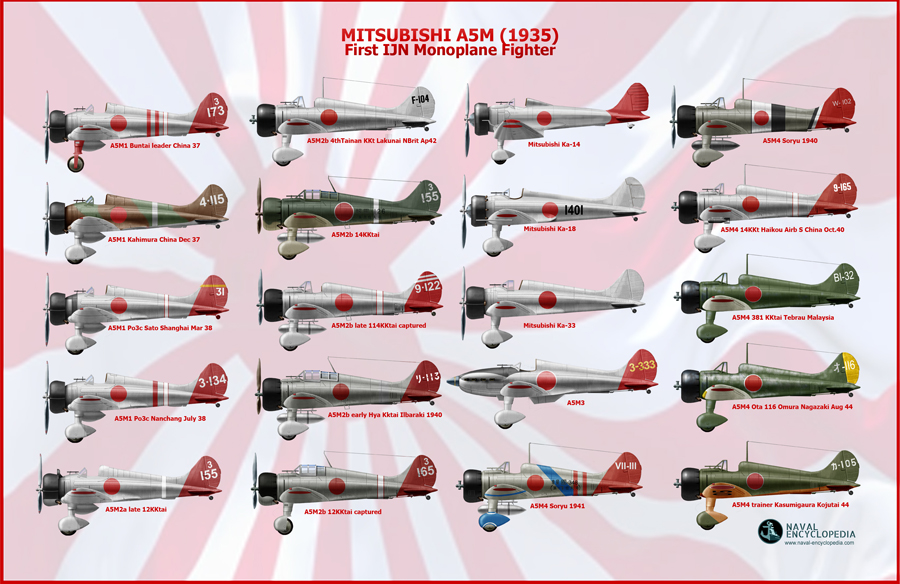
Mitsubishi A5M poster
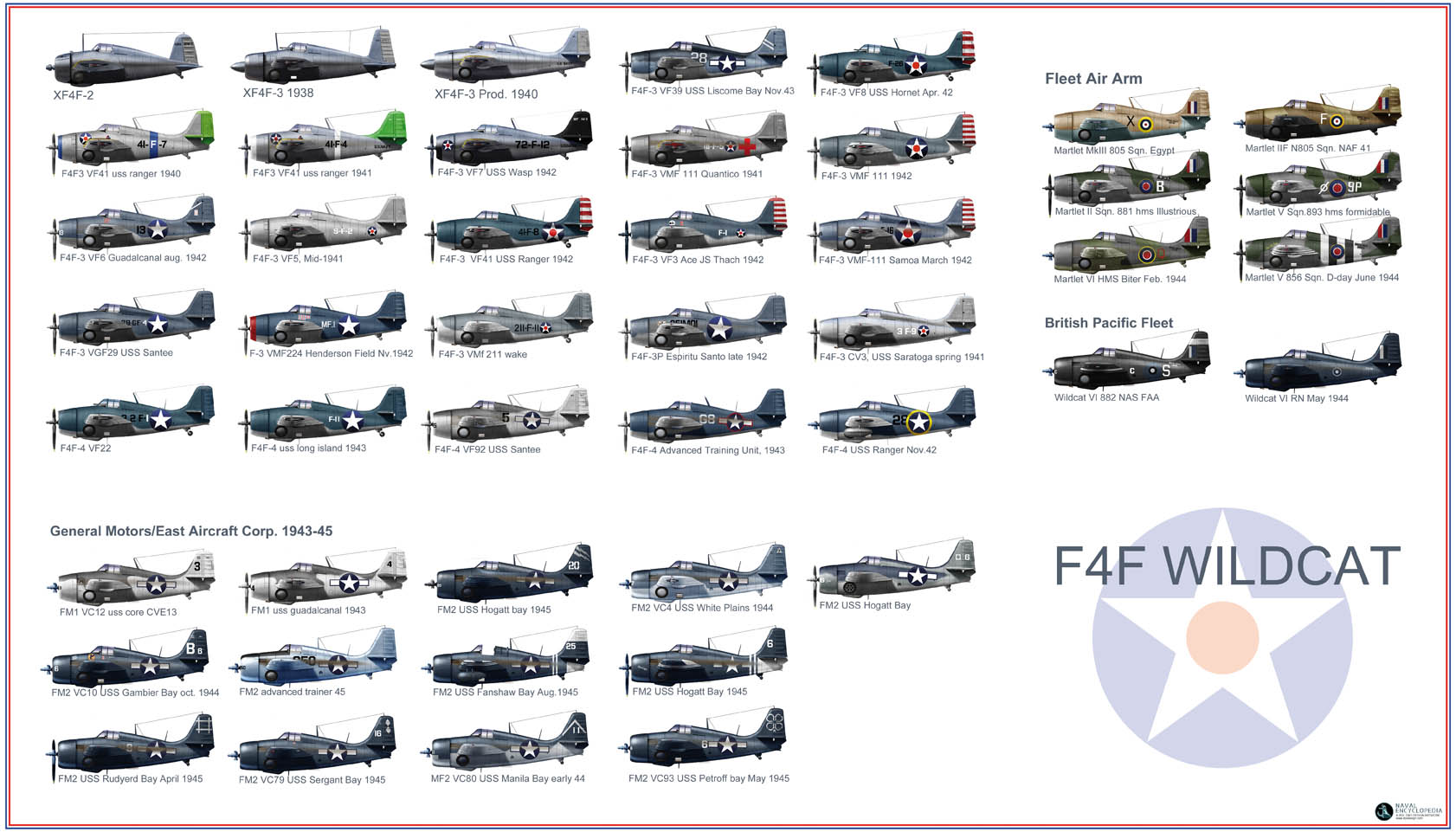
F4F wildcat
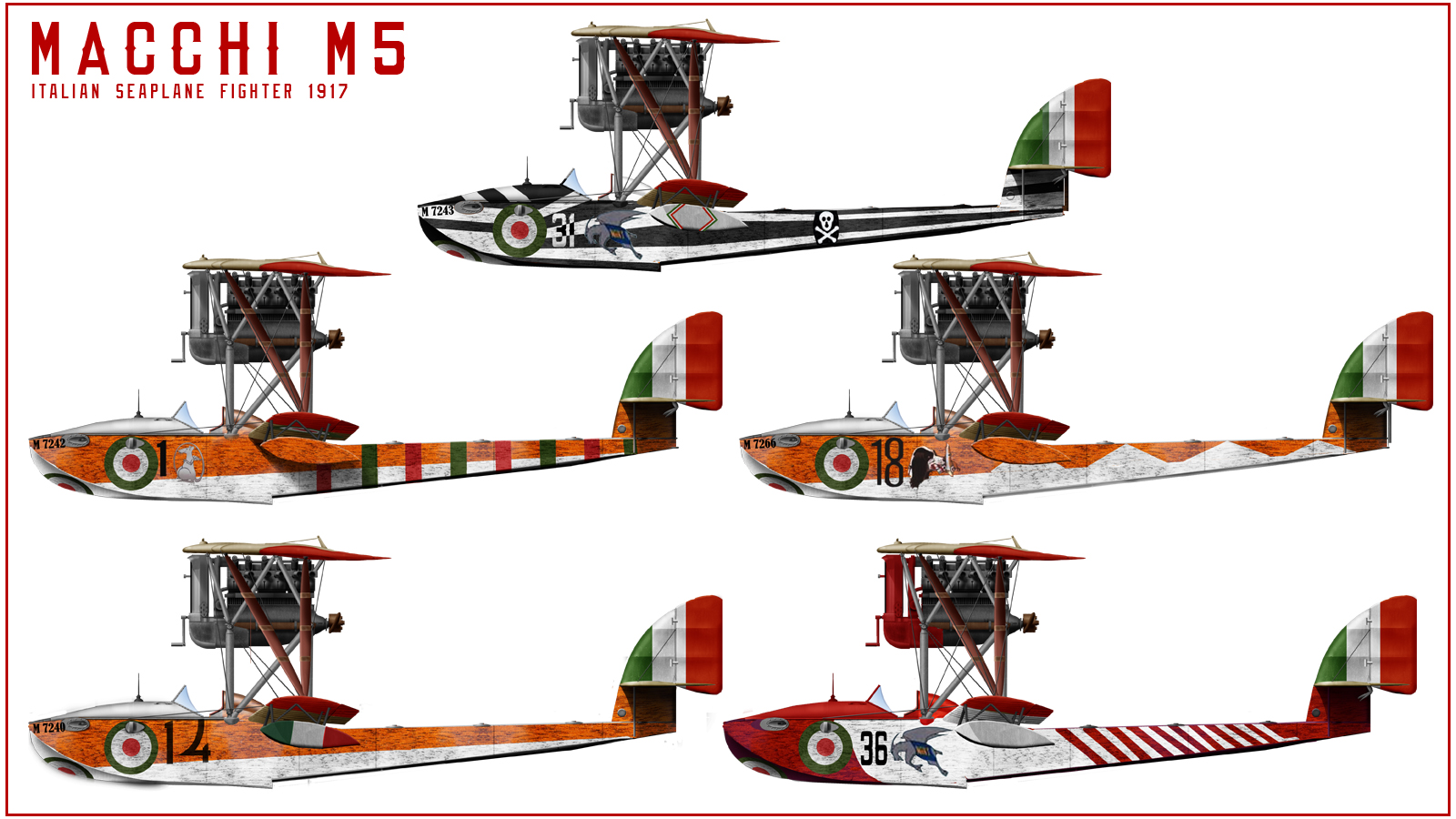
Macchi M5
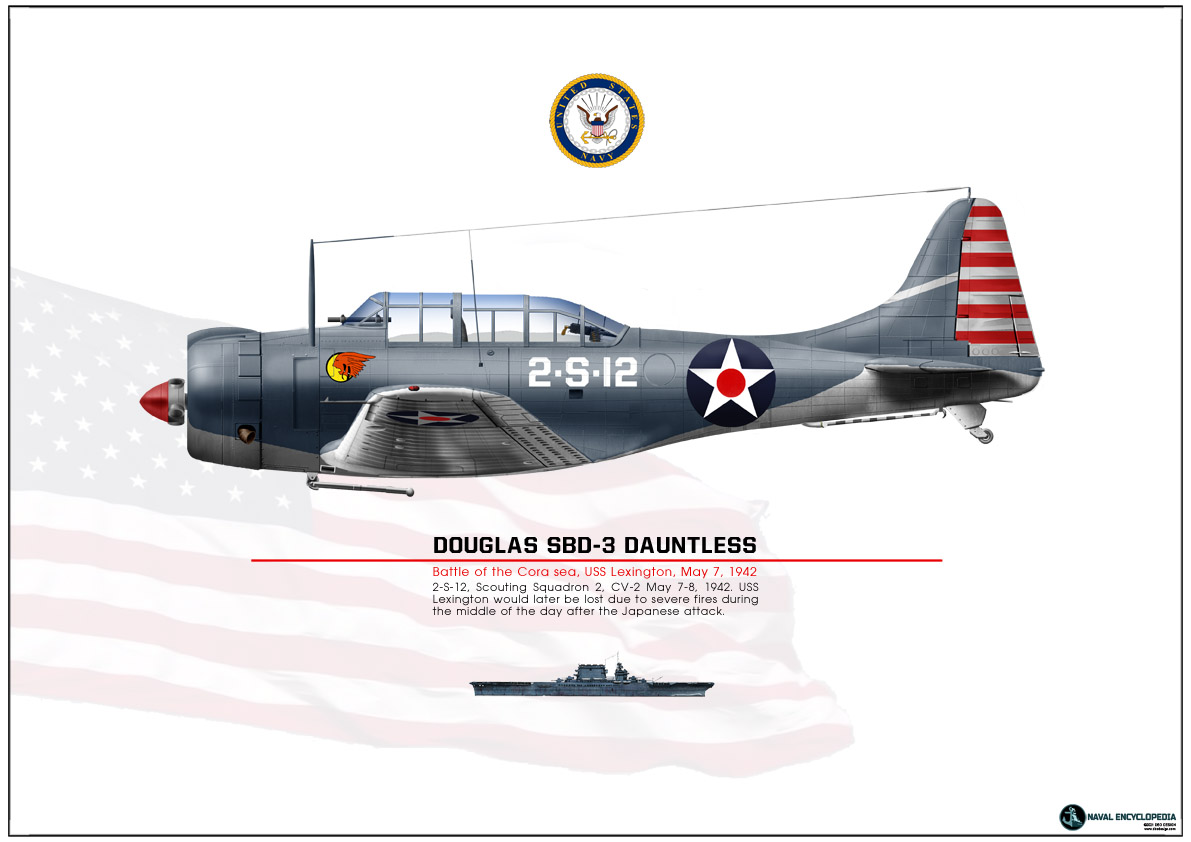
SBD Dauntless Coral Sea
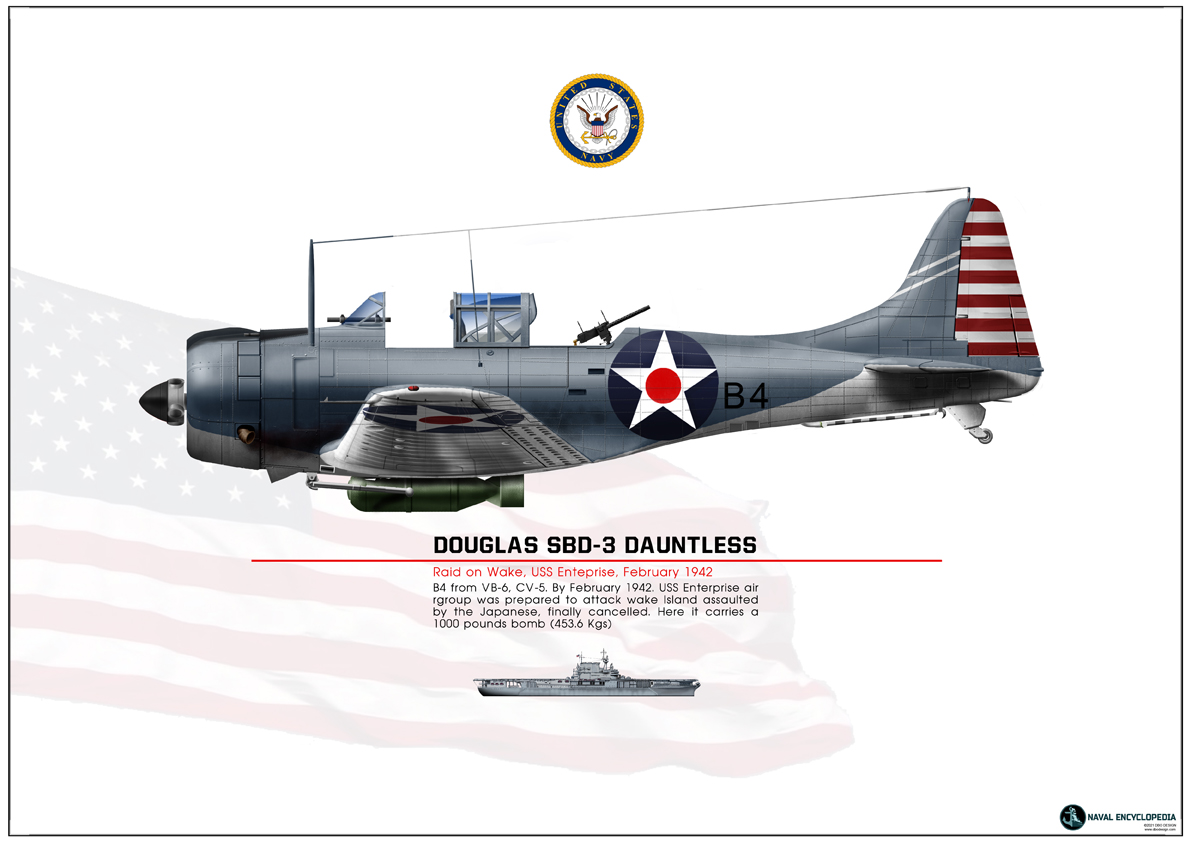
SBD Dauntless USS Enterprise
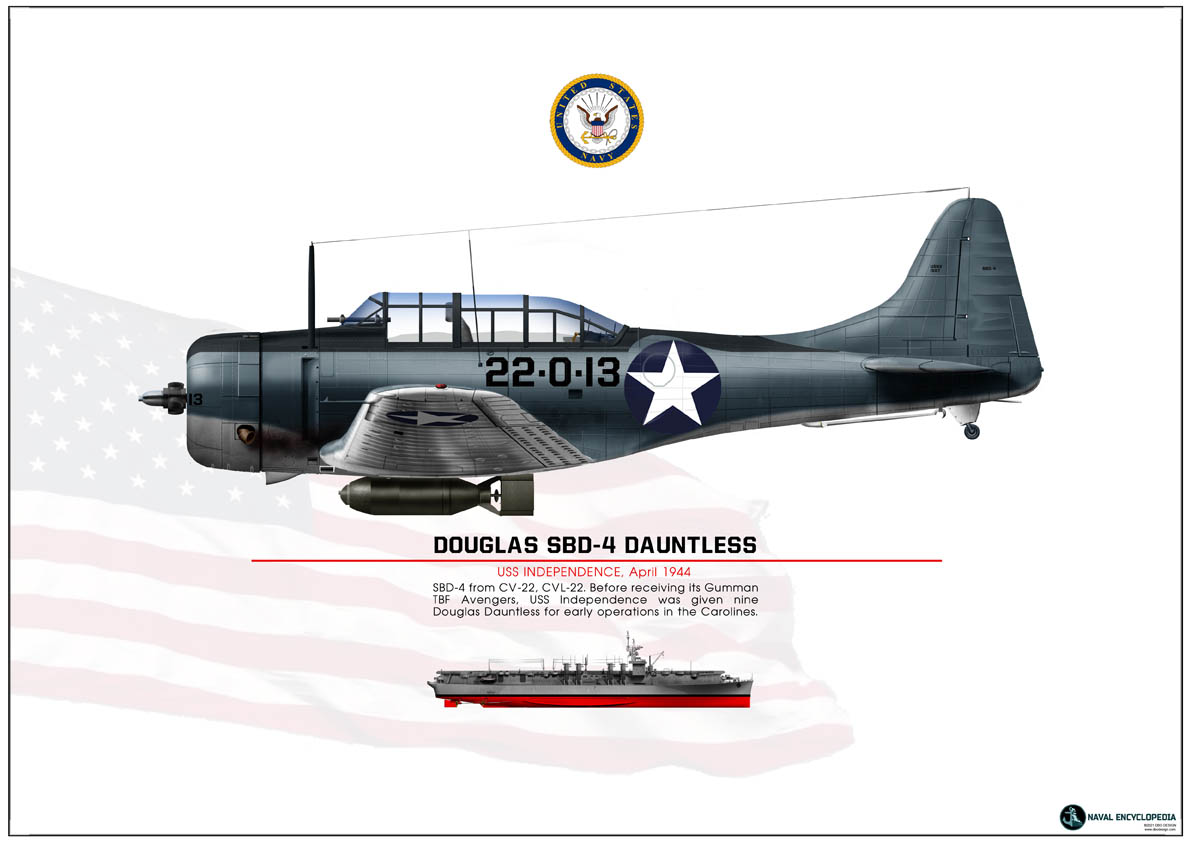
SBD-4 CV22