Junkers Ju-87C
 120 planned, 12 Carrier Dive Bombers total (1938-40).
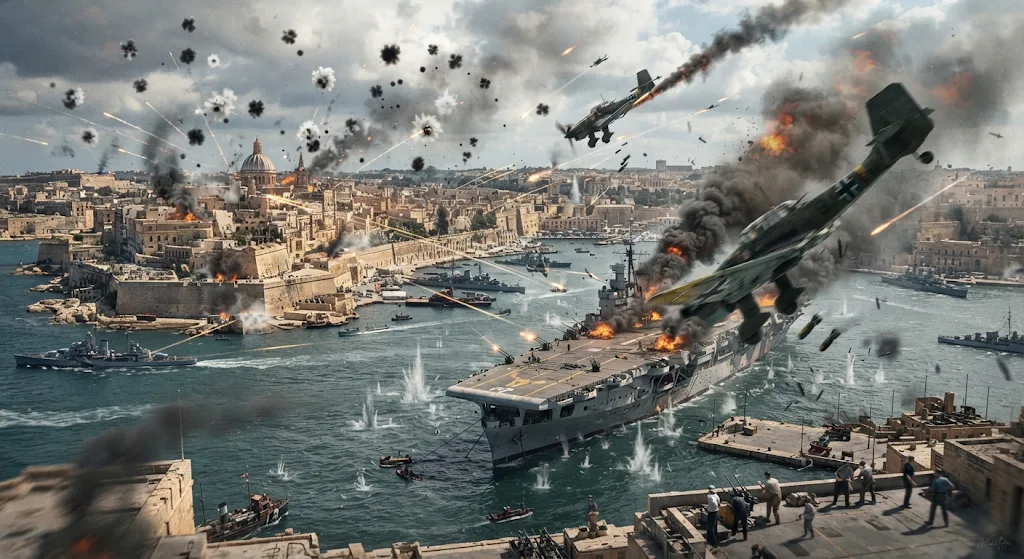
The Junkers Ju-87C "Stuka" (from its full ordnance name, "Sturzkampfflugzeug", lit. "dive bombing aircraft") was the last known of the versions of this legendary aircraft of WW2. When the Kriegsmarine considered three aircraft carriers with plan Z in 1939, the first, KMS Graf Zeppelin was already well advanced in construction. It was to be equipped to be with three models, the Me 109T (Trägerflugzeug) fighter, the Fieseler Fi 167 torpedo/recc model and the "naval stuka", a development of the Ju 87B and fully navalized, called the "Casear" variant. Started in 1938, planned for 120 manufactured, the Ju 87C like the carrier suppoed to operate it was cancelled after some 10 pre-production models and two prototypes.
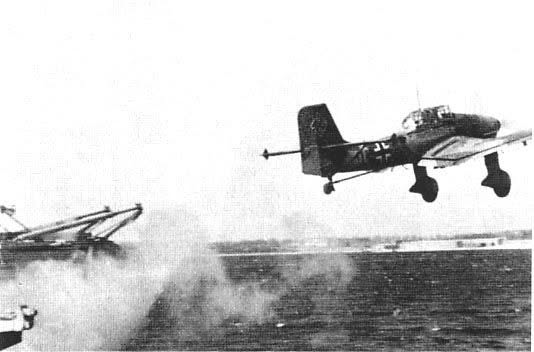
They were also used for carrier landings tests on the Italian Aquila, also nearly completed. However this post is also looking on the long career from Spain to Poland, France, Greece, North Africa and the Eastern Front (its replacement never came past 1942 after the "Dora" Variant) and especially its naval actions, claiming hundreds of thousands of tons of merchant shipping and many warships sunk or badly damaged from Norway to the Channel, the Baltic, and Mediterranean, from Crete to Malta and the Aegean sea. Next stop: The Me 109T.
The Carrier Bomber: Ju 87 "Casear"

Development & Design of the Ju 87C
On 18 August 1937, the RLM ordered development of the Ju 87 Tr(C) for the Graf Zeppelin then under construction. The Ju 87 C was to be a torpedo bomber exclusively used by the Kriegsmarine. A first prototype started testing in January 1938 over two months, in February and until late April 1938 on a modified B1. The next prototype V10 was to be the fixed wing test model. The next V11 had folding wings. Both shared B-0 airframes and had a Jumo 211 A engines. V10 started tests by March 1938, flying first on 17 March. Later it was redesignated Ju 87 C-1. On 12 May the V11 flew in turn and both shared Ju 87 B with equipment proper to the aircraft carrier Graf Zeppelin:Following the failure of the carrier project, they were converted back to the standard Ju 87 B configuration. The prototypes flew before the war: Ju 87 V11 was designated C-0 on 8 October 1938. Carrier & Ditching Gear. Thjey had a tail arrestor hook, catapult attachment fittings or fasteners, a reinforced fuselage, rapid fuel-dump system, explosive bolts to jettison fixed main landing gear before ditching, inflatable flotation bags (wing and fuselage), and a dinghy (see below). Prototypes V10 and V11 (redesignated C-0) flew in spring 1938, followed by an order for 120 Ju 87C-1 aircraft. Orders were canceled in late 1939 and halted in May 1940 in favor of the long-range land-based Ju 87R-1.
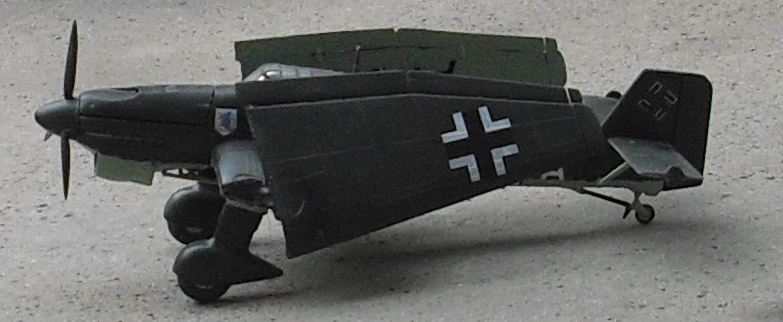
The "Casear" in addition to its tail hook, a catapult connecting gear for launches and reinforcements of the underside. However with its fixed landing gear it was considered sturdy enough for landings and the gull wings provided excellent visibility forward and below. Compared toi the Ju 87B its main wings were shortened in order to use Graf Zeppelin's lifts wings extended if necessary. It was 4 meters wide when the wings were folded, alongside the fuselage with a mechanism inspired by Grummman own system. The prototypes V10 and V11 flew in 1938 and started experimentations for carrier landings on a simulated airstrip, undertaken at Travemunde Proving grounds with a modified Ju 87A. Then the V10 Ju87C arrived and made some 200 landings.
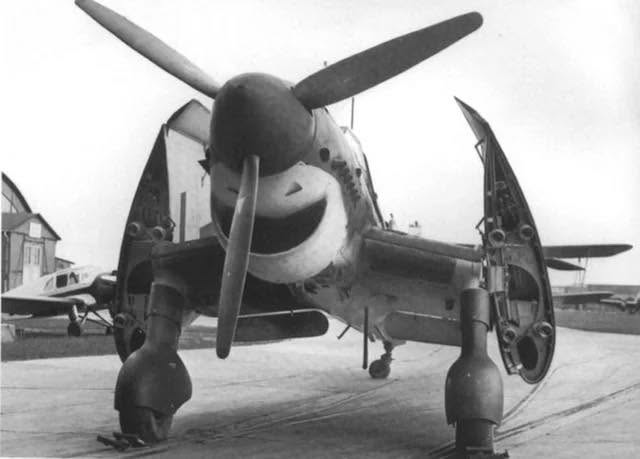
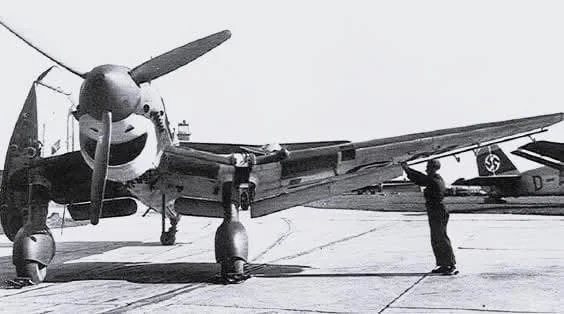
Also to cope with naval conditions, especially in the North Atlantic, the engine was provided with an electric heater, and the engine was not in need to be warmed up before take off, being electrically started. There was also a compressed carbon dioxide gas-powered emergency fuel ump and for water landings, it had explive bolts for quick release of the fixed landing gear, plus compresssed gas-inflatable floatation devices in the main wings and fuselage (watertight compartments and four floatation bags, two inflatable 750 L (200 US gal) bags in each wing and a further two 500 L (130 US gal) bags in the fuselage) to stay afloat. A chamber was built into the fuselage that carried a dingy and survival gear. If the crew had to ditch, the Stuka was designed to remain afloat for a few days, helping protect the crew until they could be rescued.
In Operation

The Ju 87C Stuka was the only one officially attached to the German Navy. This special variant designed to operate off of Germany's aircraft carriers then under construction according to Plan Z prior to the war would have been also used as a torpedo-bomber in addition to a divebomber. A Fieseler 167 was planned as main torpedo carrier. By September 1939, there was already one carrier-borne wing, Trägergruppe 186, formed by the Luftwaffe at Kiel Holtenau, and composed of three squadrons equipped with Bf 109s and Ju 87s. The initial plan was for 120 Ju-87C to be distributed to Kriegsmarine air units, from April 1939. The V10 prototype was first registered D-IHFH then TK+HD W.Nr 4928. V11 had TV+OV W.Nr 4929.
Production started at Weserflug Company's Lemwerder plant between April and July 1940. But on 6 October 1939 already with the war already underway, 120 of the planned Ju 87 Tr(C)s on order were cancelled. Suspension of all work on the carrier later only confirmed the program was terminated, meaning the only ten Ju 87C completed confirmed by production numbers were retained. Their fate was very much linked to the carrier. Much later in 1943, they were believed to had been tested in Italy, on the Carrier Aquila then in completion by late 1943, with photo evidence to back it up. However, the tehn made were stripped of their naval hardware, deployed to land-based units, several used as glider tugs. Other started at the factory, with partially built airframes, were converted into long-range land-based variants Ju 87 R-1. Indeed at Weserflug, production swapped on 18 May 1940 directly to the next R-1.

Back in 1938-39, two prototype were tested ashore using a model of the carrier Graf Zeppelin's arresting gear and catapult system mounted ashore. Tests were used to develop the aircraft as well as refine the carrier's equipment. Testing showed that the Stuka could be brought to a complete stop within 120 feet of 36m. It could also be launched with just over 1500 lbs (680kg) of bombs (One 1100 lb and four 100 lb bombs being the typical load) or a 45cm torpedo. The Ju 87C Stuka variant would have carried slightly less weaponry and had less range compared to contemporary carrier bombers in service with other navies (range perhaps being the biggest weakness). However, it would have retained the exceptional bombing accuracy and rugged construction of the Stuka.
A doomed carrier
 But it did not mattered: At the end, the carrier, was started in December 1936, launched in 1939 and well advanced in 1940. Already Hitler consented to the stop work in April 1940, by decision of Raeder himself, to redirect its naval guns to Norwegian fortifications. So all three carrier aircraft programs were stopped as well. More so, after the Norway campaign, Hitler had so little confidence in the program, the carrier became... a store ship for timber until 1942. Only after the Taranto raid the project was somewhat rebooted, but daunting technical problems remained, and despite Grand some still backing the Project, the Luftwaffe under Göring became growingly reluctant to say the least, and even planned by 1942 for the air group to be completed not before 1946. Sea trials were to take place in August 1943 but allied raids complicated the tasks at hand, and eventually was moved to Gotenhafen, then in Parnitz River close to Stettin, with a care taker crew of 40 on board. On 25 April 1945 after the Soviets entered Stetting kingston valves were open and she sank to the bottom of the river, with the addition of scuttling charges detonating. Various fates are reported afterwards, some that she hit a mine while towed underway by the Soviets, or BU postwar in Leningrad.
Specifications Ju 87C | |
| Crew: | 2 (pilot and rear gunner/radio operator) |
| Length | 11.10 m (36 ft 5 in) |
| Wingspan | 13.20 m (43 ft), 5m folded |
| Wing loading | Unknown |
| Power/mass | 4.01–4.24 m (13 ft 2 in – 13 ft 11 in) |
| Wing area | 31.90 m² (343.4 sq ft) |
| Empty weight | 3,205 kg (7,086 lb) |
| Max TO Weight | 5,840 kg |
| Propulsion | Junkers Jumo 211D series 1200PS |
| Propeller | 3-bladed metal, variable pitch |
| Top speed | 322 km/h (at 4000m) |
| Catapult speed | 133 km/h (82 mph) |
| Service ceiling | 8,100 m (26,575 ft) |
| Rate of climb | Unknown |
| Range | 580 km extensible to 790 km+ (491 mi) with load and tanks |
| Ferry range | 1100 km max with 2x 300L drop tanks, unladen. |
| Gun Armament | 7.92 mm MG 17 wings, 7.92 mm MG 15 rear |
| Bombs | 1x 500 kg (1,100 lb) SC 500, 4x 50 kg (110 lb) SC 50 |
Design of the Stuka, what made it so effective

In 1939, the Sturzkampfflugzeug was already obsolecent with its fixed landing gear. I was slow and cumbersome, and yet, proved to be a major asset in the hands of the German forces. The second best dive bomber, after the Ju-88 and certainly the least assuming, was the FW Hs.123 biplane. The Ju 87 was indeed designed by Hermann Pohlmann, taking over an earlier work with Karl Plauth in response to 1934 German Air Ministry (RLM) dive-bomber requirements, evolving from the Ju A48/K47 testbeds into a rugged, all-metal dive bomber. It first flew in September 1935. The A 48 and military K 47 trials by 1928–1932 proved double vertical tails were ideal both for lateralm stability when diving and for rear-gunner visibility, plus dive-brakes were evaluated. V1 and V2 competed against rivals such as the Henschel Hs 123, Heinkel He 118, and Arado Ar 81. Structural strain on the twin-tail V1 led to a new single vertical fin plus revised dive brakes on V4 by November 1936 folloed by pre-production with the Ju 87A. All the way, there was an Enthusiastic backing from Ernst Udet. The RLM prioritized dive-bombing and pressed introduction in front-line service.
The Ju 87 is unique for several reasons: Its inverted Gull Wings with the inner section sloped downward (12°) then upward (8°) past the fixed undercarriage fairings, to improve pilot and gunner ground visibility and shortening the main landing gear legs for extra strenght and less drag. Construciton called for a duralumin two-spar structure offered strong lift and low-speed handling for with higher drag and limited top speed. Wing-mounted dive brakes controlled steep dive speeds (up to around 600 km/h / 370 mph structural limits) so pilots could aim steadily, paired with an automatic pull-out system to help recover from high-G dives. Pohlmann favored a simple, sturdy fixed undercarriage rather than retractable gear. Later were installed wind-driven sirens ("Jericho trumpets") in early/mid-war versions, instrumental to create a psychological effect during dives, known to comletely demoralize ground troops or civilian alike. Built as a semi-monocoque structure divided into sections (engine, center crew/wing section, rear tail) for durability and transportability, with armor added to vital areas on later models.
This simple design proved adaptable and in addition to its bomb load, later versions like the Ju 87G carried an anti-tank gun. Propaganda made some pilots like Hand-Ulrich Rudel a top ace on the eastern front, credited, with his Ju 87G ("Kanonenvogel"), armed with twin 37 mm underwing cannons, some 519 tanks (claimed, not verified) during his career, including 12 in a single day at Kursk, but also 800 other vehicles, 150 artillery positions, 4 armored trains and even 9 aerial victories. In the naval side he was also credited a Soviet cruiser (the incomplete Petropavlovsk, a donated Hipper class), badly damaging the battleship Marat, sinking the Leningrad class lead destroyer Minsk and some 70 landing crafts. When used against ships, pilots aimed at the funnel, and many experienced pilots were indeed able to place their 500 kgs bomb right through. The deep penetration ensured the ship to be blasted from the inside.
The Ju 87 in naval action
The Junkers Ju 87 Stuka achieved major success in anti-shipping and naval attack roles during World War II, sinking numerous allied warships and merchant vessels.Like the "Slow-But-Deadly" Douglas SBD, the Stuka turned out to be a superb anti-shipping weapon with pilots quickly learning to attack from astern, to easily follow a ship’s evasive actions. They often dived on a ship at a 45- degree angle and fired their machine guns to soften up the AA response, if present, or just observe the impacts hitting the water in front of the bow in order to set the drop more finely, pulling the bomb release. In Peter C. Smith’s book "Junkers Ju 87 Stuka" there were testominies of such Stuka pilots which were very confident in their marksmanship:
“There was very little chance for a merchant ship of any size attacked with this Stuka tactic”
The RAF was at first dismissive of the Stuka, juging it irrelevant after a poor showing in the Battle of Britain. But aless than a year later, afteir gaining a fotthold in the Balkans from May 1941, and the north Africa, the Ju-87s essentially destroyed the Royal Navy’s Mediterranean fleet. RAF Air Marshal Arthur Tedder later said in that order
“Our fighter pilots weep for joy when they see Stukas.”, reassuring Admiral Andrew Cunningham, which HMS Illustrious and its support ships were soon battered so badly by Stukas off Malta that it ended out of action for nearly a year. Stukas did the same, even earlier, in Norway’s waters. They achieved what the Kriegsmarine could not.
Norway (April 1940)
Stukas from Sturzkampfgeschwader 1 attacked British naval forces, scoring dramatic hits against targets like the aircraft carrier HMS Ark Royal. During Operation Weserübung, long-range Ju 87R variants operated over Norwegian fjords against Allied naval forces. Stukas sank the British destroyer HMS Afridi, the French large destroyer Bison, and the Polish destroyer ORP Grom, while heavily damaging the cruisers HMS Suffolk and HMS Curlew. They also destroyed Norwegian ships and were not tender towards the French as well.The English Channel (1940)
Following the fall of France, Stukas targeted British shipping lanes and coastal convoys in the Channel, before high losses to Spitfires and Hurricanes forced their withdrawal. That withdrawal was however from daylight raids over Britain, but Stukas targeted Allied evacuations and Channel convoys ("Kanalkampf"). In the Dunkirk Evacuation, Ju 87s were on a rampage, sinking the French destroyers Bourrasque and L'Adroit, British destroyer HMS Grenade, and several troop transports. In the Channel Convoys by July–August 1940, in a four-week offensive, Stukas sank over 40,000 tons of merchant shipping and three British destroyers, HMS Brazen, Codrington, and Delight, even temporarily halting daytime British merchant traffic through the Strait of Dover.Malta
The Junkers Ju 87 B Stuka was a match in heaven for the aircraft carrier in WW2, its most effective asset by far, but also paradoxically its greatest enemy when coming from the other side. Created for pin-pointing bombing missions against land targets it proved equally adept against Allied naval vessels when deployed by both the Luftwaffe and the Regia Aeronautica in the Med. Both set at the top of theoir priority list British aircraft carrier. Despite their gun protection ('pompoms') and fighters these ships resented large, flat, irresistible targets for determined and experienced Stuka aces. The Luftwaffe tries to stop British naval intervention in Malta and Crete. There, dramatic actions of Luftwaffe's St.G 1, St.G 2 and the Regia Aeronautica's 237° Squadriglia against Illustrious in Malta harbor became the stuff of legend:
On January 10, 1941, Ju 87 Stukas from X. Fliegerkorps—led by Paul-Werner Hozzel fell on the armoured aircraft carrier HMS Illustrious during its deployment in Operation Excess in the Mediterranean. Despite taking six direct bomb hits and suffering severe damage, Illustrious survived and reached Malta's Grand Harbour that night. The attack comprised Waves of 24–36 Ju 87B Stukas alongside other Axis aircraft such as Ju 88s and Italian SM.79s. It happened roughly 60 miles west of Malta. The six bombs which hit the carrier, plus additional near-misses, igniting fierce hangar fires and wrecking lifts, radar, and the wardroom. Hits near the aft lift well knocked out steering gear, forcing the crew to steer using engines and cutting speed to around 15 knots. When limping into Malta, Illustrious had 126 officers and men killed and 91 wounded, with 9 Fairey Swordfish and 5 Fairey Fulmars destroyed.
On the other hand, the choice made before the war by the British admiraklty to trade the air group for an Armoured Deck and hangar Protection paid off: They prevented heavy bombs from penetrating deep into her vitals, while Captain Denis Boyd chose not to flood magazines. Crewmen battled fires and flooding as the carrier listed and entered Grand Harbour at 21:04 on January 10, enduring further air raids while moored in harbour before undergoing major repairs. Now the axis knew the carrier was stuck in Malta in repairs, more attacks were planned. In the end this forced her out of the Mediterranean for major repairs in the U.S. There, it attracted major interests from Admirak King and the naval staff, and this was a factor in the level of protection chosen for the next Midway class fleet carriers started with the Bureau of Ships Navy Dept CV13 Damage Report.
Mediterranean & Aegean Seas (1941–1943)

The Mediterranean was the Stuka's premier maritime hunting ground, largely under the command of Fliegerkorps X (a specialized anti-shipping corps transferred from Norway). After nearly destroying Illustrious in Operation Excess off Sicily. In the Battle of Crete & Malta Convoys (1941–1942), Stukas sank the cruisers HMS Gloucester, HMS Fiji, and HMS Calcutta, along with numerous destroyers (such as Kelly, Kashmir, and Greyhound) and merchant ships during the evacuation of Crete and the siege of Malta. Groups like I./StG 3 engaged in intense aerial and naval battles near Rhodes, sinking Royal Navy destroyers and damaging cruisers. In the Dodecanese Campaign by Autumn 1943, Aegean Sea, Ju 87s sank the British destroyer HMS Panther and heavily damaged the cruiser HMS Carlisle off Rhodes on October 9, 1943, helping secure the last major German victory of the war. Pilots executed near-vertical dives to target the lightly armored upper decks of warships with high precision.Sirens: Ram-air "Jericho Trumpet" sirens sounded during dives to break enemy morale and provide speed feedback. But slow speeds made Stukas easy targets for fast enemy fighters when air superiority was lost.
Baltic Sea & Eastern Front (1941–1944)
Operating over the Gulf of Finland and the Black Sea, Stukas attacked Soviet naval bases and supply vessels. Soviet Battleship Marat (September 23, 1941): During raids on Kronstadt harbor near Leningrad, Oberleutnant Hans-Ulrich Rudel scored a direct hit with a 1,000 kg armor-piercing bomb on the battleship Marat, detonating its forward magazine, blowing off its bow, and sinking it at its moorings. Black Sea: Ju 87s sank several Soviet destroyers (including Bezuprechny and Bditelny) and cruisers during the sieges of Odessa and Sevastopol. Based in northern Norway (Kirkenes and Banak), Stukas attacked Allied supply convoys bound for Murmansk, notably contributing to the destruction of Convoy PQ 17 in July 1942.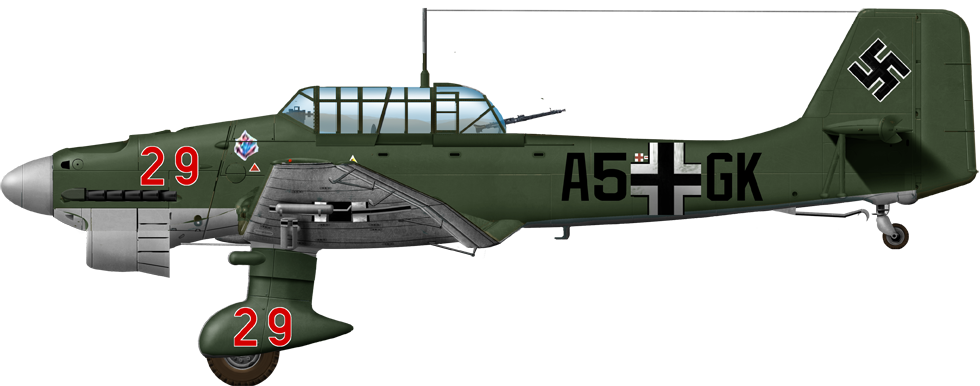
Ju 87C in a possible livery for KMS Graf Zeppelin 1942 if commissioned as planned.
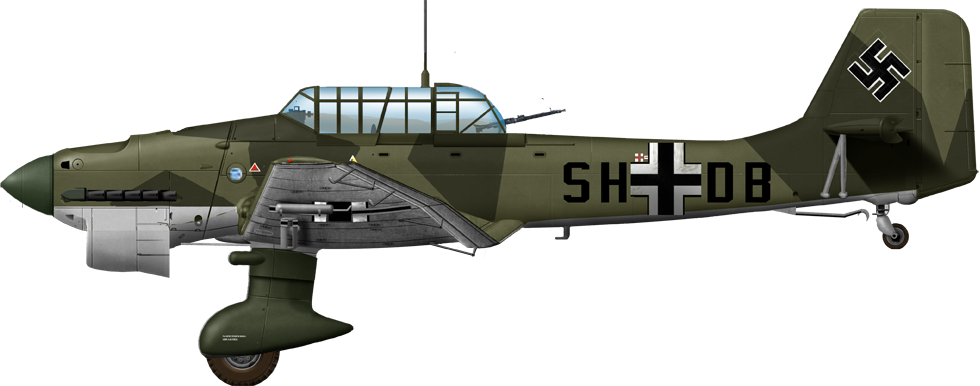
Ju 87C used for take off and landing trials on the carrier Aquila in the summer of 1943.
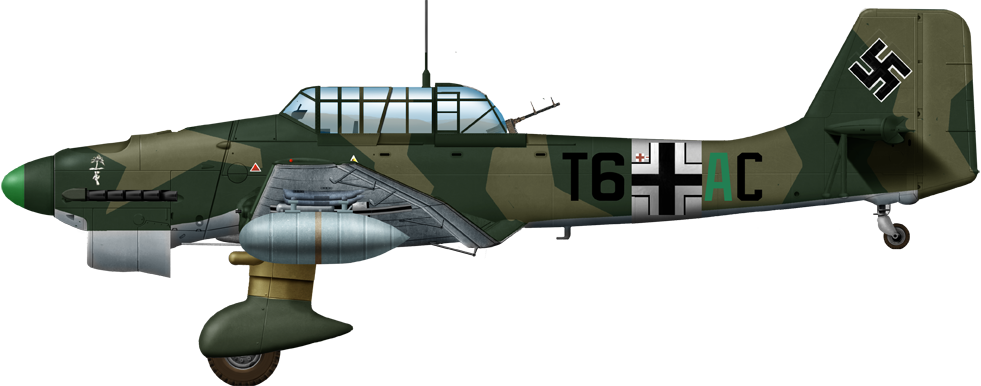
Stuka R1 from StG1 over Malta 1942
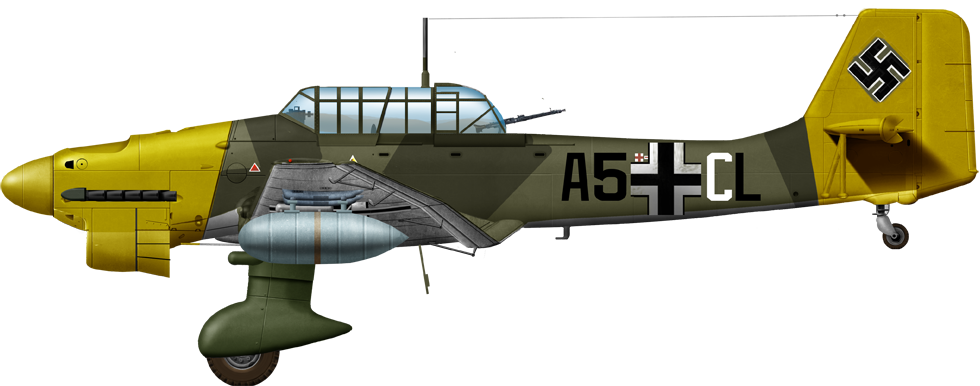
Stuka R2 from 3/StG1 stationed in Argos May 1941, Battle of Crete


Sources
ww2wrecks.comairforcetimes.com
de.wikipedia.org/wiki/Junkers_Ju_87
reddit.com
nevingtonwarmuseum.com
key.aero
forum.axishistory.com
scalemates, hasegawa kit of the Ju 87C
Ju 87 Stuka vs Royal Navy Carriers, Robert Forsyth, Jim Laurier
- Lohner E (1913)
- Macchi M3 (1916)
- Macchi M5 (1917)
- Macchi M7 (1918)
- Ansaldo ISVA (1918)
- Short S.38 (1912)
- Sopwith Baby (1916)
- Short 184 (1916)
- Fairey Campania (1917)
- Sopwith Cuckoo (1917)
- Felixstowe F.2 (1917)
- Gotha WD.2 (1914)
- Friedrichshafen FF 33 (1916)
- Hansa-Brandenburg KDW
- Albatros W4 (1916)
- Albatros W8 (1918)
- Hanriot HD.2
- Grigorovich M5 (1915)
- Grigorovich M9 (1916)
- Grigorovich M11 (1917)
- IJN Farman MF.7
- IJN Yokosho Type Mo
- Yokosho Rogou Kougata (1917)
- Yokosuka Igo-Ko (1920)
- Curtiss N9 (1916)
- Curtiss H4 (1916)
- Curtiss H12 (1917)
- Curtiss H16 (1918)
- Aeromarine 39
- Vought VE-7
- Douglas DT (1921)
- NAF/Curtiss TS-1 (1922)
- Boeing FB.5 (1923)
- Boeing F4B (1928)
- Vought O2U/O3U Corsair (1928)
- Grumman FF (1931)
- Akron class airships (1931)
- Curtiss F9C Sparrowhawk (1931)
- Curtiss F11C Goshawk (1932)
- Curtiss BF2C Goshawk (1933)
- Blackburn Blackburn (1922)
- Supermarine Seagull (1922)
- Fairey Flycatcher (1923)
- Hawker Horsley (1925)
- Blackburn Ripon (1926)
- Fairey IIIF (1927)
- Fairey Seal (1930)
- LGL-32 C.1 (1927)
- Wibault 74 (1929)
- Fokker T.II (1921)
- Fokker T.III (1923)
- Caspar U1 (1921)
- Dornier Do J Wal (1922)
- Rohrbach R-III (1924)
- Mitsubishi 1MF (1923)
- Mitsubishi B1M (1923)
- Yokosuka E1Y (1923)
- Nakajima A1N (1927)
- Nakajima E2N (1927)
- Mitsubishi B2M (1929)
- Nakajima A2N (1930)
- Nakajima A4N (1935)
- CANT 18 (1926)
 Interwar Norway
- Marinen Flyg. M.F.5 (1918)
WW1
✠ K.u.K. Seefliegerkorps:
 Italian Naval Aviation
 RNAS
 Marineflieger
 French Naval Aviation
 Russian Naval Aviation
 IJN Air Service
 USA
Interwar
 Interwar US
 Interwar Britain
 Interwar France
 Interwar Netherlands
 Interwar Germany
 Interwar Japan
 Interwar Italy
- Grumman F2F (1933)
- Curtiss SOC seagull (1934)
- Grumman F3F (1935)
- Northrop BT-1 (1935)
- Consolidated PBY Catalina (1935)
- Grumman J2F Duck (1936)
- Brewster/NAF SBN-1 (1936)
- Curtiss SBC Helldiver (1936)
- Vought SB2U Vindicator (1936)
- Brewster F2A Buffalo (1937)
- Douglas TBD Devastator (1937)
- Vought Kingfisher (1938)
- Curtiss SO3C Seamew (1939)
- K-class Blimps (1939)
- Douglas SBD Dauntless (1939)
- Grumman F4F Wildcat (1940)
- F4U Corsair (NE) (1940)
- Brewster SB2A Buccaneer (1941)
- Grumman TBF/TBM Avenger (1941)
- Consolidated TBY Sea Wolf (1941)
- Grumman F6F Hellcat (1942)
- Curtiss SB2C Helldiver (1942)
- Curtiss SC Seahawk (1944)
- Grumman F7F Tigercat (1944)
- Grumman F8F Bearcat (1944)
- Ryan FR-1 Fireball (1944)
- Douglas AD-1 Skyraider (1945)
- Fleet Air Arm
- Hawker Osprey (1932)
- Fairey Swordfish (1934)
- Blackburn Shark (1934)
- Supermarine Walrus (1936)
- Fairey Seafox (1936)
- Blackburn Skua (1937)
- Short Sunderland (1937)
- Blackburn Roc (1938)
- Fairey Albacore (1940)
- Fairey Fulmar (1940)
- Grumman Martlet (1941)
- Hawker sea Hurricane (1941)
- Brewster Bermuda (1942)
- Fairey Barracuda (1943)
- Fairey Firefly (1943)
- Grumman Tarpon (1943)
- Grumman Gannet (1943)
- Supermarine seafire (1943)
- Blackburn Firebrand (1944)
- Hawker Sea Fury (1944)
- Coastal Command
- Vickers Wellington (1937)
- IJN aviation
- Yokosuka E6Y (1930)
- Aichi D1A "Susie" (1934)
- Mitsubishi A5M "Claude" (1935)
- Nakajima A4N (1935)
- Yokosuka B4Y "Jean" (1935)
- Mitsubishi G3M "Nell" (1935)
- Nakajima E8N "Dave" (1935)
- Kawanishi E7K "Alf" (1935)
- Nakajima B5N "Kate" (1937)
- Kawanishi H6K "Mavis" (1938)
- Aichi D3A "Val" (1940)
- Mitsubishi G4M "Betty" (1940)
- Mitsubishi A6M "zeke" (1940)
- Nakajima E14Y "Glen" (1941)
- Nakajima B6N "Jill" (1941)
- Mitsubishi F1M "pete" (1941)
- Aichi E13A Reisu "Jake" (1941)
- Kawanishi E15K Shiun "Norm" (1941)
- Nakajima C6N Saiun "Myrt" (1942)
- Yokosuka D4Y "Judy" (1942)
- Kyushu Q1W Tokai "Lorna" (1944)
 Luftwaffe
- Heinkel 114 (1935)
- Arado 196 (1937)
- Junkers 87C (1938)
- Me109 T (1938)
- Blohm & Voss 138 Seedrache (1940)
 Italian Aviation
- Savoia-Marchetti S.55
- IMAM Ro.43/44
- CANT Z.501 Gabbiano
- CANT Z.506 Airone
- CANT Z.508
- CANT Z.511
- Caproni CA.316
- CANT Z.515
 French Aeronavale
- GL.300 (1926-39)
- CAMS 37 (1926)
- Levasseur PL.5 (1927)
- Potez 452 (1935)
- Loire 210 (1936)
- Loire 130 (1937)
- LN 401 (1938)
 Soviet Naval Aviation
- Shavrov SH-2 (1928)
- Tupolev TB-1P (1931)
- Beriev MBR-2 (1930)
- Tupolev MR-6 (1933)
- Tupolev MTB-1 (1934)
- Beriev Be-2 (1936)
- Polikarpov I16 naval (1936)
- Tupolev MTB-2 (1937)
- Ilyushine DB-3T/TP (1937)
- Beriev Be-4 (1940)
 Swedish Naval Aviation
- SAAB B17S
-
 Skoda Š-328V
 R-XIII Idro
 Fokker C.XI W (1934)
 Rogožarski PVT-H (1938)
WW2
 ☍ USNA
- De Havilland Sea Vixen
- Hawker Sea Hawk
- Supermarine Scimitar
- Blackburn Buccaneer
- Hawker Sea Harrier
- Douglas A4 Skyhawk
- Grumman F9F Panther
- Vought F8 Crusader
- McDonnell-Douglas F-4 Phantom-II
- North Am. A5 Vigilante
- TU-142
- Yak 38 forger
☢ Cold War
✧ NATO
Fleet Air Arm
 US Navy
☭ Warsaw Pact
Merch
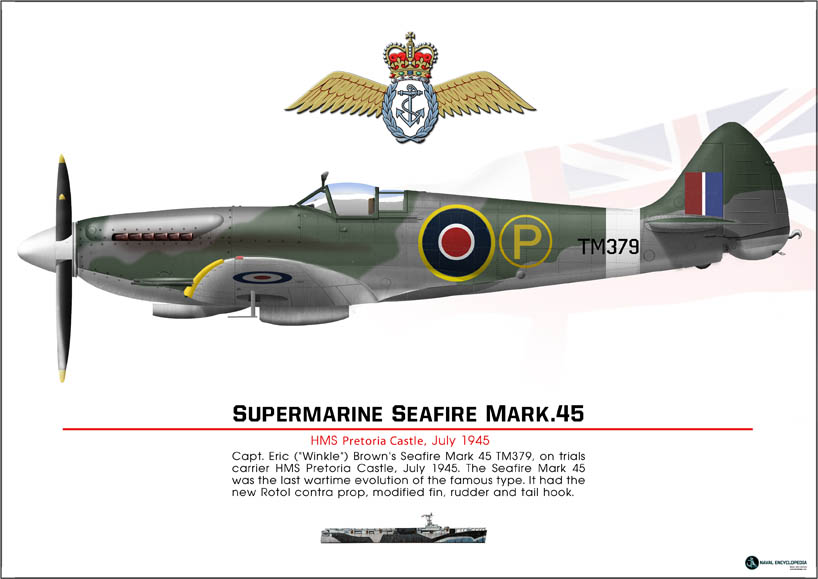
Seafire Mark 45; HMS Pretoria Castle
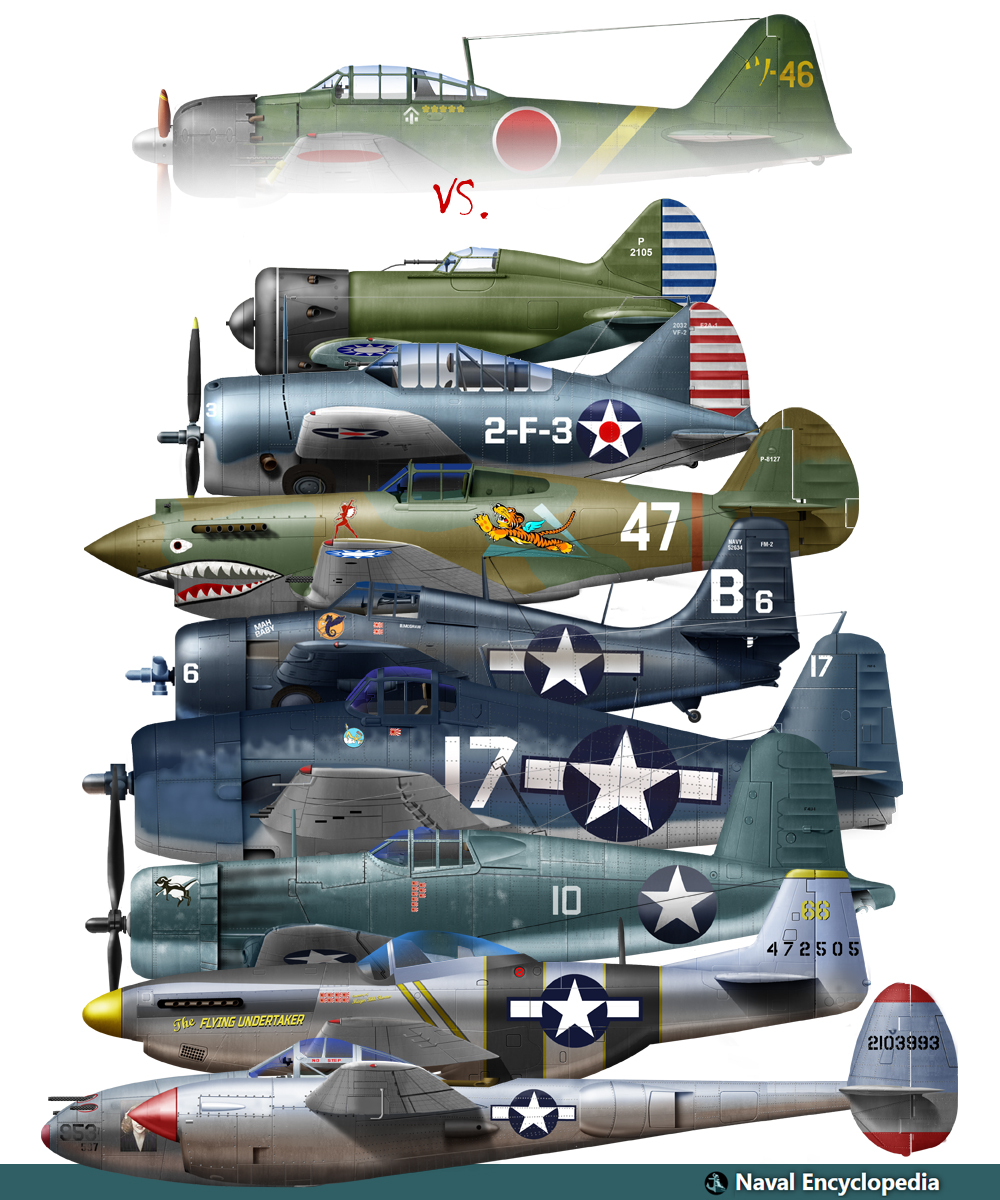
Zeros vs its aversaries
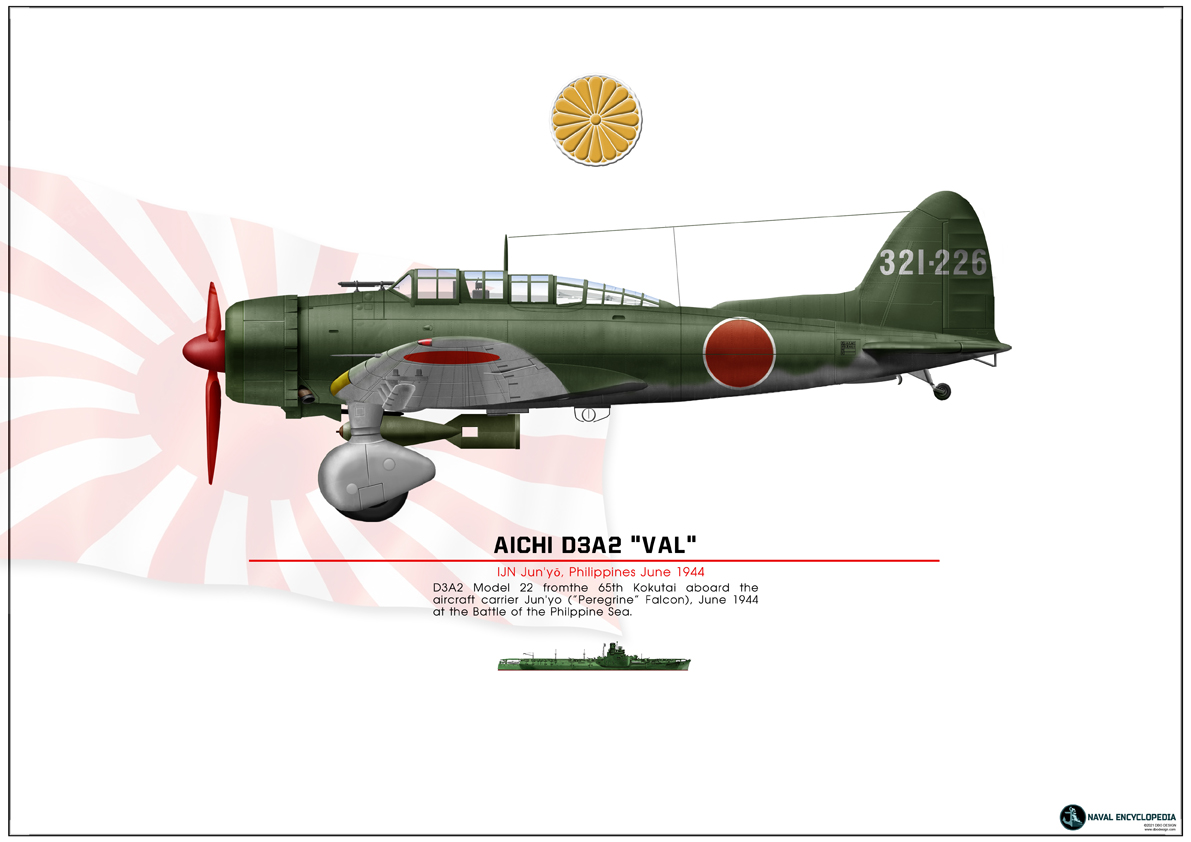
Aichi D3A “Val” Junyo
Mitsubishi A5M poster
F4F wildcat
Macchi M5
SBD Dauntless Coral Sea
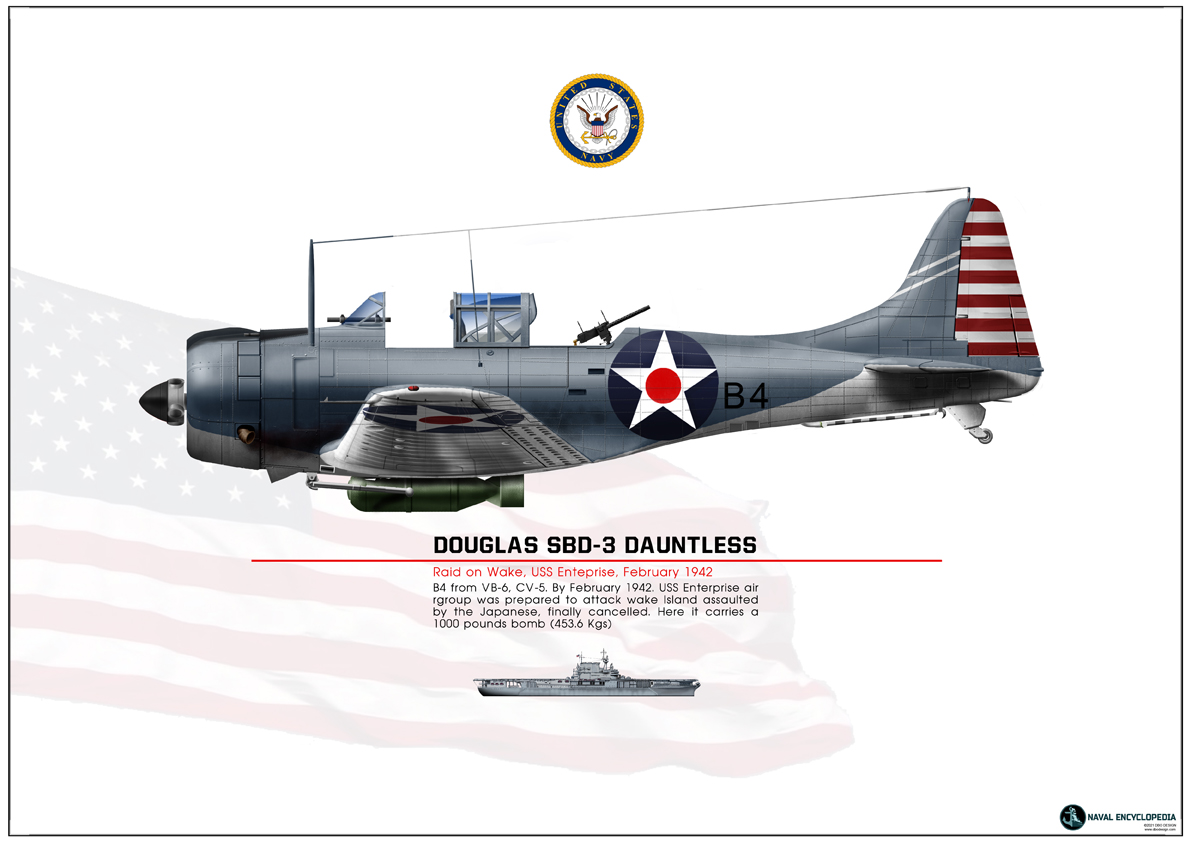
SBD Dauntless USS Enterprise
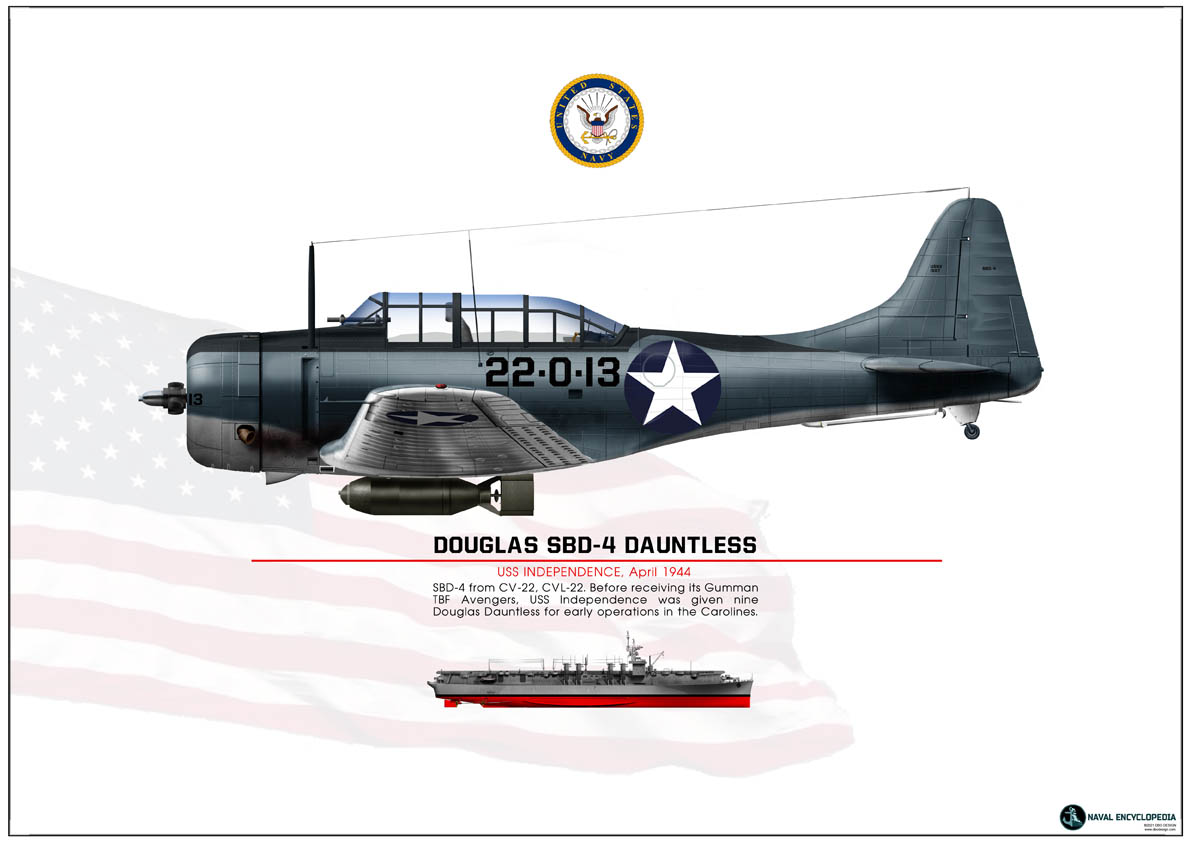
SBD-4 CV22