Fiat CR.20 Idro (1928)
 Italy - Regia Aeronautica
Floatplane Fighter, 46 produced 1928-30.
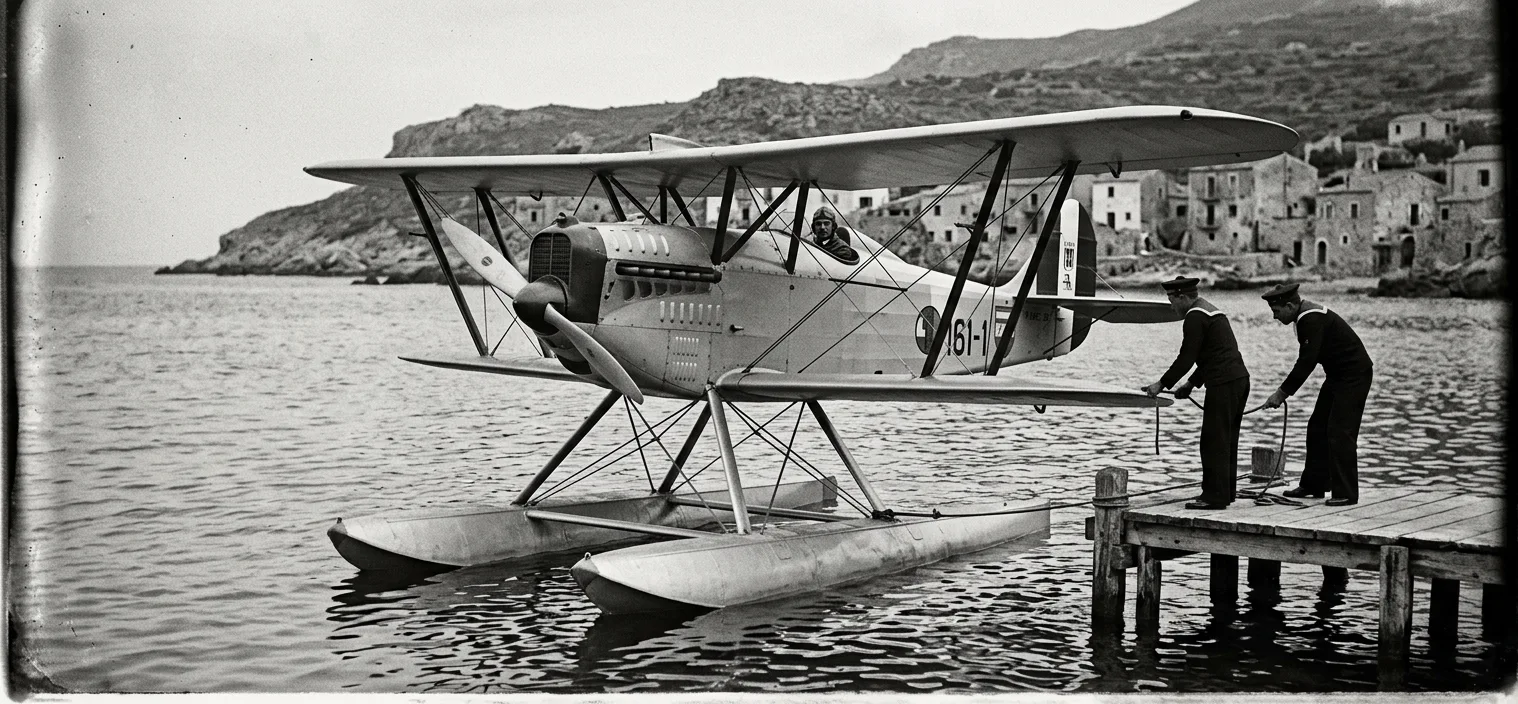
Development and Design
The question of naval interception, meaning seaplane fighters, was developed in WW1 when several belligerents estimated they were not well covered by land-based aviaton on coastal areas, at the fringe between air force and navy responsibility. In Britain, the RNAS was responsible, but had a limited choice of naval fighters (like the Sopwith Baby), when in Germany it was fully embraced by the Kaiserliches Marine through the Marine-Fliegerabteilung's numerous models. Japan did the same in the Interwar. In Italy, the need for interceptors over the Adriatic led Macchi to develop until 1918 and beyind a family of brilliant flying boats, agile enough to perform both reconnaissance and air-to-air combat patrols. There was a debate postwar about the primacy of flying boats over floatplanes for that type of missions. Some argued that a flying boat would always be superior due to fuselage shape, despite its specialization to land on water and weight, over floatplane conversions as the latter brought a lot of drag.FIAT enters the conversation
Still in the 1920s, FIAT, which provided none of Regia Aeronautica's squadrons in WW1, wanted to develop its aviation branch and get lucrative army contracts. In the great war, apart allied models, Nieuports, SPAD and Hanriots, the bulk of frontline units were provided by Ansaldo, with its good Balilla, and follow-up national company S.V.A. Macchi as seen above dominated the game as far as naval fighters went and Caproni dominated the bomber branch. However in 1919 the rules of the game changed. Lucrative army contracts expired, entire series were cancelled, and the companies unable to transition towards a much more meagre and developing civilian market, would go under.
FIAT, the industrial giant of Turin, had the financial strenght to resist the transition and was willing to fill the gap of faltering wartime aviaiton companies, based on scale economics and its massive network. And thus, the aviation branch of the company, created at Collefero in 1912 (Now Avio), limited itself until then producing aero engines for the Italian aviation, all inline, water cooled engines. The FIAT A10 was one of these, with 1700 made in 1914-15 alone. The company changed status again in 1916 and 1918 but never embarked in the construction of a full model. It had to wait postwar years ans a very special designer: Celestino Rosatelli.
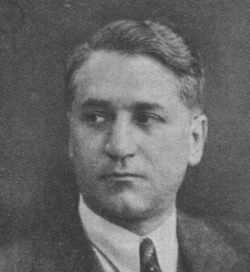 A native of Rieti, fresh from university, he was hired in 1918. Before that, setting aside his passion for bridges, Rosatelli was assigned to the Technical Directorate of the Military Aviation service in Turin with the rank of second lieutenant, worked on the 1916 design of the S.V.A. fighter alongside Umberto Savoia and Verduzio and in 1917 with Ansaldo. His reputation as a designer began to attract attention with Senator Giovanni Agnelli requesting, securing his trabsfer from the General Staff to the Technical Directorate of the Fiat Aviazione design office. His first project for Fiat was the Fiat R.2 reconnaissance aircraft, followed by the B.D. two-seat biplane bomber.
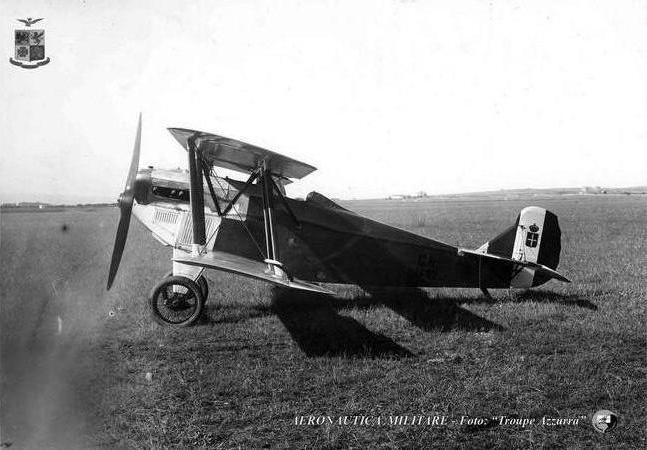
Then, to replace the Nieuport 29 in service with the Regia Aeronautica, he started to work on the first company's fighter. Initially two prototypes designated FIAT C.R., registered as MM.1 and MM.2, respectively and differing in the engine cowlings and rudders shapes, were made. First flown in 1923, the C.R. proved faster and more maneuverable than the competing SIAI S.52, albeit with a slower rate of climb. After flight tests, the FIAT CR biplane was selected for production as the C.R.1. Several variants featuring modified propulsion followed, the C.R.2, C.R.5, and C.R.10, none entering production. 250 Fiat CR.1 were produced, filling all frontline fighter squadrons in Italy. Its major issue was that it flew with a Hispano-Suiza Type 42 V8, not a Fiat aero engine. Radials were also tested as seen above, like the Armstrong Siddeley Lynx, Alfa-Romeo Jupiter, and at last the V-12 Fiat A.20 which led to the CR.10, never produced, but allowing further development on Schneider cup race flying boats. The company also attempted to convert the "CR.10" into a floatplane fighter, designated the CR.10 Idro, but this proved unsuccessful.
Success Story: The CR.20
 The CR.1 was the first fighter from Fiat and it attracted attention. The Lettonian air force (Latvijas Gaisa Spēki) purchased it and it remained amazingly in service until 1936, when in Italy, it remained active until 1934-35, even 1937 in the 163th Squadriglia at Rodi. FIAT facilities were not large enough for the order and 40 were made at the Officine Ferroviarie Meridionali di Napoli (Industrie Meccaniche Aeronautiche Meridionali SpA) and 100 at SIAI-Marchetti. But this was still a stunning success in the most challenging and prestigious type of aircraft.
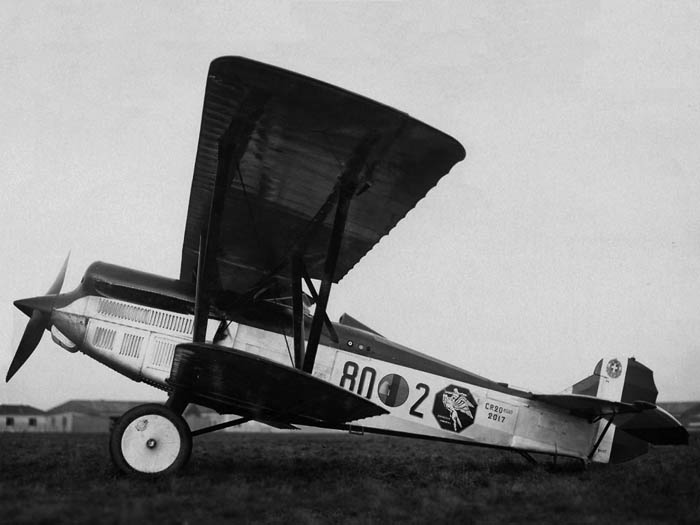
From there, Rosatelli, afterconstantly tried to improve the performance of its first bird through new engines and starting work on racing floatplanes to challenged his engineers, started work on the next generation of fighters. The new model would be a development of the CR.10 but had to wait for official specifications. Indeed, the CR.1 would remained the frontline fighter for many years. It made no budgetary sense to replace it so soon. Celestino Rosatelli moved away from the primarily wooden fuselage of the C.R.1, and adopted an almost entirely metal structure, with a mixed covering: metal panels for the forward section and fabric for the rear. Rosatelli introduced a conventional sesquiplane for its wing configuration unli,e the CR.1, or WW1 fighters which were "inverted" sesquiplanes featuring a shorter upper wing. The interplane struts gained the trademark "W" (Warren truss) configuration, hallmark of all Rosatelli biplanes and the design of the tail assembly was further improved and also became quite unique.
Still waiting for an official specification that was still not coming, Rosatelli, supported by the direction, continue to work on his fighter, this time based on the in-house 410 hp Fiat A.20 V12 engine. Iit used liquid cooling, but with the radiator mounted above the hub of the two-bladed propeller. The goal, compared to the CR.1 was t reach the best climing rate on the market. His prototype would featured an unusual armament of four 7.7 mm machine guns, with two modified Vickers guns atop the engine mount, two Darne guns in the fuselage. A choice that guarantee firepower but that would complicate logistics with bullets from France and Britain, so be licence-made in Italy. This was apparent that for production models, two modified Vickers guns were adopted in the end.
The CR.20 made its maiden flight on June 19, 1926 and attracted attention at the Paris-Le Bourget International Aviation Exhibition. The only seemingly obsolete feature was its landing gear using spoked wheels connected by an axle and rubber buffers as shock absorbers. It was changed later on the C.R.20bis with independent wheels. However if customers were already interested, since no order camde from the Regia Aeronautica, firm orders were timid. Eventually convinced by the new design, the Regia Aeronautica published specifications in 1927 and tested, then adopted the CR.20 without competition. Production was ordered to replace the current CR.1 in active squadrons, some 250.
Pressed by the Regia Marina, the air force enquired Fiat about the possibilty of repeating the relatively successful adaptation of the Ansalso SVA into the "idro" variant in 1918. Rosatelli turned to Macchi to provide adaptable floats, and so was born the Fiat CR.20 Idro, next in production, delegated to both Macchi and CMASA from 1928 (1st flight). Later Fiat improved its model with the C.R.20bis and C.R.20bisAQ which had a more powerful engine, produced from 1930 (235 more). Then came at the tail end of the series, the CR.20 Asso using another engine, the Isotta Fraschini Asso rated for 480 CV (353 kW) in 1931-32, by Macchi in Varese and CMASA at Marino di Risa for 204 more. The company also produced for the fighter school the 2-seater CR.20B.
Success was immediate: Austria (35), Lithuania (15), Paraguay, Poland, Spain and Hungary (12) all became customers. The CR.20 would see action in the war in Ethiopia, in the 106, 107 and 11th squadrons from 1935, until gradual replacement in all units by the even more successful CR.30 and CR.32. However, no further floatplane fighters were ordered. Two prototypes of the next CR.30 were developed, proposed, tested; but performances did not justify any production compared to sturdier flying boats from SIAI, CANT or Macchi.
General design of the CR.20 Idro
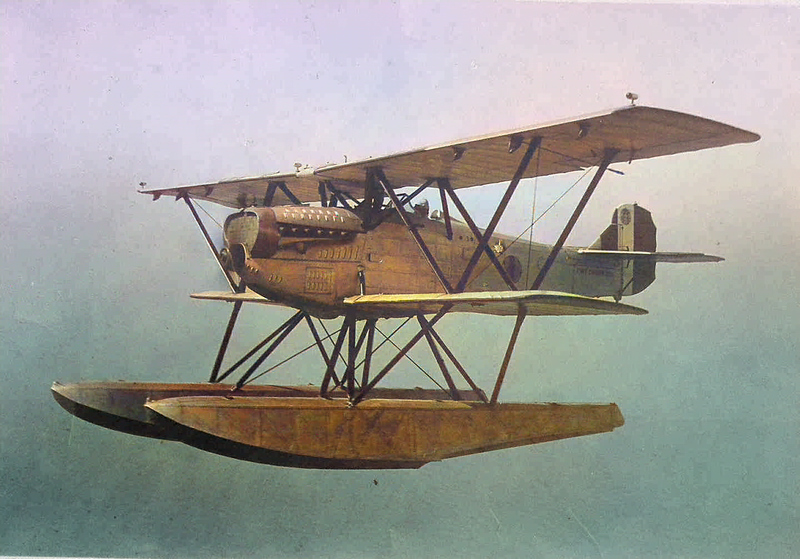
The CR.20 Idro—a seaplane fighter variant with a float undercarriage that appeared in 1928 proved less successful: It was nearly 200 kg heavier than the land-based version, featured significantly higher aerodynamic drag (which reduced the maximum speed to 254 km/h), and suffered from poorer handling. Nevertheless, 46 Idrovolante were supplied to the Italian naval air arm. However at the core, they remained identical to the regular model, same design but with floats replacing the landing undercarriage so here we go:
General Layout
The load-bearing structure made the fuselage using four steel-tube longerons interconnected by a steel-tube truss framework. The airframe also used a triangular-truss design. The covering was mixed with duralumin was used for the forward section, painted, doped fabric down to the tail. Wings were attached via hinges, supported by eight sheet-steel struts arranged in a truss configuration. It had a thin airfoil profile, with a chord of 1.625 meters, dihedral angle of 1°20'. The upper wings spanned 9.8 meters, the lower wings spanned 6.82 meters. The wing structure was composed of steel and duralumin, covered with doped cotton fabric. Spars were made of duralumin, with triangular-truss lightening patterns in their webs, ribs made from small-diameter aluminum tubing. The aileron frame was in duralumin.Onboard instrumentation included a compass, fire warning indicators, fuel shut-off valves, fuel and oil pressure gauges, engine controls, hand-operated pump, control for the fixed stabilizer, wheel brake control, oil and water temperature gauges, tachometer, fuel tank release mechanism, airspeed indicator, and fuel level gauge. The pilot had a small glass front windshield but no targeting scope. The aluminium floats were connected by four (two pairs= of lateral struts for each, connected to the lower base of the wings and further attached to the lower wings, connected to a hub for the "V" shaped warren struts. There were transverse struts and steel cables to brace these. The floats were compartimented to presvent flooding in case of a rupture, and dotted by bolted openings that could be open to pump out water.
Engine & Performances
The C.R.20 bis like the Idro featured the 410 hp Fiat A.20 AQ engine, 12-cylinder in V-configuration and water-cooled. The mechanical pumps circulated fuel, oil, and water were integrated into the engine but there was a hand-operated pump located between the auxiliary wing tank and jettisonable lower tank, using gravity feed. The fuel tank was made from duralumin sheet, positioned vertically above the center of gravity with a capacity of 282 liters. It could be jettisoned during flight albeit the presence of the floats made it tricky. An additional 22-liter tank protected by armor was located between the two wing panels. There was also a two-bladed propeller made of walnut, fixed pitch, 2.6 meters side with with a chord ranging from 0.92 m at the tip to 1.792 m at the root.Armament
The armament consisted of two forward-firing and modified 7.7 mm Vickers machine guns in Italy, independently controlled, driven by the engine, synchronized and firing through the propeller arc. Beneath them were two ammunition-belt boxes each with a capacity of 500 rounds. For gunnery practice, a gun camera was installed indea for debriefing analysis.⚙ Fiat CR.20 idro specifications | |
| Light/Gross weight | 1,100/1,520 ks |
| Fuselage lenght: | 7.86m (25 ft 8 in) |
| Wingspan: | 9.80m (32 ft) |
| Wing Area: | 25.65 Square Meters |
| Height: | 3.22m (11 ft 5 in) |
| Propulsion | Fiat A20 V12 WC |
| Top Speed | 250 kph |
| Endurance | 2h 45 min |
| Climb Rate | 33 min. to 5000m |
| Armament | 2x Vickers 0.3 inches (8 mm) fuselage |
| Propeller | 2 bladed, wooden. |
| Crew | 1 pilot |
Illustrations
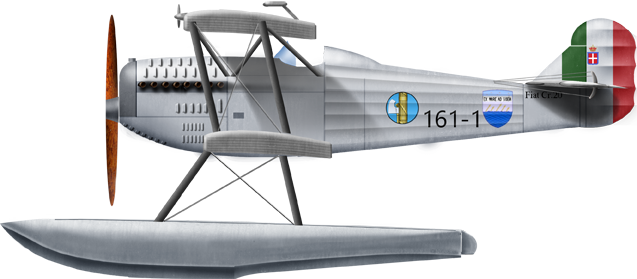
CR 20 Idro from the 161th naval fighter squadron, 1929.
Gallery
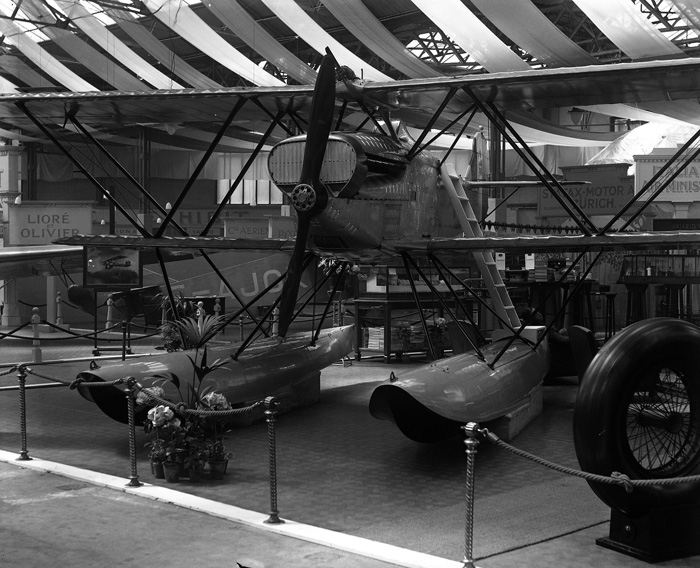
CR.20 Idro in exhibition, Fiat booth, 1928
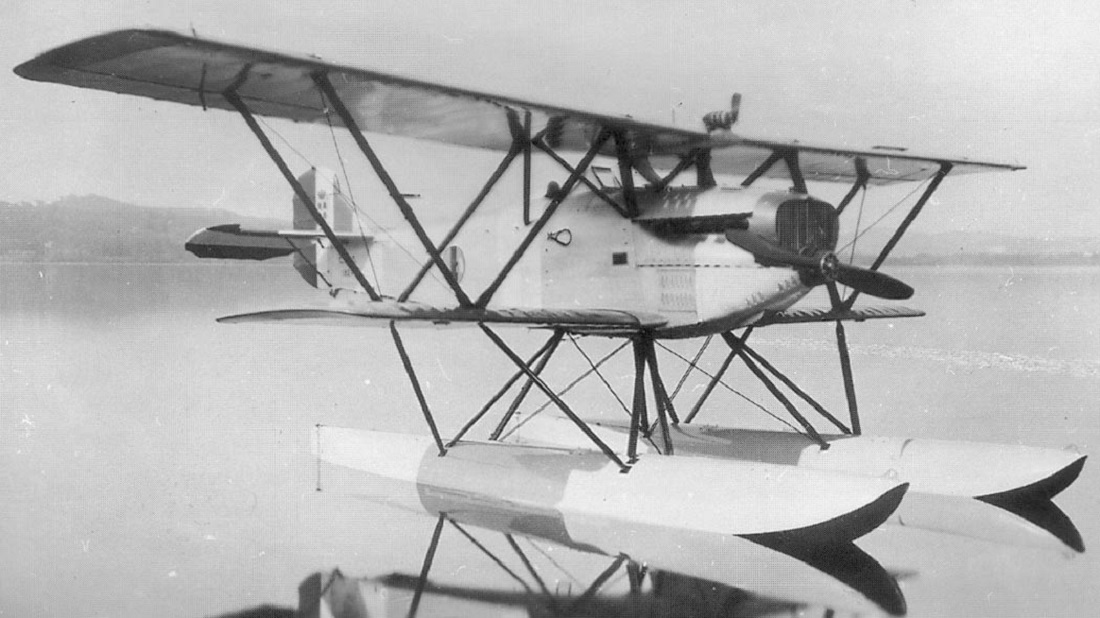
Fiat CR.20 Idro in the water
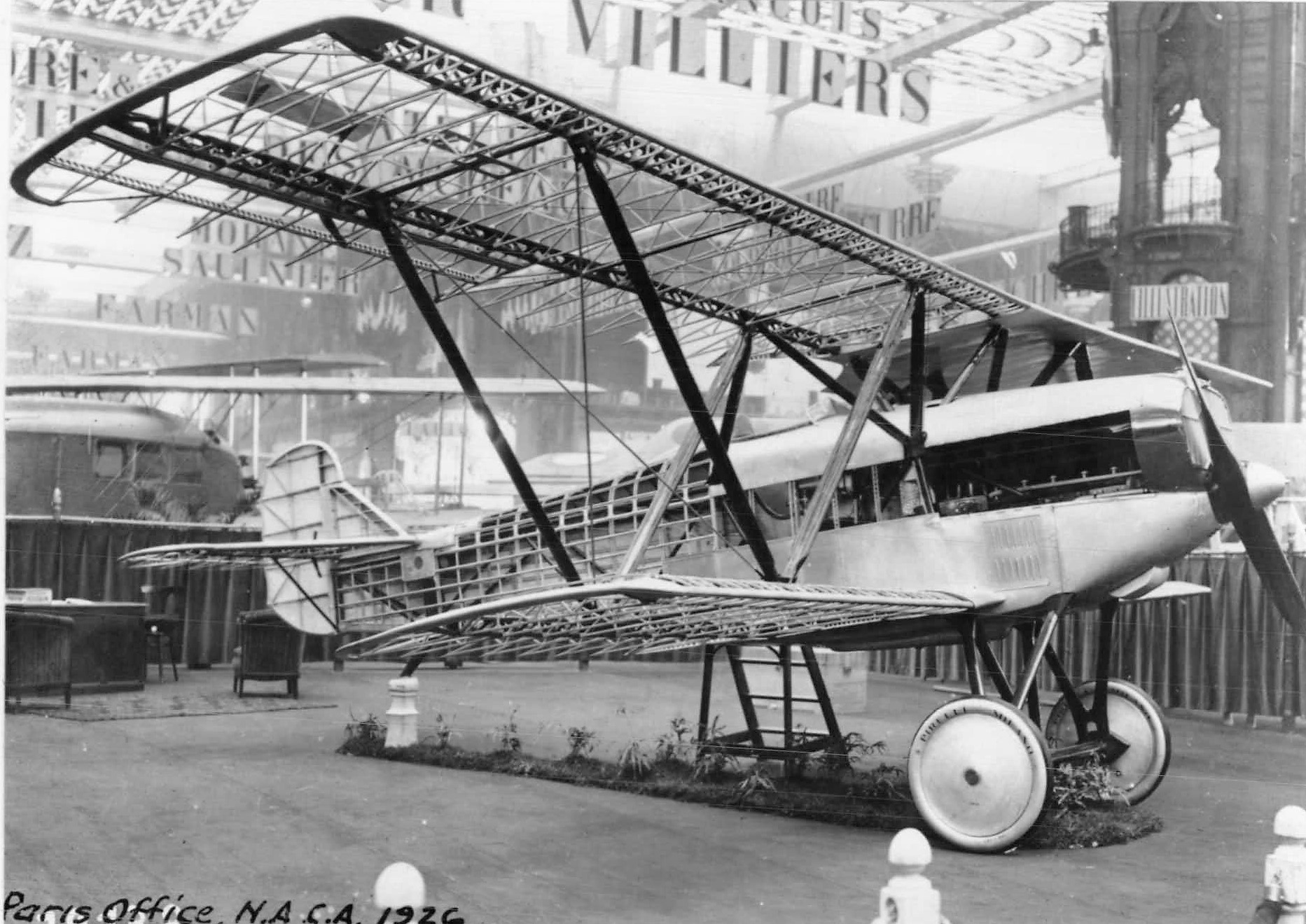
Structure (NACA funds CC)
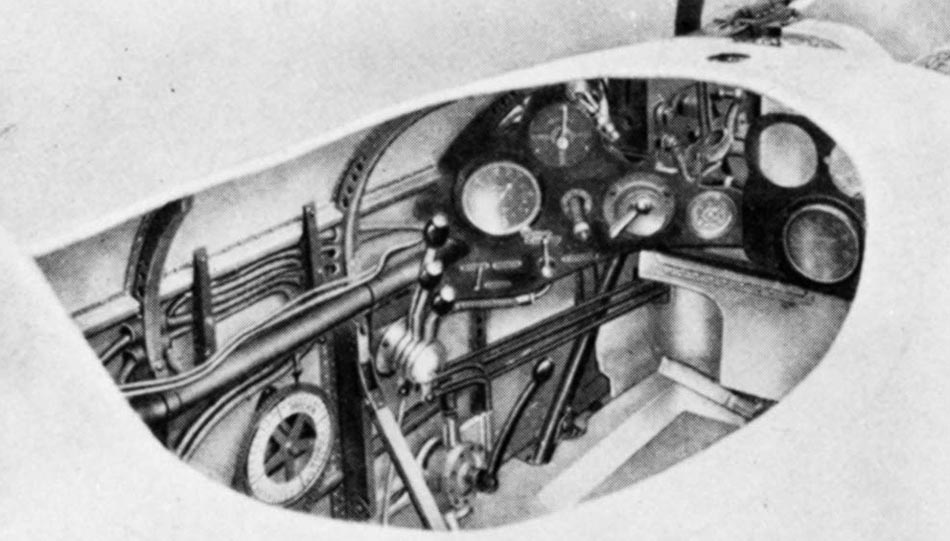
Instrumentation
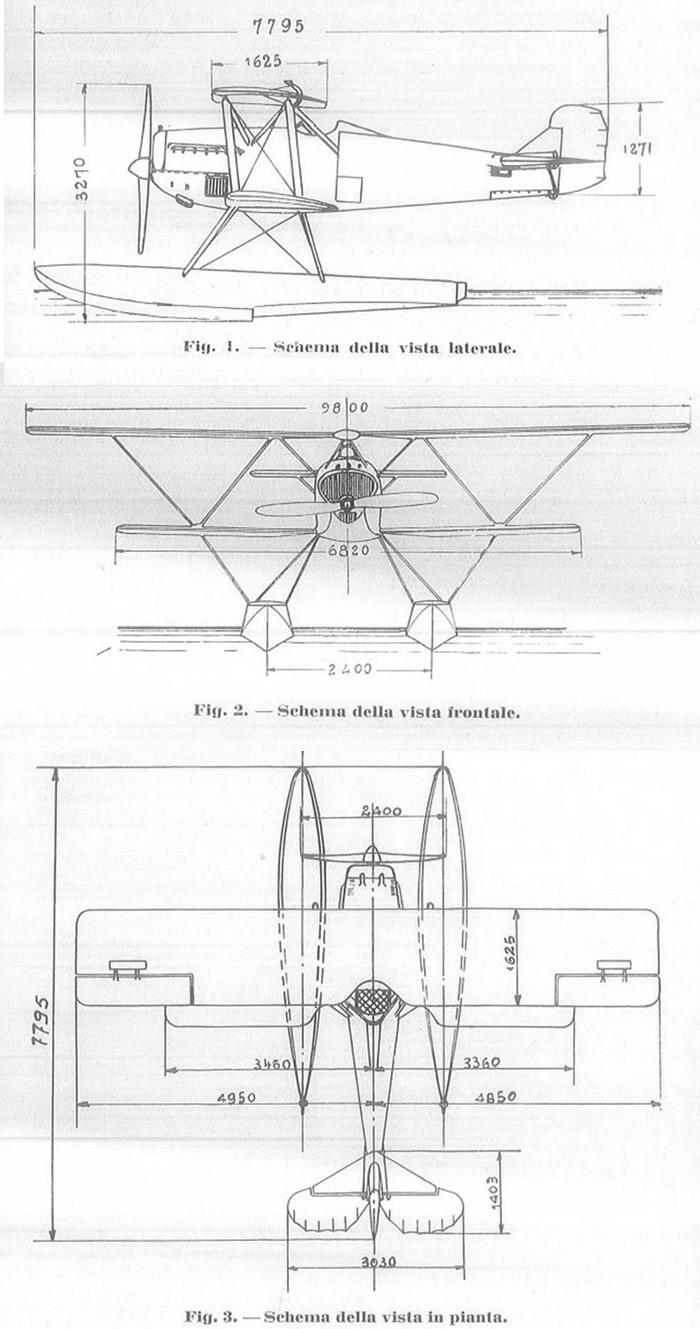
Design, minister archives
Read More
Links
cmpr.itit.wikipedia.org/wiki/Fiat_C.R.20
Technical video
aviastar.org
ww2aircraft.net
airwar.ru
elpoderdelasgalaxias.wordpress.com
it.wikipedia.org avio
Celestino_Rosatelli
Model Kits
modellismoitalia.altervista.orgabbiatiwargames.com
cmpr.it/
hobbyshop.cz
super-hobby.fr
Videos
- Lohner E (1913)
- Macchi M3 (1916)
- Macchi M5 (1917)
- Macchi M7 (1918)
- Ansaldo ISVA (1918)
- Short S.38 (1912)
- Sopwith Baby (1916)
- Short 184 (1916)
- Fairey Campania (1917)
- Sopwith Cuckoo (1917)
- Felixstowe F.2 (1917)
- Gotha WD.2 (1914)
- Friedrichshafen FF 33 (1916)
- Hansa-Brandenburg KDW
- Albatros W4 (1916)
- Albatros W8 (1918)
- Hanriot HD.2
- Grigorovich M5 (1915)
- Grigorovich M9 (1916)
- Grigorovich M11 (1917)
- IJN Farman MF.7
- IJN Yokosho Type Mo
- Yokosho Rogou Kougata (1917)
- Yokosuka Igo-Ko (1920)
- Curtiss N9 (1916)
- Curtiss H4 (1916)
- Curtiss H12 (1917)
- Curtiss H16 (1918)
- Aeromarine 39
- Vought VE-7
- Douglas DT (1921)
- NAF/Curtiss TS-1 (1922)
- Boeing FB.5 (1923)
- Boeing F4B (1928)
- Vought O2U/O3U Corsair (1928)
- Grumman FF (1931)
- Akron class airships (1931)
- Curtiss F9C Sparrowhawk (1931)
- Curtiss F11C Goshawk (1932)
- Curtiss BF2C Goshawk (1933)
- Blackburn Blackburn (1922)
- Supermarine Seagull (1922)
- Fairey Flycatcher (1923)
- Hawker Horsley (1925)
- Blackburn Ripon (1926)
- Fairey IIIF (1927)
- Fairey Seal (1930)
- LGL-32 C.1 (1927)
- Wibault 74 (1929)
- Macchi M.33 (1925)
- Fiat CR.20 Idro (1928)
- Fokker T.II (1921)
- Fokker T.III (1923)
- Caspar U1 (1921)
- Dornier Do J Wal (1922)
- Rohrbach R-III (1924)
- Mitsubishi 1MF (1923)
- Mitsubishi B1M (1923)
- Yokosuka E1Y (1923)
- Nakajima A1N (1927)
- Nakajima E2N (1927)
- Mitsubishi B2M (1929)
- Nakajima A2N (1930)
- Nakajima A4N (1935)
- CANT 18 (1926)
 Interwar Norway
- Marinen Flyg. M.F.5 (1918)
WW1
✠ K.u.K. Seefliegerkorps:
 Italian Naval Aviation
 RNAS
 Marineflieger
 French Naval Aviation
 Russian Naval Aviation
 IJN Air Service
 USA
Interwar
 Interwar US
 Interwar Britain
 Interwar France
Interwar Italy
 Interwar Netherlands
 Interwar Germany
 Interwar Japan
 Interwar Italy
- Grumman F2F (1933)
- Curtiss SOC seagull (1934)
- Grumman F3F (1935)
- Northrop BT-1 (1935)
- Consolidated PBY Catalina (1935)
- Grumman J2F Duck (1936)
- Brewster/NAF SBN-1 (1936)
- Curtiss SBC Helldiver (1936)
- Vought SB2U Vindicator (1936)
- Brewster F2A Buffalo (1937)
- Douglas TBD Devastator (1937)
- Vought Kingfisher (1938)
- Curtiss SO3C Seamew (1939)
- K-class Blimps (1939)
- Douglas SBD Dauntless (1939)
- Grumman F4F Wildcat (1940)
- F4U Corsair (NE) (1940)
- Brewster SB2A Buccaneer (1941)
- Grumman TBF/TBM Avenger (1941)
- Consolidated TBY Sea Wolf (1941)
- Grumman F6F Hellcat (1942)
- Curtiss SB2C Helldiver (1942)
- Curtiss SC Seahawk (1944)
- Grumman F7F Tigercat (1944)
- Grumman F8F Bearcat (1944)
- Ryan FR-1 Fireball (1944)
- Douglas AD-1 Skyraider (1945)
- Fleet Air Arm
- Hawker Osprey (1932)
- Fairey Swordfish (1934)
- Blackburn Shark (1934)
- Supermarine Walrus (1936)
- Fairey Seafox (1936)
- Blackburn Skua (1937)
- Short Sunderland (1937)
- Blackburn Roc (1938)
- Fairey Albacore (1940)
- Fairey Fulmar (1940)
- Grumman Martlet (1941)
- Hawker sea Hurricane (1941)
- Brewster Bermuda (1942)
- Fairey Barracuda (1943)
- Fairey Firefly (1943)
- Grumman Tarpon (1943)
- Grumman Gannet (1943)
- Supermarine seafire (1943)
- Blackburn Firebrand (1944)
- Hawker Sea Fury (1944)
- Coastal Command
- Vickers Wellington (1937)
- IJN aviation
- Yokosuka E6Y (1930)
- Aichi D1A "Susie" (1934)
- Mitsubishi A5M "Claude" (1935)
- Nakajima A4N (1935)
- Yokosuka B4Y "Jean" (1935)
- Mitsubishi G3M "Nell" (1935)
- Nakajima E8N "Dave" (1935)
- Kawanishi E7K "Alf" (1935)
- Nakajima B5N "Kate" (1937)
- Kawanishi H6K "Mavis" (1938)
- Aichi D3A "Val" (1940)
- Mitsubishi G4M "Betty" (1940)
- Mitsubishi A6M "zeke" (1940)
- Nakajima E14Y "Glen" (1941)
- Nakajima B6N "Jill" (1941)
- Mitsubishi F1M "pete" (1941)
- Aichi E13A Reisu "Jake" (1941)
- Kawanishi E15K Shiun "Norm" (1941)
- Nakajima C6N Saiun "Myrt" (1942)
- Yokosuka D4Y "Judy" (1942)
- Kyushu Q1W Tokai "Lorna" (1944)
 Luftwaffe
- Heinkel 114 (1935)
- Arado 196 (1937)
- Junkers 87C (1938)
- Me109 T (1938)
- Blohm & Voss 138 Seedrache (1940)
 Italian Aviation
- Savoia-Marchetti S.55
- IMAM Ro.43/44
- CANT Z.501 Gabbiano
- CANT Z.506 Airone
- CANT Z.508
- CANT Z.511
- Caproni CA.316
- CANT Z.515
 French Aeronavale
- GL.300 (1926-39)
- CAMS 37 (1926)
- Levasseur PL.5 (1927)
- Potez 452 (1935)
- Loire 210 (1936)
- Loire 130 (1937)
- LN 401 (1938)
 Soviet Naval Aviation
- Shavrov SH-2 (1928)
- Tupolev TB-1P (1931)
- Beriev MBR-2 (1930)
- Tupolev MR-6 (1933)
- Tupolev MTB-1 (1934)
- Beriev Be-2 (1936)
- Polikarpov I16 naval (1936)
- Tupolev MTB-2 (1937)
- Ilyushine DB-3T/TP (1937)
- Beriev Be-4 (1940)
 Swedish Naval Aviation
- SAAB B17S
-
 Skoda Š-328V
 R-XIII Idro
 Fokker C.XI W (1934)
 Rogožarski PVT-H (1938)
WW2
 ☍ USNA
- De Havilland Sea Vixen
- Hawker Sea Hawk
- Supermarine Scimitar
- Blackburn Buccaneer
- Hawker Sea Harrier
- Douglas A4 Skyhawk
- Grumman F9F Panther
- Vought F8 Crusader
- McDonnell-Douglas F-4 Phantom-II
- North Am. A5 Vigilante
- TU-142
- Yak 38 forger
☢ Cold War
✧ NATO
Fleet Air Arm
 US Navy
☭ Warsaw Pact
Merch
Seafire Mark 45; HMS Pretoria Castle
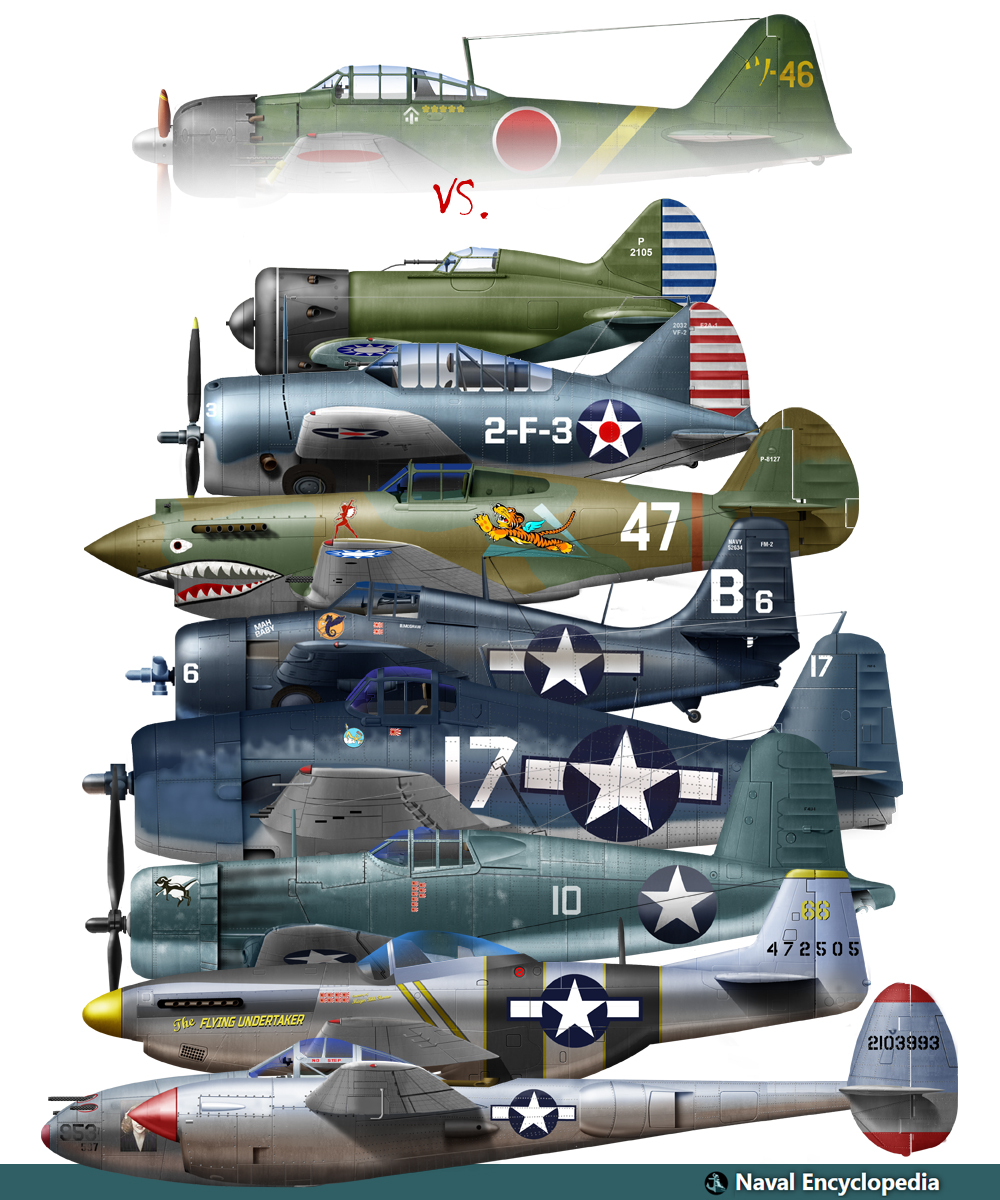
Zeros vs its aversaries
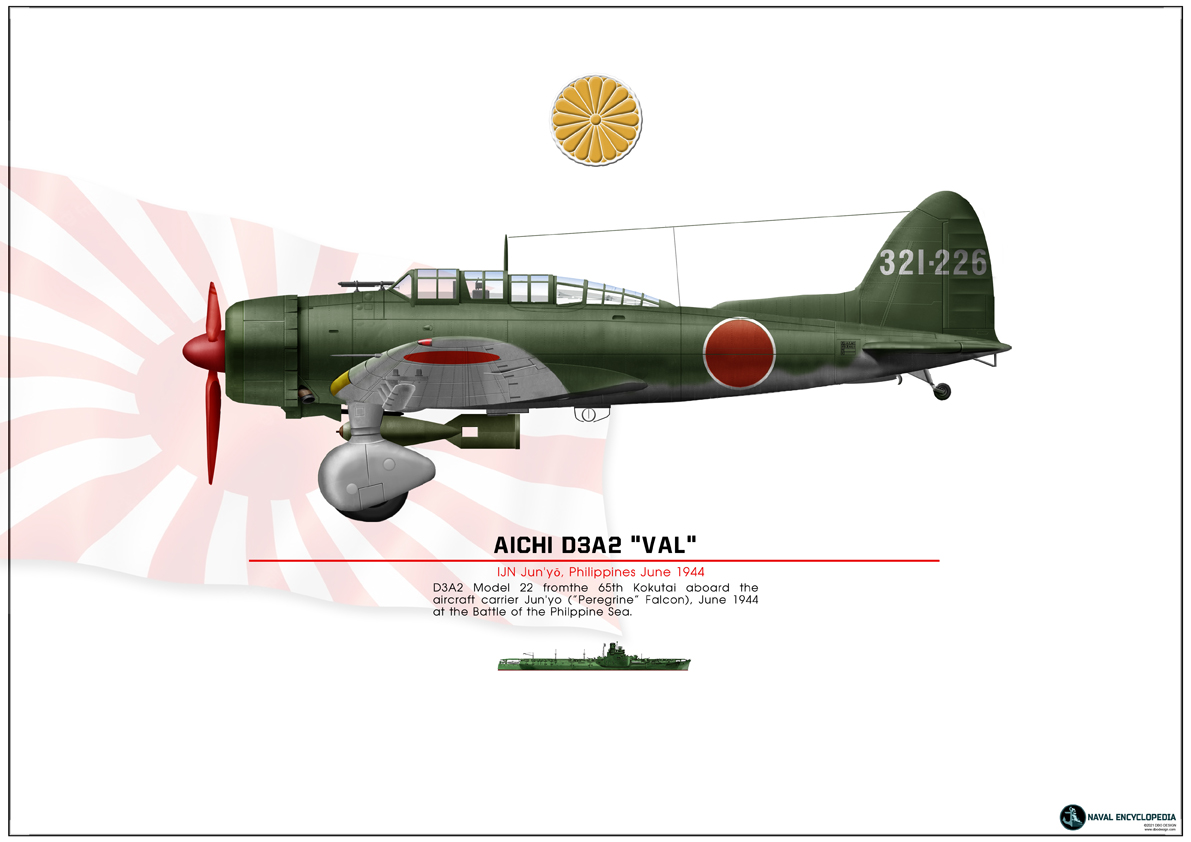
Aichi D3A “Val” Junyo
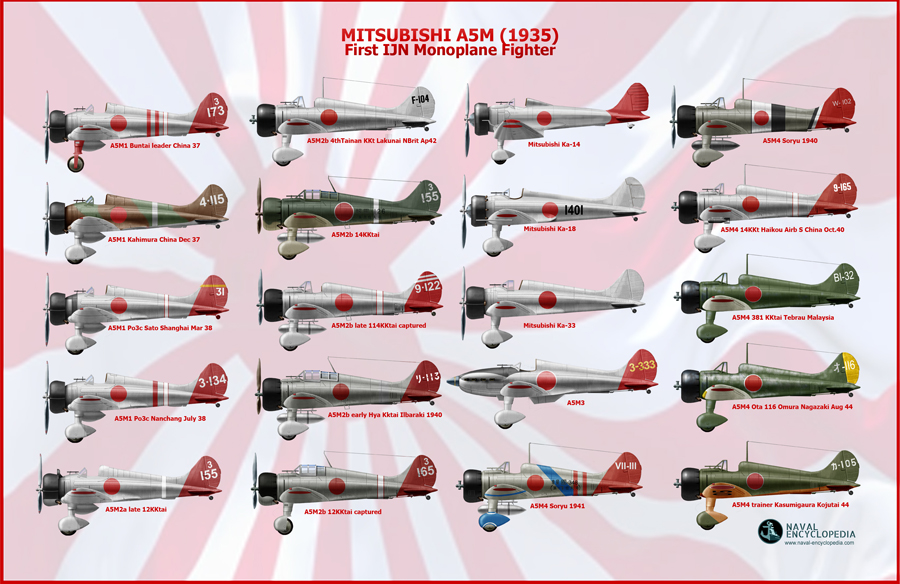
Mitsubishi A5M poster
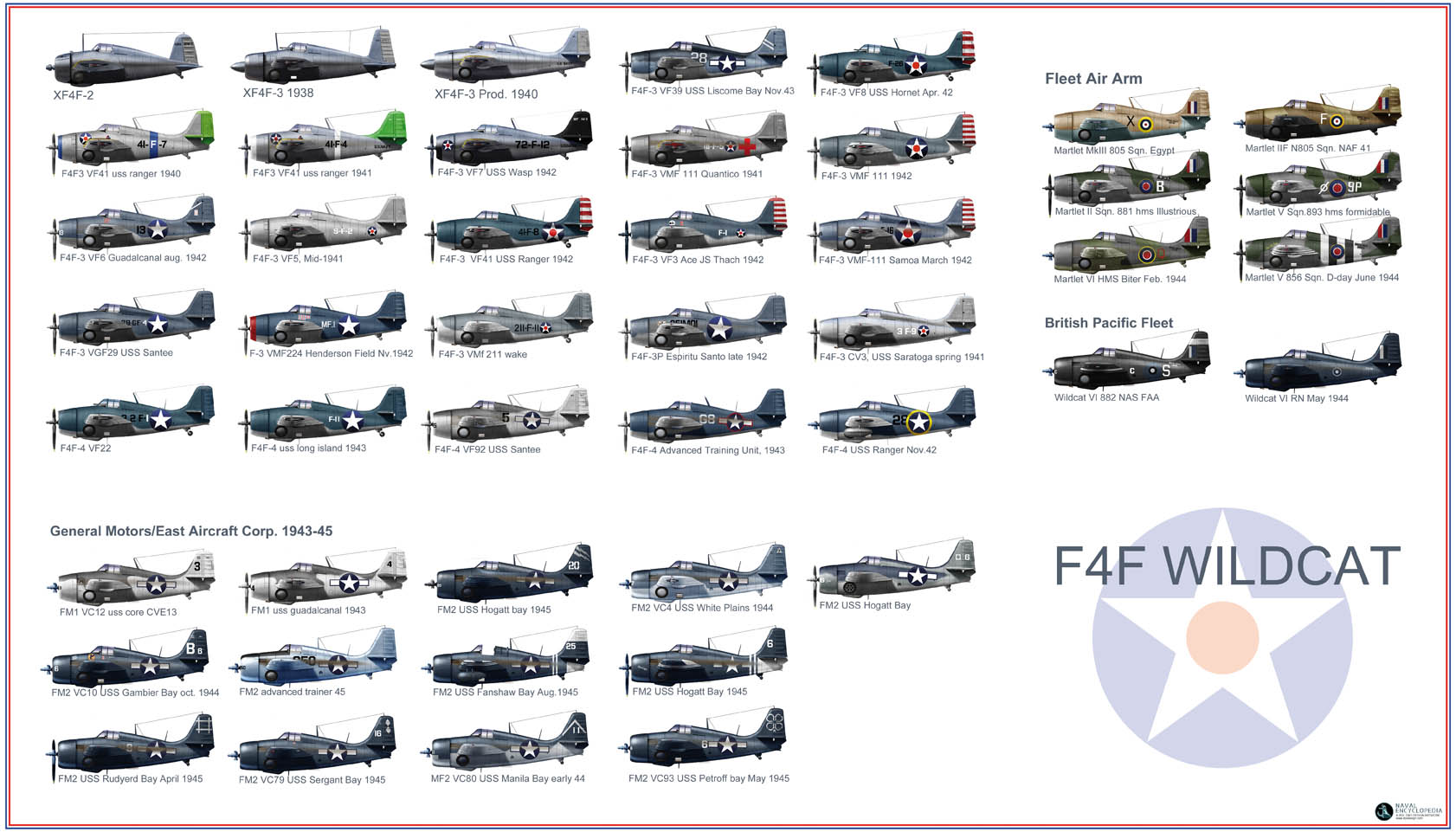
F4F wildcat
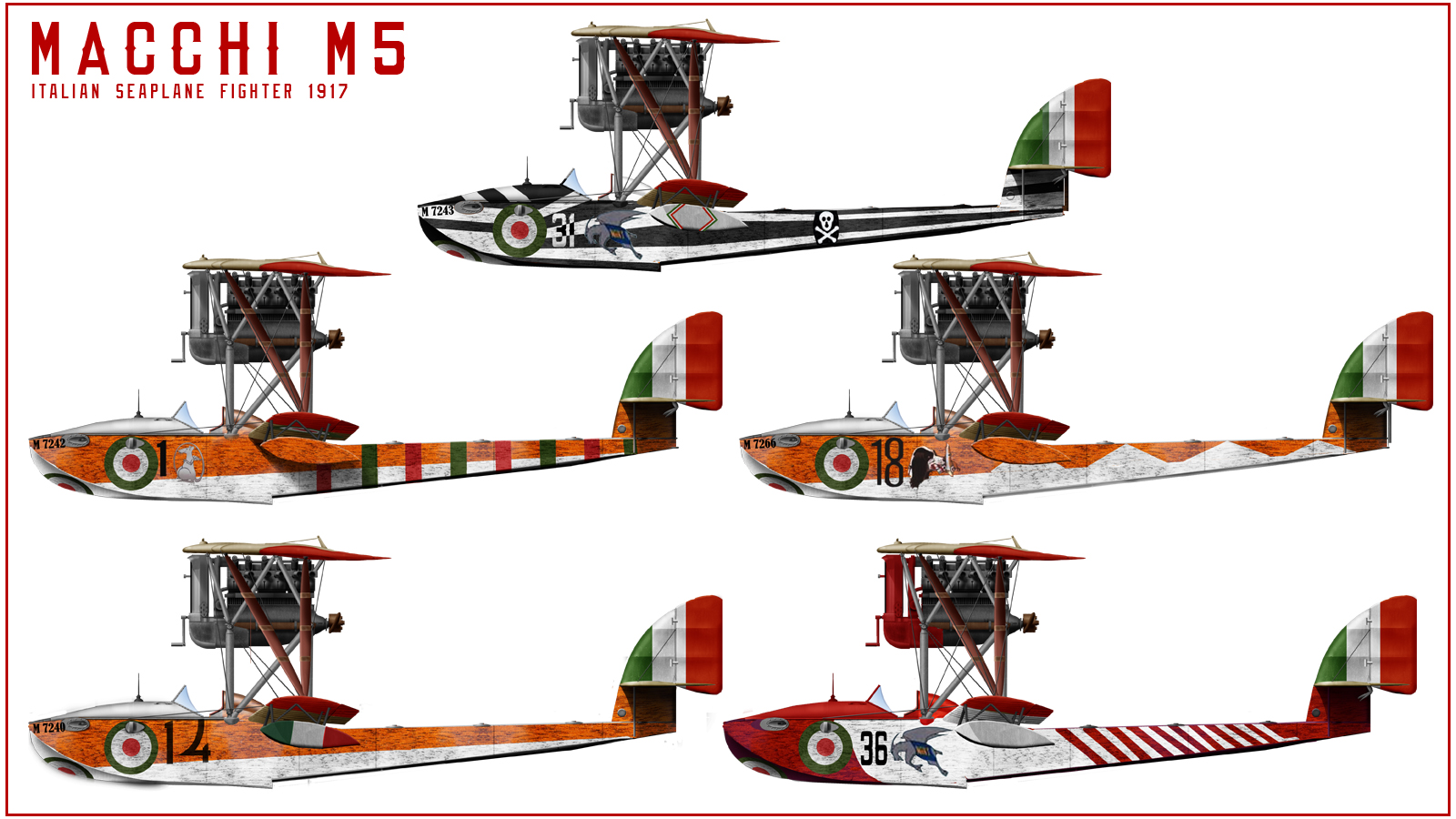
Macchi M5
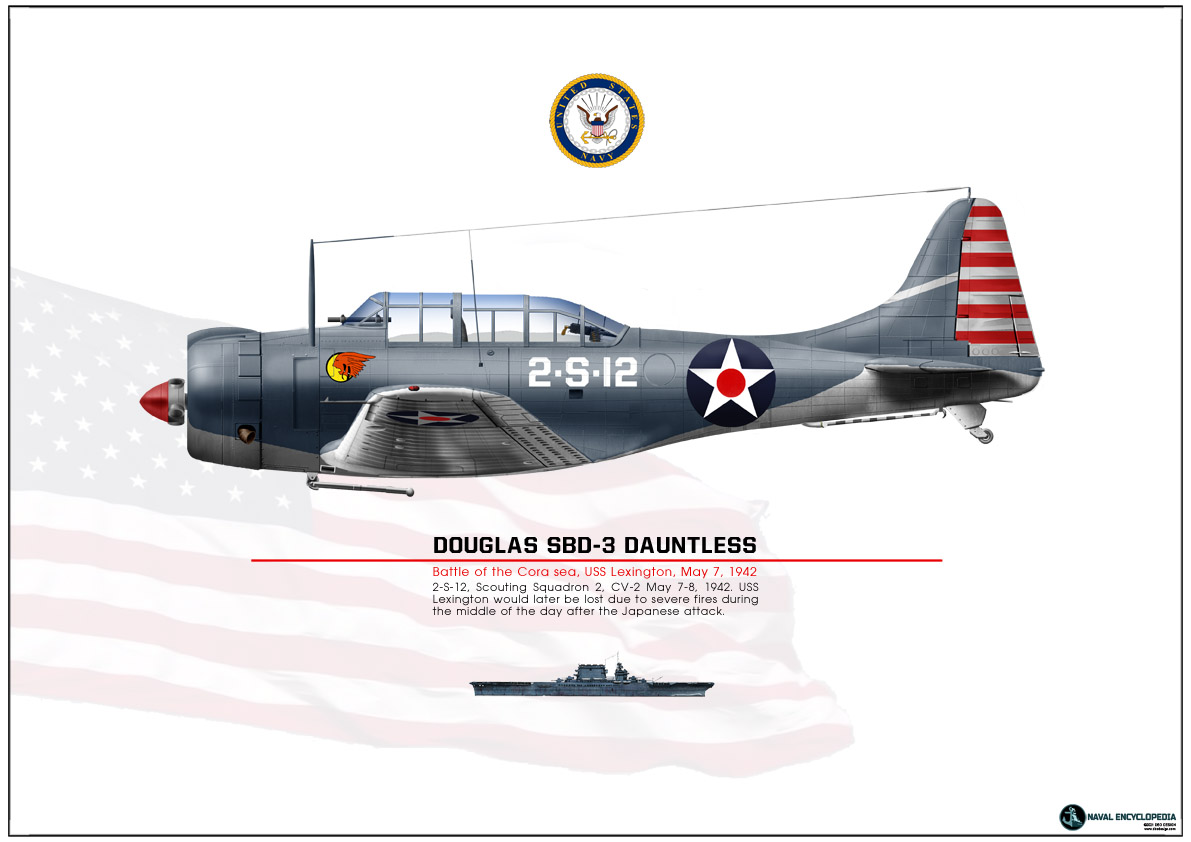
SBD Dauntless Coral Sea
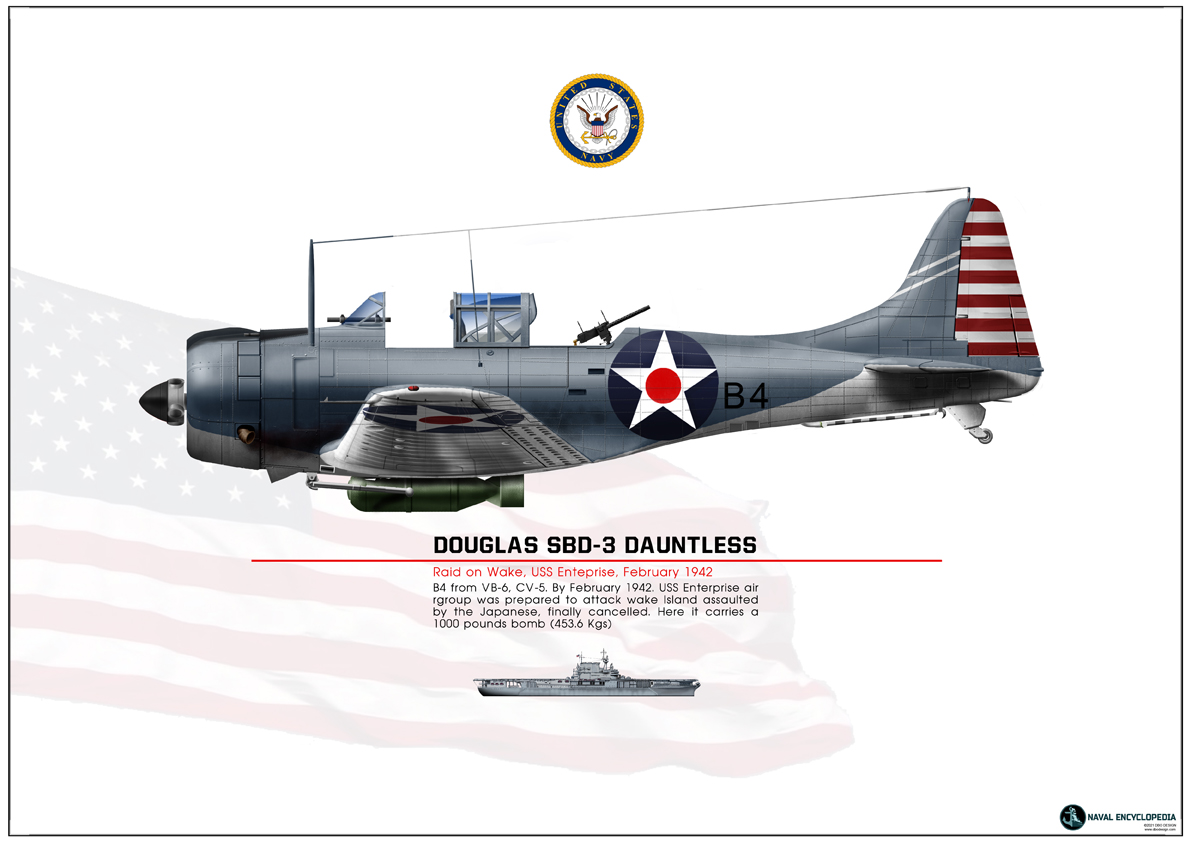
SBD Dauntless USS Enterprise
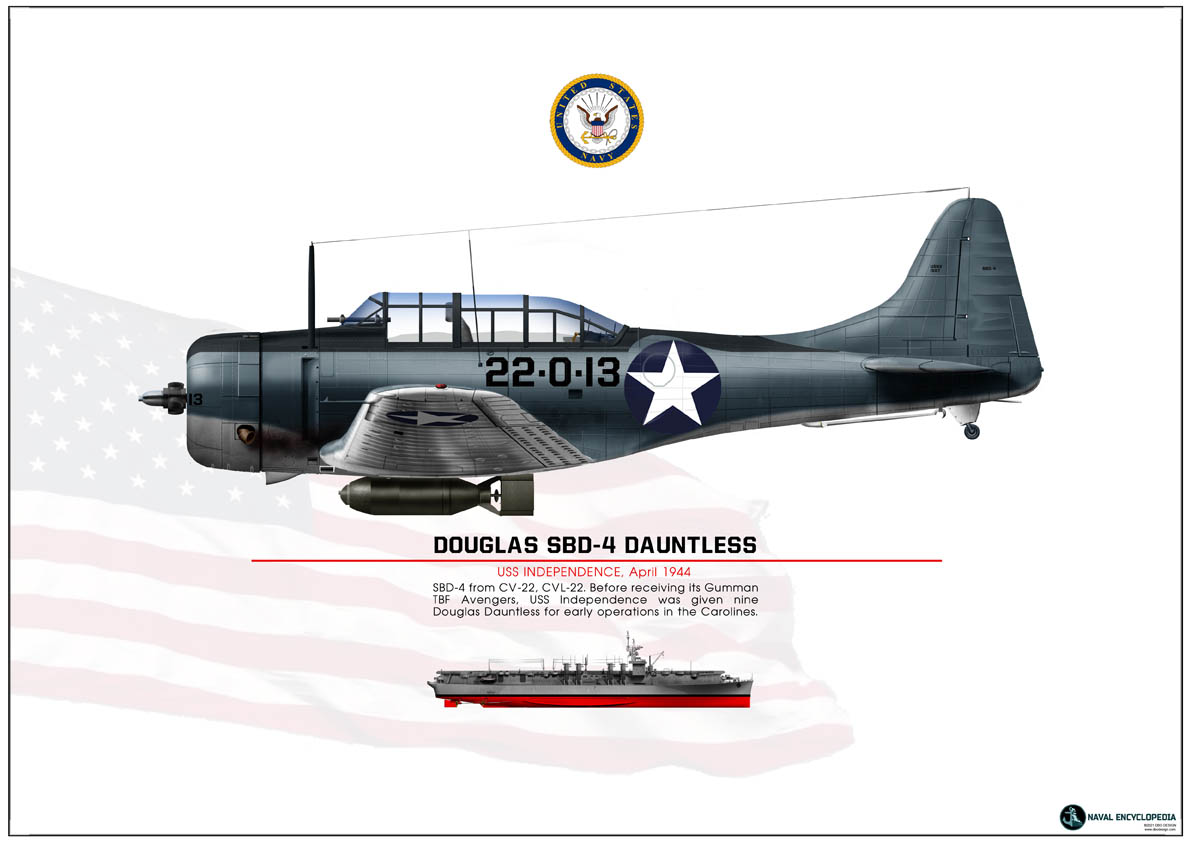
SBD-4 CV22