Junkers Ju-87 in Naval Service
 c6000 Dive Bombers total (1936-45).
The Carrier Bomber: Ju 87 "Casear"
 Ju 87 B mit Ausrüstung für den Einsatz auf dem Flugzeugträger Graf Zeppelin. Zwischen April und Oktober 1941 wurden die bestellten fünf Flugzeuge von Junkers abgeliefert.
nach dem Scheitern des Trägerprojekts wieder auf Stand Ju 87 B zurückgebaut
Ju 87 B mit Ausrüstung für den Einsatz auf dem Flugzeugträger Graf Zeppelin. Zwischen April und Oktober 1941 wurden die bestellten fünf Flugzeuge von Junkers abgeliefert.
nach dem Scheitern des Trägerprojekts wieder auf Stand Ju 87 B zurückgebaut
Specifications Ju 87C | |
| Crew: | |
| Lenght | |
| Wingspan | |
| Wing loading | |
| Power/mass | |
| Height | |
| Wing area | |
| Empty weight | |
| Max TO Weight | |
| Propulsion | |
| Propeller | |
| Top speed | |
| Service ceiling | |
| Rate of climb | |
| Range | |
| Ferry range | |
| Gun Armament | |
| Armament underwing | |
The Ju 87 in naval action
The Junkers Ju 87 Stuka achieved major success in anti-shipping and naval attack roles during World War II, sinking numerous allied warships and merchant vessels.""Like the Slow-But-Deadly Douglas SBD, the Stuka turned out to be a superb anti-shipping weapon. Stuka pilots quickly learned to attack from astern, so they could easily follow a ship’s evasive actions. They often dived on a ship at a 45- degree angle and fired their machine guns as a telltale.“When the first of our…bullets were observed to be hitting the water in front of the ship’s bow, we pulled the bomb release,” said one former Stuka pilot quoted in Peter C. Smith’s book Junkers Ju 87 Stuka. “There was very little chance for a merchant ship of any size attacked with this Stuka tactic,” Smith wrote. While the RAF was dismissing the Stuka as irrelevant after its poor showing in the Battle of Britain, Ju-87s essentially destroyed the Royal Navy’s Mediterranean fleet. RAF Air Marshal Arthur Tedder said, “Our fighter pilots weep for joy when they see [Stukas].” At the time, he was reassuring Royal Navy Admiral Andrew Cunningham, whose armored-deck aircraft carrier HMS Illustrious, and its support ships, would soon be battered so badly by Stukas off Malta that it was out of action for nearly a year. Stukas also thoroughly chased the Royal Navy out of Norway’s waters.""
Norway (April 1940)
Stukas from Sturzkampfgeschwader 1 attacked British naval forces, scoring dramatic hits against targets like the aircraft carrier HMS Ark Royal.The English Channel (1940)
Following the fall of France, Stuka units targeted British shipping lanes and coastal convoys in the Channel before high fighter losses forced their withdrawal.Malta
"The Junkers Ju 87 B Stuka dive-bomber and the aircraft carrier represent two key combat innovations of World War II. Rich with photographs and personal accounts, this new volume focuses on the air-sea action during the British evacuation operations in Norway in May 1940 and German air attacks in the Mediterranean in 1941-1942. Ju 87 dive-bombers, originally developed for pin-pointing bombing missions against land targets and Allied naval vessels were deployed by both the Luftwaffe and the Regia Aeronautica against the Allied forces. Included in such a target were perhaps the greatest prize of all for a Stuka pilot: a British aircraft carrier. This superbly illustrated book looks at the duel between the Ju 87 Stuka and the aircraft carriers of the Royal Navy. Despite their gun protection ('pompoms') and their squadrons of fighters, these immense and mighty vessels proved irresistible targets to determined and experienced Stuka aces as they endeavored to stop British naval intervention in the campaigns in Norway, Malta and Crete. By 1941, the Ju 87 had become known by the British as a fearsome aircraft following its operations in France, specifically at Dunkirk, as well as in the Balkans. For the Luftwaffe, it was an aircraft in which they still had great confidence despite its mauling in the Battle of Britain during the summer of 1940. This book examines the key attributes and shortcomings of both aircraft and carrier by analyzing various compelling episodes including the dramatic attacks on Ark Royal by Stukageschwader (St.G) 1 off Norway in April 1940, the strikes by the Luftwaffe's St.G 1, St.G 2 and the Regia Aeronautica's 237° Squadriglia against Illustrious in Malta harbor. Aside from outstanding photography and artwork, this volume also include numerous personal accounts from Stuka crews, the pilots of carrier-borne fighters opposing them and the sailors embarked in the various carriers that came under attack."Crete (1941)
Operating across the Mediterranean, Stukas struck Allied shipping and heavily damaged the aircraft carrier HMS Illustrious inside Malta harbor.The Aegean Sea (October 1943)
Groups like I./StG 3 engaged in intense aerial and naval battles near Rhodes, sinking Royal Navy destroyers and damaging cruisers.Tactics and VulnerabilitiesSteep Dives: Pilots executed near-vertical dives to target the lightly armored upper decks of warships with high precision.Sirens: Ram-air "Jericho Trumpet" sirens sounded during dives to break enemy morale and provide speed feedback.
Vulnerability: Slow speeds made Stukas easy targets for fast enemy fighters when air superiority was lost.
- Lohner E (1913)
- Macchi M3 (1916)
- Macchi M5 (1917)
- Macchi M7 (1918)
- Ansaldo ISVA (1918)
- Short S.38 (1912)
- Sopwith Baby (1916)
- Short 184 (1916)
- Fairey Campania (1917)
- Sopwith Cuckoo (1917)
- Felixstowe F.2 (1917)
- Gotha WD.2 (1914)
- Friedrichshafen FF 33 (1916)
- Albatros W4 (1916)
- Albatros W8 (1918)
- Hanriot HD.2
- Grigorovich M5 (1915)
- Grigorovich M9 (1916)
- Grigorovich M11 (1917)
- IJN Farman MF.7
- IJN Yokosho Type Mo
- Yokosho Rogou Kougata (1917)
- Yokosuka Igo-Ko (1920)
- Curtiss N9 (1916)
- Curtiss H4 (1916)
- Curtiss H12 (1917)
- Curtiss H16 (1918)
- Aeromarine 39
- Vought VE-7
- Douglas DT (1921)
- NAF/Curtiss TS-1 (1922)
- Boeing FB.5 (1923)
- Boeing F4B (1928)
- Vought O2U/O3U Corsair (1928)
- Grumman FF (1931)
- Akron class airships (1931)
- Curtiss F9C Sparrowhawk (1931)
- Curtiss F11C Goshawk (1932)
- Curtiss BF2C Goshawk (1933)
- Blackburn Blackburn (1922)
- Supermarine Seagull (1922)
- Fairey Flycatcher (1923)
- Hawker Horsley (1925)
- Blackburn Ripon (1926)
- Fairey IIIF (1927)
- Fairey Seal (1930)
- LGL-32 C.1 (1927)
- Fokker T.II (1921)
- Fokker T.III (1923)
- Caspar U1 (1921)
- Dornier Do J Wal (1922)
- Rohrbach R-III (1924)
- Mitsubishi 1MF (1923)
- Mitsubishi B1M (1923)
- Yokosuka E1Y (1923)
- Nakajima A1N (1927)
- Nakajima E2N (1927)
- Mitsubishi B2M (1929)
- Nakajima A2N (1930)
- Nakajima A4N (1935)
- CANT 18
WW1
✠ K.u.K. Seefliegerkorps:
 Italian Naval Aviation
 RNAS
RNAS
 Marineflieger
 French Naval Aviation
 Russian Naval Aviation
 IJN Air Service
 USA
USA
Interwar
 Interwar US
 Interwar Britain
 Interwar France
 Interwar Netherlands
 Interwar Germany
 Interwar Japan
 Interwar Italy
- Grumman F2F (1933)
- Curtiss SOC seagull (1934)
- Grumman F3F (1935)
- Northrop BT-1 (1935)
- Consolidated PBY Catalina (1935)
- Grumman J2F Duck (1936)
- Brewster/NAF SBN-1 (1936)
- Curtiss SBC Helldiver (1936)
- Vought SB2U Vindicator (1936)
- Brewster F2A Buffalo (1937)
- Douglas TBD Devastator (1937)
- Vought Kingfisher (1938)
- Curtiss SO3C Seamew (1939)
- K-class Blimps (1939)
- Douglas SBD Dauntless (1939)
- Grumman F4F Wildcat (1940)
- F4U Corsair (NE) (1940)
- Brewster SB2A Buccaneer (1941)
- Grumman TBF/TBM Avenger (1941)
- Consolidated TBY Sea Wolf (1941)
- Grumman F6F Hellcat (1942)
- Curtiss SB2C Helldiver (1942)
- Curtiss SC Seahawk (1944)
- Grumman F7F Tigercat (1944)
- Grumman F8F Bearcat (1944)
- Ryan FR-1 Fireball (1944)
- Douglas AD-1 Skyraider (1945)
- Fleet Air Arm
- Hawker Osprey (1932)
- Fairey Swordfish (1934)
- Blackburn Shark (1934)
- Supermarine Walrus (1936)
- Fairey Seafox (1936)
- Blackburn Skua (1937)
- Short Sunderland (1937)
- Blackburn Roc (1938)
- Fairey Albacore (1940)
- Fairey Fulmar (1940)
- Grumman Martlet (1941)
- Hawker sea Hurricane (1941)
- Brewster Bermuda (1942)
- Fairey Barracuda (1943)
- Fairey Firefly (1943)
- Grumman Tarpon (1943)
- Grumman Gannet (1943)
- Supermarine seafire (1943)
- Blackburn Firebrand (1944)
- Hawker Sea Fury (1944)
- Coastal Command
- Vickers Wellington (1937)
- IJN aviation
- Yokosuka E6Y (1930)
- Aichi D1A "Susie" (1934)
- Mitsubishi A5M "Claude" (1935)
- Nakajima A4N (1935)
- Yokosuka B4Y "Jean" (1935)
- Mitsubishi G3M "Nell" (1935)
- Nakajima E8N "Dave" (1935)
- Kawanishi E7K "Alf" (1935)
- Nakajima B5N "Kate" (1937)
- Kawanishi H6K "Mavis" (1938)
- Aichi D3A "Val" (1940)
- Mitsubishi G4M "Betty" (1940)
- Mitsubishi A6M "zeke" (1940)
- Nakajima E14Y "Glen" (1941)
- Nakajima B6N "Jill" (1941)
- Mitsubishi F1M "pete" (1941)
- Aichi E13A Reisu "Jake" (1941)
- Kawanishi E15K Shiun "Norm" (1941)
- Nakajima C6N Saiun "Myrt" (1942)
- Yokosuka D4Y "Judy" (1942)
- Kyushu Q1W Tokai "Lorna" (1944)
 Luftwaffe
- Heinkel 114 (1935)
- Arado 196 (1937)
- Me109 T (1938)
- Blohm & Voss 138 Seedrache (1940)
 Italian Aviation
- Savoia-Marchetti S.55
- IMAM Ro.43/44
- CANT Z.501 Gabbiano
- CANT Z.506 Airone
- CANT Z.508
- CANT Z.511
- CANT Z.515
 French Aeronavale
- GL.300 (1926-39)
- CAMS 37 (1926)
- Levasseur PL.5 (1927)
- Potez 452 (1935)
- Loire 210 (1936)
- Loire 130 (1937)
- LN 401 (1938)
 Soviet Naval Aviation
- Shavrov SH-2 (1928)
- Tupolev TB-1P (1931)
- Beriev MBR-2 (1930)
- Tupolev MR-6 (1933)
- Tupolev MTB-1 (1934)
- Beriev Be-2 (1936)
- Polikarpov I16 naval (1936)
- Tupolev MTB-2 (1937)
- Ilyushine DB-3T/TP (1937)
- Beriev Be-4 (1940)
 Swedish Naval Aviation
- SAAB B17S
-
 Skoda Š-328V
  R-XIII Idro
 Fokker C.XI W (1934)
 Rogožarski PVT-H (1938)
WW2
 ☍ USNA
- De Havilland Sea Vixen
- Hawker Sea Hawk
- Supermarine Scimitar
- Blackburn Buccaneer
- Hawker Sea Harrier
- Douglas A4 Skyhawk
- Grumman F9F Panther
- Vought F8 Crusader
- McDonnell-Douglas F-4 Phantom-II
- North Am. A5 Vigilante
- TU-142
- Yak 38 forger
☢ Cold War
✧ NATO
Fleet Air Arm
 US Navy
☭ Warsaw Pact
Merch
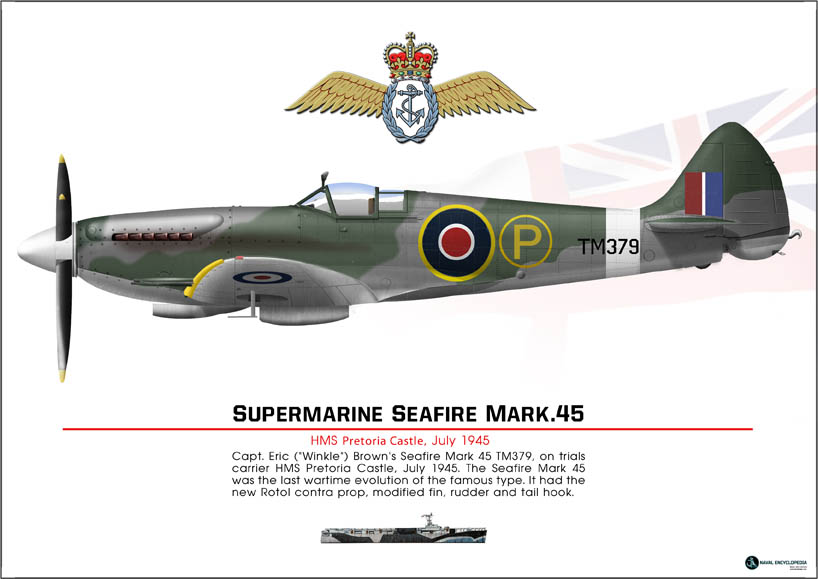
Seafire Mark 45; HMS Pretoria Castle
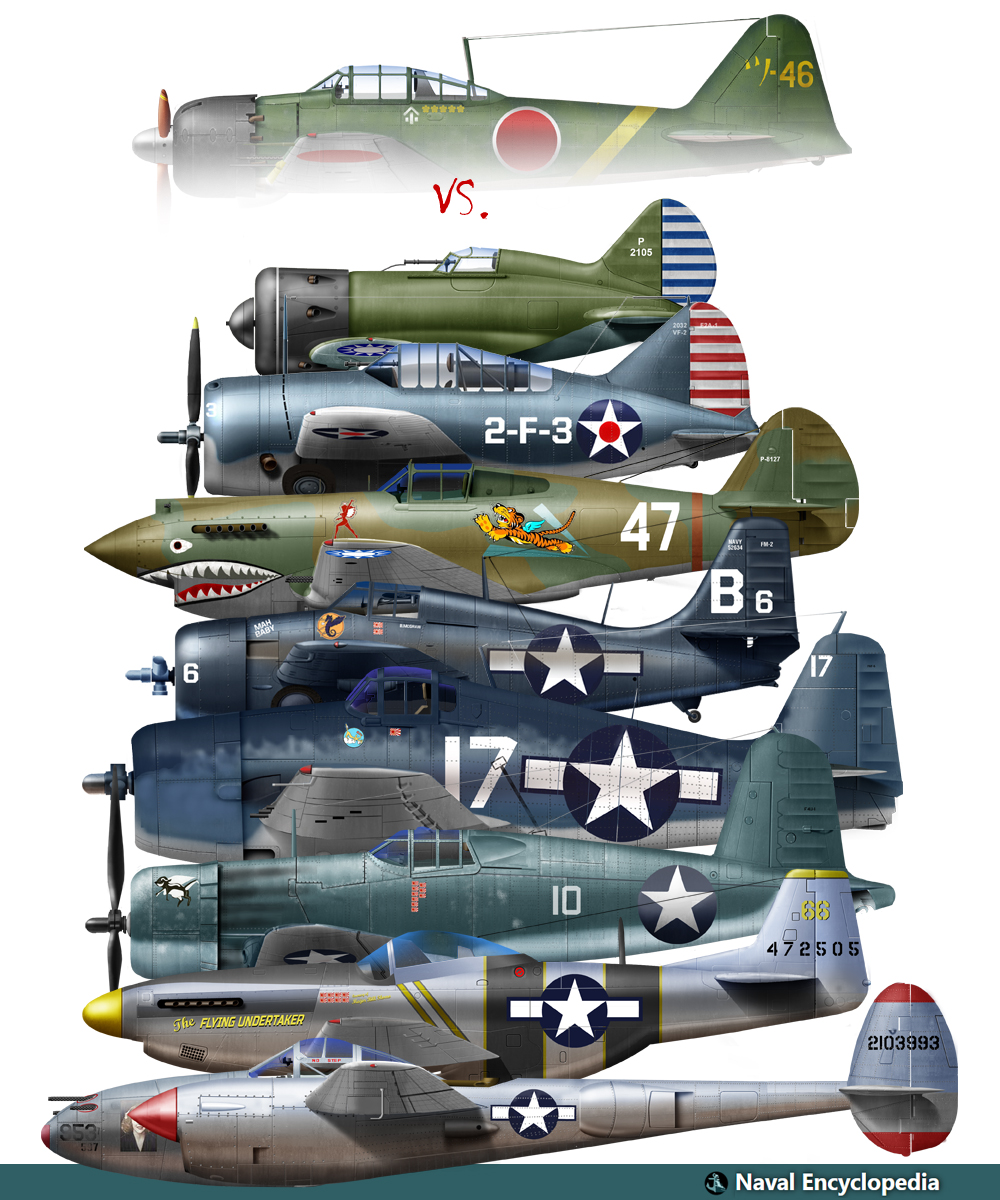
Zeros vs its aversaries
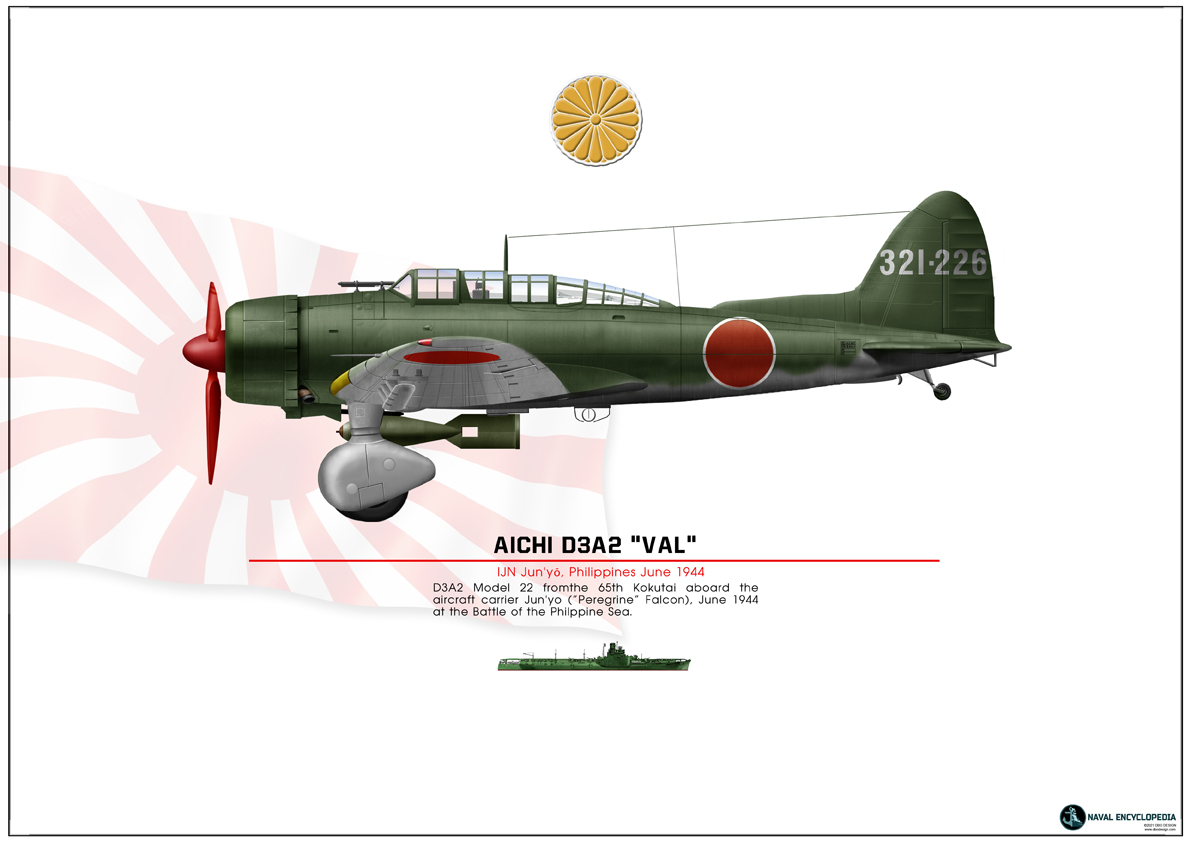
Aichi D3A “Val” Junyo
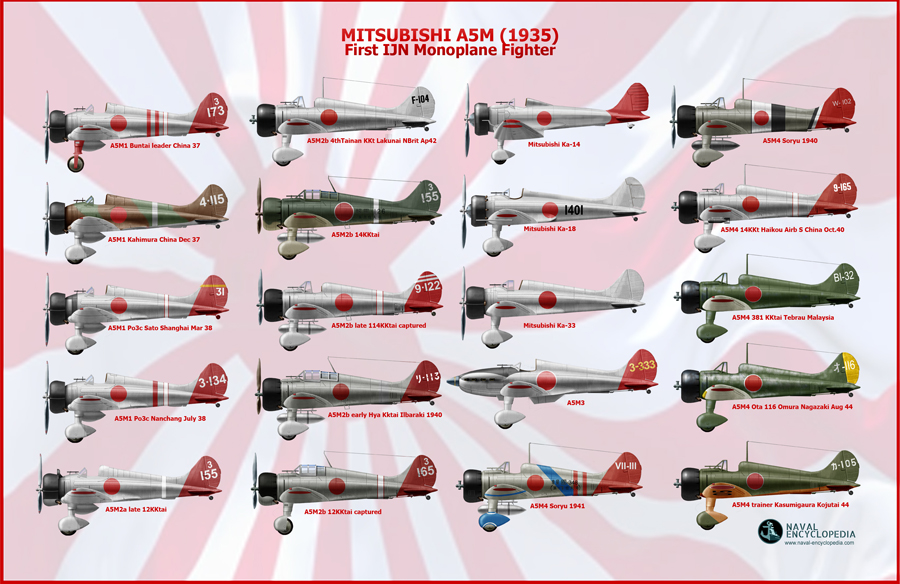
Mitsubishi A5M poster
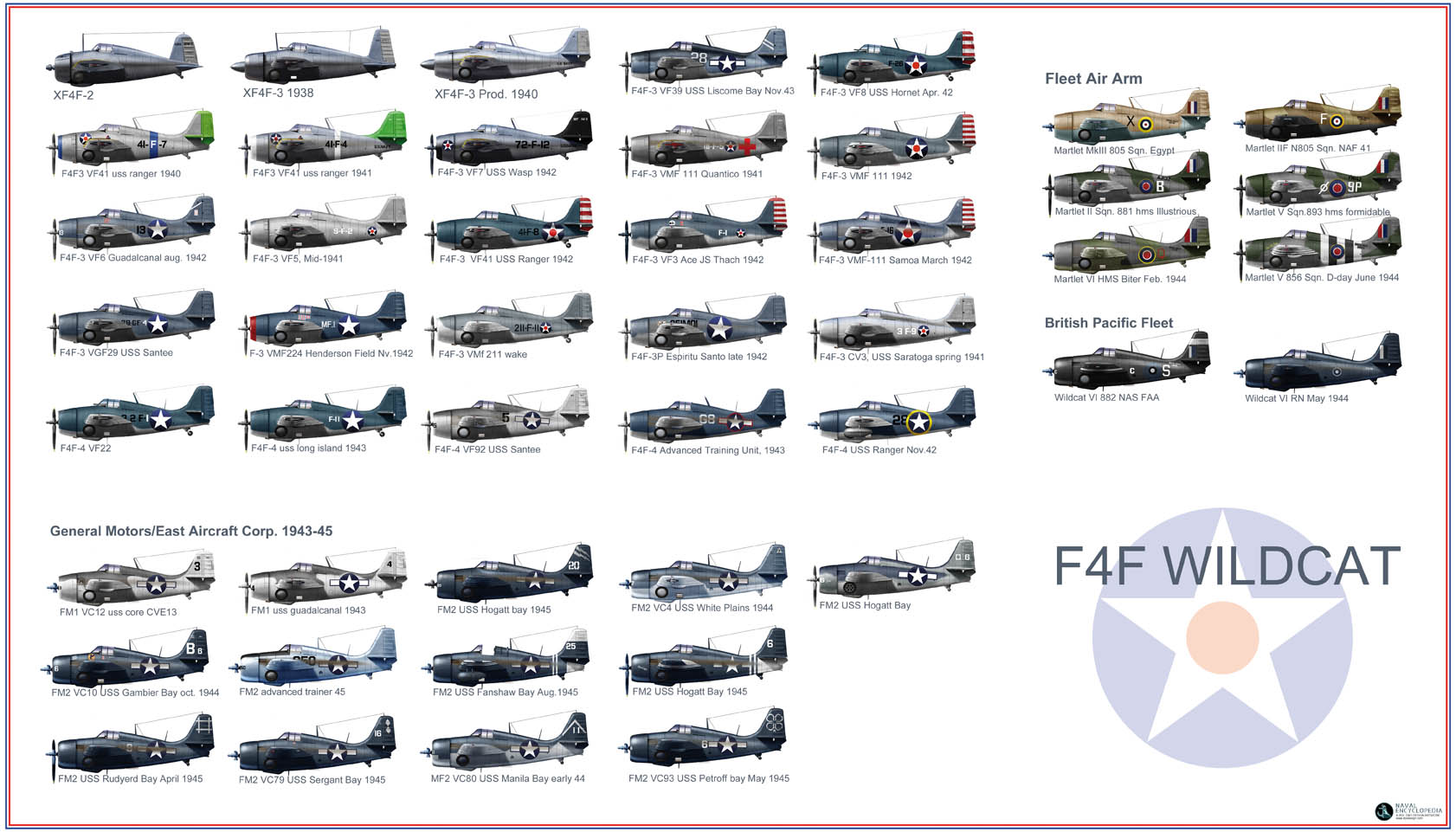
F4F wildcat
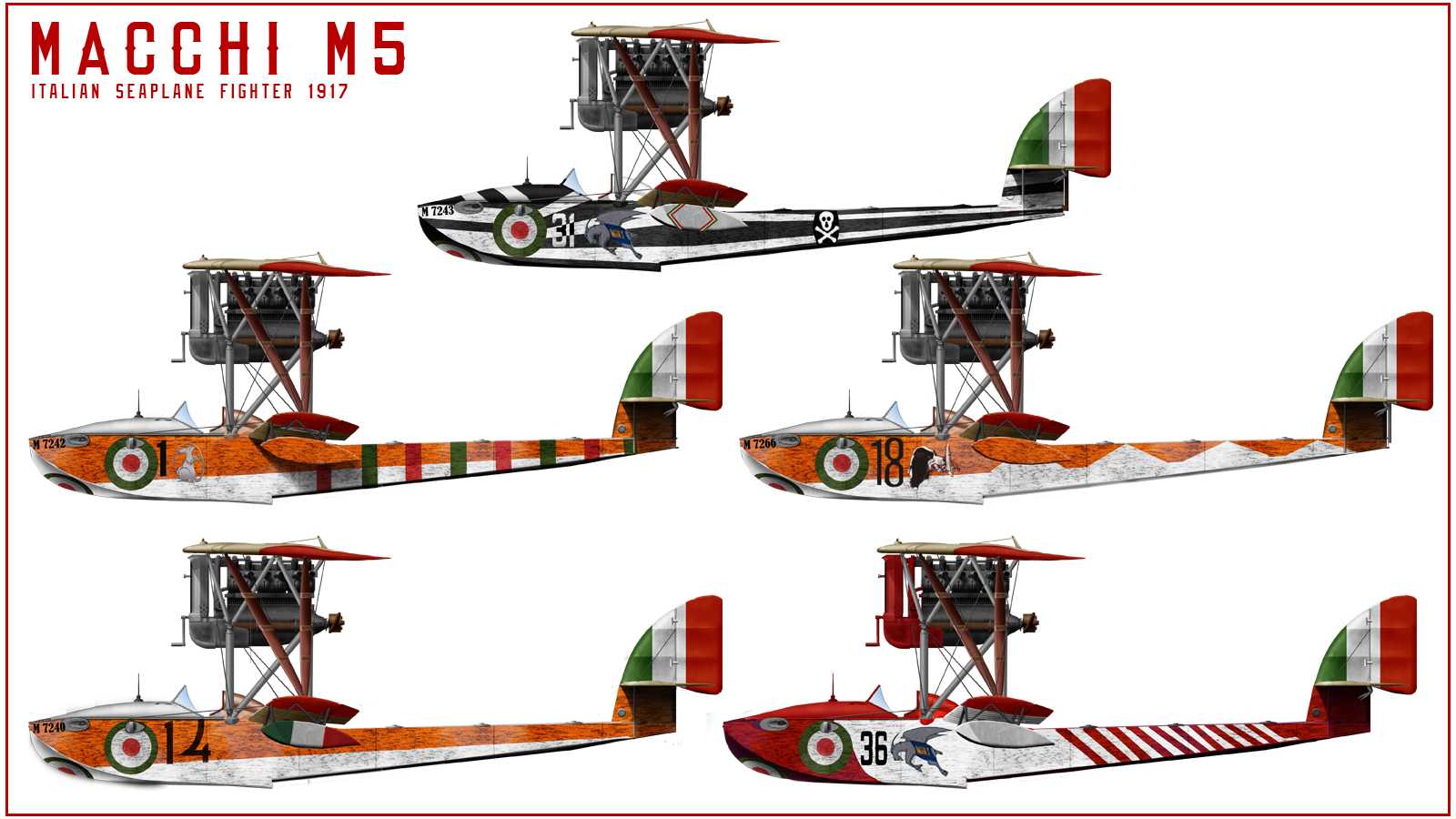
Macchi M5
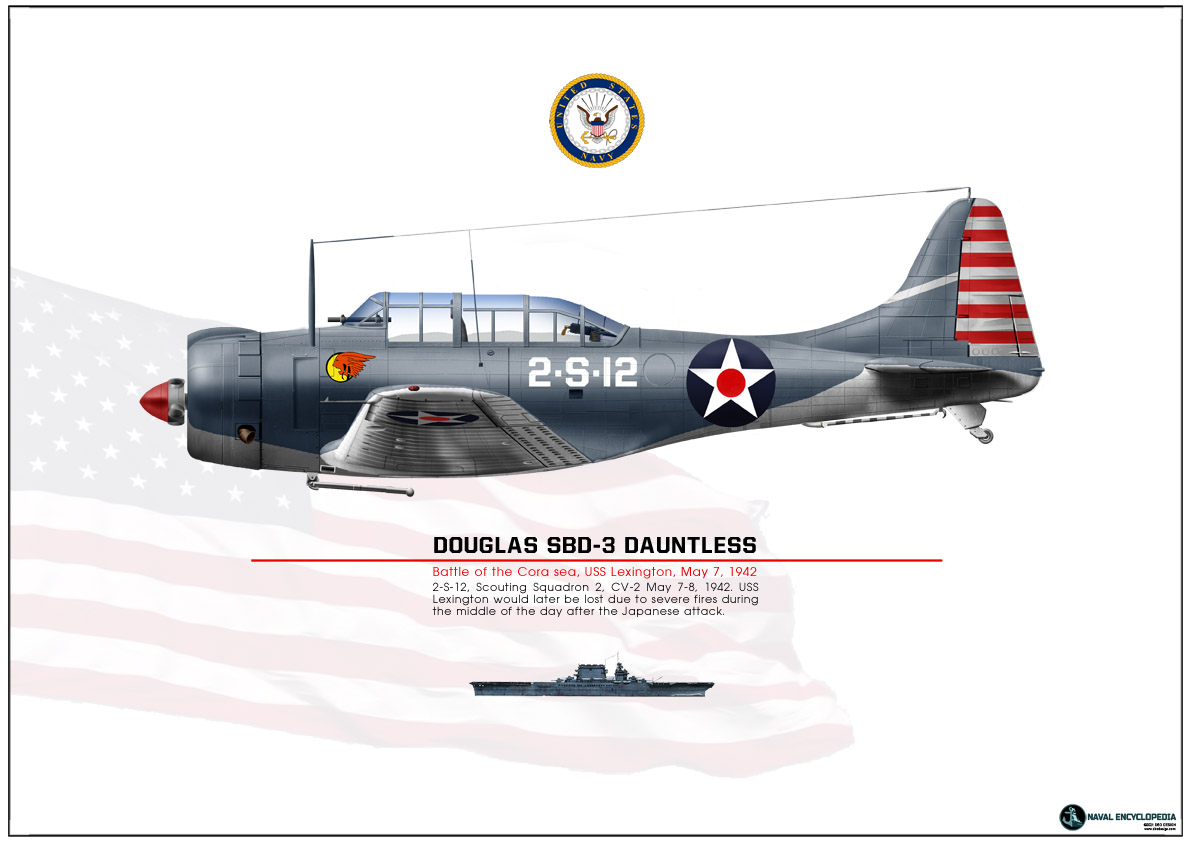
SBD Dauntless Coral Sea
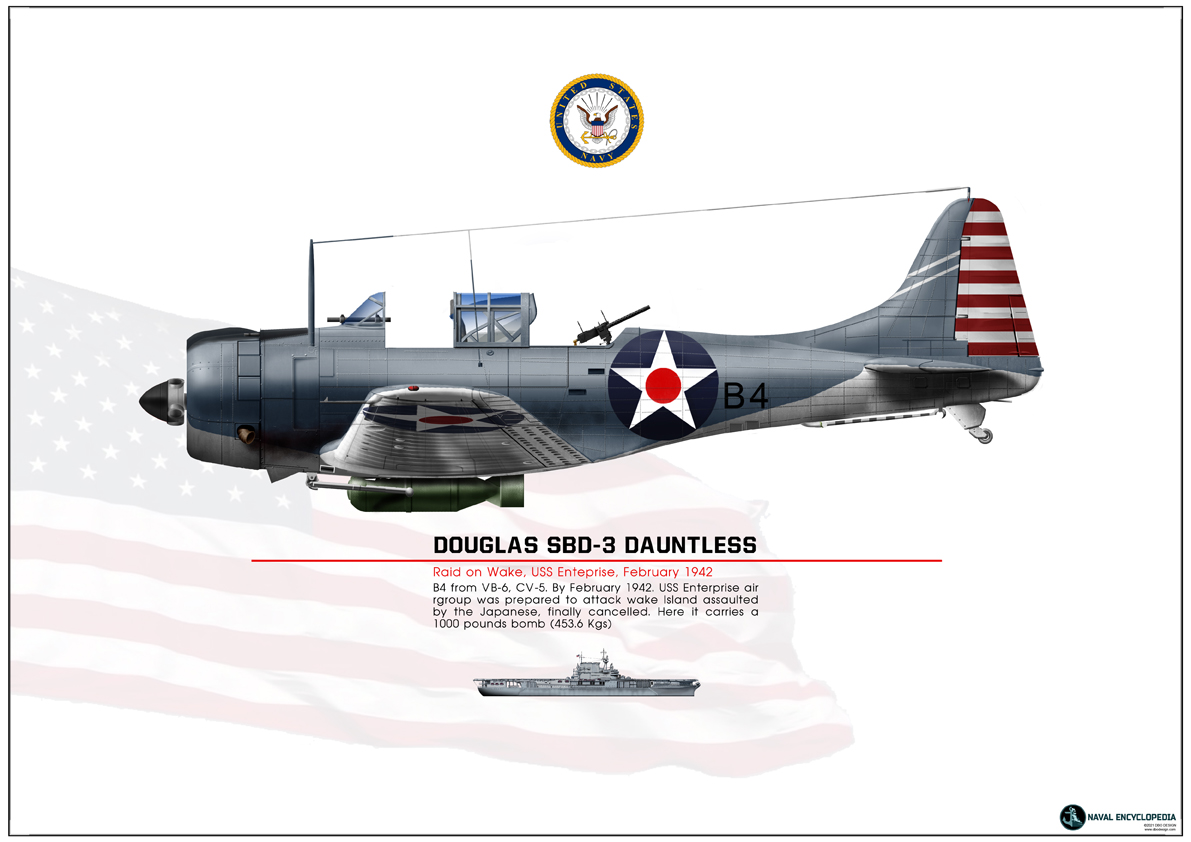
SBD Dauntless USS Enterprise
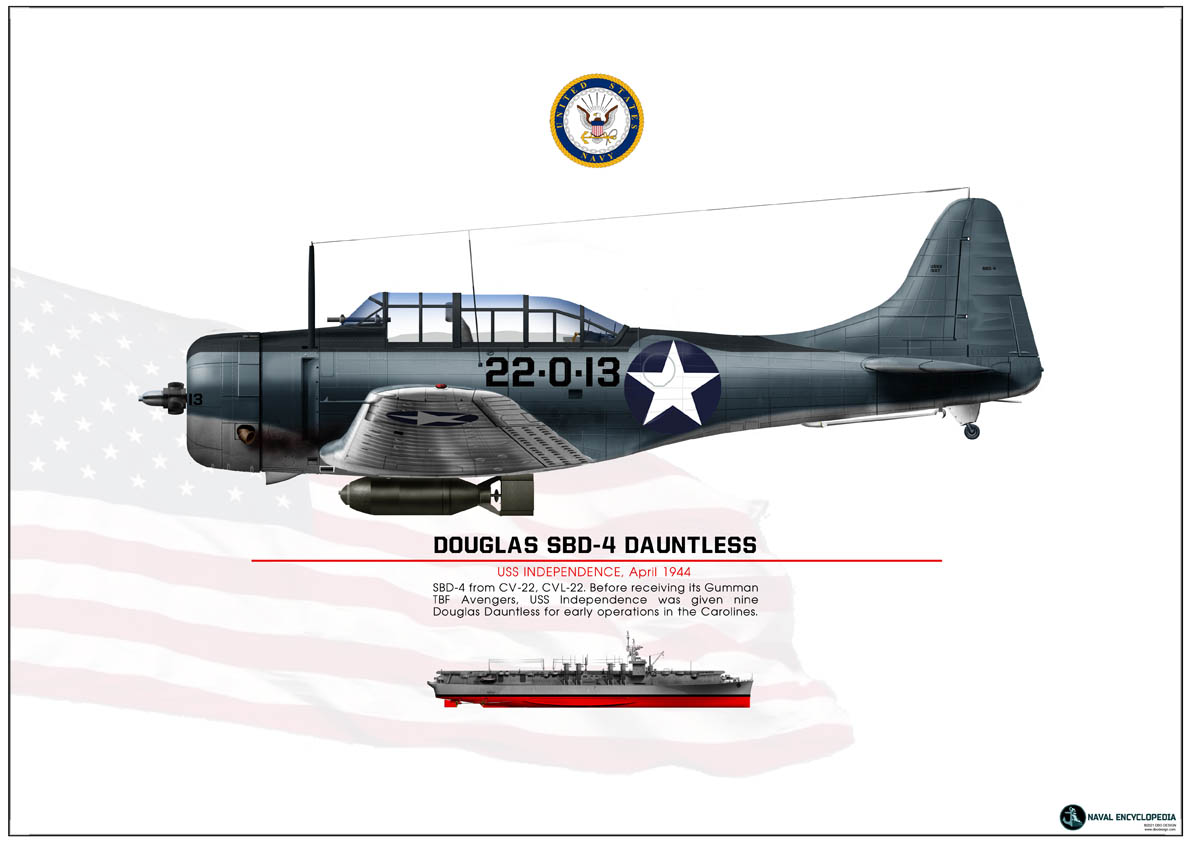
SBD-4 CV22