Mitsubishi G4M (1939)
 Twin engine Naval Bomber 1939-1945: 2,435 Made.
The Prime IJN Land-Based Bomber
The Mitsubishi G4M was designed in 1937-38 already as a replacement for the earlier G3M, already an important asset for Yamamoto in its Pacfc grand strategy, giving the fleet a reach equivalent to aircraft carriers, but from captured airbases dotted across islands. At the time, the IJNAS, the air service branch of the Imperial Japanese Navy was the only one across the globe to feature large numbers of land-based bombers. That category was indeed as much as forbidden by law in the US (reserved for the USAAC) and in Britain, the Fleet Air Arm was only authorized seaplane bombers instead. But the rivalry between the Army and Navy resulted in this unique case of entirely separated air service branches. The G3M developed in 1933-34 was already largely inspired by Junkers airplanes, which patents were acquired from 1928, and this culminated with the very aerodynamic Mitsubishi Ka-9. The core idea was to design a bomber so fast it did not needed an escort.
Production of the G3M started via the Ka-15 and pre-series, really starting in 1936, then going on with improvements until 1943, with transport versions developed on that base. However by 1942 standards it was already considered too slow and undepowered. Its replacement was planned long in advance by Yamamoto, which wanted a faster and more powerful model, which would be still a twin-engine, land-based medium bomber. The Mitsubishi Aircraft Company was not firmly chosen at first, but a string contender to deliver this successor for the Air Service (IJNAS) with a scheduled debut date FY1940. The base design of the G3M was improved across the board, and it was fitted with engines almost twice as powerful. The end product, that first flew in 1939, became the Mitsubishi Navy Type 1 attack bomber (Ichishiki rikujō kōgeki ki, Isshikirikukō). But in service the G4M1 was soon hated or derided by lany IJN pilots when compared to the more graceful G3M. It was nicknamed "Hamaki" ("cigar") between its barrel-like fuselage shape and tendency to ignite if hit. As soon as it was spotted, the Allied reported its name as "Betty". It soon became a familiar codename in operaton as the G4M was virtually everywhere during the war.
The G4M was indeed designed to succeed the Mitsubishi G3M and concentrate better performances overall, excellent range and better payload. It was soon considered the best land-based naval bomber, boasting an agility that would leave 1941 allied fighters like the Buffalo and Wildcat, in the dust. The reality was severe however. Compromises made in its flimsy structure (like for the Zero) led to an almost total lack of crew protection, no armor plating, not even self-sealing fuel tanks, which became the norm in 1937-38 already. The G4M took its sweet time in development until finally declared ready for service and accepted by the IJNAS on 2 April 1941. If lightweight made sense for a dogfighter like the Zero, this was a death sentence of a bomber, as fighters would always catch up. The result was heavy losses, so much so, Allied fighter nicknamed the Betty "The Flying Lighter". It took a more year for Mitsubushi to start better protecting it, with the G4M2 and G4M3 (self-sealing fuel tanks, armor protection, better defensive armament), compensating for the extra weight with better engines.
Despite its youth issues, the G4M soon became the IJNAS' primary land-based bomber, bringing an unrivalled bombing capacity at long distances and another asset in the IJN arsenal, complementary alongside the Kido Butai (IJN carrier group). This becale most widely produced and most famous Japanese bomber in world War II, reflecting the same path a the A6M in its field. The G4M took part in virtually all battles of the Pacific War, taking part for example to the sinking of Force Z (HMS Prince of Wales and Repulse) a world's first in the open sea. G4Ms would operate alongside G3Ms there and later to sink USS Chicago at the Battle of Rennell Island. As the G4M replacement was already on its way, between the 4-engined G6M "Renzan" and nimbler Yokosuka P1Y "Ginga" more in tone with the previous G3M, the last G4M took part in desperate conversions like a mother plane for the Yokosuka MXY-7 Ohka suicide craft. There was a 1940 heavy fighter derivative, the Mitsubishi G6M1 usable as long-range escort fighter but later converted as a transport. No fully intact G4M survived the war but several airframes were saved from the elements and remained in unrestored state or partial restoration.
Development of the Mitsubishi G4M
Design of the Mitsubishi G4M
Fuselage and general layout
Engine and performances
Armament
Specs G4M | |
Variants


Operational career of the Mitsubishi G4M


- Lohner E (1913)
- Macchi M3 (1916)
- Macchi M5 (1917)
- Macchi M7 (1918)
- Ansaldo ISVA (1918)
- Short S.38 (1912)
- Sopwith Baby (1916)
- Short 184 (1916)
- Fairey Campania (1917)
- Sopwith Cuckoo (1917)
- Felixstowe F.2 (1917)
- Gotha WD.2 (1914)
- Friedrichshafen FF 33 (1916)
- Albatros W4 (1916)
- Albatros W8 (1918)
- Hanriot HD.2
- Grigorovich M5 (1915)
- Grigorovich M9 (1916)
- Grigorovich M11 (1917)
- IJN Farman MF.7
- IJN Yokosho Type Mo
- Yokosho Rogou Kougata (1917)
- Yokosuka Igo-Ko (1920)
- Curtiss N9 (1916)
- Curtiss H4 (1916)
- Curtiss H12 (1917)
- Curtiss H16 (1918)
- Aeromarine 39
- Vought VE-7
- Douglas DT (1921)
- NAF/Curtiss TS-1 (1922)
- Boeing FB.5 (1923)
- Boeing F4B (1928)
- Vought O2U/O3U Corsair (1928)
- Grumman FF (1931)
- Akron class airships (1931)
- Curtiss F9C Sparrowhawk (1931)
- Curtiss F11C Goshawk (1932)
- Curtiss BF2C Goshawk (1933)
- Blackburn Blackburn (1922)
- Supermarine Seagull (1922)
- Fairey Flycatcher (1923)
- Hawker Horsley (1925)
- Blackburn Ripon (1926)
- Fairey IIIF (1927)
- Fairey Seal (1930)
- LGL-32 C.1 (1927)
- Fokker T.II (1921)
- Fokker T.III (1923)
- Caspar U1 (1921)
- Dornier Do J Wal (1922)
- Rohrbach R-III (1924)
- Mitsubishi 1MF (1923)
- Mitsubishi B1M (1923)
- Yokosuka E1Y (1923)
- Nakajima A1N (1927)
- Nakajima E2N (1927)
- Mitsubishi B2M (1929)
- Nakajima A2N (1930)
- Nakajima A4N (1935)
- CANT 18
WW1
✠ K.u.K. Seefliegerkorps:
 Italian Naval Aviation
 RNAS
RNAS
 Marineflieger
 French Naval Aviation
 Russian Naval Aviation
 IJN Air Service
 USA
USA
Interwar
 Interwar US
 Interwar Britain
 Interwar France
 Interwar Netherlands
 Interwar Germany
Interwar Japan
 Interwar Italy
- Grumman F2F (1933)
- Curtiss SOC seagull (1934)
- Grumman F3F (1935)
- Northrop BT-1 (1935)
- Consolidated PBY Catalina (1935)
- Grumman J2F Duck (1936)
- Brewster/NAF SBN-1 (1936)
- Curtiss SBC Helldiver (1936)
- Vought SB2U Vindicator (1936)
- Brewster F2A Buffalo (1937)
- Douglas TBD Devastator (1937)
- Vought Kingfisher (1938)
- Curtiss SO3C Seamew (1939)
- K-class Blimps (1939)
- Douglas SBD Dauntless (1939)
- Grumman F4F Wildcat (1940)
- F4U Corsair (NE) (1940)
- Brewster SB2A Buccaneer (1941)
- Grumman TBF/TBM Avenger (1941)
- Consolidated TBY Sea Wolf (1941)
- Grumman F6F Hellcat (1942)
- Curtiss SB2C Helldiver (1942)
- Curtiss SC Seahawk (1944)
- Grumman F7F Tigercat (1944)
- Grumman F8F Bearcat (1944)
- Ryan FR-1 Fireball (1944)
- Douglas AD-1 Skyraider (1945)
- Fleet Air Arm
- Hawker Osprey (1932)
- Fairey Swordfish (1934)
- Blackburn Shark (1934)
- Supermarine Walrus (1936)
- Fairey Seafox (1936)
- Blackburn Skua (1937)
- Short Sunderland (1937)
- Blackburn Roc (1938)
- Fairey Albacore (1940)
- Fairey Fulmar (1940)
- Grumman Martlet (1941)
- Hawker sea Hurricane (1941)
- Brewster Bermuda (1942)
- Fairey Barracuda (1943)
- Fairey Firefly (1943)
- Grumman Tarpon (1943)
- Grumman Gannet (1943)
- Supermarine seafire (1943)
- Blackburn Firebrand (1944)
- Hawker Sea Fury (1944)
- Coastal Command
- Vickers Wellington (1937)
- IJN aviation
- Yokosuka E6Y (1930)
- Aichi D1A "Susie" (1934)
- Mitsubishi A5M "Claude" (1935)
- Nakajima A4N (1935)
- Yokosuka B4Y "Jean" (1935)
- Mitsubishi G3M "Nell" (1935)
- Nakajima E8N "Dave" (1935)
- Kawanishi E7K "Alf" (1935)
- Nakajima B5N "Kate" (1937)
- Kawanishi H6K "Mavis" (1938)
- Aichi D3A "Val" (1940)
- Mitsubishi G4M "Betty" (1940)
- Mitsubishi A6M "zeke" (1940)
- Nakajima E14Y "Glen" (1941)
- Nakajima B6N "Jill" (1941)
- Mitsubishi F1M "pete" (1941)
- Aichi E13A Reisu "Jake" (1941)
- Kawanishi E15K Shiun "Norm" (1941)
- Nakajima C6N Saiun "Myrt" (1942)
- Yokosuka D4Y "Judy" (1942)
- Kyushu Q1W Tokai "Lorna" (1944)
 Luftwaffe
- Heinkel 114 (1935)
- Arado 196 (1937)
- Me109 T (1938)
- Blohm & Voss 138 Seedrache (1940)
 Italian Aviation
- Savoia-Marchetti S.55
- IMAM Ro.43/44
- CANT Z.501 Gabbiano
- CANT Z.506 Airone
- CANT Z.508
- CANT Z.511
- CANT Z.515
 French Aeronavale
- GL.300 (1926-39)
- CAMS 37 (1926)
- Levasseur PL.5 (1927)
- Potez 452 (1935)
- Loire 210 (1936)
- Loire 130 (1937)
- LN 401 (1938)
 Soviet Naval Aviation
- Shavrov SH-2 (1928)
- Tupolev TB-1P (1931)
- Beriev MBR-2 (1930)
- Tupolev MR-6 (1933)
- Tupolev MTB-1 (1934)
- Beriev Be-2 (1936)
- Polikarpov I16 naval (1936)
- Tupolev MTB-2 (1937)
- Ilyushine DB-3T/TP (1937)
- Beriev Be-4 (1940)
 Swedish Naval Aviation
- SAAB B17S
-
 Skoda Š-328V
  R-XIII Idro
 Fokker C.XI W (1934)
 Rogožarski PVT-H (1938)
WW2
 ☍ USNA
- De Havilland Sea Vixen
- Hawker Sea Hawk
- Supermarine Scimitar
- Blackburn Buccaneer
- Hawker Sea Harrier
- Douglas A4 Skyhawk
- Grumman F9F Panther
- Vought F8 Crusader
- McDonnell-Douglas F-4 Phantom-II
- North Am. A5 Vigilante
- TU-142
- Yak 38 forger
☢ Cold War
✧ NATO
Fleet Air Arm
 US Navy
☭ Warsaw Pact
Merch
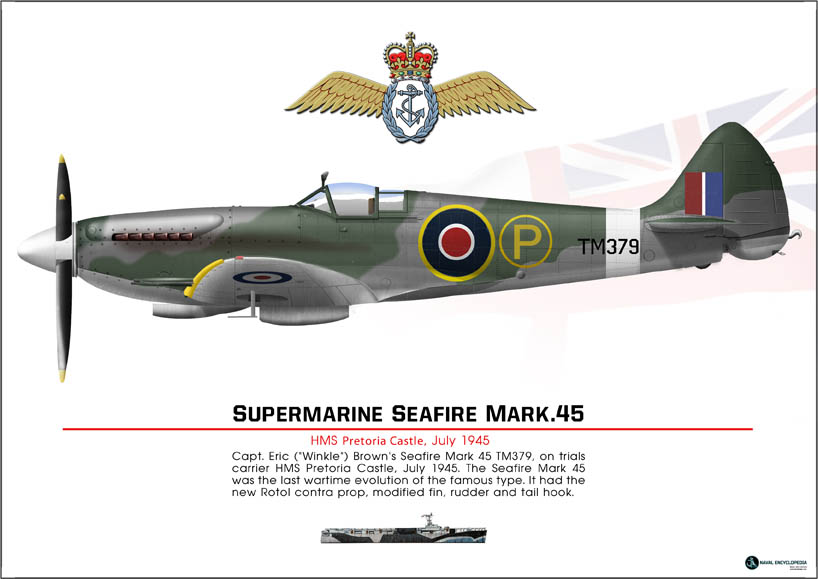
Seafire Mark 45; HMS Pretoria Castle
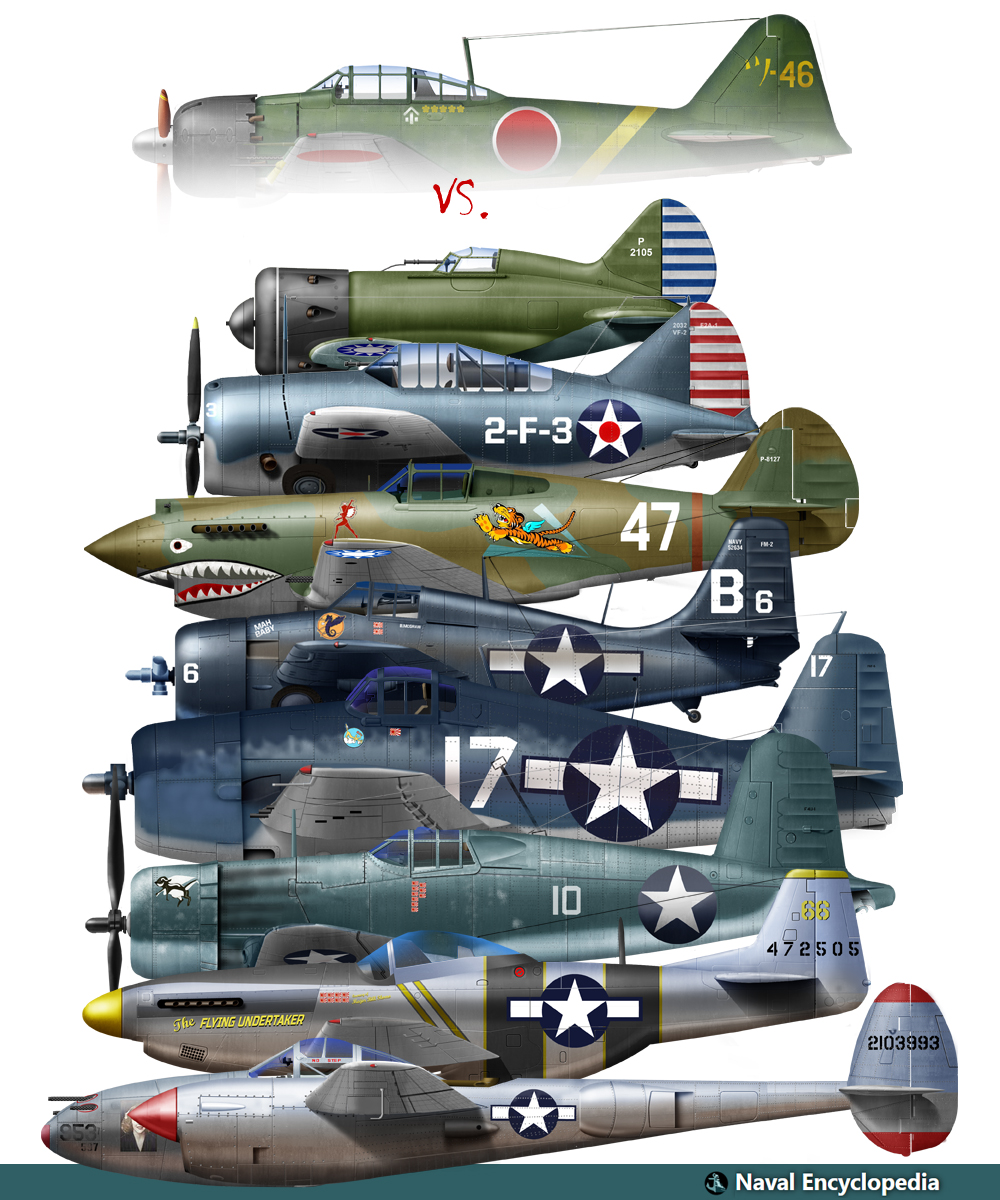
Zeros vs its aversaries
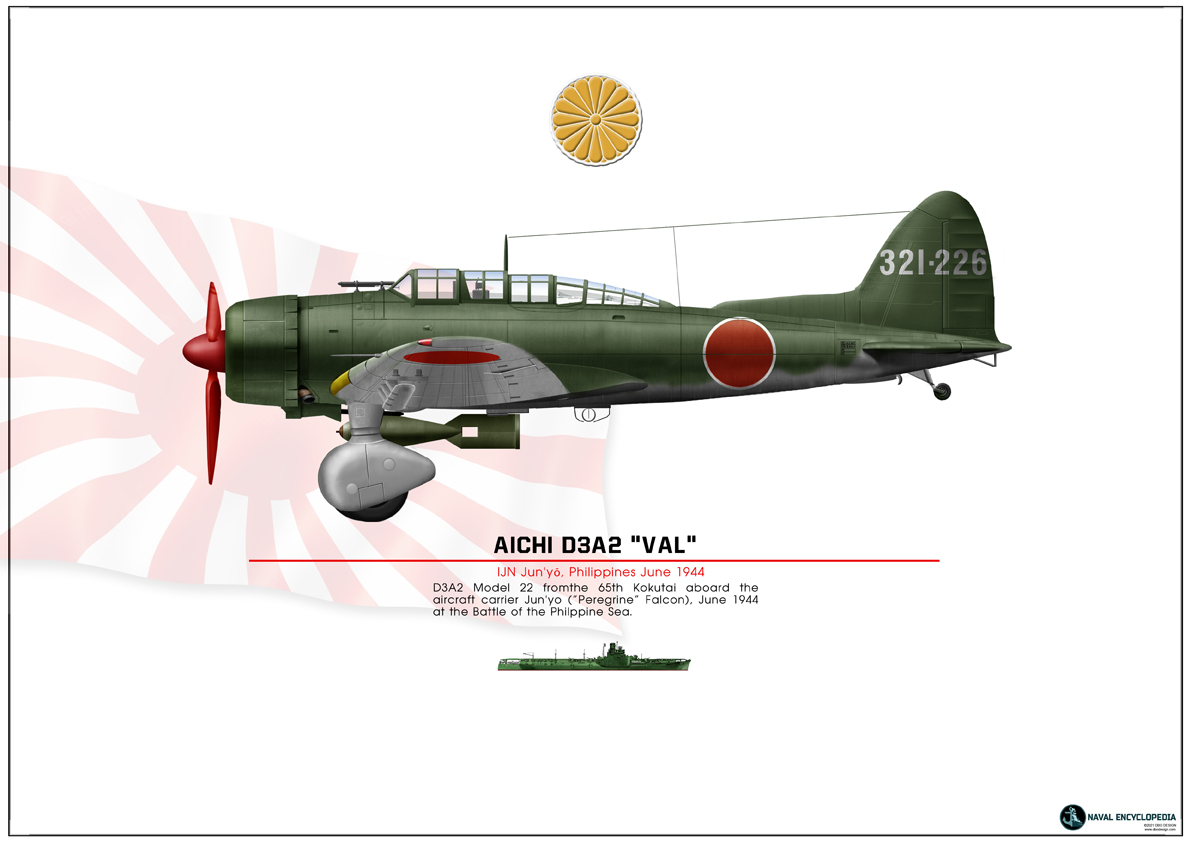
Aichi D3A “Val” Junyo
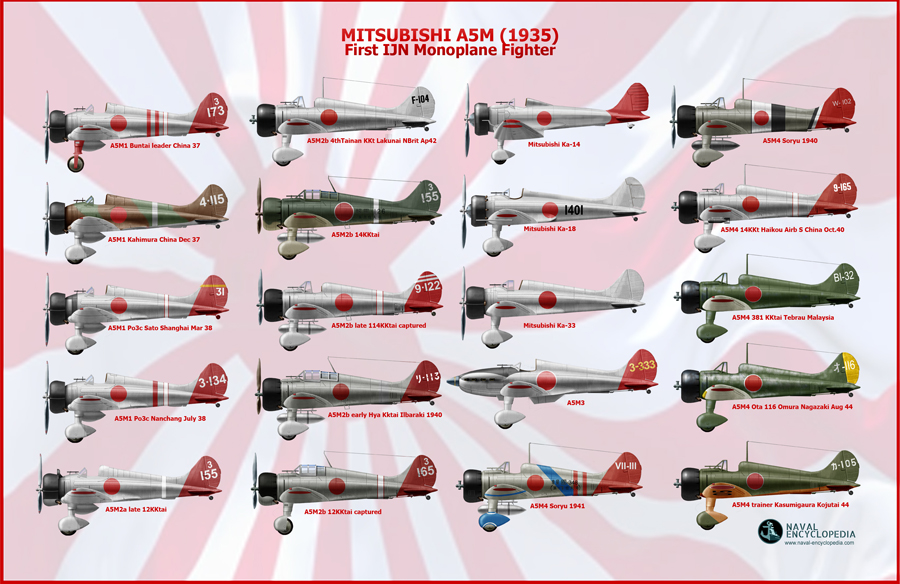
Mitsubishi A5M poster
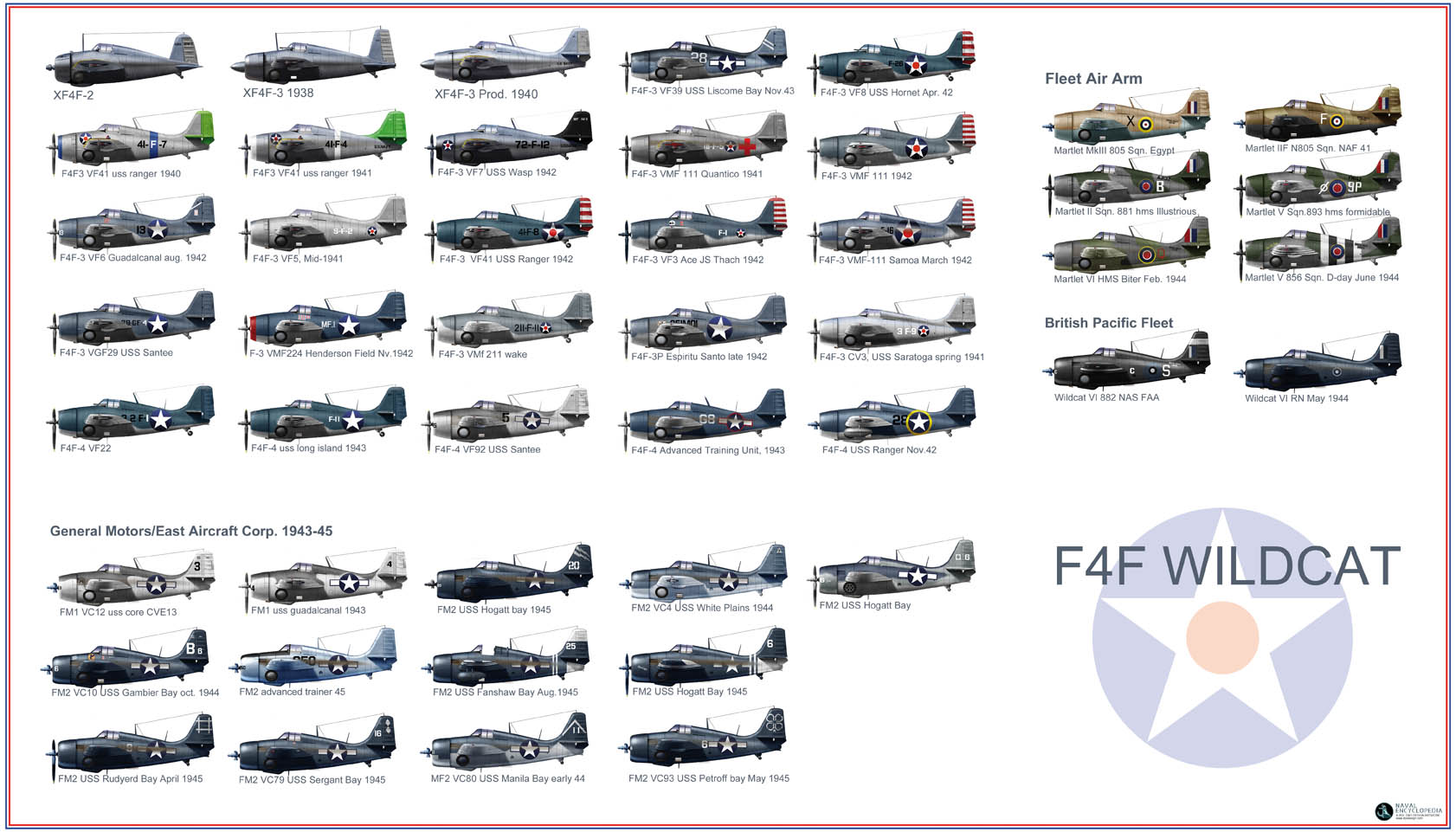
F4F wildcat
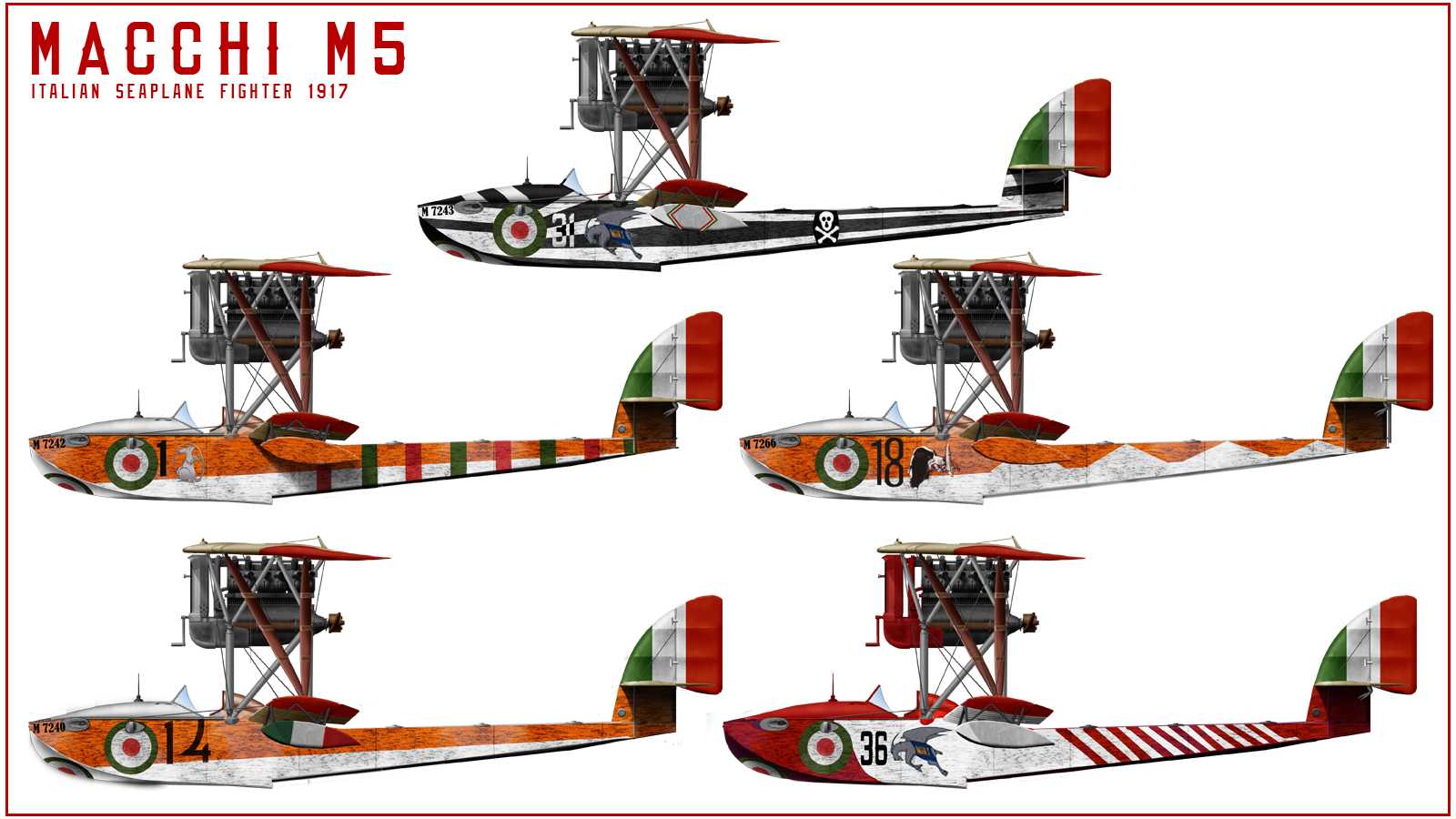
Macchi M5
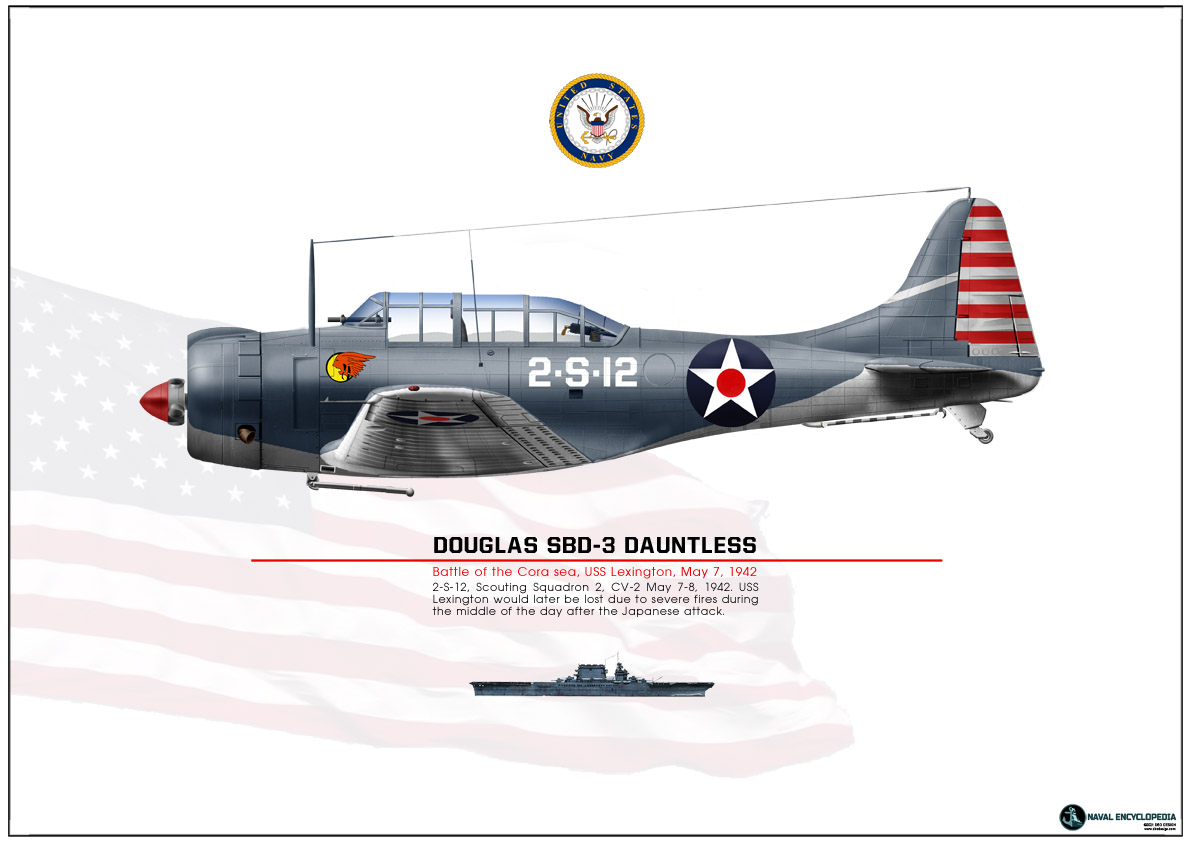
SBD Dauntless Coral Sea
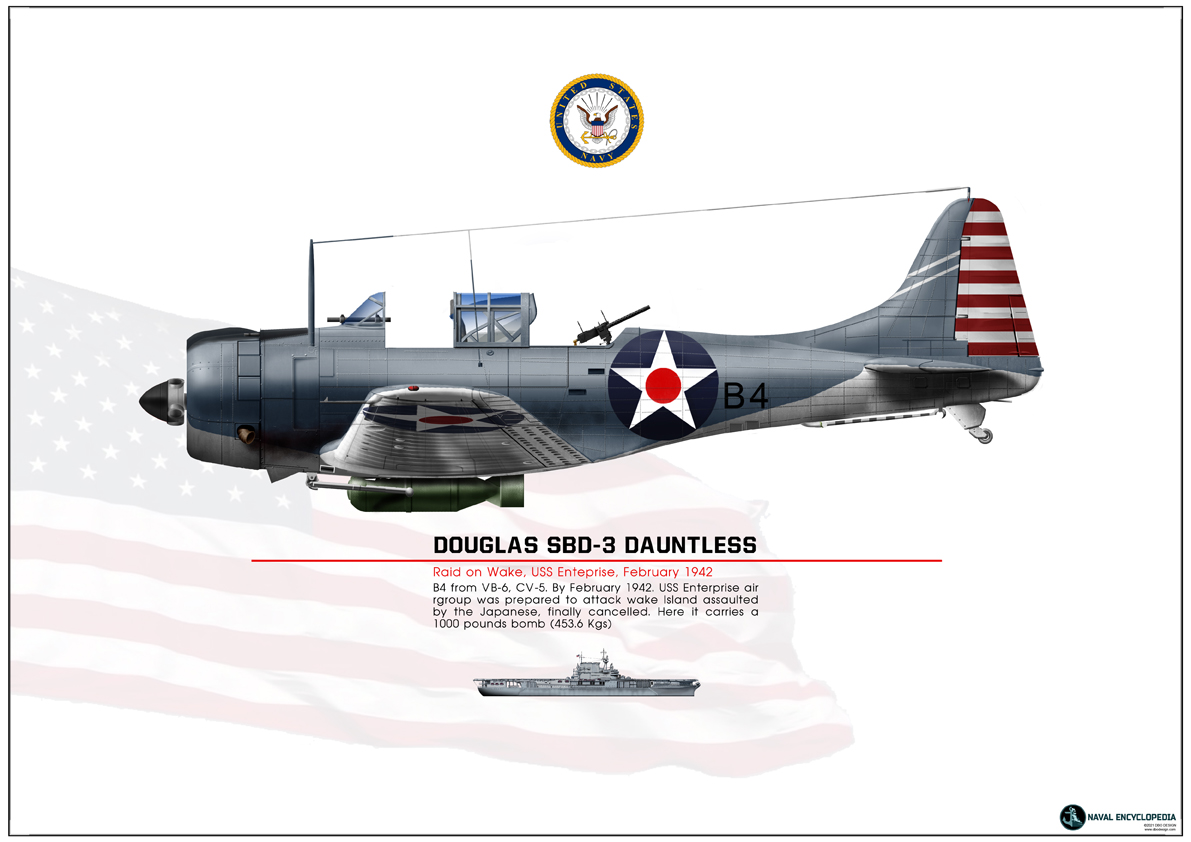
SBD Dauntless USS Enterprise
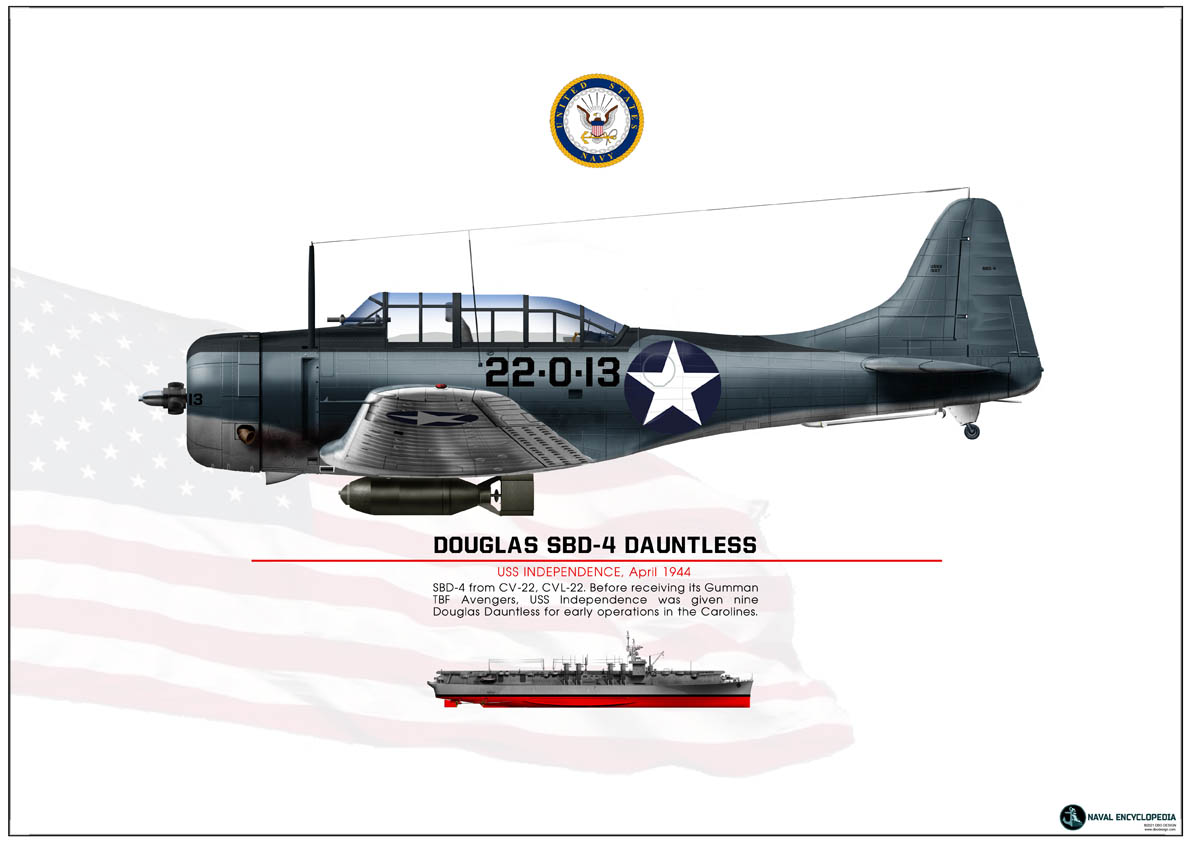
SBD-4 CV22