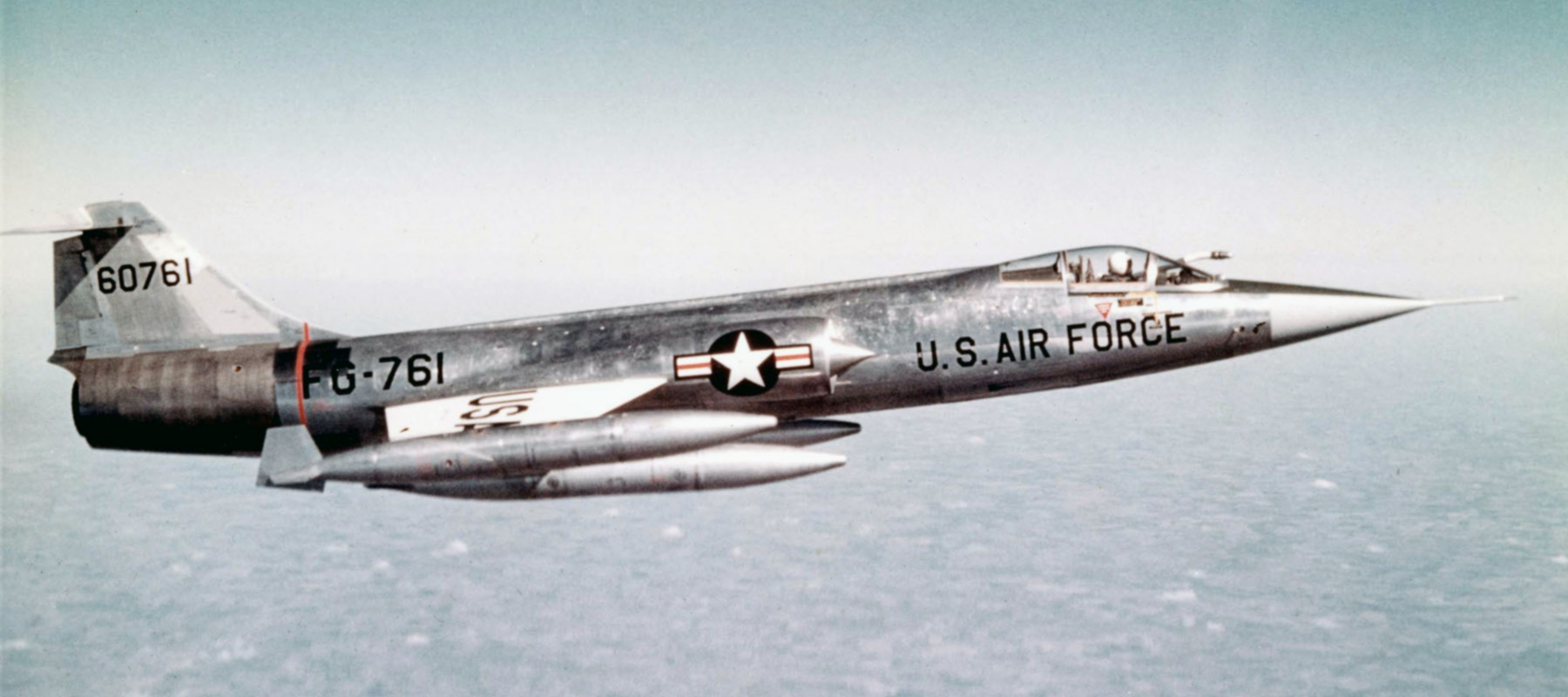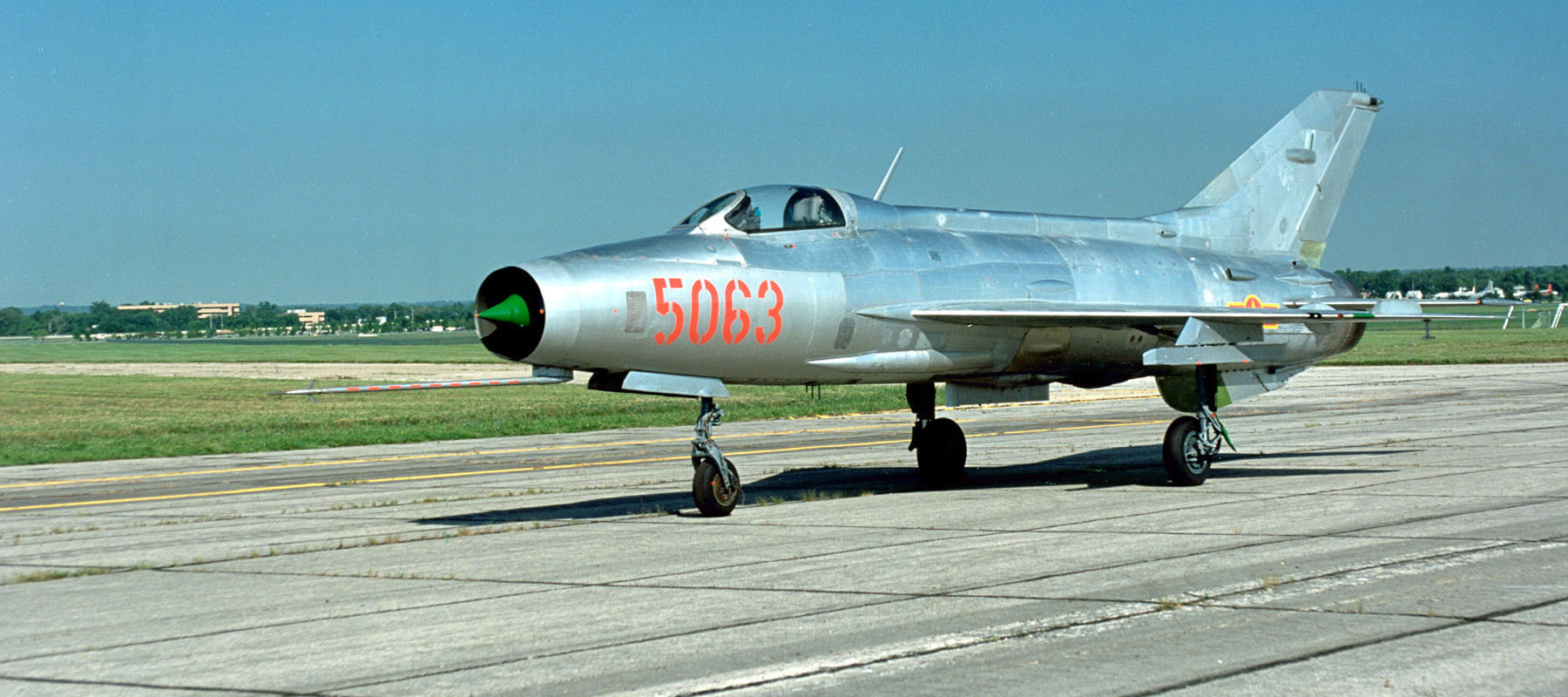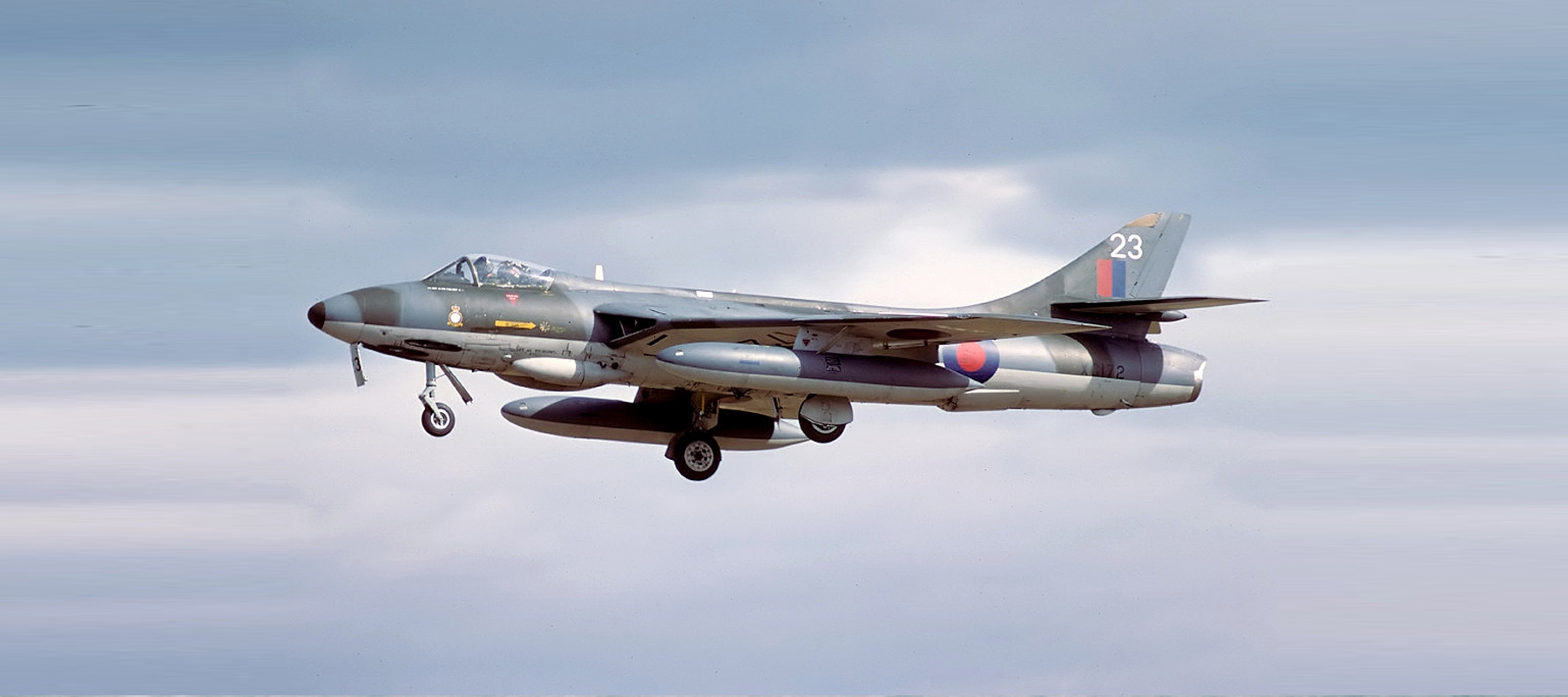
The United States land and Marines Air forces leaved the second world war as winners with a substantial array of assets, including the precious long range heavy bombers, with nuclear capability. A new generation of jets will mark profundly the American psyche, conveying optimism and fears of the 1950s.
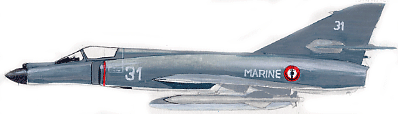
Europe since ww1 had pioneered the concept of military planes and was not far behind the two supergiants, even way ahead in multiple areas, from turbine jets to radars and delta wings. Through nationalizations, fusions, and multi-national projects, Europe excelled technically but lacked scale and unity in design.
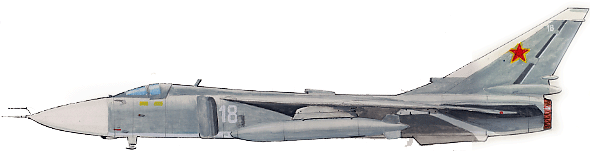
With famous planes like the Sturmovik and Yak-3 USSR also leaved ww2 with the confidence in its own capabilities to built a large array of good, mass-produced military planes. Slightly late in the game with jets and atom bomb, it was quick to regain the initiative, unveiling the Mig-15 and 17 which imposed themselves in Korea.
Evolution of cold war jets was closely linked to several "hot" conflicts that bring a great deal air combat experience from dogfights to carpet bombings.
Half a century of cold war air forces, seeking faster and more agile jets, more payload, more precision, more awareness to master the skies.
Though illustration, photos, videos, blueprints, infographics, cutaways, manufacturers docs, specifications...
They were the wolves among sheeps, the nobility in this realm of the skies. Fighters and fighter-bombers, still rules the skies.

Bombers has been since the very beginning of the cold war, the major asset in a nuclear and conventional war. Meet these transcontinental giants.

Fighter Bombers were only the brightest part of the whole circus. Don't forget that at the origin it all came from the needs for reconnaissance. You also need to train, carry, and supply people. Makes no mistake, that's a lot of cold war planes.